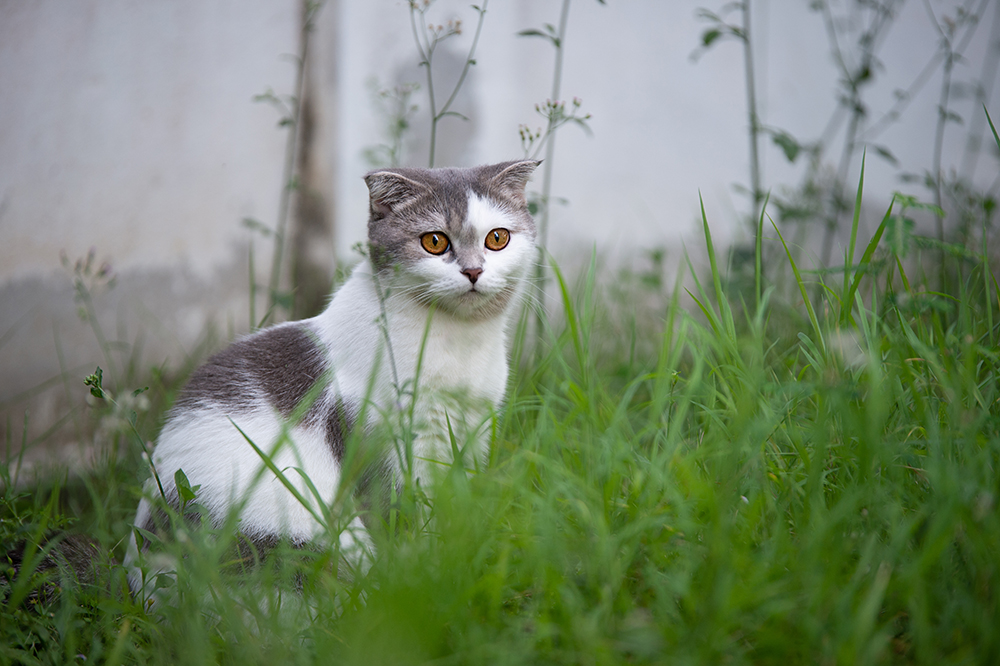
10 Tortoiseshell Cat Breeds (With Info & Pictures)

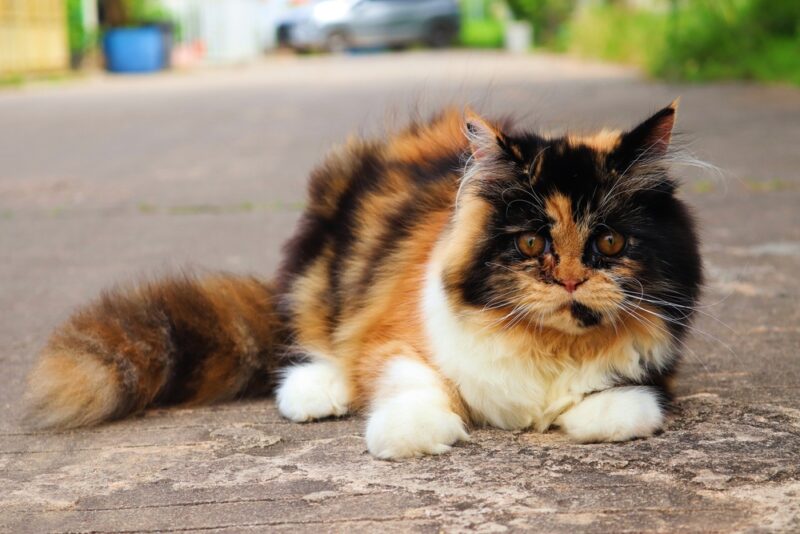
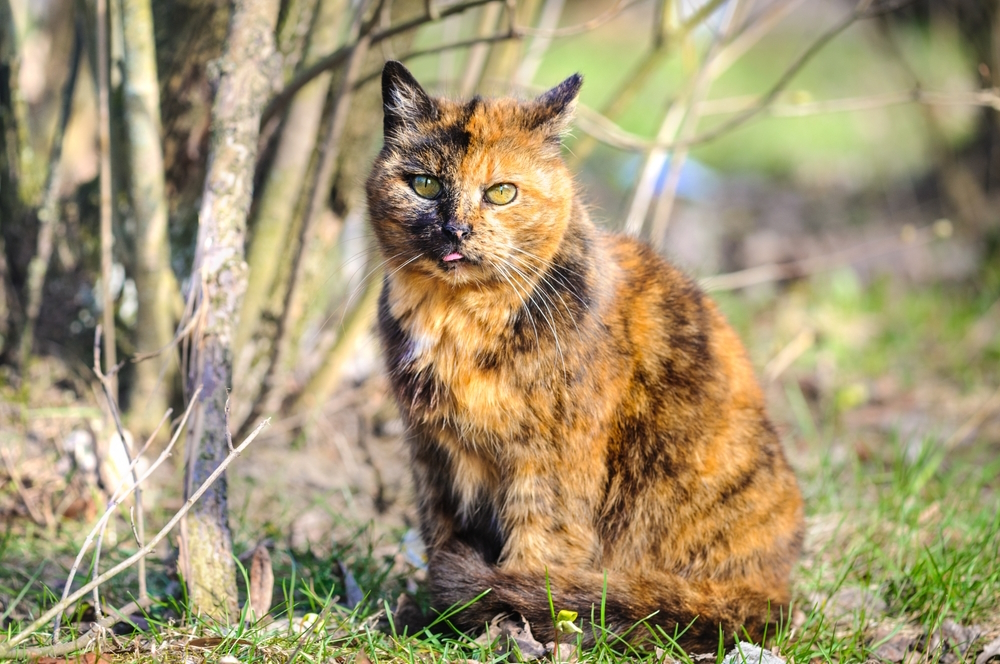
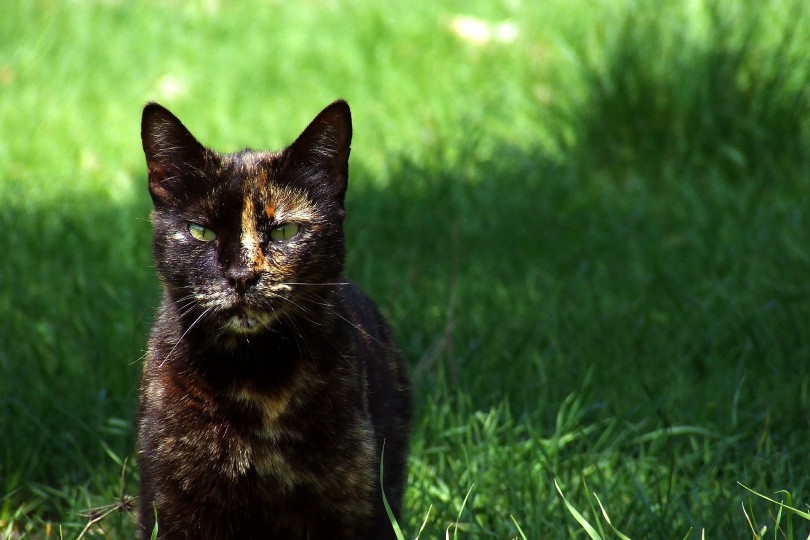
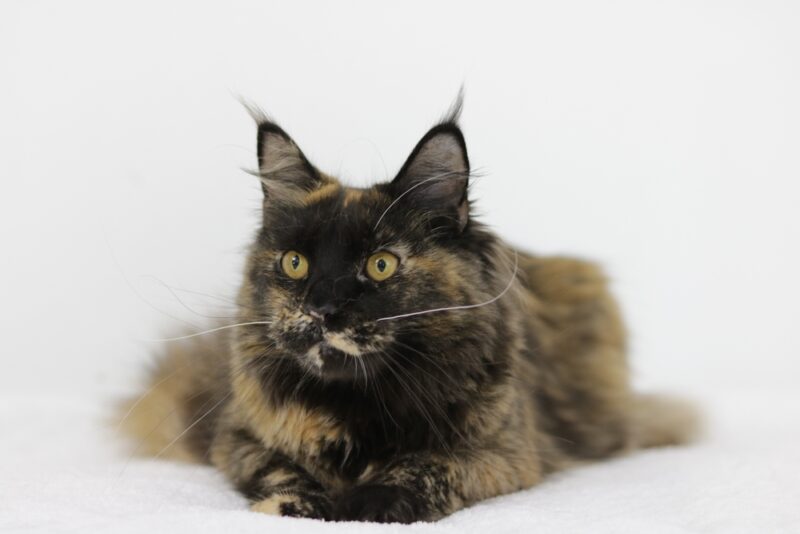
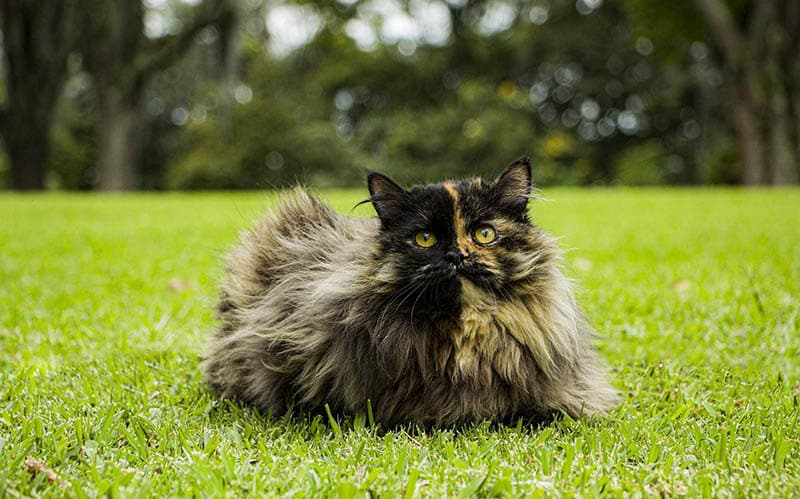
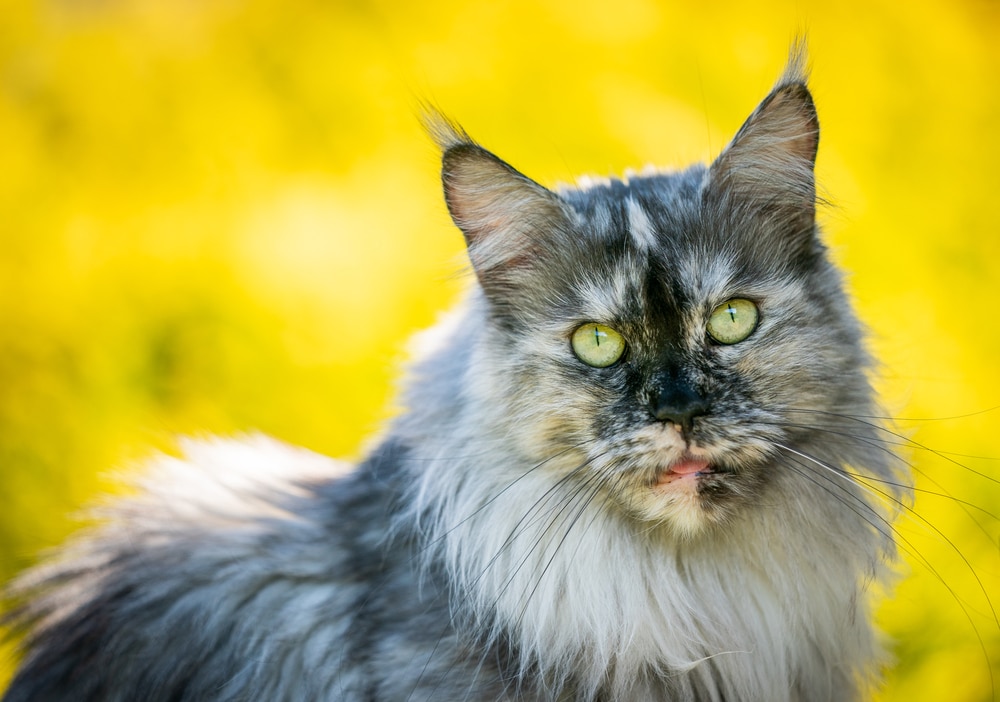
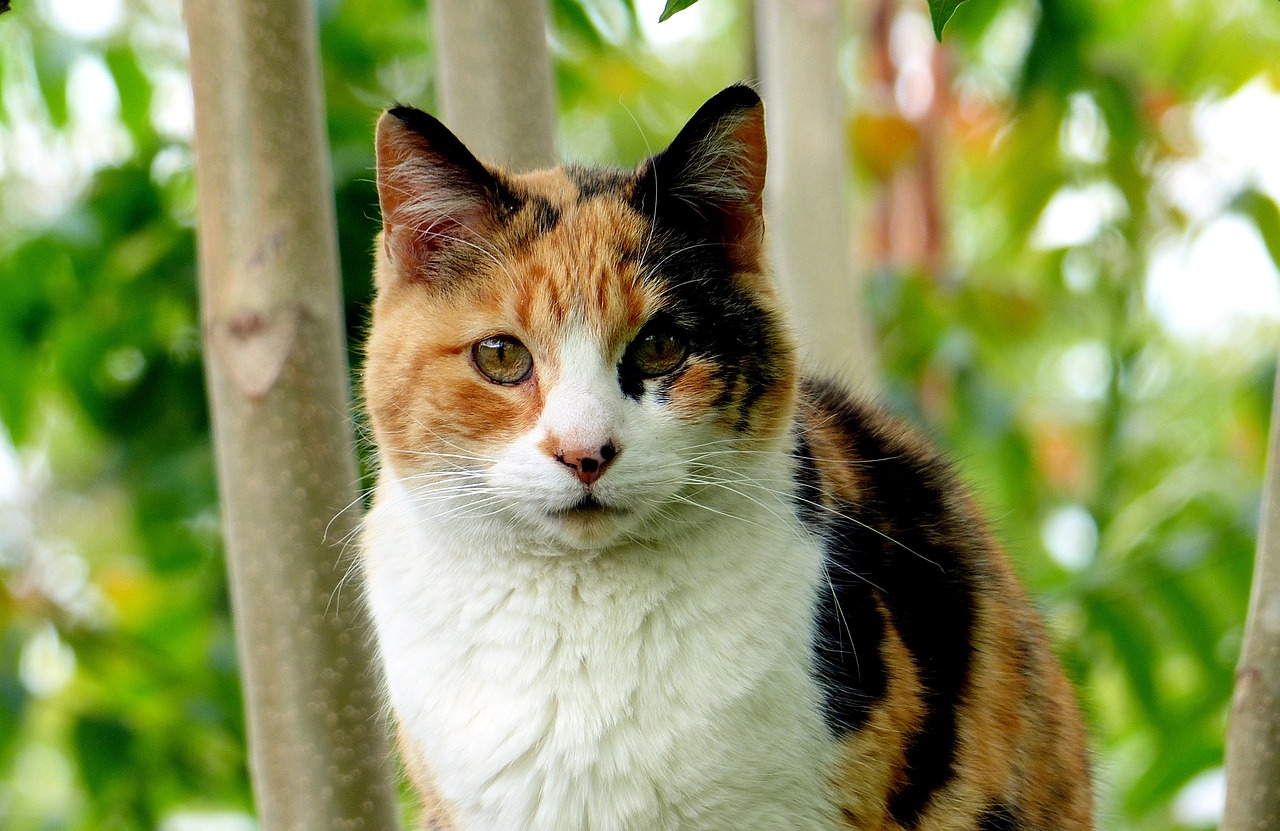
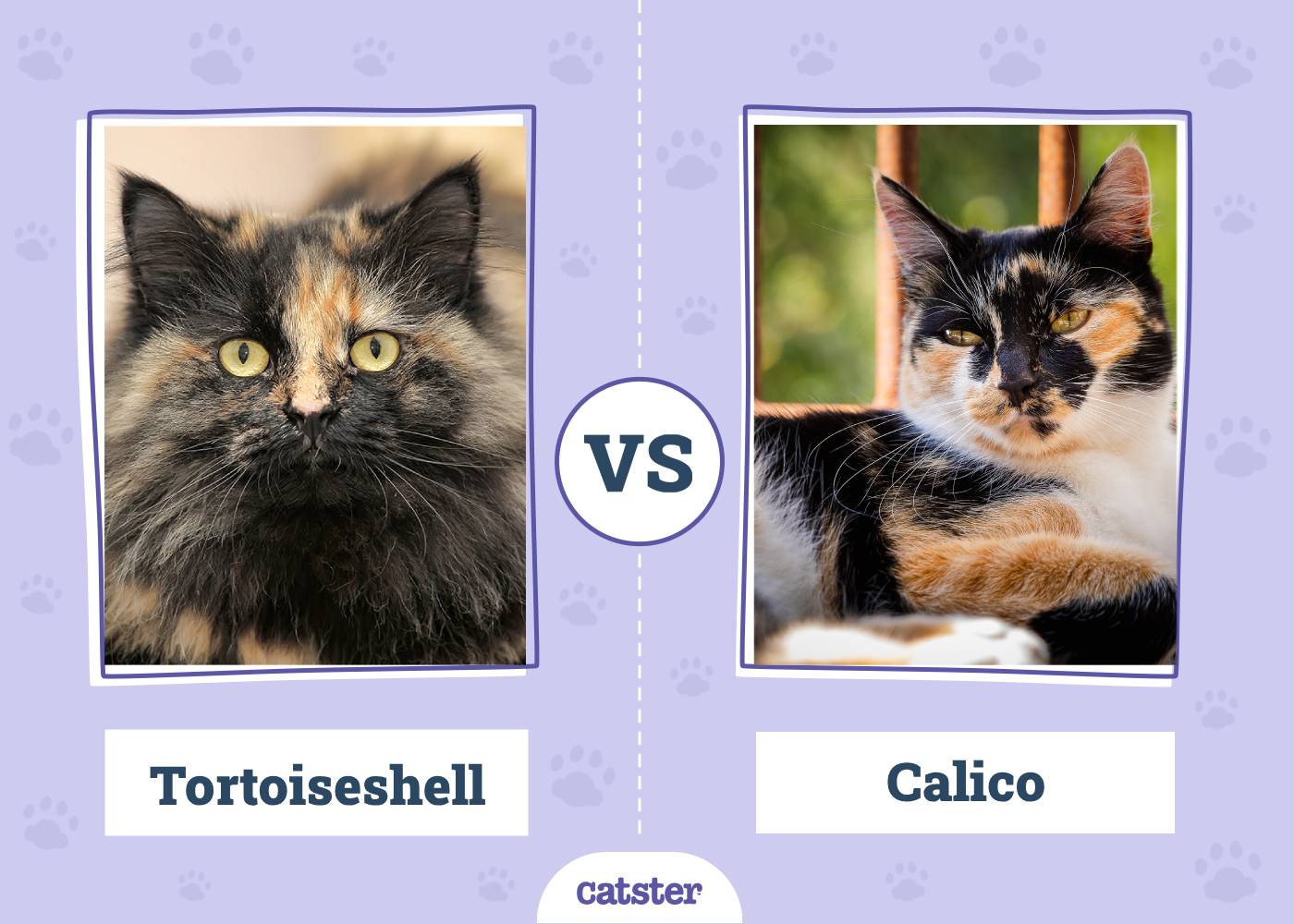
Tortoiseshell cats are cats with beautiful and unique bi-colored, sometimes tri-colored, coats that are often black and orange or brown and gold, sometimes with white sprinkled in. Most tortoiseshell cats are female, and it’s extremely rare to find a male tortoiseshell cat, as the coat color gene is found in the X chromosome. Since female cats have two X chromosomes, they can inherit a different color from each chromosome, which results in the tortoiseshell pattern.
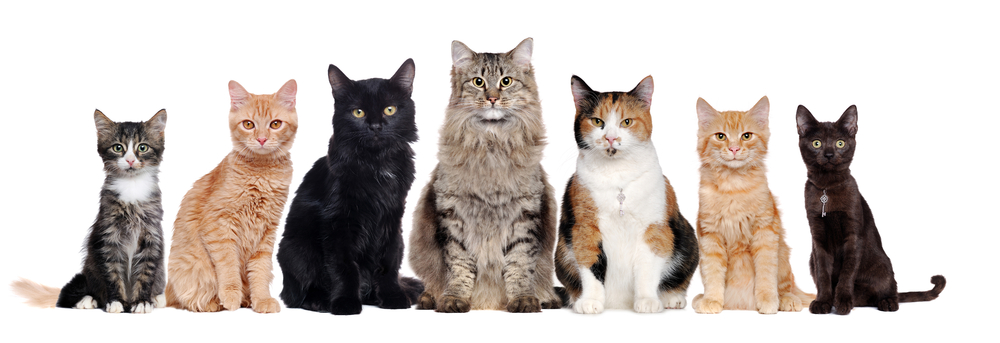
Since the term “tortoiseshell” refers to a specific coat marking that’s caused by chromosomes and genetic makeup, almost any breed can have a tortoiseshell coat1. Here are the most well-known cat breeds that you can find with the tortoiseshell markings.

The 10 Tortoiseshell Cat Breeds
Please Note
1. American Shorthair

The American Shorthair is a common and popular cat breed. They’re often easygoing and suitable for inexperienced cat owners. These cats are known to be fairly adaptable and well-balanced. They’re independent, but they also tend to develop strong loyalty ties to one or two people in their families. They’re playful, but they’re not needy and won’t constantly demand your attention.
Although American Shorthairs are usually quiet, they’re not so independent that they won’t interact with you. They enjoy being around their families and don’t have a hard time living with other cats and pets.
2. British Shorthair

British Shorthairs are known to be fiercely loyal and selective with their attention. While they’re affectionate to their family members, they may take a good amount of time to warm up to new people. The British Shorthair is the type of cat that will be present and playful when they’re just with their family. However, they may prefer to hide or remain out of sight if guests are in the home.
British Shorthairs are medium-energy cats. So, they’ll enjoy playing with you, but they aren’t often very demanding of your attention. They make pleasant companions that simply enjoy being in the same room as their family members.
3. Burmese

Burmese cats are known for their intelligence and sociability. Some can have dog-like personalities and enjoy playing and learning tricks. Burmese cats are also curious and confident, and many owners have had success with having them adjust well to living with other cats and dogs.
Since they’re pretty social, they don’t do well being by themselves for too long. They can usually be found waiting by the door when their owners come home and will follow them from room to room. They’re also not known to be shy around strangers. Their curiosity often gets the best of them, and they’ll often end up engaging and playing with any new people they meet.
4. Cornish Rex

Cornish Rexes have a distinct appearance and unique coats. While most cat breeds have three layers in their coats, Cornish Rexes have a single layer of soft curly hair. Since they don’t have as much hair as most other cat breeds, they’re often found seeking warmth and often appreciate a heating pad, hot water bottle, or wearing a sweater.
Cornish Rexes have playful and fun personalities and are intelligent and easy to train. They’re usually sociable and like being around people, and they can learn to live with many other different kinds of pets.
5. Japanese Bobtail

Japanese Bobtails have playful and loving personalities, and they enjoy being around people. They’re highly intelligent and will appreciate playing games and engaging in various enrichment activities that encourage them to use their brains.
These cats are also often good with children and can learn to live harmoniously with other cats and pets. They can either have long or short coats, and both types of Japanese Bobtails are capable of having tortoiseshell patterns.
6. Maine Coon

Maine Coons are known as the gentle giants of the cat world. They’re a confident and independent breed while also being affectionate with their families and patient with children. Maine Coons are highly intelligent and can be playful, but they’re also easygoing and adaptable. These traits make them wonderful companions for first-time cat owners. It’s just important to keep in mind that they can grow to become quite large. So, it’s important to adjust your living space and ensure that they have enough room to exercise and move around.
7. Persian

Persians are loyal cats who are highly docile and affectionate with their families. However, they may choose to shy away from strangers and act more aloof around them. They’re a bit selective with their trust, and it can take some time for them to warm up to people.
Persians are usually calm and quiet, but they do have spurts of playful energy throughout the day. These cats are known to be lap cats that would love nothing more than to sit on you or near you and eventually take a nap.
8. Ragamuffin
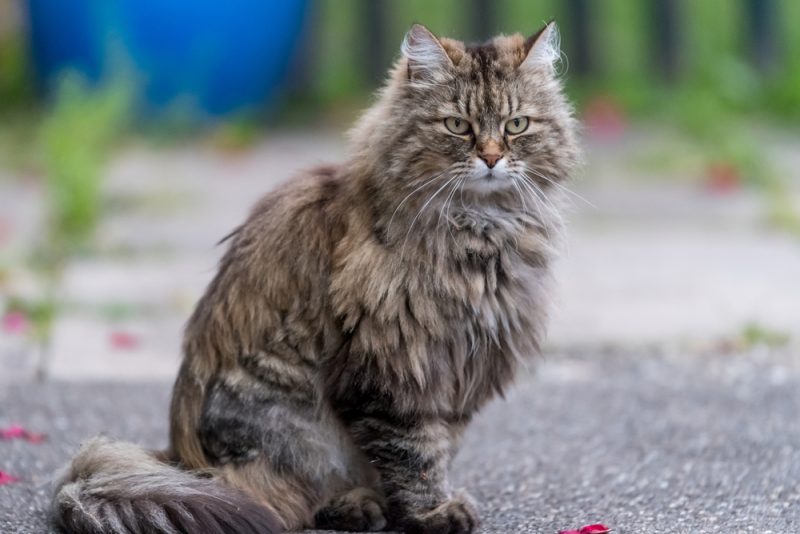
The Ragamuffin is a large cat breed, and they can grow to weigh up to 20 pounds. They’re gentle and easygoing and tend to have a lot of patience around children. These cats tend to be social, and while they may not want to be in the middle of the action, they still enjoy being around people. They’re highly adaptable and are a good breed to consider if you have other pets in the home.
9. Scottish Fold

Scottish Folds are most known for the unique shape of their ears. They’re pretty rare, so it’s an extra treat to see one with a tortoiseshell coat.
These cats love being around people, but they’re not very demanding of attention. They’ll love cuddling and receiving pets, but they’ll also be perfectly content just being in the same room as you while you work. Scottish Folds are adaptable; they usually get along with other pets and are patient with children.
10. Siamese

While Siamese cats are most known for their colorpoint coat markings, you can still find some with tortoiseshell patterns. These cats are known to have bright personalities and love being the center of attention. They’re usually playful and vocal with their families, but they can be a little shy and reserved around strangers. It can take them some time to warm up to new people, but once they do, their playful and entertaining personalities will inevitably emerge.
Wondering which of these breeds your tortie takes after? Scan a photo with our cat breed identifier to see the closest matches.
Conclusion
Many wonderful cat breeds can have tortoiseshell coats. This beautiful coat pattern isn’t uncommon, so you can easily find tortoiseshell cats in animal rescues and adoption centers that are ready to be adopted.
Since there are many different kinds of tortoiseshell cats, make sure to do research on specific cat breeds before bringing one home. Finding a cat that matches your lifestyle will ensure that both you and your new cat can live harmoniously and share many happy memories together.
You might also like:
Featured Image Credit: Imaza Images, Shutterstock

Expert cat care, straight to your inbox
Vet-reviewed advice, behavior tips, and the best of Catster. Free, and you can unsubscribe anytime.
By signing up, you agree to our Terms & Conditions and Privacy & Cookies Policy.
Jessica is a freelance writer who spends most of her day researching and writing while her fluffy Cavapoo, Nora, naps beside her. She loves and appreciates pets and animals because there’s so much to learn from them, and they do so much for people. As a dog owner, she understands the special connection that pet owners form with their pets. She loves sharing helpful information that people can use to better understand their pets. When she’s not writing, you can find her walking dogs, tending to her plant babies, or drinking her nth cup of coffee.
Join the conversation
Ask a question, share your story, or send private feedback.