Can Cats Eat Cool Whip? Vet-Approved Nutritional Facts & Safety Tips


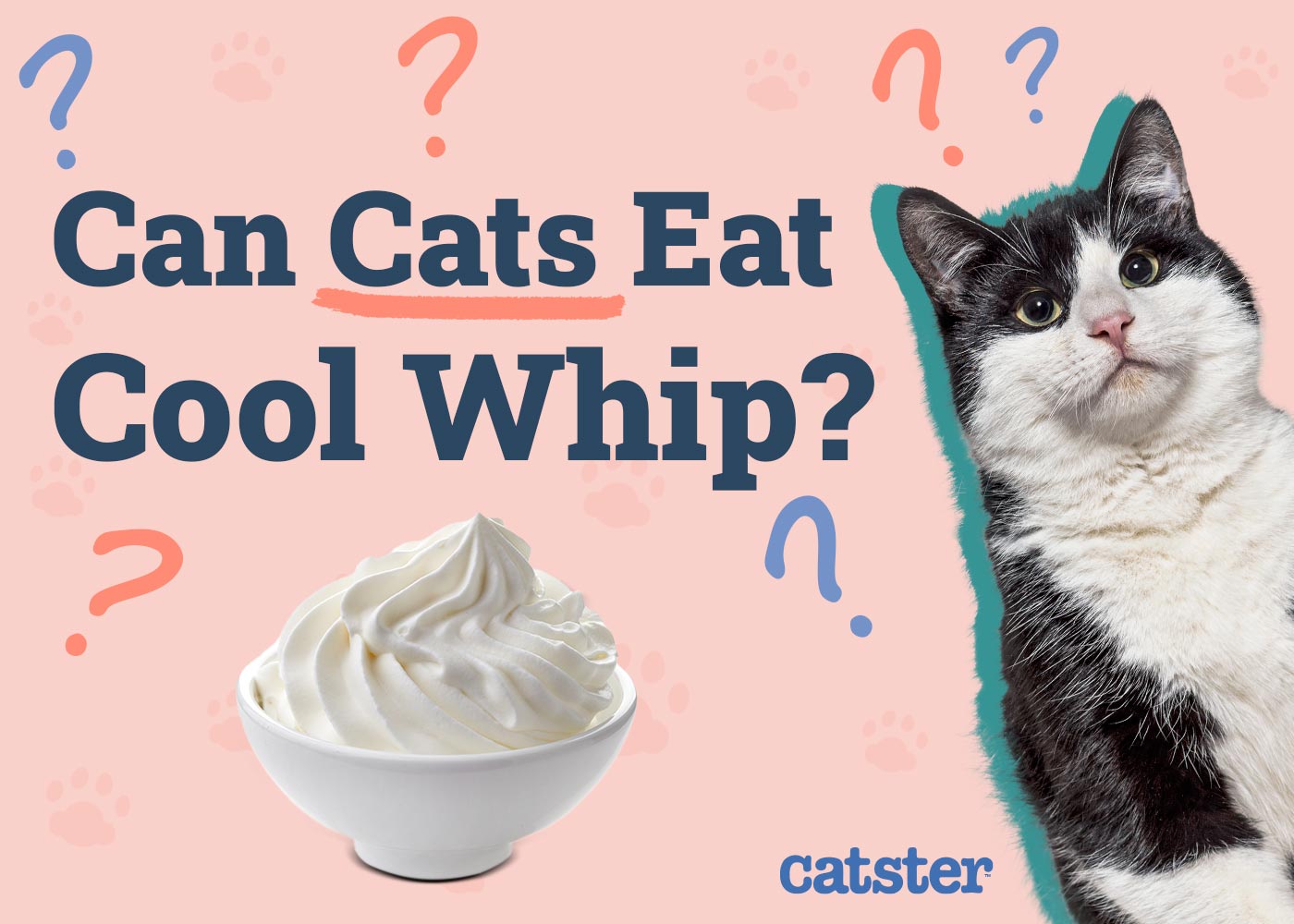
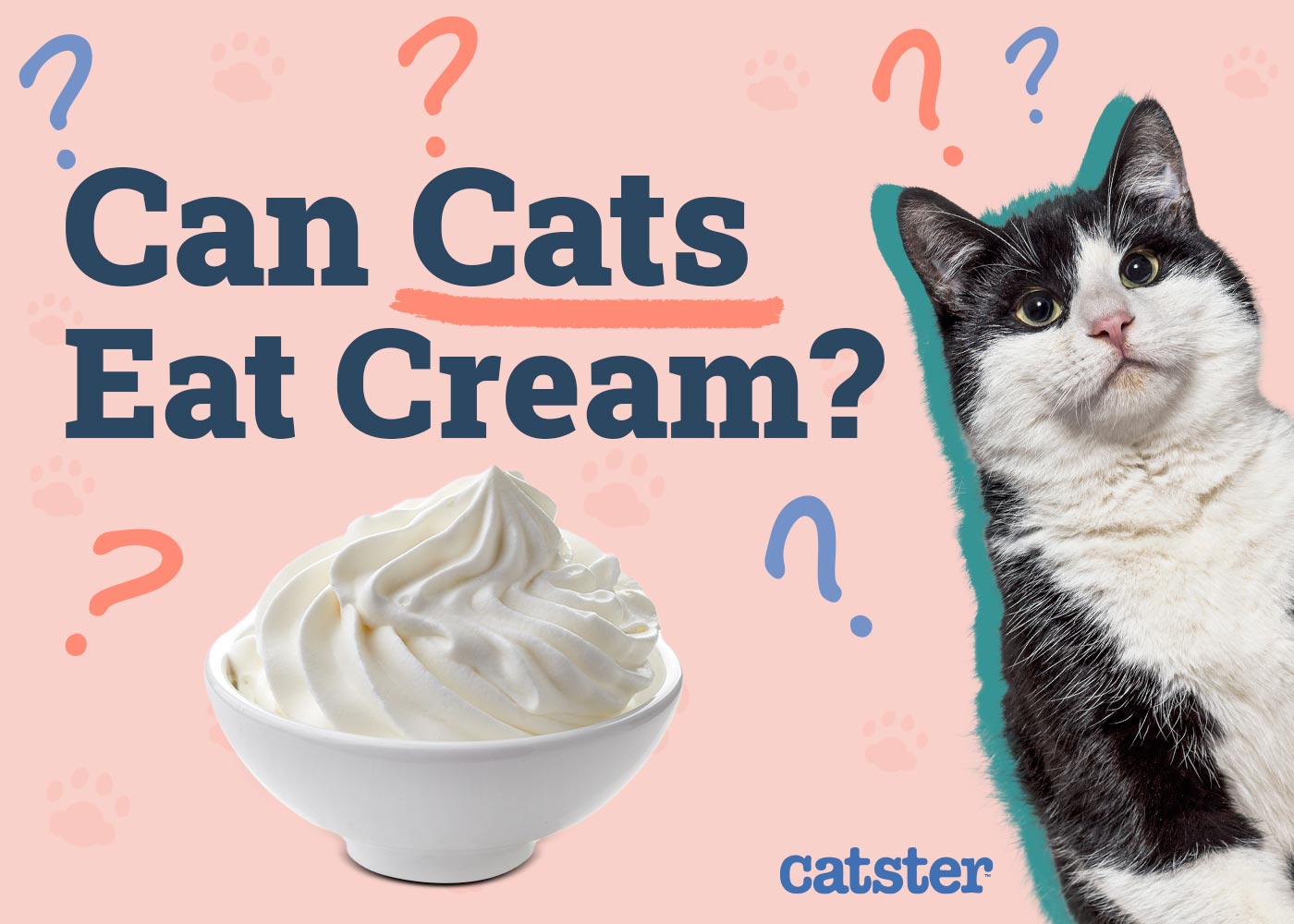
If your cat accidentally snacks on some cool whip, then they will likely be fine. Cool whip is not toxic for cats and will not cause problems in small amounts. Therefore, if your cat breaks into your pie, there is no need to rush them to the vet.
However, that doesn’t mean that you should regularly feed your cat cool whip. Cool whip mostly contains hydrogenated oils and plenty of sugar—none of which are good for your felines. Therefore, it isn’t something that you should give your cat on a daily basis. It isn’t exactly healthy, but it is not going to make them sick, either.
It does contain dairy, which can upset your cat’s stomach as most cats are intolerant to dairy. Therefore, while dairy won’t cause serious problems, it may upset your cat’s stomach. Cats can digest dairy better as a kitten, but they usually grow out of this by the time they reach adulthood.

Can I Give My Cat Whipped Cream?
Whipped cream is basically the same as cool whip. Therefore, most of the same statements apply.
Whipped cream is not toxic for cats. It is mostly made up of dairy and sugar—both of which your cat can have without serious consequences. However, you should not feed your cat these things regularly.
Sugar is not necessary for your cat’s diet and can lead to obesity and similar problems. Just like people, there is no nutritional value to sugar for cats. It is a filler food that doesn’t provide any vitamins and nutrients. However, it does provide plenty of calories, which is why it can lead to unwanted blood glucose spikes and, if offered repeatedly, will eventually cause obesity.
Dairy is well-loved by many cats. However, it is not necessarily good for them. Plus, many cats cannot digest dairy properly once they reach adulthood and it can often upset their stomach. Most cats aren’t blatantly allergic to dairy, but it will cause stomach upset and diarrhea in many cases.
Based on all this information, you probably do not have to rush your cat to the vet if they accidentally consume some whipped cream. However, we do not recommend feeding it to your cat, either.

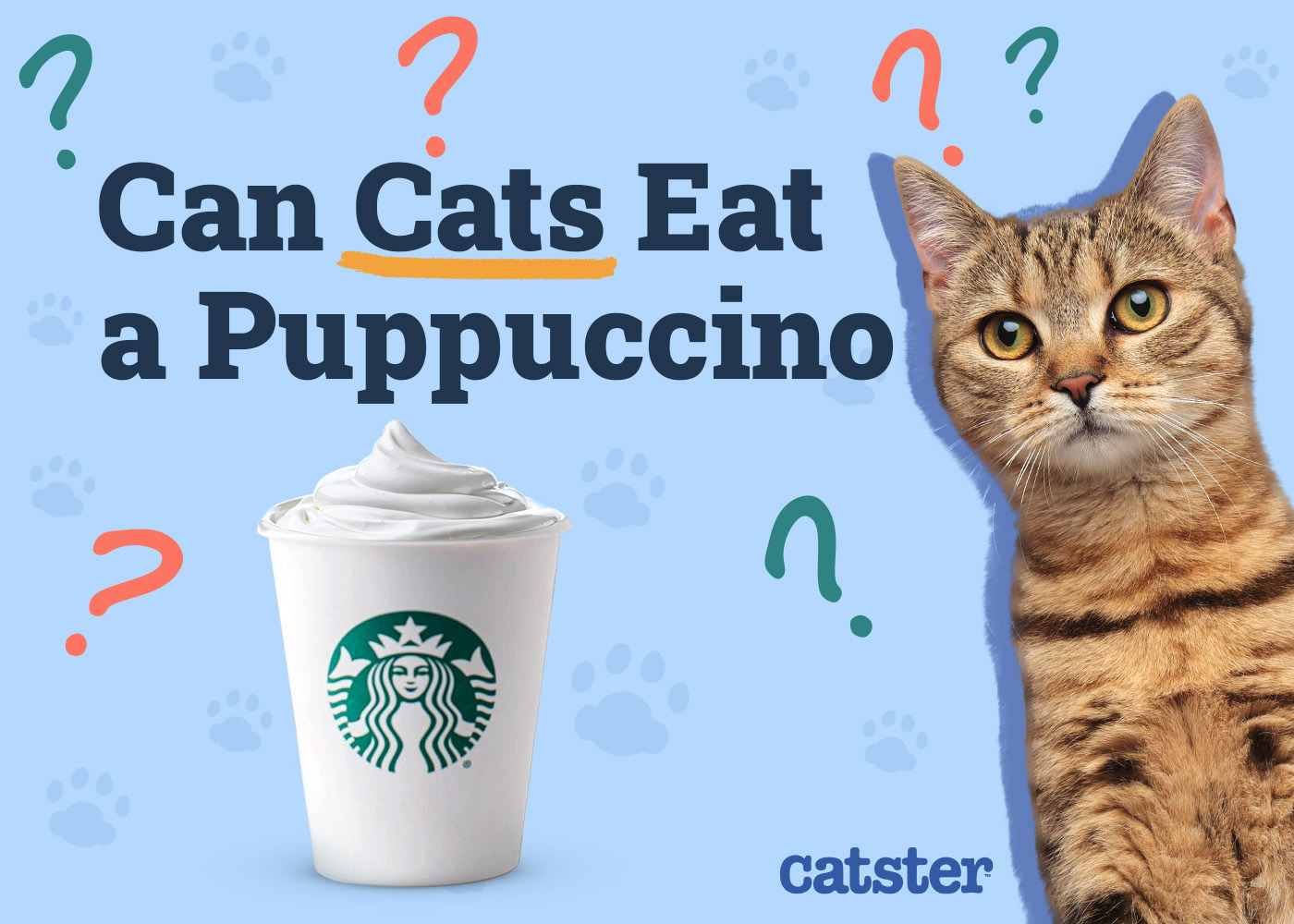
Is a Puppuccino Okay for Cats?
A Puppuccino or Pup Cup is a small cup of whipped cream that you can get from Starbucks. It is commonly marketed towards dogs as a treat for them when you go through the drive-through. However, many people may also want to give them to their cats.
A pup cup is basically just whipped cream—it’s just specifically Starbucks-brand whipped cream. Therefore, it usually has the same ingredients as your average whipped cream (however, the recipe may vary). Obviously, this can be a problem for just about anyone who eats it, including your cat.
As we stated above, many cats cannot digest dairy appropriately, so they may have a negative reaction to whipped cream. Furthermore, they do not need all of the sugar. Sugar only provides empty calories, which can lead to all the health problems that come with that.
Plus, you also have to consider the size of your cat in comparison to a Puppuccino. While a Pup Cup may not be terribly bad for a large dog (because it is so tiny compared to the dog), that is a different story for your small domestic cat. A pup cup is quite large compared to your feline, so they are getting a larger percentage of their calories from this sugary dairy treat.
Of course, cats may have a stronger reaction against the dairy in a pup cup, especially if they are very lactose intolerant. Larger dogs may eat one without a problem because they are so much larger than your cat.
Can Cats Eat Sugar-Free Cool Whip?
One of the main problems of feeding cool whip to your cat is the sugar. However, a sugar-free cool whip doesn’t have any sugar at all. Therefore, many people may consider it a better option for your feline.
However, this type of cool whip usually includes corn syrup, which is just as unhealthy for cats. While this sugar is not as high as in normal cool whip, it is still there. As we are considerably large (in comparison to our pets), the amount of sugar is hardly anything to bat an eye at.
With that said, our cats are much smaller. Therefore, even the small amount of sugar inside the corn syrup can have a negative effect on their diet. That also doesn’t take into account that cool whip still includes dairy, which can upset your cat’s stomach. It may not include high amounts of sugar like other types of cool whip. However, it does include high amounts of dairy.

What Human Foods Can You Give Your Cat?
While Cool Whip may be off the table, that doesn’t mean that all human foods are not okay for cats to eat. In fact, there are some foods that are perfectly fine for cats to eat in small amounts, such as:
- Chicken
- Beef
- Veal
- Chevon
- Lamb
- Cooked fish
- Turkey
- Duck
Please note that cooked bones are not safe for cats. In addition, the skin of most cooked meats should be removed prior to being fed to your cat. Meats prepared for cats should not be seasoned. Meats offered to your cats this way should be considered treats.
The only exception to this is carefully formulated home-cooked meals, which may be helpful for some felines. However, you should make these diets by talking to a vet and using a vitamin supplement to ensure your cat’s diet is complete. Your feline cannot just live off of something you randomly cook in your kitchen.
Though many fruits and vegetables are safe for cats, they are generally not nutritionally meaningful for them and most veterinarians advise against adding them to your cat’s diet.
Conclusion
You should not feed your cat high amounts of whipped cream or cool whip, as it can cause stomach upset and similar problems. Your feline may be sensitive to dairy, for instance, which can cause vomiting and stomach upset. Most cats stop digesting dairy efficiently in adulthood—even if they are perfectly fine with it in kittenhood.
Cool whip is also high in sugar, which is not healthy for cats. It is only empty calories, which is not healthy in the least. We do not recommend feeding cats any amount of cool whip for this reason. However, if your cat sneaks some or licks some of the floors, there is likely no reason to panic.
Cool whip is not toxic to cats, but it is not healthy, either.
See Also:

Expert cat care, straight to your inbox
Vet-reviewed advice, behavior tips, and the best of Catster. Free, and you can unsubscribe anytime.
By signing up, you agree to our Terms & Conditions and Privacy & Cookies Policy.
Kristin is passionate about helping pet parents create a fulfilling life with their pets by informing them on the latest scientific research and helping them choose the best products for their pets. She currently resides in Tennessee with four dogs, three cats, two fish, and a lizard, though she has dreams of owning chickens one-day!
Join the conversation
Ask a question, share your story, or send private feedback.