Why Did My Cat Throw Up? 8 Vet-Reviewed Likely Reasons


In this article
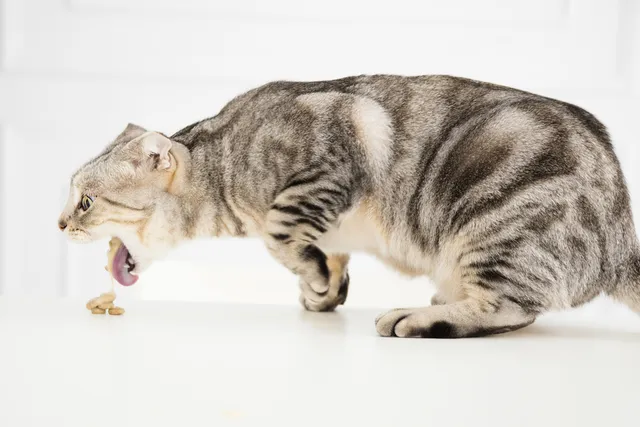
When your cat throws up, it can send your mind into overdrive: What’s going on? Do I need to take them to the vet? What can I do for them? The solution starts with identifying why your cat is vomiting in the first place. There are a few different reasons that they could be throwing up, and not all of them warrant a trip to the vet.
So, keep reading, and we’ll help you figure out what’s going on and get your cat feeling better in no time.

The 8 Reasons Why Cats Throw Up
1. Hairballs
| Seriousness | Low |
| Likelihood | Common |
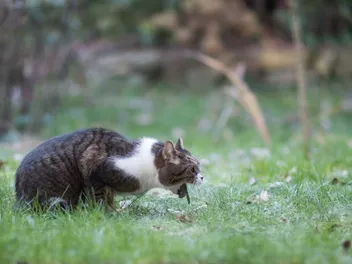
Hairballs are normal occurrences for your cat, and while it can be uncomfortable to watch, there’s typically not much to worry about. Cats do this to clear out any hair or other materials that they ingest while licking themselves. While most of this hair will pass through their digestive tract, sometimes there’s just too much, and your cat’s body regurgitates it as a hairball.
However, while some hairballs are normal, if your cat is vomiting up more than one hairball a week, you should consider changing their diet or taking them to a vet to see what’s going on.
Pros
- Normal occurrence
- Usually doesn’t make much of a mess
- Can be managed with regular grooming
Cons
- You can’t stop it completely
2. Eating Too Much Too Quickly

| Seriousness | Low |
| Likelihood | Common |
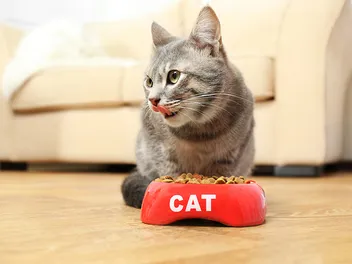
Cats can be just like us, and sometimes they’re just too quick to scarf up their food. If this sounds like your cat, there’s a good chance it’s what is causing them to vomit. Try slowing down their food intake by giving them less at a time and spreading out their meals throughout the day. You can also try a unique pet food bowl that forces them to slow down while they’re eating.
Either way, if this is what your cat is going through, it’s a preventable problem and not something that you should have to deal with for too long!
Pros
- Treatable
- Not a serious condition
Cons
- Can be frustrating to deal with
3. Food Allergies
| Seriousness | Medium |
| Likelihood | Common |
Some cats can’t tolerate different foods, and if you just switched your cat’s food and they’re acting up, that’s likely what’s going on. It’s a treatable condition because all you need to do is change their diet, but it can be frustrating trying to find something that works for them.
Also, sometimes the special diets that they need to avoid their allergies can be expensive, and it’s a lifelong condition that they’ll have to deal with. If you can’t figure out the specific food allergy that is irritating your cat, you might need to take them to the vet to figure out what’s going on.
Pros
- Treatable
- Usually not a serious problem
Cons
- Special diets can get expensive
- May require a visit to the vet
4. Ate Something That They Shouldn’t Have

| Seriousness | Medium to severe |
| Likelihood | Common |
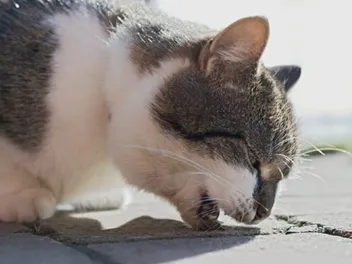
It doesn’t matter how often we shoo our cats away, sometimes they start chowing down on things that they should avoid. If you have a cat that likes to eat non-food items, it could easily cause vomiting.
The seriousness of the situation entirely depends on what they ate. Something like grass isn’t a huge concern, though it will induce vomiting, while other objects can block their digestive tract or lead to more severe side effects.
Pros
- Preventable condition
Cons
- Must hide all the things that they might eat
- Serious if they eat the wrong thing
5. Intestinal Parasites
| Seriousness | Severe |
| Likelihood | Common |
If you have an outdoor cat or if your cat ate raw meat, they might have an intestinal parasite problem. This is a frequent occurrence for outdoor cats, but it’s rare for indoor ones.
Either way, it’s a treatable condition, but they will need a vet visit and the right medication. It can quickly escalate into a far more serious condition without treatment.
Pros
- Treatable condition
- Once treated, it doesn’t come back often
Cons
- Requires medical treatment
6. Inflammatory Bowel Disease

| Seriousness | Medium to severe |
| Likelihood | Uncommon |
Inflammatory bowel disease, also known as IBS, is a condition that can lead to your cat vomiting and having diarrhea throughout the day because they can’t handle the food that they’re consuming.
If you have a cat with IBS, you should take them to a vet for specific guidance on how to get your cat’s condition under control. Chances are that they’ll need a specific diet, and it’s likely to cost more than regular cat food.
Pros
- Treatable condition
Cons
- Lifelong condition
- May require an expensive diet
- May require extensive diagnostic testing
- May require medication during flare-ups
7. Poisoning
| Seriousness | Severe |
| Likelihood | Rare |
While intentional poisoning of a cat is rare, it can happen. However, what’s more likely is that your cat ate something poisonous to them. These can be items like chocolate or household plants.
If you suspect that your cat has ingested something poisonous, you need to take them to a vet as soon as possible for treatment. However, the good news is that once you treat it, it shouldn’t happen again!
Pros
- Usually a one-off condition
Cons
- Serious condition
- Requires immediate medical attention
8. Cancer

| Seriousness | Severe |
| Likelihood | Rare |
There’s no doubt that cancer is the worst-case scenario among the reasons that your cat is vomiting, but you can take solace in the fact that it’s a condition that typically only affects older cats. Still, there’s no denying that it’s a potential cause.
For a proper diagnosis, you’ll need to take them to a vet, who will go over all the possible treatment options.
Pros
- None
Cons
- Serious condition
- Requires expensive medical treatment

When Should I Be Concerned About My Cat Vomiting?

Anytime that your cat is throwing up repeatedly is a cause for concern. If they only vomit once, twice, or even three times, you’re probably fine. However, if it happens any more than that, you should reach out to a vet.
In addition to repeated vomiting, if any of these symptoms are present, you should take your cat to the vet immediately:
- Vomiting blood
- Pain or distress
- Blood in stool
- Fever
- Weakness or lethargy

How Can I Treat My Cat for Vomiting at Home?
The first thing that you need to do if your cat is vomiting is to remove their food source for about 12 hours. During this time, only give them access to about 1 tablespoon of water every 30 minutes, or provide them with access to an ice cube.
For the next 12 hours, only give them small amounts of bland cat food. Slowly up the amount until they’re back to their regular feeding schedule. If they resume vomiting after eating, you should take them to a vet for further evaluation.
Call your vet so they can give you more advice and tips on how to help your cat.
What Does Hairball Vomit Look Like?
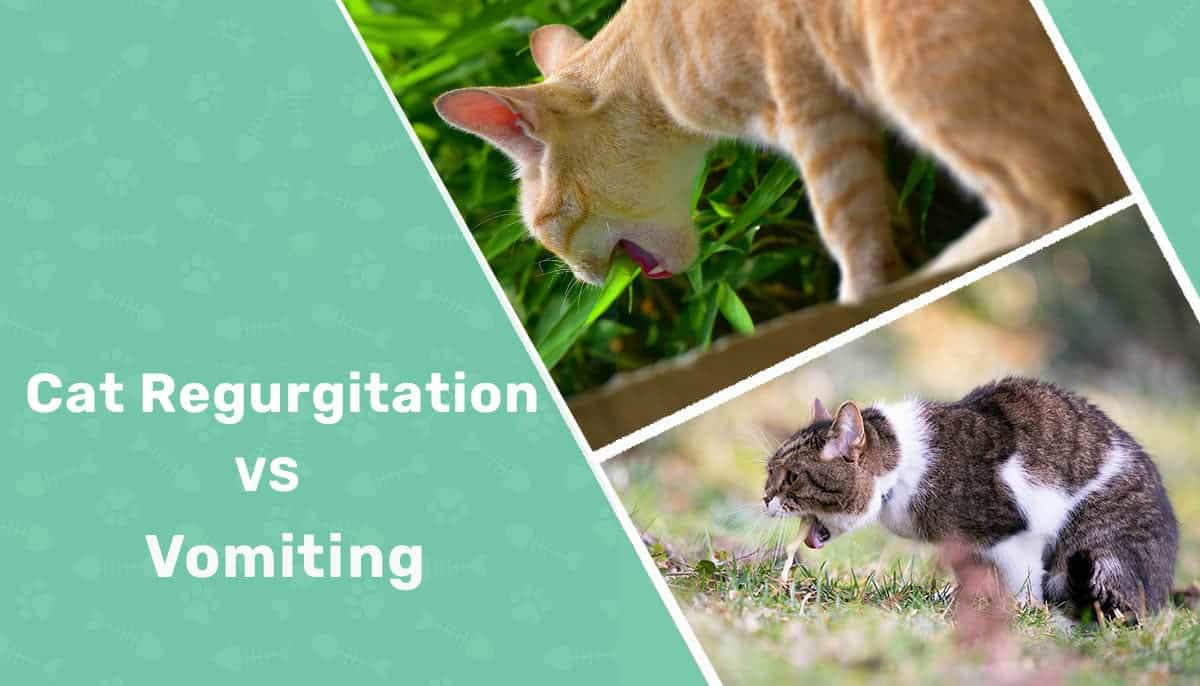
If your cat is vomiting and you’re unsure if it’s a hairball or something else, the easiest way to figure it out is to look at it. While it’s a bit unpleasant, it’s usually easy to tell the difference.
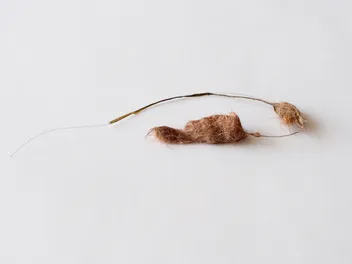
Hairball vomit looks like a wad of fur tightly bunched into a cylinder-type shape due to traveling up through their throat, but other shapes are fine too. Keep in mind that while it’s mostly hair, it’s still going to be wet.
Our Favorite Enzyme Cleaner
The Hepper Advanced Bio-Enzyme Pet Stain & Odor Eliminator Spray is our favorite enzyme cleaner out there. It permanently removes even the very worst kitty stains and smells, leaving your home fresh and clean! Click here to learn more about this amazing product and get yourself a bottle.

- ADVANCED ENZYMATIC CLEANER - Penetrates the most stubborn smells and stains at the deepest molecular levels to dissolve any pet mess you encounter and lift it away at the source.
- FOR ANY MESS, ON ANY SURFACE - This pet odor eliminator cleans your carpets, floors, furniture, fabrics, and more. Whether it's urine, feces, vomit, or drool, you can erase all foul spots and smells!
- FRESH, NATURAL ODOR - Our unique formulation doesn't rely on dangerous or unpleasant chemical fragrances to get the job done. We eradicate smells and stains, not just cover them up.
At Catster, we’ve admired Hepper for many years, and decided to take a controlling ownership interest so that we could benefit from the outstanding products of this cool cat company!

Conclusion
Nobody likes to see their furry friends get sick, but if you own a cat, it’s only a matter of time until you see them vomit. Now that you know what to look for and common causes, you’ll know if you can treat the problem yourself or take them to the vet!
See also:
Featured Image Credit: chie hidaka, Shutterstock
Expert cat care, straight to your inbox
News, insights, and useful advice, delivered to you.

No spam — unsubscribe anytime.
By signing up, you agree to our Terms & Conditions and Privacy & Cookies Policy.
How useful was this post?
Click a star to rate. You can leave written feedback afterwards. (We read all feedback.)
Christian started writing for a local newspaper as a teenager, and he's been involved in the publishing industry for most of his adult life. Combining his love of writing with a passion for animals, he is currently the Director of Editorial at Pangolia and the Editor-in-Chief at Catster.
Christian lives in the Philippines with his wife, son, and four rescue cats: Trixie, Chloe, Sparky, and Chopper.