Get

In Your Inbox

Catster is reader-supported. When you buy via links on our site, we may earn an affiliate commission at no cost to you. Learn more.

5 Homemade Cat Food Recipes (Vet Approved)

Share

Homemade Cat Food Recipes

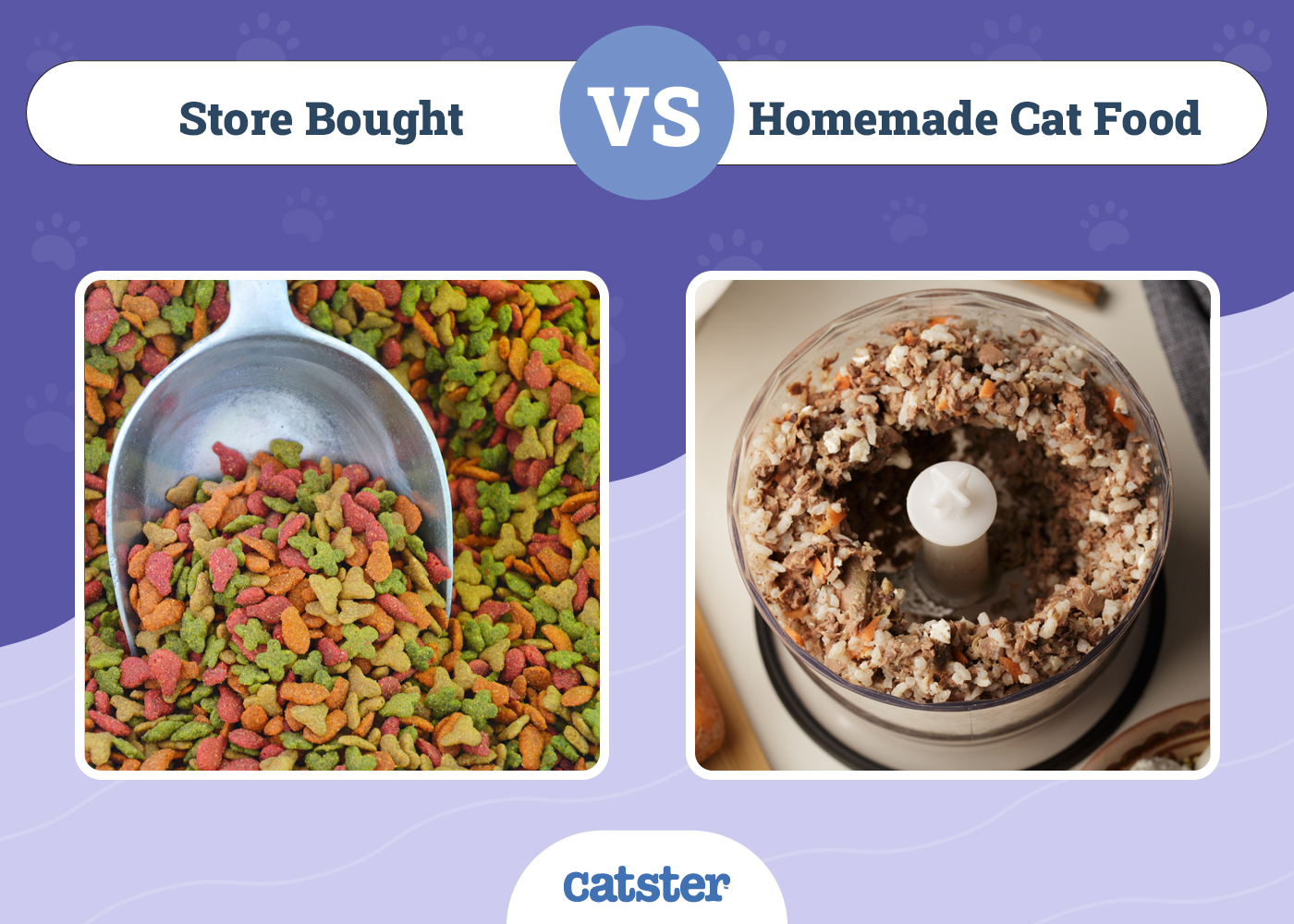
If you’re worried about what goes into your cat’s food, making it yourself can seem like the perfect solution. However, creating a nutritionally complete and balanced diet for cats is far more complex than it appears. Cats have very specific dietary requirements that are difficult to meet without expert formulation, which is why most pet parents rely on commercial diets developed to meet established nutrient standards for this species. Homemade recipes can still be a wonderful way to offer variety or special treats, just be sure to understand that these should not be fed daily unless they have been properly formulated or balanced by a board-certified veterinary nutritionist specifically for your cat.

divider 1 paws

Important Homemade Cat Food Considerations

If you are committed to the idea of homemade cat food, there are some important things to keep in mind:

  • Cats are obligate carnivores – they need to eat meat, and a lot of it. The majority of a cat’s diet should consist of animal protein in various forms. In the wild, cats will consume the meat, cartilage, organs, skin, and marrow from their prey, and just feeding them muscle meat will lead to nutrient imbalances and deficiencies.
  • Cats need taurine – this amino acid is essential to feline health and function, and they cannot generate sufficient amounts themselves. They obtain this amino acid from eating meat, organs, and entrails. They need to consume 250 to 500 mg of taurine per day.
  • Cats need fat – cats need to consume foods containing around 9-15% fat on a dry matter basis, depending on their lifestyle and activity level.
  • Cats need little or no carbs – in the wild, cats don’t really consume carbohydrates, but our pets will often benefit from some indigestible fiber in their diet to help promote healthy bowel function and prevent constipation.
  • Cats need calcium – to mimic the calcium sources they would encounter in the wild, bone meal or crushed eggshells can be added to the food, but only in precise amounts calculated to maintain the correct calcium-to-phosphorus ratio.

Different cats will need different ingredients, depending on their age, breed, lifestyle, and health. If you are thinking of starting your cat on a homemade diet, it’s best to talk to a vet first to make sure you have everything covered.

divider 1 paws

The 5 Homemade Cat Food Recipes

Preparing cat food with the ingredients you find in your kitchen is a simple way to ensure your cat receives a healthy and delicious treat. This homemade food for cats includes various types of meat, veggies, grains, and supplements to keep your cat nourished and satisfied! We will not be including any raw food recipes due to the risk of pathogen contamination from uncooked meat, but we do recommend gently cooking ingredients to retain nutrients.

These recipes have been approved by a veterinarian because they include only cat-friendly ingredients; however, some of these recipes are not complete and balanced diets to feed your cat on a daily basis. These recipes are a great add-on to your cat’s diet. They are only meant to be fed on occasion and not as a regular staple diet. Please consult your veterinarian to help you decide what is the best diet for your cat.

1. Our Favorite Easy Salmon Cat Food

Salmon

Salmon Cat Food Recipe

This recipe is sure to be an excellent choice for most cat owners as it is free of gluten, dairy, sugar, nuts, and soy and is freezable. Plus, it's easy to double (or triple) to make enough to keep in your freezer!
Prep Time 5 minutes
Cook Time 5 minutes
Total Time 10 minutes
Servings 6 cups

Equipment

  • Blender or food processor
  • Storage container

Ingredients
 

  • 2 cups cooked salmon boneless
  • 2 tbsp steamed broccoli
  • 2 tbsp fish oil
  • 2 boiled eggs

Instructions
 

  • Combine all of the ingredients in a bowl or food processor.
  • Blend until the mixture is even.
  • Divide your homemade cat food into individual portions.
  • Store leftovers in the refrigerator or freezer.

Notes

Image Credit: CA Creative, Unsplash
Keyword cat food, chicken cat food recipe, home cat food, salmon

2. Tuna Ball Cat Food Recipe

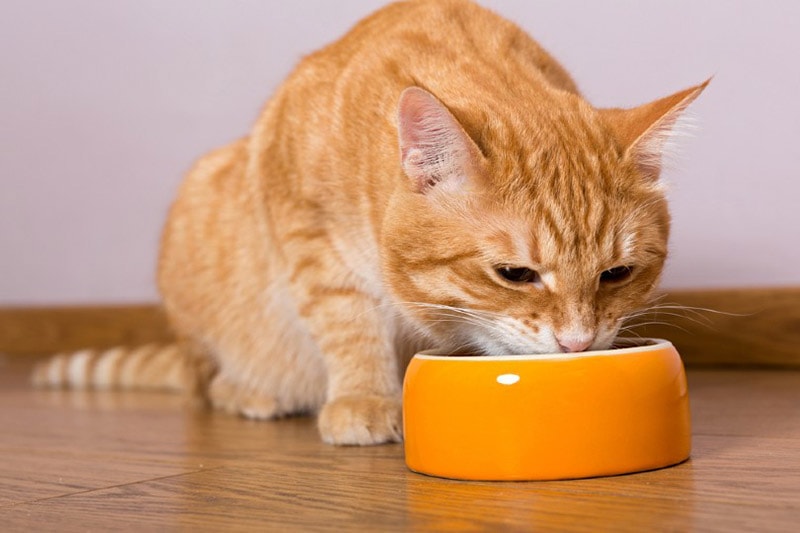
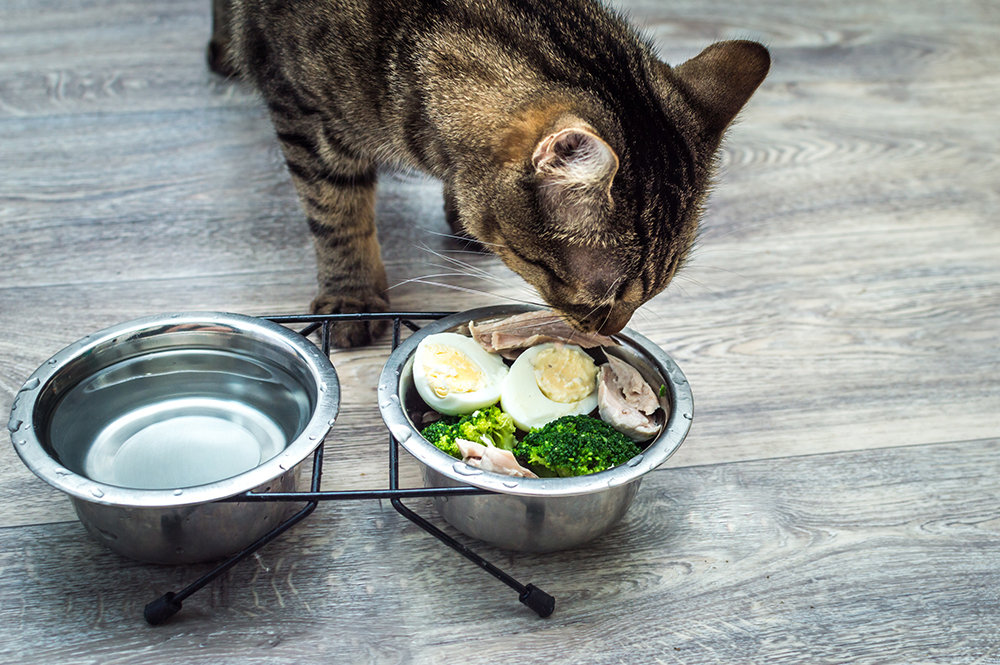
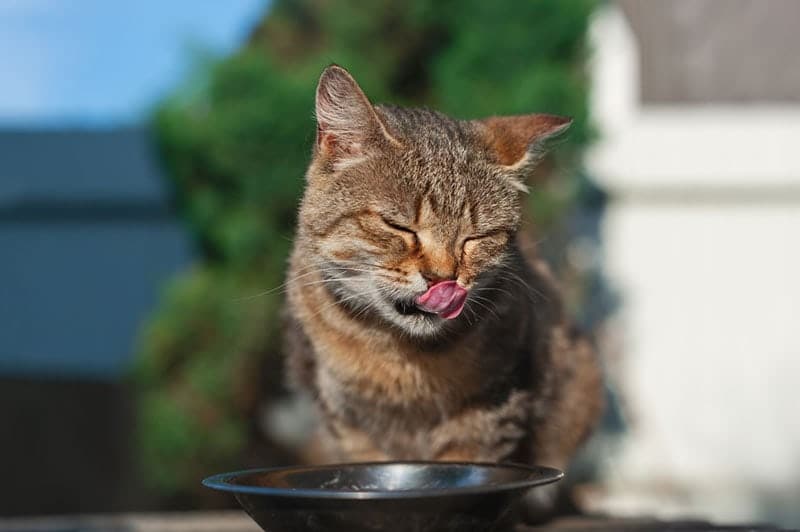
tabby cat eating from metal bowl
Image Credit: LightField Studios, Shutterstock
Ingredients
  • 1 Small can of oil-packed tuna fish
  • 2 tbsp bread crumbs
  • 1 egg, well beaten
  • 1 tbsp of grated cheese
Instructions
  • Preheat oven to 350 degrees.
  • Mash all ingredients together until a paste-like mixture forms.
  • Shape into balls and place on a greased baking tray.
  • Bake for 20 minutes. Check frequently. When they are golden brown and firm, they are ready.
  • Cool before serving.

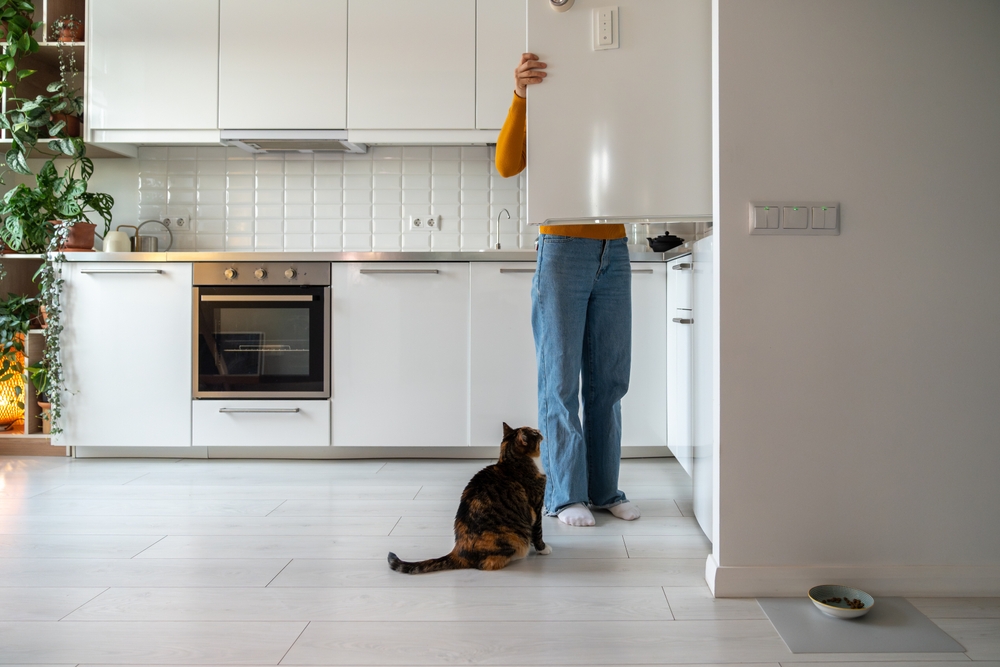
This homemade cooked cat food recipe is one to keep on hand, as your cat is sure to hang around the kitchen and meow at your feet to request more. These ingredients are likely ones you always keep in your pantry, which makes this a simple and easy go-to recipe.

If your cat is on the heavier side of ideal, we recommend replacing the breadcrumbs with ground flaxseed and using tuna in spring water, not oil. Remember that this particular recipe is not a complete or balanced diet, so it is only meant to be served occasionally.


3. Chicken & Vegetables Cat Food Recipe

cat eating chicken and vegetables cat food recipe
Image Credit: Catster.com
Ingredients
  • 1 cup broiled or baked chicken
  • 1/4 cup mashed steamed broccoli
  • 1/4 cup mashed steamed carrots
  • Chicken broth, separated
Instructions
  • Place ingredients in a food processor with tablespoons of the chicken broth.
  • Puree or crumble the ingredients until it resembles pate cat food. Gradually add broth until the mixture is smooth but not soupy.
  • Serve at room temperature.

The cat food recipe includes the classic combination of chicken and vegetables that even your cat will enjoy. You can use an adorable baking mold or ice cube tray to portion and freeze any excess pate!


4. Beef & Cottage Cheese Cat Food Recipe

beef and cottage cheese cat food homemade recipe
Image Credit: Catster.com
Ingredients
  • 2 cups cooked ground beef
  • 1 cup cooked brown rice
  • 1⁄4 cup alfalfa sprouts, chopped fine
  • 1⁄4 cup chopped carrot, cooked and mashed
  • 1⁄2 cup cottage cheese
Instructions
  • In a large skilled crumble ground beef. Cook over medium heat just until cooked through but not browned.
  • Remove from heat. Drain and rinse under hot water to remove excess fat.
  • Cool completely.
  • Return to the pan. Add the cooked brown rice, chopped alfalfa sprouts, carrots, and cottage cheese.
  • Package into individual meals. This recipe should remain good for three days in the refrigerator. Freeze any portions that won’t be used before then.

Finding a recipe as inclusive as this might be difficult. The main ingredient is beef, but it’s rounded out with rice, carrot, alfalfa, and cottage cheese! We’ve halved the ingredient amounts used in the original recipe as it made quite a large quantity.


5. Turkey & Rice Cat Food Recipe

Grilled turkey breast on white plate
Image Credit: Alexander Prokopenko, Shutterstock
Ingredients
  • 1 1/2 cups water
  • 2 teaspoons corn oil
  • 1/2 cup brown rice, uncooked
  • 1/2 pound raw turkey giblets, chopped into kitty-bite-size pieces
  • 1/4 cup carrot, chopped fine
  • 1/2 cup chopped spinach
Instructions
  • Combine oil and water and bring to a boil.
  • Pour rice in boiling water, lower heat, cover and cook for 10 minutes.
  • Stir in turkey giblets, carrot, and spinach.
  • Cover and cook on low heat for another 10 or 15 minutes.

You can make the most of your turkey dinner using the giblets as a fancy feast base for your cat’s meal. These nutrient-rich organs are an excellent choice for your feline’s diet. Your cat will be happy to see the turkey giblets in their dish at dinner time!

divider 1 paws

Our Favorite Product Right Now

Since you invest a lot of time curating the perfect homemade recipes for your cat, it would only make sense to present it in a high-quality, modern bowl to match. Serve your cat in style with the Hepper NomNom Cat Bowl! Dual, stainless steel bowls are wide and shallow for optimum comfort and an elegant wide tray collects crumbs or splashes. Learn more about the NomNom Bowl here.

No products found.

At Catster, we’ve admired Hepper for many years and decided to take a controlling ownership interest so that we could benefit from the outstanding designs of this cool cat company!

Get Free Cat Food Recall Alerts!

Your cat’s health matters. Get instant notifications about cat food recalls here

divider 1 paws

Conclusion

Testing our homemade cat food recipes and finding what works with your pet might be a process when preparing your own cat food, but we hope you see how simple it can be with these great recipes for homemade cat food.

Getting the right balance of nutrients can be tricky, and you should always speak to a vet before heading down the road of homemade cat food. However, these recipes can still be used occasionally, as treats or toppers, when combined with a commercially prepared diet that meets established nutrient standards to ensure your cat stays healthy and happy.

If you’re looking for all the benefits of freshly prepared meals without having to worry about whether or not you’ve got everything right, there are now lots of companies producing fresh-frozen meals for cats. They use human-grade ingredients, gently cooked and then frozen to be delivered to your door. All the benefits of homemade, without the guesswork.

Related Reads:

Want content like this delivered to you?

Sign Up For Our Newsletter

News, insights, expert advice, and everything cat

* By submitting, you agree to our Terms & Conditions and Privacy & Cookies Policy.


How useful was this post?

Click on a star to rate (you can leave written feedback after clicking submit)

Help us improve Catster for pet parents!

Your feedback really matters.

What did you like about this post? Also how can we improve it?

Join the conversation

6 Responses

  1. I'm surprised to see rice in your recipe's – my cat is diabetic and I'd rather avoid the carbs in rice, is there something else I should/could replace that with?

    1. You are entirely right to question the rice, as diabetic cats thrive best on a strict high-protein, ultra-low-carbohydrate diet to prevent dangerous blood sugar spikes! When making homemade food for a diabetic kitty, the absolute best replacement for rice or any grain is simply extra animal protein, such as skinless chicken breast, turkey, or lean beef, which adds bulk and calories without the glycemic load. Alternatively, if the rice was strictly being used to add moisture and a bit of fiber to the texture, you can safely swap it out for a very small amount of pureed plain pumpkin (not pumpkin pie mix) or steamed, mashed zucchini.
      However, please be extremely cautious: changing the carbohydrate or protein levels in a diabetic cat's diet can drastically and instantly lower their blood glucose levels. If you change their food without a vet adjusting their daily insulin dosage accordingly, it can trigger a sudden, life-threatening hypoglycemic crash. Please consult your veterinarian before trying any homemade recipe for a cat on a prescription diet.

  2. why add vegetables to cat food? I cannot imagine a wild cat eating a carrot or cabbage?

    1. Dear Stephen Merritt, in small amounts, they are a source of fiber that can help with digestion or hairballs, as well as a low-calorie filler. Too many vegetables should be avoided.

  3. I have read that feeding cats raw meat and eggs is as dangerous as humans eating them. Also, I have read that you shouldn't add seasoning (salt) to the recipes. What do you think about this? Our cat is allergic to white fish and doesn't like the salmon cat food we've gotten in the past…so I'm guessing she just isn't a good candidate for fish – leaving that out as an option for taurine. Do cats really need taurine? Or is it a scam perpetrated by the cat food industry? Just wondering.

    1. Hi Gina, cats ABSOLUTELY need taurine, they must consume it in their diet. Sources of taurine are animal products. Raw feeding is challenging due to concerns with safe sourcing and preparation, but it is definitively possible, an easier option is to try commercially available products that have high quality and safety standards. Cats can consume salt; if you wish to prepare a recipe for them, we recommend you get a complete and balanced recipe formulated for your cat, you could book a consultation at www.pangovet.com to help you with this.

Leave a Reply

You’re very welcome to leave a comment or question. Please know that all comments must meet our community guidelines, and your email address will NOT be published. Let’s have a positive and constructive conversation.

Recipe Rating


Catster's Digital Magazine is Back!

Vet-approved health & behavior advice

Real cat stories & community features

Your Cat Isn’t Picky – Their Nose Is Just Bored

If you’ve ever sighed while scraping uneaten cat food into the trash, you’re certainly not alone. Many cat owners know the routine: their...

Ask Dr. Paola – Help! My Kitten Won’t Use the Litter Box! (July 27, 2026)

Welcome to our “Ask Dr. Paola” series, where every Monday we bring expert advice straight from Dr. Paola Cuevas (MVZ) to help our...

Chatting with Petra Luna About CatCrazy, Cat Food Ingredients & The Secret of E-Beams | Chatty Cattys, Episode 28

In this episode of Catster’s Chatty Cattys podcast, Nicole and Dr. Karyn welcome back Petra Luna from CatCrazy to catch up on her...

According to Vets, Most Owners Miss These Signs That a Cat is Sick

Cats are famously good at hiding discomfort. It is not stubbornness or indifference; it’s a deeply ingrained survival instinct. In the wild, showing...

More related

Do Burmese Cats Shed A Lot? Vet-Verified Facts & Care Tips

Bringing a cat home to be part of the family is a big decision. Yes, most of us are aware of the basics...

Why Are Cats So Curious? 7 Fascinating Insights

If you have a cat, you’ve probably noticed that they are always interested in your actions. If you open the doors, bring in...

Do Feral Cats Play? Vet-Reviewed Cat Behavior

Feral cats are outdoor cats that have had minimal or no contact with humans and can survive independently or with minimal human intervention....

Orange Persian Cat Breed: Info, Pictures, Origin & History

A Persian is one of the oldest and most interesting cat breeds. Once gracing the lap of royalty, these cats have continued to...

Keep reading

How to Care For a Three-Legged Cat: Expert Tips & Advice

Tripawd, tripod, trilimb—whatever you call them, a three-legged cat is just a different kind of pet. They might need a bit of help to live their best lives, but these animals make as wonderful companions as any full-limbed pet. Whether...

Three-legged cat sitting near the railings

Why Do Cats Follow Strangers? 7 Possible Vet-Reviewed Reasons

Cats are mysterious creatures, and sometimes their behavior is hard to understand. One behavior that often baffles pedestrians is being followed. However, it makes more sense if you look at the reasons why a cat would follow you and decide...

Cat following a person walking

Vitamin B12 for Cats: 7 Vet-Approved Food Sources

Vitamin B12, or cobalamin, is an essential nutrient for cats, having a vital role in multiple key body functions and processes. Cats cannot produce B12 and must get it from their food instead. Keep reading to learn about great food...

cat eating food in the bowl

Why is My Cat Pacing? 8 Vet-Verified Reasons & How You Can Help

It can be worrying if you suddenly start to notice that your cat is pacing. If this turns into a regular occurrence rather than a one-off, it can be a sign that everything isn’t quite right with your beloved cat....

beige fawn maine coon cat on the move walking through the garden

Do Cats Hold Grudges? Vet-Reviewed Feline Behavior & FAQ

Few things are more upsetting to a cat owner than when their pet acts as if they were angry with them after they unintentionally hurt their pet, like stepping on their tail. While hiding under the bed after getting their...

portrait of an emotional angry cat

Senior Cat Wellness Checks & Care (Vet Reviewed)

Whether you adopt a kitten, a young cat, or a feline already in their senior years, eventually you’ll need to care for them when they’re older. While those with younger pets don’t have to worry about this for a while,...

ginger-cat-in-vet-clinic

Are Fiddle-Leaf Figs Toxic to Cats? Vet-Reviewed Houseplants Examined

With over 400,000 different land plant species on our beautiful green planet, indoor plants have become extremely popular. 1 Plants clean the air that you live in, are low maintenance, reduce noise, look nice, and add life to any space....

Catster_Are Are Fiddle-Leaf Figs Toxic to Cats

Can Cats Eat Skittles? Vet-Verified Nutritional Facts & Risks

Like humans, cats love the occasional treat. While we might reach for gummy bears or Skittles when our sweet tooth acts up, the same cannot be said for our feline companions. Not only do cats not crave sweets as we...

Can Cats Eat Skittles

Love Cats? So Do We! Join the Catster Community

Stay informed with expert pet care insights delivered straight to your inbox! Discover professional guidance on animal behavior, feeding tips, trusted product picks, and much more.


Sign up for the Catster Email Newsletter

Stay informed with expert pet care insights delivered straight to your inbox! Discover professional guidance on animal behavior, feeding tips, trusted product picks, and much more.