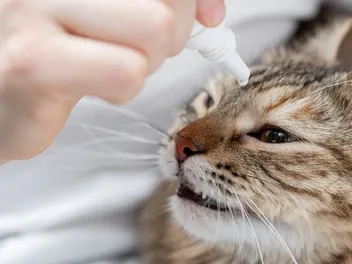
How to Sedate a Cat for Car Travel: 3 Effective Methods & Application Tips


In this article
Preparing for a long-distance car trip with your cat can feel like planning a road trip with a reluctant passenger. Many cats dislike travel, and keeping them calm and comfortable for hours on the road might seem daunting. While sedation might seem like an easy fix, it works best as a last resort for extreme cases.
Most cats can handle travel with the right preparation, similar to how practice helps a nervous driver gain confidence. However, if anxiety overwhelms your cat despite your efforts, your veterinarian may recommend sedation or anti-anxiety medication to make the journey safer and more manageable. In this post, we’ll break down the medications veterinarians use for cat sedation, their side effects, and tips to help you ensure a smoother ride for your feline companion.

What Are Cat Sedatives?
These are medications used to reduce tension and anxiety in cats when traveling. In addition, the sedatives offer physical and emotional stability by relaxing your cat’s central nervous system. As a result, the cat stays calm, submissive and at times, sleepy.

Different Types of Sedatives
There are some sedatives designed for cats. However, it is not always the best choice for all cats since they may cause grogginess, reduced appetite, or, in rare cases, agitation.
Each cat is unique, so before administering the sedatives, it is recommended to seek advice from a vet. Even if some of the medications can be purchased over the counter, it is extremely important to get the correct dosage and make sure your cat doesn't have any underlying medical issues.
Here are some of the sedatives commonly used:
Your veterinarian will recommend the appropriate dosage for your cat and will also let you know exactly when to medicate your cat. Most of these drugs should be provided 1-2 hours before traveling.
What Are the Side Effects of the Sedatives?
The side effects of the sedatives depend on the sedative you give to your cat. However, here are the most common ones:
- Dizziness
- Vomiting
- Hard to breath
- Confusion
- Slow heart rate
- Aggression, etc.
It is important to note that some cats experience adverse reactions, including respiratory depression or heightened anxiety, with sedation. This is why it is only recommended to sedate your cat with your veterinarian’s approval.
Now, let's look at some important considerations and some useful tips.


The 3 Important Considerations & Tips When Sedating Your Cat
There are several alternative methods you can use to sedate your cat for car travel. In this section, we have listed some of them for you to consider. We also include important considerations you should be aware of to help you plan and succeed in your mission.
1. Knowing The Details
When you want to administer sedatives, there are so many things to consider. Things like the cat's weight, age, and health conditions should be top on the list. Meanwhile, you can do the following:
- Visit the Vet. The vet will help you with the prescription and give you the sedatives you are supposed to use. If you opt to buy the sedatives over the counter, seek veterinarian approval for your pet's safety. That way, you will have an idea whether the sedatives you have bought are safe for your cat and the correct dosage. Then, again, the vet will check whether your cat is healthy and can use the sedatives. Ensure you discuss with the vet the duration the trip will take for proper medication.
- Plan and Understand the Timing. Knowing how the prescribed sedative works and how long it takes to take effect is crucial for effective and safe use. Be sure to discuss the specifics with your veterinarian when planning the sedation. Different medications vary in onset and duration; some act more quickly than others. Most oral sedatives take at least an hour or more to show effects. To ensure you administer the sedative at the right time, share your travel schedule with your vet. They can guide you on the optimal timing to give the medication so your cat is calm and comfortable for the journey without the sedative wearing off or taking too long to work.
- Know the Details: Along with knowing the timings it is important to ask you vet important recommendations. It is generally not recommended to offer the oral sedatives with an empty stomach. A little bit of food is usually recommended to avoid nausea, but you must double-check this with your vet.
- Get Familiar with the Sedatives. Before giving your cat the medication prescribed by your vet, it's good to get into the habit of taking some time to understand how it works. Ask your vet any questions you have about the sedative, including how it affects your cat, how long it lasts, and what signs to watch for after giving it. Not all sedatives are the same, and the one your vet recommends is chosen based on your cat’s specific needs. By learning how the medication works and understanding any potential risks, you’ll feel more confident and prepared to keep your cat safe and comfortable during the trip. Don’t hesitate to ask for clear instructions: it’s better to be overprepared (and safe) than sorry!

2. Tips for Giving Oral Sedatives to Your Cat
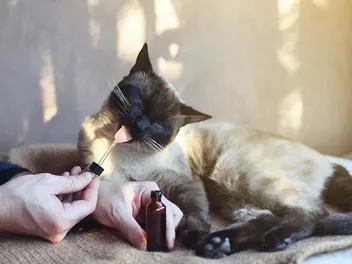
Once your vet prescribes oral sedatives for your cat's travel and you know the proper dosage, you could use these tips to medicate your cat.
- Try a Test Run First. If you plan to give your cat medication for travel, it’s a good idea to test it out at least a week beforehand. This trial allows you to see how your cat reacts to the medication in a safe and controlled environment. After giving the dose, observe your cat closely for the next 12 hours. If you notice any unusual behaviors like restlessness, excessive sedation, dizziness, or other concerning signs, stop using the medication and contact your vet to discuss alternatives. This step helps ensure your cat's safety and avoids surprises on travel day.
- Know Your Options and Plan Accordingly: Once you know if you can offer your cat its medication with a little bit of food or not, you can analyze your options. If you can offer food using a pill pocket or hiding a pill in some food is easier. You might also be able to crush the pill in your cat's food. If your cat is a picky eater and medication needs to be given with some food you might decide that the cat needs to eat a bit first and then be medicated. This is another advantage of doing the test run, it is a learning experience for you, but be aware also for your cat, so do not let them predict your intentions if they are picky.
- Check out Dr. Karyns Guide on How to Give Medicine To Your Cat At Home

3. Using Alternative Methods
Since sedation comes with certain risks, we highly encourage you to consider alternative methods before. If you have a shorter car journey or your cat is not too nervous it might be best to avoid unnecessary risk. The following are fantastic alternatives to support your cat to remain calm during a car journey.
- Synthetic Pheromones. Synthetic pheromones can be used to keep the cat calm. They are either in the form of sprays, plug-in diffusers, or collars. If you are using a carrier to carry your cat try the collars or sprays. When you plan to travel, consider introducing pheromones way before D-day. Some of the available brands are Comfort Zone and Feliway.
- Body Wraps or Towel Wraps. When you wrap your cat, it calms down. The secret in body wraps is that they apply gentle pressure on your cat's torso, activating the parasympathetic nervous system (the "rest and relax" system), promoting relaxation, and reducing the "fight or flight" stress response.
- Use of Supplements. There are supplements like Anxitane that offer relaxation. Anxitane is a synthetic form of the amino acid L-Theanine, derived from green tea. It promotes relaxation and helps reduce stress and anxiety in cats without causing drowsiness or sedation.


What If You Are Taking A Long Car Trip?
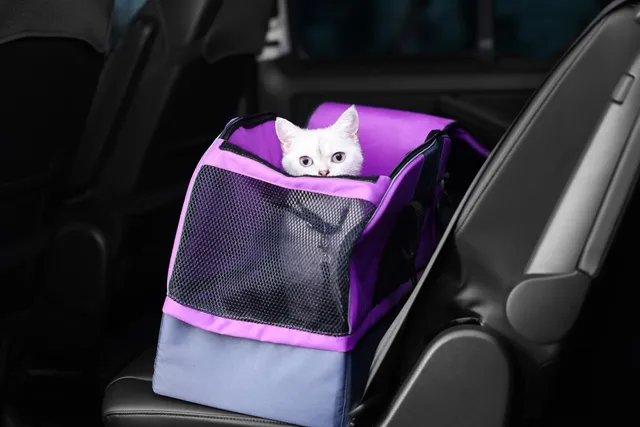
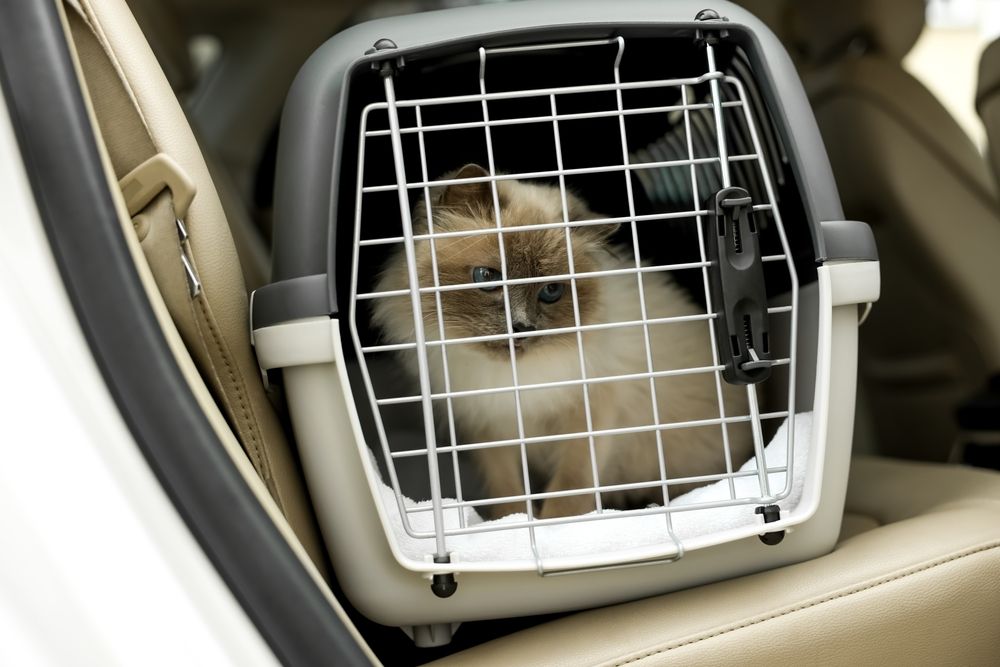
If you are taking a long trip, ensure that your cat is well settled in its crate. Strange smells and noise make even a calm cat want to escape. Use a car seat belt to secure the crate to avoid sending panic moods.
Some disturbances from unnecessary movement can make your cat freak out. It is advisable to let the cat stay in the back seat though not a must.
Additional Tips
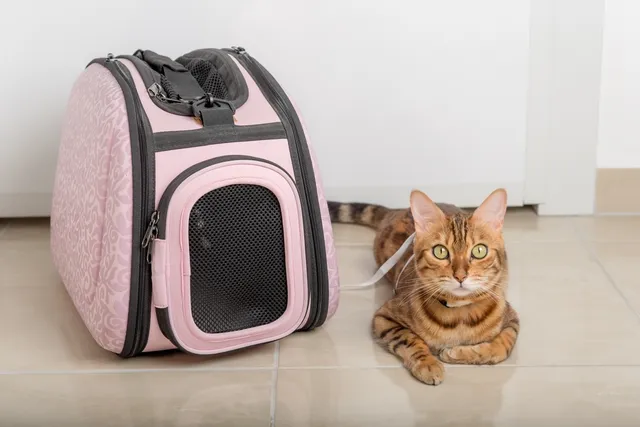
Safety always comes first! Cats should always travel inside a secure carrier, no matter how short or long the trip may be. Allowing your cat to roam freely in the car can put your safety, your cat’s safety, and the safety of others on the road at risk. A carrier keeps your cat protected and prevents distractions, ensuring a safer journey for everyone.
Strange smells and noise make even a calm cat want to escape. Use a car seat belt to secure the crate to avoid sending panic moods.
Some disturbances from unnecessary movement can make your cat freak out. It is advisable to let the cat stay in the back seat though not a must. Whichever method you choose to sedate your cat before travel, ensure that you give your cat enough time to get desensitized and used to the carrier beforehand. The cat will not be comfortable using it. Instead, you can buy a few weeks before and make sure you help your cat be familiar with it.
Use some soft clothing in the carrier and ensure they have your scent. Then, the cat will feel comfortable knowing that you are traveling together.
While traveling, you can try to place your hand near the carrier occasionally to give your cat some assurance. Don't forget to carry some water and food for your cat.
Final Thoughts
So traveling with a cat requires adequate planning. But before embarking on that journey, ensure you take the proper precautions. Work on getting your cat used to the carrier and make sure it is safely placed inside the car. Consider using alternative calming supplements whenever possible but if your cat is too nervous or the journey is too long, then consult with the vet to ensure your cat gets some sedatives to prevent stress and anxiety.
See also:
Featured Image By: New Africa, Shutterstock
Expert cat care, straight to your inbox
News, insights, and useful advice, delivered to you.

No spam — unsubscribe anytime.
By signing up, you agree to our Terms & Conditions and Privacy & Cookies Policy.
How useful was this post?
Click a star to rate. You can leave written feedback afterwards. (We read all feedback.)
Christian started writing for a local newspaper as a teenager, and he's been involved in the publishing industry for most of his adult life. Combining his love of writing with a passion for animals, he is currently the Director of Editorial at Pangolia and the Editor-in-Chief at Catster.
Christian lives in the Philippines with his wife, son, and four rescue cats: Trixie, Chloe, Sparky, and Chopper.