Get

In Your Inbox

Catster is reader-supported. When you buy via links on our site, we may earn an affiliate commission at no cost to you. Learn more.

5 Cat Breeds That Like to Travel: Info, Pictures, Facts & Tips
Share

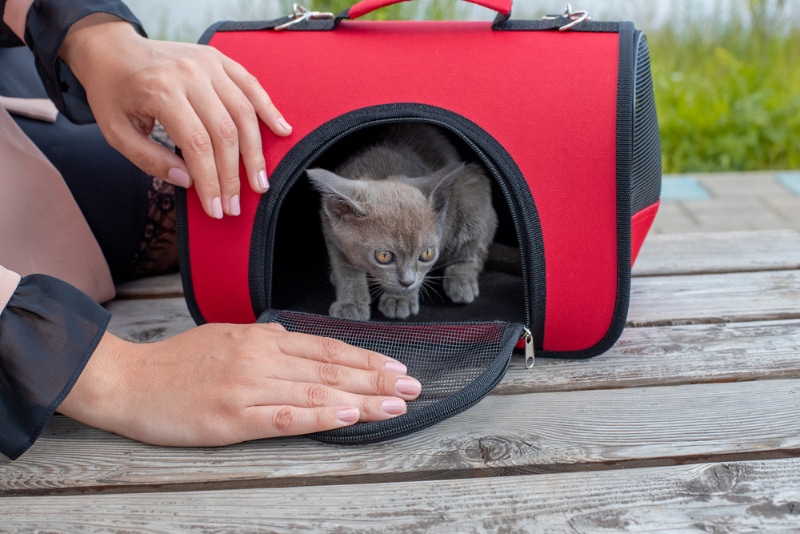
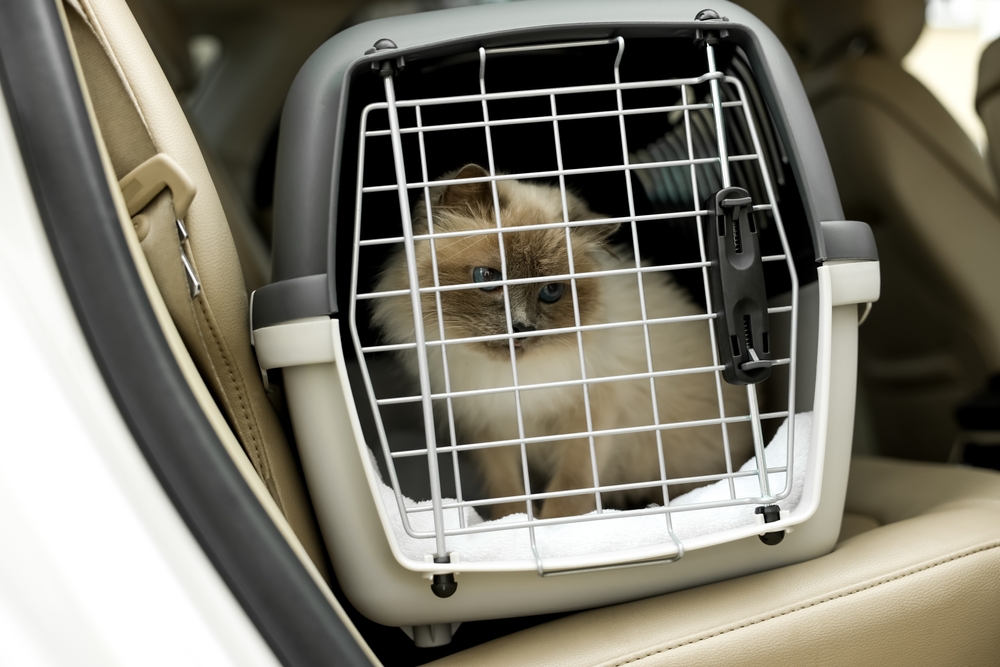
Cute grey cat inside pet carrier in car

When people think of cats, they usually think of soft creatures snuggling up on the couch or in a corner somewhere—not hardy animals traveling with their human companions. Most of us have experienced the sight and sound of a wailing cat in a carrier on the way into or out of the veterinarian’s office!

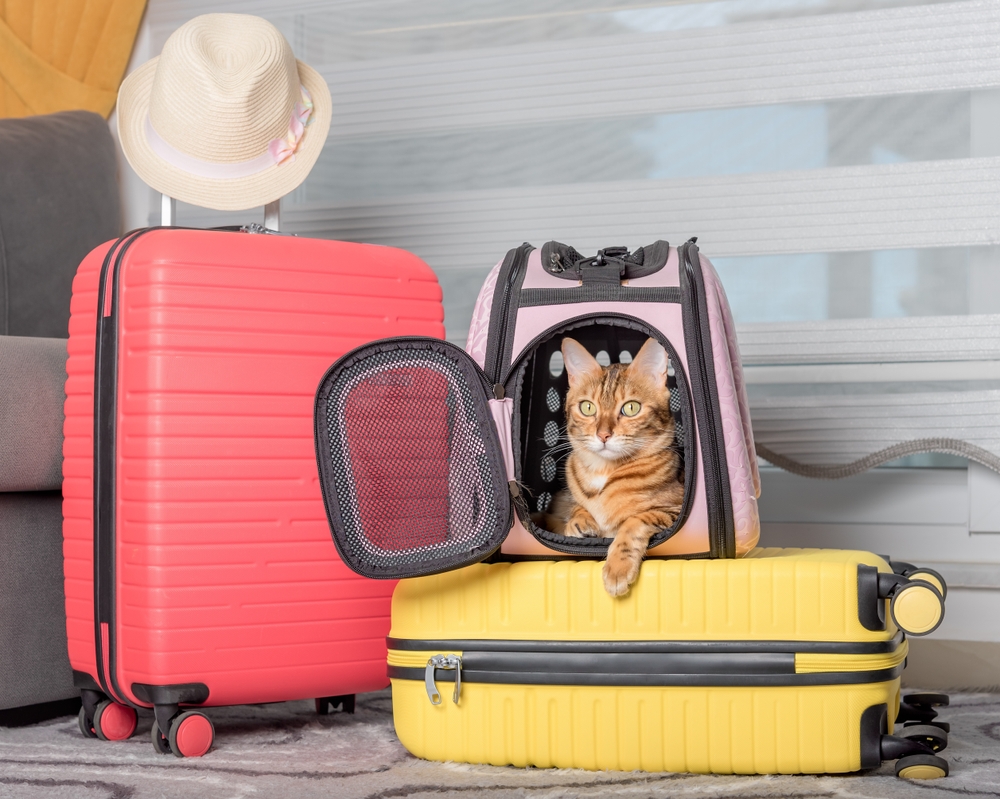
However, while it’s true that most cats are not interested in traveling, there are a few cat breeds that can tolerate (and even enjoy!) traveling with their companions, whether for a move, business, or pleasure. If you like to travel and want a cat that can keep you company during your adventures, here are the breeds to consider.

divider cats oct 2024

How Are Travel Cats Classified?

It’s important to pinpoint what makes a travel-friendly cat overall. First, cats that are good travelers can adapt to new situations easily and quickly. Second, they adjust to new environments without much stress, if any at all. Third, they tend to tolerate different landscapes and climates easily. Finally, they are extremely bonded with their human companions

The 5 Cat Breeds That Enjoy (or at Least Tolerate) Traveling

Here are the cat breeds that are tolerant of or that outright enjoy traveling.

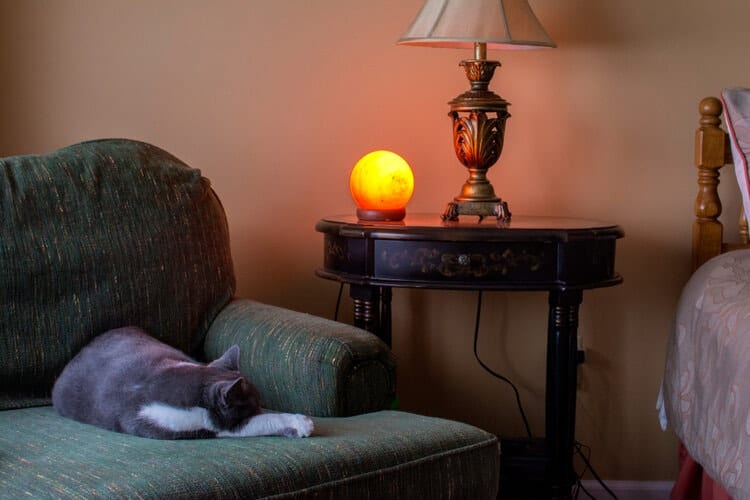
1. Chartreux

Chartreux Cat on the floor
Image Credit: Michael Hahn, Shutterstock
Origin: Iran, Turkey, and territories of Syria
Lifespan: Between 11 and 15 years
Weight: 7–17 pounds

This medium-sized cat breed is thought of as a gentle giant. They travel well and don’t mind riding in a carrier, whether by car or plane. However, they can weigh up to 17 pounds, so they might not be able to fly in the cabin of a plane or train. The Chartreux is a social creature that gets along well with kids and strangers when necessary.


2. Chantilly-Tiffany

Grey Chantilly Tiffany cat on the tower house
Image Credit: JulieK2, Shutterstock
Origin: The Netherlands
Lifespan: 11 to 15 years
Weight: 6- 12 pounds

These cats tend to be easygoing and calm by nature. They have long, luxurious hair that helps keep them warm and comforted while they travel, but it must be brushed regularly to keep shedding under control. The Chantilly-Tiffany tends to be low maintenance and quiet, making them good hotel companions.


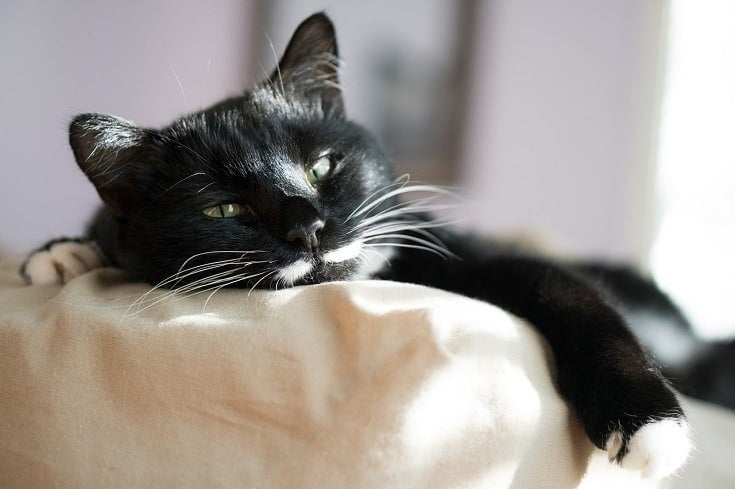
3. Japanese Bobtail

Black and white japanese bobtail
Image Credit: dien, Shutterstock
Origin: Japan
Lifespan: Between 9 and 15 years
Weight: 8–10 pounds

This confident cat breed adapts to new places easily and can make themselves at home quickly even among new people and circumstances. Japanese Bobtails are generally healthy cats that can enjoy an outdoor adventure (on a leash) in the rain, shine, or snow. According to folklore, the Japanese Bobtail is a symbol of good luck, which should help ensure that your travels are always successful.


4. Pixie-Bob
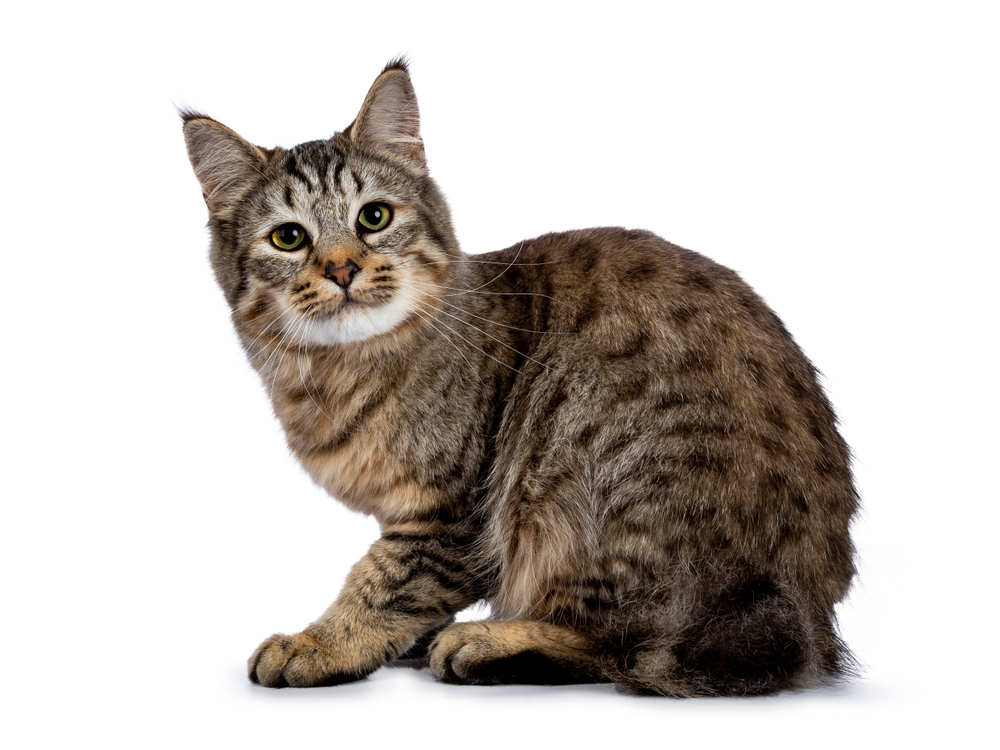
Pixie-Bob Cat sitting in a white background
Image Credit: Nynke van Holten, Shutterstock
Origin: The United States
Lifespan: 13 to 15 years
Weight: 8–17 pounds

These little cats may look wild, but they are tame felines that can develop extremely strong bonds with their human companions. The average Pixie-Bob tends to enjoy traveling in vehicles, especially if they can look out the window at the wider world. They have dog-like tendencies too, such as walking on a leash and playing fetch for exercise.


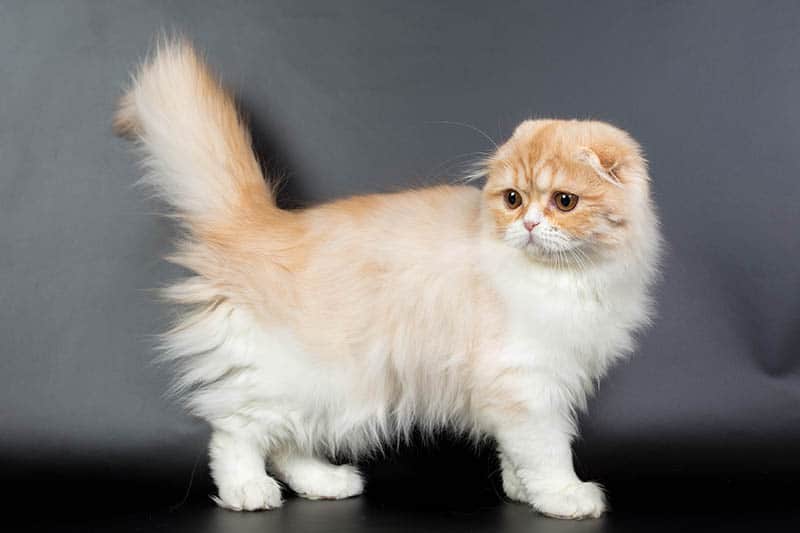
5. Scottish Fold
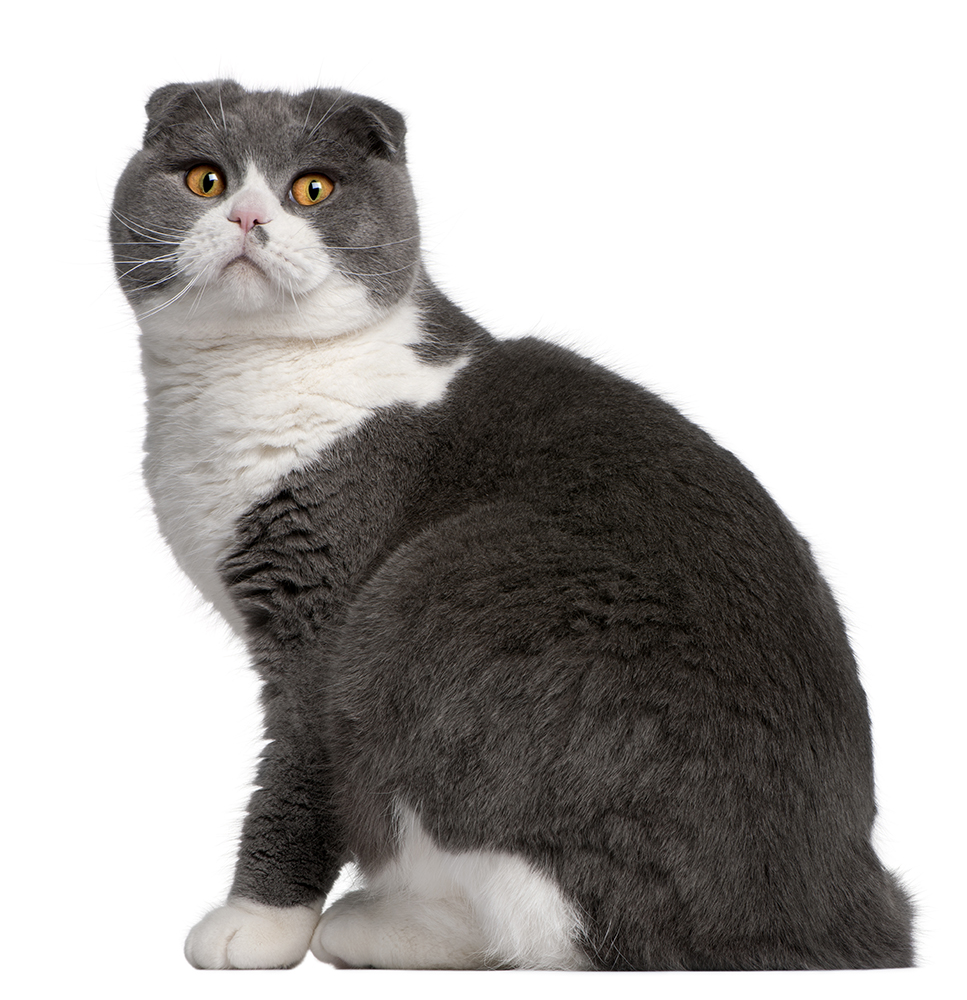
grey and white Scottish Fold cat
Image Credit: Eric Isselee, Shutterstock
Origin: Scotland
Lifespan: Between 14 and 16 years
Weight: 8–14 pounds

Affectionate and curious, the Scottish Fold can make a great travel companion. They are known for easy adaptation to new environments and situations, and they can get along with strange people and animals. They are also known to be great leash walkers.

divider cats oct 2024

Tips for Traveling With Your Feline Companion

  • Always keep your kitty in a carrier while you’re on the road. All it takes is a quick opening of the vehicle door to lose a cat that’s not constrained. It can be tough, if not impossible, to find a missing cat in a strange location away from home.
  • Keep things calm and quiet whenever possible as you travel in a vehicle, plane, or train with your cat. Felines have a strong sense of hearing, and abundant noise and/or seeming chaos can cause unnecessary panic and stress.
  • Travel in planes that allow you to sit with your cat in the cabin. Otherwise, they will be traveling with the luggage, which isn’t nearly as comfortable and is typically more stressful.
  • Make sure that any hotel that you stay at allows cats and that they know that your cat will be in your room with you. Chances are that your kitty will make a bit of noise and let their presence be known, no matter what. Not disclosing that a cat is with you can result in your being prematurely kicked out of your hotel room and scrambling for new accommodations.
  • Always bring along collapsible food and water dishes and a small litter box with litter, so you can set up a nice “home” for your cat and make them feel more comfortable wherever you are, whether you’re just laying your head down for a night or spending extended time vacationing.

divider cats oct 2024

Conclusion

Traveling with a cat can be enjoyable, especially when the cat is a breed that naturally tolerates traveling—at least to a certain extent. The five cat breeds highlighted here are all great traveling buddy options to consider. Get to know more about each of their personalities and care needs before making a final decision about which would be the best fit for your traveling aspirations.


Featured Image Credit: New Africa, Shutterstock

Want content like this delivered to you?

Sign Up For Our Newsletter

News, insights, expert advice, and everything cat

* By submitting, you agree to our Terms & Conditions and Privacy & Cookies Policy.



How useful was this post?

Click on a star to rate (you can leave written feedback after clicking submit)

Help us improve Catster for pet parents!

Your feedback really matters.

What did you like about this post? Also how can we improve it?

Join the conversation

Leave a Reply

You’re very welcome to leave a comment or question. Please know that all comments must meet our community guidelines, and your email address will NOT be published. Let’s have a positive and constructive conversation.


Catster's Digital Magazine is Back!

Vet-approved health & behavior advice

Real cat stories & community features

Chatting About the Rainbow Bridge, Euthanasia, and Laughter During Grief | Chatty Cattys, Episode 24

If you’ve ever felt the loss of a beloved cat, or are dreading the day when your pet crosses the rainbow bridge, you’ll...

The Simple Reasons Cats Refuse to Let Anyone Use the Bathroom Alone

Cats have an extraordinary talent for making themselves present in the most inconvenient places, and the bathroom ranks near the top of the...

A Paw-sitive Milestone: Canada Officially Becomes a Declaw-Free Nation

Canada has officially become a declaw-free nation. On May 25, 2026, a new regulation was filed in Ontario under the Provincial Animal Welfare...

The Surprisingly Simple Ways to Help a Cat With Hairballs

Cats spend an astonishing amount of time grooming. It is part hygiene routine, part comfort ritual, and part instinct that traces back generations....

More related

Why Is My Cat Not Losing Weight? Vet Approved Reasons & Advice

Weight control is critical for your cat—and you! If you’ve ever tried to shed a few pounds, you know how challenging it can...

Do Cats Grieve When Another Pet Dies? 7 Signs Your Cat is Grieving & How to Help

Cats can form very strong bonds with their humans, other cats in their household, and even other family pets including dogs. Yes, cats...

How Big Do Tabby Cats Get? Vet-Verified Average Size & Growth Charts

Tabby cats are commonly mistaken for being a specific cat breed. However, the word “tabby” refers to a cat’s coat pattern, and most...

Why Does Catnip Make Cats Go Crazy? What Science Tells Us

The effects of catnip have provided content for an endless train of entertaining YouTube videos, and even the word itself grabs the attention...

Keep reading

Will a Cat Ear Hematoma Go Away on Its Own? Vet-Reviewed Facts & FAQ

An ear hematoma is a blood-filled swelling in the ear flap, also known as a pinna. Most ear hematomas are a result of an underlying problem, such as an ear infection, ear mites, or skin disease, which causes the cat...

Cat with Aural Hematoma

How to Stop Cats From Getting Pregnant Naturally: Vet Approved Advice

Preventing a cat from getting pregnant is most commonly accomplished through spaying and neutering. But there might be times when a cat owner doesn’t want such a permanent solution and would rather investigate other options. It’s even better if it...

cat-having-a-vaccine

Weruva Cat Food Review 2026: Recalls, Pros & Cons

Review Summary Weruva Inc. was founded by Stacie and David Forman in 2007 and is named after the couple’s three cats, Webster, Rudi, and Vanessa. The company was started after the couple grew tired of trying to find high-quality food...

Weruva Cat Food Review

Why Does My Cat Have Bumps on Their Skin? 8 Common Reasons

It can be scary to notice a lump on your cat’s skin. Immediately, your mind rushed to the worst-case scenario—but don’t jump to conclusions yet! There are plenty of reasons that your cat may have a bump on their skin...

female veterinarian examining cat on the table

My Cat Drank Christmas Tree Water! What Should I Do? Vet Approved Advice

A real tree at Christmas time recalls memories of past holidays. Perhaps you even went to cut one down or remember decorating one when you were young. However, while they bring us warmth and joy during Christmas, a real tree...

tabby cat sitting behind the christmas tree

Is Tea Tree Oil Poisonous to Cats? Vet Reviewed Risks & FAQ

Tea tree oil is often used for its antibacterial and antimicrobial properties but it should never be used on cats. Holistic health practitioners often use a blend of traditional medical therapies as well as food, essential oils, teas, and aromatherapy...

tea tree essential oil

Devon Rex Cat Health Problems: 8 Vet-Reviewed Inherited Issues

The Devon Rex is a unique breed beloved by those who keep them. These cats tend to be relatively healthy, especially when they are bred from health-tested parents with as little in-breeding as possible. When you’re purchasing any purebred cat,...

Catster_Health Problems of Devon Rex

Can Cats Eat Oysters? Vet-Reviewed Facts & FAQ

The feline love for various types of seafood is well-known, but what about mollusks like oysters? The short version is that a plain, fully-cooked oyster is unlikely to harm a cat, but raw oysters and their shells are not safe...

Can Cats Eat Oysters

Love Cats? So Do We! Join the Catster Community

Stay informed with expert pet care insights delivered straight to your inbox! Discover professional guidance on animal behavior, feeding tips, trusted product picks, and much more.


Sign up for the Catster Email Newsletter

Stay informed with expert pet care insights delivered straight to your inbox! Discover professional guidance on animal behavior, feeding tips, trusted product picks, and much more.