Why Is My Cat Hiding After a Move to a New Home? 3 Vet-Reviewed Reasons & Solutions


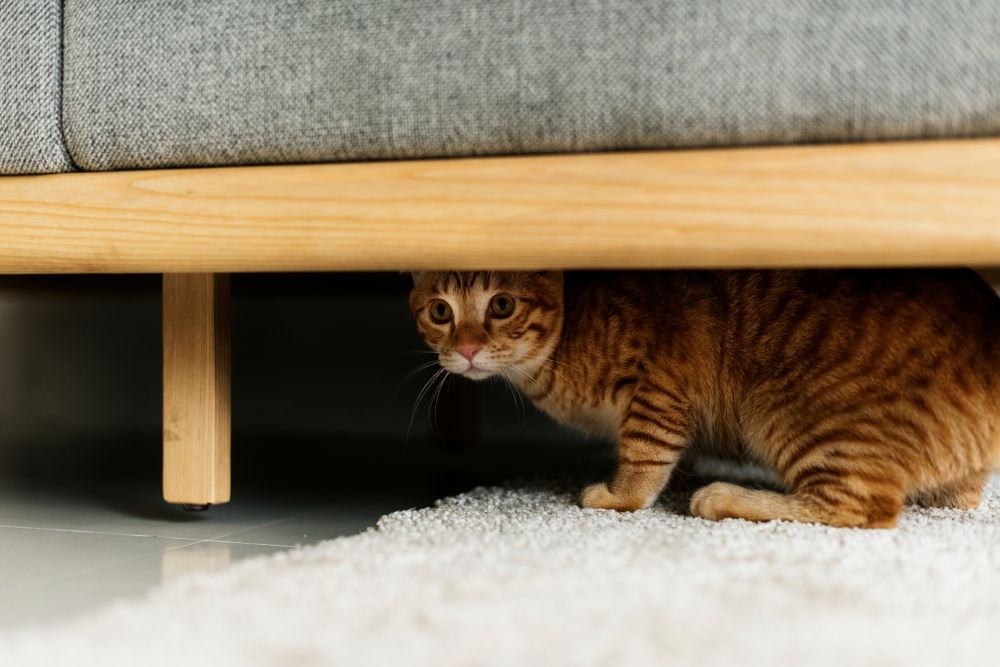
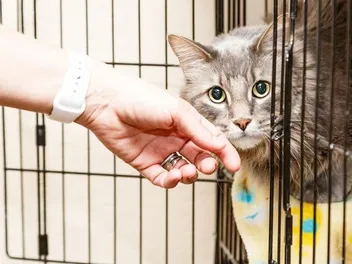
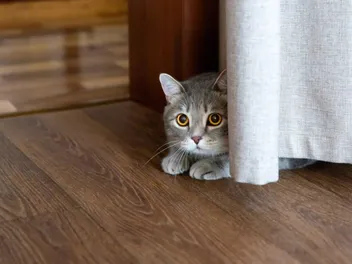
We’ve all been in a situation where we’ve just moved to a new house, and suddenly, the cat is nowhere to be found. Cats may hide for a while after a move, and there are several reasons for it. Though distressing, it’s important to keep in mind that such a reaction from your cat is considered normal behavior. There are plenty of things you can do to make the transition easier for your cat. Here’s the scoop on why your cat has gone MIA since you moved.

The 3 Possible Reasons Why Your Cat Is Hiding After Moving
Please Note
1. Cats Are Territorial Animals
Cats are highly territorial animals. They are very protective of their territory and the people they allow in it. As a result, being moved from one territory to another is uncomfortable at best.
Your cat is probably missing her old territory and woefully underprepared for moving to a new one. She’s just been picked up and plopped in a whole new place suddenly!
Until your cat recognizes your new home as their personal territory, they’ll probably treat it with cold trepidation. After all, it’s new to everyone involved!

2. New Surroundings
In addition to not having a say in whether you move, cats also dislike abrupt change. In addition to being displaced from their old territory, your cat might find themselves with an unfamiliar routine as you complete the move. Your cat’s life has just been upended. She doesn’t know where she is or what may lurk in this new habitat she’s been thrown into.
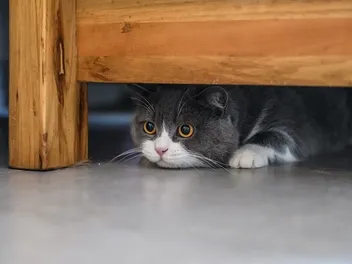
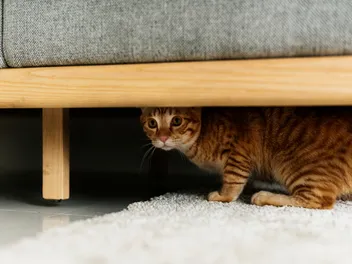
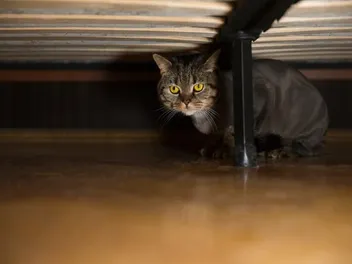
While your new home is safe, your cat doesn’t know what might be out there. Could there be another cat? A dog? What’s hiding under those throw pillows? It’s just safer to stay under the bed where she can see everything she needs to see!
3. Moving Isn’t Fun
Your cat had to deal with you possibly running around like a chicken with your head cut off while you prepared for the move, and she didn’t even know what it was for. You probably weren’t as playful or snuggly; you may have even left her alone for extended periods (like when you were scouting out new places to plant your flag) when she would have preferred to have some quality time with you.
She probably noticed that something was off but couldn’t ask you to explain what was going on. Add that to being picked up and dropped into a new world, and it’s no wonder your cat hates it here!


How to Make Your Cat Feel More Comfortable in Your New Home
Unfortunately for your cat, moving is a certainty they’ll know how to contend with. You can do things for them to make the process more palatable. Here are some ways to help your cat adjust to their new home better.
Pre-Move Scent Transfer
If possible, a day or so before the move, try rubbing a towel (or any other soft fabric) on your cat, and then rub it on the walls and surfaces of the new home. This may help your cat to a degree, as recognizing their own scent in a new area might be met with curiosity rather than outright fear of being displaced from their home.
Prepare a Safe Room
Start by preparing a safe room for your cat. Include everything your cat needs to live in this room: food, water, a litter box, and enrichment. Fill the space with everyday items your cat can recognize from their old home. Some of these items may even smell like the last house, which will help your cat feel safe and secure in this room.
Keep your cat in the room while you’re arranging your new place. This has two significant effects. First, it lets your cat know there is a place where they know they’re safe in this new home. Secondly, it helps keep them sequestered away from the moving action and reduces their stress around the move.
Luckily, with moving comes boxes, and boxes are a great low-cost cat toy that can be helpful with acclimating your cat to their new home. Boxes allow your cat to hide in safe places while exploring their new home.
Another thing you can add to your home is a pheromone diffuser. Diffusers (such as Feliway) emit pheromones that may help your cat calm down. By using such a product, you might be able to help your cat remain calmer.
While your cat is in the safe room, stick to regular schedules. This isn’t the time to shake up your whole life. Your cat will be stressed enough by default. So, serve familiar foods and feed them at the same time each day so that they know the place is their new home.

Allow Them to Explore on Their Own
Your cat will explore the new home as they feel safe to do so. Never force your cat to leave the comfort of their safe room. Doing so will create negative associations with the new home for your cat.
If your cat seems extremely nervous in their new home for periods exceeding 1 to 2 weeks and absolutely refuses to come out of their hiding place, this may indicate that your cat needs veterinary attention. A stressful time can lead to health issues in cats, including a urinary tract obstruction. It’s very important to keep an eye on your cat’s litter box habits during such a transition period. If your cat does not produce any urine for a day, or seemingly struggles to pee, immediately take them to a vet.
Create Positive Associations
If you see your cat out and about, greet them and reward them for being brave. You can give them a treat or offer toys for playtime when you see them to help them form positive experiences in their new home.

Final Thoughts
While moving isn’t fun for anyone, it’s incredibly stressful for your cat, who doesn’t understand why it’s happening. Fortunately, there are many tactics you can employ to help your cat transition to your new home gracefully.
Getting your cat a pheromone diffuser and setting up a safe room is a great way to start your cat in the process of acclimating to their new home. Good luck!
Featured Image: Rawpixel.com, Shutterstock
Expert cat care, straight to your inbox
News, insights, and useful advice, delivered to you.

No spam — unsubscribe anytime.
By signing up, you agree to our Terms & Conditions and Privacy & Cookies Policy.
How useful was this post?
Click a star to rate. You can leave written feedback afterwards. (We read all feedback.)
Luxifa is a freelance writer with a passion for animal science and technology. She loves to share the world of animal science with people to help them make informed decisions for themselves and their pets. Luxifa has worked in professional pet care for over six years and strives to help change the world of pet care by bringing the information people need to them in terms they can understand. Knowledge is power, and Luxifa loves to help everyone become the most informed they can be.