Does Cedarwood Oil Kill Fleas on Cats? Vet-Verified Effectiveness & Safety Explained



In this article
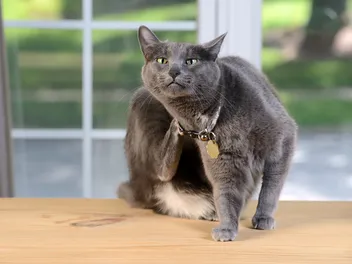
Fleas can be the bane of a cat owner’s existence. Once they appear, they’re everywhere, and worst of all, they make our kitties miserable. Getting rid of fleas can be an arduous task. While plenty of flea control and prevention medicines, collars, and treatments are on the market, not all of them work well, and some have ingredients that can harm our pets.
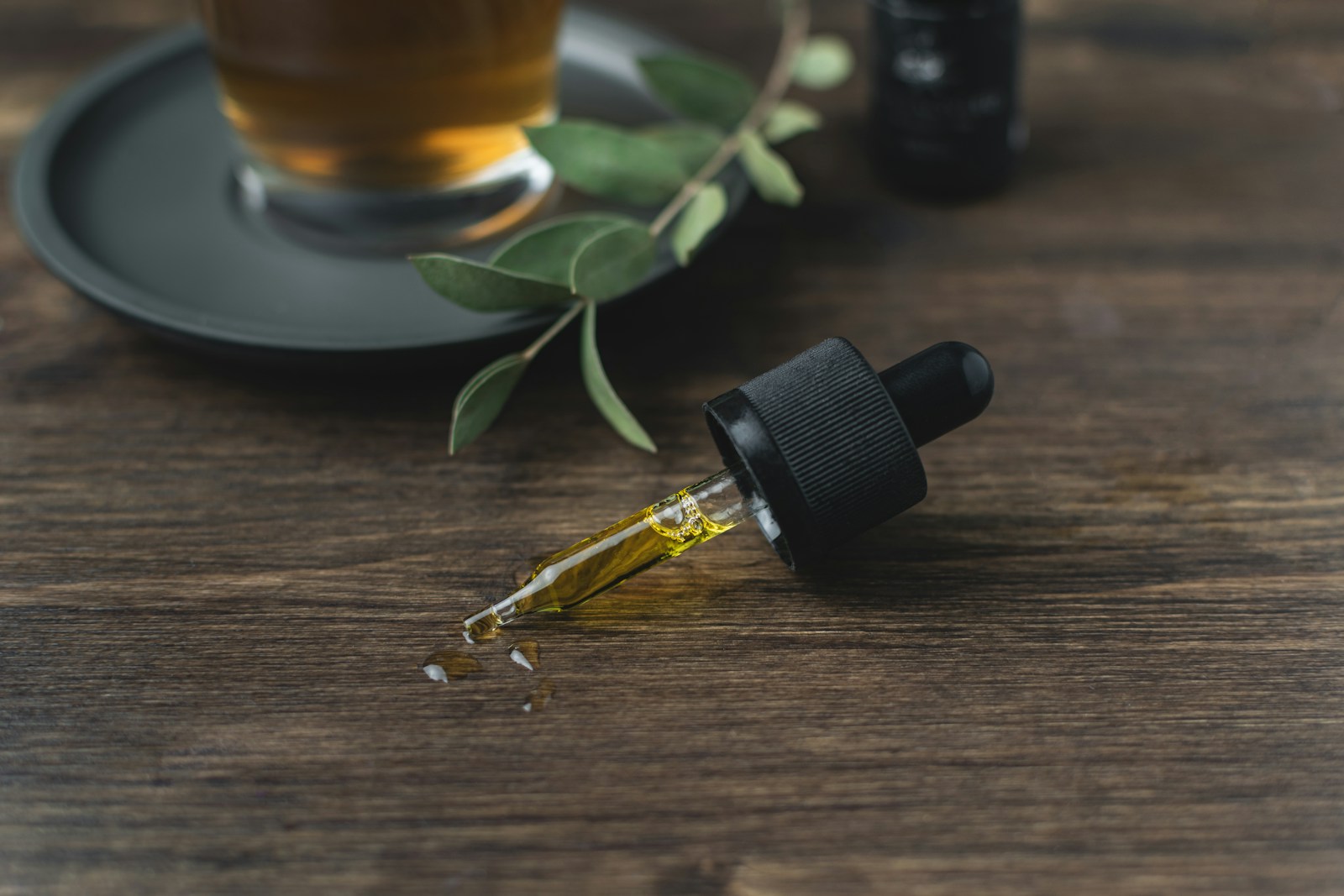
Many people prefer to take an all-natural route when it comes to killing fleas on cats, and one such way they do so is by using cedarwood oil. However, never use essential oils on your cat without speaking with your vet first! Cedarwood oil is an essential oil that seems to be successful in killing off fleas, and it’s one of the few that are mostly safe for use on felines when properly diluted. However, most essential oils are dangerous for cats.
Here’s a closer look at cedarwood oil and how to use it on your pet.

What Are Essential Oils?
The use of essential oils has risen in the past decade, and there’s a good chance you’ve used them in some way before. If you’ve missed out on the essential oil craze, you might wonder what exactly the oils are. Essential oils are the parts of a plant that cause it to taste and smell the way it does. The essential oils we use in our homes come from extraction via cold pressing or distillation.
You can use essential oils as aromatherapy (how they’re most often used), homeopathic remedies, killing fleas, and more. Although essential oils are relatively harmless for us, many are highly toxic to our cats.
However, cedarwood essential oil is one of the few generally safe ones.

Cedarwood Oil and Cats
Cedarwood is one of the few non-toxic essential oils for felines, and it seems to help reduce fleas. It might even reduce the number of ticks that outdoor cats get. The downside is that there’s a good chance your pet will hate the smell of it. Don’t forget to speak to your vet before using it on your cat!
The scent of cedar is sometimes used as a cat deterrent; homeowners place cedar chips out in their yards to keep stray felines from wandering in and causing havoc. Since it’s a smell that kitties don’t enjoy too much, you risk your pet being upset at having the scent of cedar constantly around them.
How to Use Cedarwood Oil to Kill Fleas
Your safest bet for applying cedarwood oil to kill fleas on your cat is to buy a product with it. Commercial products should have cedarwood oil in safe dosages and instructions on how to apply them so your pet isn’t at risk. However, most of these products are not regulated by the FDA and may have a variable degree of safety and efficacy. Consult with a vet before choosing any particular product.
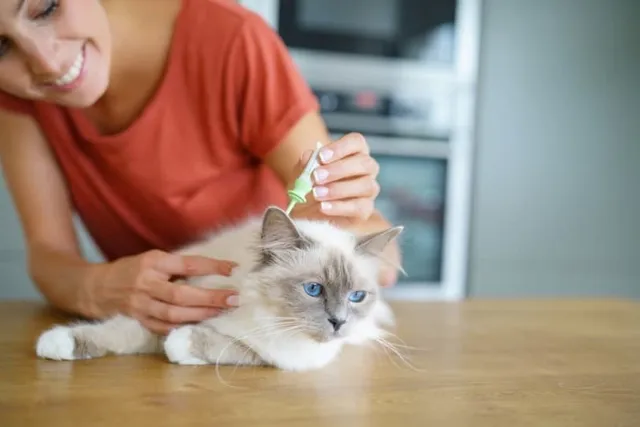
Never apply the product directly to your cat’s skin. Instead, use a cloth or cotton ball to transfer it from the bottle to their coat. Always be careful and make sure not to get any of the product in your cat’s eyes or on their head, and supervise your cat for the next few hours, distracting them with playing, in order to avoid them licking any of the product off, as this may cause mild side effects such as drooling and a stomach upset. Some cats may also develop sneezing, nose and eye discharge, and breathing problems if they end up inhaling any of the product.
If upon application, your cat’s skin becomes red or irritated, causing them to frantically start itching and scratching, they may be experiencing an adverse skin reaction. In that case, wash the product off their skin immediately and if the signs are not resolving, contact your veterinarian.
If you are using concentrated cedarwood oil, keep the bottle well away from your cat, and be aware that you shouldn’t be adding more than 5-10 drops of oil per ounce of water or carrier oil. However, it is much safer to use a commercial product rather than mixing up your own flea treatment.
Some recommend using cedar oil hydrosol, which is much less concentrated and therefore less likely to cause any side effects. Such products are usually placed in spray bottles and used on the cat’s bedding and other belongings around the house.
Regardless of the product used, check with your vet to determine if it is an appropriate product for your cat. A vet can prescribe more effective treatments, such as topical products, that have been successfully used to eradicate fleas for decades.
If you're unsure about the right method or medication for treating your cat, you should consult your vet, especially if your pet has an underlying health condition.
What Happens If My Cat Licks Cedar Oil
If by some chance your cat manages to lick some of the cedar oil off their skin, first check the full list of ingredients on your product, as some may contain other substances that may not be as safe for cats. In that case, or if you’re not sure, consult with a veterinarian. Stop them from licking any further product off, by wiping the excess of their fur with a damp cloth.
Some cats may experience nausea, drooling, or a stomach upset, with vomiting, if they have licked cedar oil in a more significant amount. If these signs do not resolve in a matter of a few hours, or get worse, your cat should be taken to the vet. If your cat inhaled any by chance, they may develop sneezing, coughing, nasal discharge, or respiratory difficulties, which is more of a concern and may require prompt veterinary attention. If any cedar oil product gets in your cat’s eyes, rinse them out immediately with tap water, as it’s likely to cause irritation, redness, swelling, squinting, and others. Then contact your vet to see if your cat will need to be checked out at the clinic, or whether you can monitor them at home.
Unsafe Essential Oils for Cats
You can find several other essential oils advertised as effective flea and tick control, but most essential oils are toxic to cats.
Just a few of the toxic essential oils include:

Final Thoughts
Cedarwood oil has been known to kill fleas and is one of the few essential oils that are safe to use around cats, if properly diluted and applied appropriately. However, you still need to be careful when using it. Before using any product or oils around your pet, always speak with your vet first to ensure you’re using the oil in the safest way possible, or purchase some of the veterinary-approved products! Be mindful that there are a lot of commercial products out there, and not all of them are safe for your kitty.
Featured Image Credit: Madeleine Steinbach, Shutterstock
Expert cat care, straight to your inbox
News, insights, and useful advice, delivered to you.

No spam — unsubscribe anytime.
By signing up, you agree to our Terms & Conditions and Privacy & Cookies Policy.
How useful was this post?
Click a star to rate. You can leave written feedback afterwards. (We read all feedback.)
Misty Layne lives out in the woods in small-town Alabama with her two Siamese cats —Serafina and Jasper. She also has an array of stray cats, raccoons, and opossums who like to call her front porch home. When she’s not writing about animals, you’ll find her writing poetry, stories, and film reviews (cats, by far, her favorite writing topic, though!). In her free time, Misty enjoys chilling with her cats, playing piano, watching indie and foreign films, photographing abandoned places, and catching up on her never-ending TBR list.