How to Use Cat Nail Clippers: 4 Vet-Approved Steps


In this article
Devoted cat parents go above and beyond to create comfortable environments for their felines and ensure their furry friends are always well-fed and well-maintained. Grooming is an essential part of every cat’s life, and cat nail care is one of the hardest things about it.
Many people get nervous when cutting their cat’s claws, as cats can be fussy about the process. Some are also unsure how to properly use cat nail clippers, which may result in more stress and anxiety or could lead to an injury. Fortunately, the process is simpler than it seems.
This article breaks down how to use cat nail clippers and provides you with beneficial tips on taking care of your cat’s claws. However, if you’re not sure what to do, whether your cat’s claws need clipping in the first place or your cat is having none of it, it’s best to seek help and advice from your vet to avoid unnecessary stress or risk injury for both you and your cat.

The 4 Steps to Use Cat Nail Clippers
1. Choose the Type of Cat Nail Clippers
Before you use cat nail clippers on your feline, you’ll need to decide on the type of nail clippers that you want to use. There are various ones available that can help you do this job successfully. Some of them we recommend as our first choice, while others may not be appropriate or easy to use.
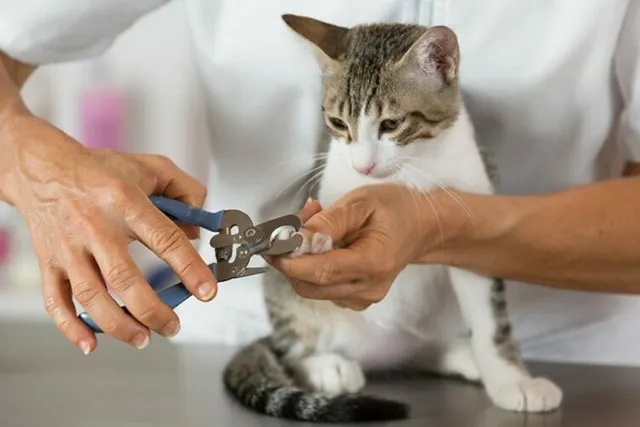
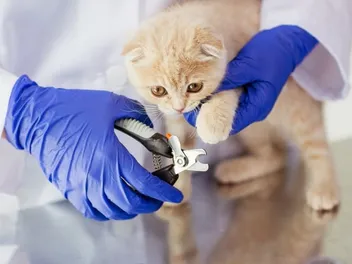
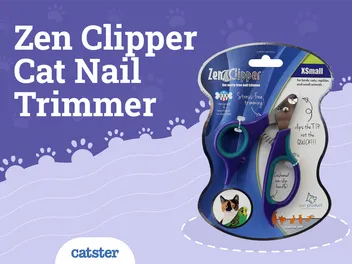
- Scissor-style and guillotine-blade cat nail clippers are both easy-to-use nail clippers with safety features to make this task less daunting. Their names suggest how they are shaped and the basic principle of how they work, while they often have safety guards to prevent toes or pads getting stuck where they shouldn't. Sometimes the scissor ones look like pliers in a sense and are usually better adjusted for thicker claws, which is generally the case in dogs.
- Guillotine-blade cat nail clippers function on a guillotine principle; you have to insert the cat’s nail into the guillotine hole to cut it, which may be tricky for people without experience.
- Grinder trimmers are electrical trimmers that may be efficient but are often loud and may scare, irritate, or even injure your cat, so we would not recommend them unless your cat has been used to this type of nail clippers since a young age and you are experienced in using them.
While you can use any of these tools for clipping your cat’s nails, the best option for beginners and those who fear accidentally hurting their cats is the scissors-style cat nail clippers.
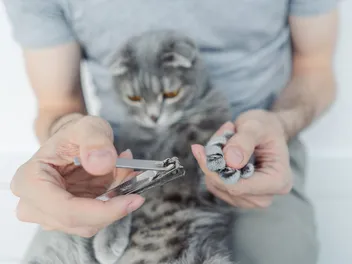
Human nail clippers are also not appropriate for cutting cat nails, as they are not adjusted to their particular claw texture and shape but to our nails. That is not to say that some people have used them without an issue, but we would not recommend them.
Before proceeding to the next steps, make sure you understand exactly what and how you need to do it, and familiarize yourself with the cat’s claws and the quick, which you need to avoid by all means. Having a short training lesson from your vet may be valuable in giving you the expertise and confidence in doing this right.

- Complete Set - These cat nail clippers include both a large and small pair, meaning it works well as a kitten claw trimmer when they're a small kitty, and then before you know it, as a cat nail cutter
- Razor Sharp Stainless Steel - The most comfortable cat nail clippers for indoor cats provide a fast and clean cut. And for rough residuals remaining, the free cat nail file included can smooth it all.
- Safety First - With a safety nail guard and locking spring, you can make sure every grooming cut is stress free for you, and pain free for your purry pal
Trimming your cat's nails at home can be hard, but having a professional do it can be expensive. With the help of great tools like Hepper's Cat Nail Clipper Set, you can easily and quickly trim your cat's nails at home. This set includes two pairs of stainless steel clippers with safety guards and locking mechanisms, plus a built-in nail file and a convenient pouch.
At Catster, we’ve admired Hepper for many years and decided to take a controlling ownership interest so that we could benefit from the outstanding designs of this cool cat company!
2. Create a Relaxing and Quiet Environment
For the nail-cutting process to go smoothly and peacefully, you need to consider the setting, not just the act of cutting. Since this situation may be stressful, it’s best to create a relaxing and quiet environment where you’ll be cutting your furry friend’s nails.
Make the whole process as relaxing as possible. Put on cat-friendly music, and find a safe area where your cat can comfortably sit on your lap.
If you want to ensure that your feline will be calm during nail clipping, try to clip their nails after a meal or when they are sleepy or groggy, as that’s when they are usually the most relaxed.
Use treats to reward their good behavior, and go slowly. There is no need to clip all the claws in one sitting. Give your cat a break if they need one, particularly in the beginning, as you are just teaching them that this can be a stress-free and positive experience. Don't rush it, as they may become fearful of the procedure, the sight or sound of the clippers, or you, which makes the whole experience more difficult and unpleasant, not to mention unsafe.

3. Hold Your Cat’s Paws
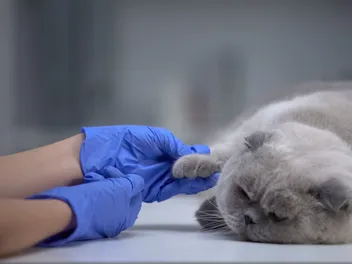
After you create a comfortable setting and have your cat in your lap, you’ll need to hold their paws to limit movement and prevent possible injuries when cutting their nails.
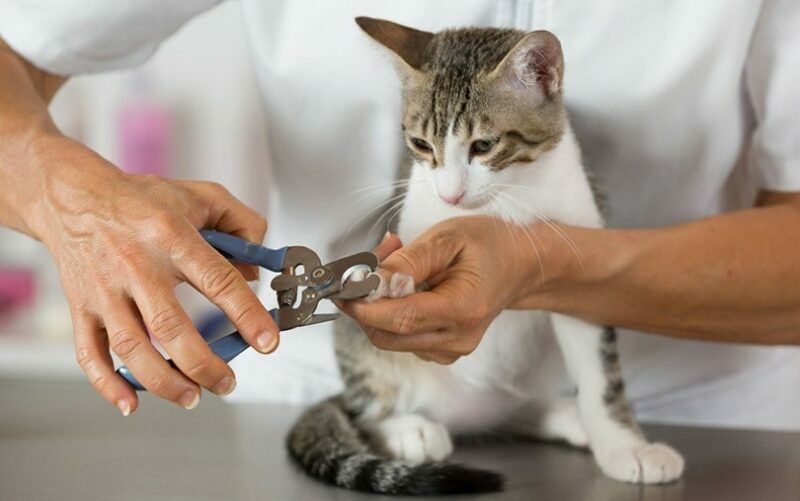
If you’re doing the job by yourself, you can either place your cat on a table and hold one paw at a time or put them in your lap and use one hand to embrace and hold your cat while supporting their paw at the same time, all while cutting the nails with the other hand.
If you decide to restrain your feline, remember that less is more: Always apply the least amount of restraint needed to do the job. You should hold your feline firmly but gently so neither of you gets hurt.
While it’s possible for some cats to go through nail clipping without restraint, it mainly depends on training and their previous experiences with nail clipping. It would be best to get a second pair of hands for help, so one person can focus on holding the cat steady and offering them reassurance, cuddles, and treats, while the second person safely clips the nails.
4. Carefully Cut the Nails

Although many people believe that it’s hard to cut a cat’s nails, the truth is that the act itself is not that difficult when you know what you’re doing. While some cats may show resistance at first, the way they will behave and how well they accept this minor grooming procedure going forward will also depend on your approach.
Being calm and using positive reinforcement, reward your cat for tolerating you handling their paws and clipping the nails and each subsequent nail-cutting session should be easier and easier. It’s important to teach your cat from an early kitten age that handling paws and touching nails, and even clipping them occasionally for training purposes, is a stress-free and quick procedure for which they will be rewarded. Never force them or get angry with them, but be slow and gentle, using calm reassuring words. Stop the clipping if your cat is getting stressed, as you can come back to it later on.
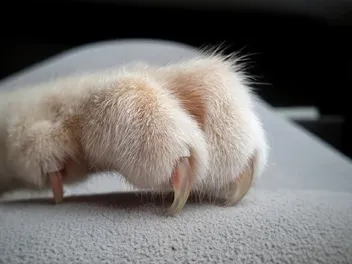
The main reason people are afraid of cutting a cat’s nails is that they are afraid of unintentionally hurting their furry friend. A cat’s nails contain nerve endings and blood vessels in the quick area, which can cause transient pain and minor bleeding if accidentally cut. That’s why you should be careful when cutting your cat’s claws.
To make the whole process easy and injury free, follow these simple steps:
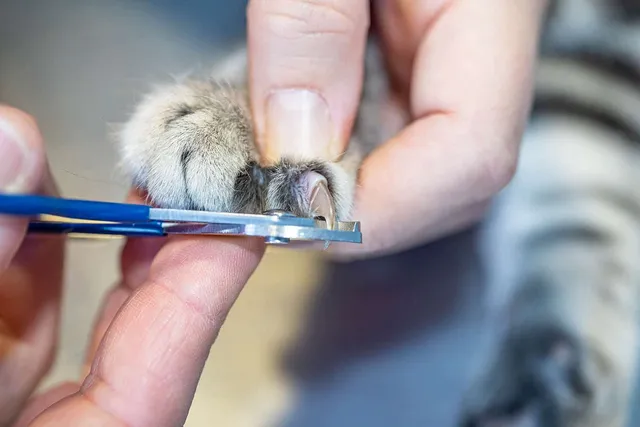
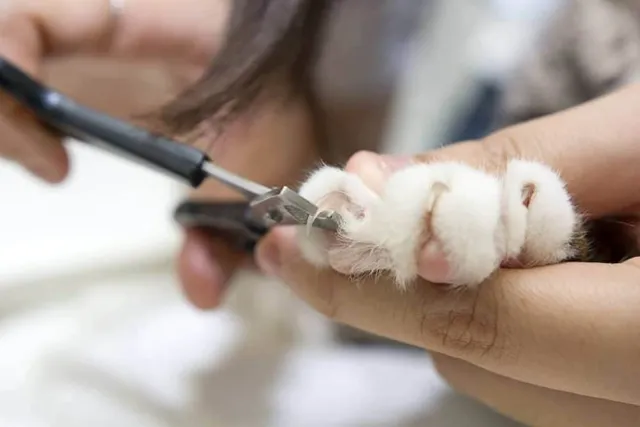
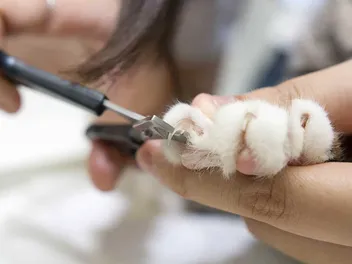
- Apply gentle pressure to your cat’s paws so their claws extend outward.
- Examine the nail and determine the position of the quick.
- Cut the nail away from the quick to prevent injuries.
- Cut the nail at an angle to follow its natural curve.
Remember to take your time during this process instead of making it into a race, as that will cause more resistance in the future and increase the chances of an injury.
If your cat is extremely fussy about nail clippings, even clipping one nail a day will be a great start! You’ll eventually become better and do the job faster, and your feline will become more patient and learn how to wait out the process, especially if there is a reward at the end.


Additional Tips for Trimming Your Cat’s Nails
Practice Regular Nail Care for Your Feline
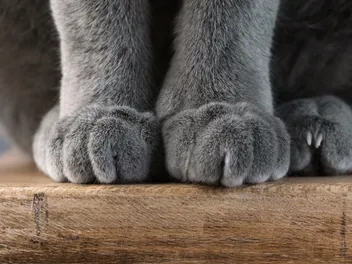
Whether your cat requires their nails clipped, as well as how often, will depend on their lifestyle and personality. Cats’ nails constantly grow, meaning that some felines, particularly older ones, will need a nail care routine more frequently than others. Many indoor cats will maintain an adequate nail length by using the scratching posts, while outdoor cats use their nails to mark their territory and climb on nearby trees. They may rarely require their nails to be clipped.
To ensure that each session with your cat goes smoothly, you need to be consistent and practice regular nail care. That will allow you both to become more comfortable with the process while keeping your cat’s nails at the right length. This is especially important in older cats whose nails may get too long and even grow into the pad, causing a painful infection.
You can clip your cat’s nails every 2-4 weeks, or as required, to prevent them from becoming overgrown and causing pain, discomfort, and mobility issues.
Do Not Declaw Your Feline
Cats love to scratch everything around them, from their toys to the furniture, as scratching is a natural instinct for them. Some people may consider this to be a behavioral problem, though, and decide to declaw their cats.
Although this may seem like a good idea, declawing is inhumane and mutilating for the cat, disabling their instinctive behavior. It should never be considered.
If you’re having issues with clipping your cat’s nails, you can always seek advice from your vet or take your cat to a professional groomer.

Frequently Asked Questions
What Should I Do if I Accidentally Cut the Quick and My Cat Bleeds?
Despite your best efforts and intentions, it’s possible to unintentionally hurt your feline during nail clipping. If there’s a mishap and you accidentally cut your cat’s quick to the point that it bleeds, remain calm, inspect the wound, and look for ways to stop the bleeding.
If the cut is small, simply use flour, cornstarch, or styptic powder to stop the bleeding; your cat will experience minor pain, but it should go away rather quickly.
If the cut is deep or you can’t stop the bleeding, it’s best to take your feline to the vet, who will provide the necessary help.
How Can You Make Nail Trimming More Comfortable for Cats?
Over time, nail clipping will become easier for cat parents and cats; it’s all a matter of practice and patience. However, there are many things that you can do to make the process more comfortable for cats:
- Clip your cat’s nails in a peaceful environment.
- Play cat-specific music to help your furry companion relax.
- Apply the minimal amount of restraint needed to cut your cat’s nails.
- Give your cat treats throughout the process.
- Do not rush things; go at your cat’s pace!
- When necessary, divide the clipping into multiple sessions, clipping one nail at a time.

Final Thoughts
Using nail clippers on a cat may seem difficult or complicated, but it’s actually simple once you learn how to use them. After reading this article, you should now know how to use cat nail clippers to cut your cat's nails safely and efficiently.
Sources
Featured Image Credit: 135pixels, Shutterstock
Expert cat care, straight to your inbox
News, insights, and useful advice, delivered to you.

No spam — unsubscribe anytime.
By signing up, you agree to our Terms & Conditions and Privacy & Cookies Policy.
How useful was this post?
Click a star to rate. You can leave written feedback afterwards. (We read all feedback.)
I'm a creative, adaptable content writer that covers various topics such as DIY, pets, home improvement, travel, gardening, and more.
As a young mom and a college student, I didn’t have enough time to balance my personal and work life, so after multiple years of working a regular 9 to 5 job, I decided to pursue my passion and make a living out of it. I have been writing for a couple of years now, helping people to find valuable and interesting information online.
I believe that writing is a great way to share your knowledge with the community and express yourself. There's nothing that words cannot accomplish, so I always try to use them in the best possible way.