Do Cats Have Eyebrows? Vet-Verified Feline Anatomy Explained


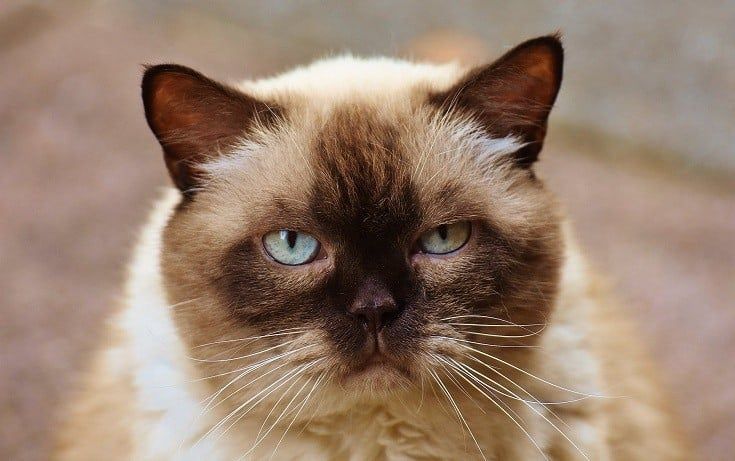
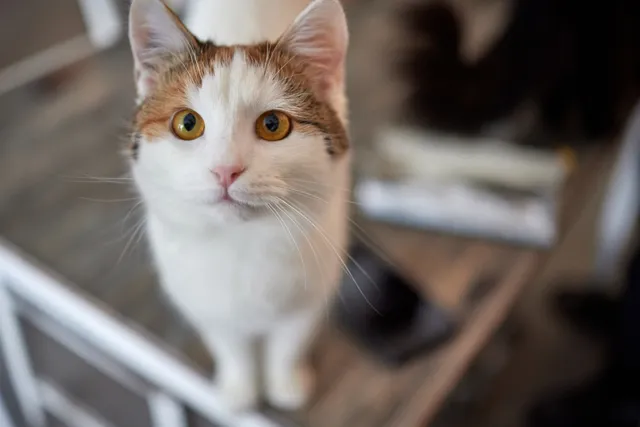
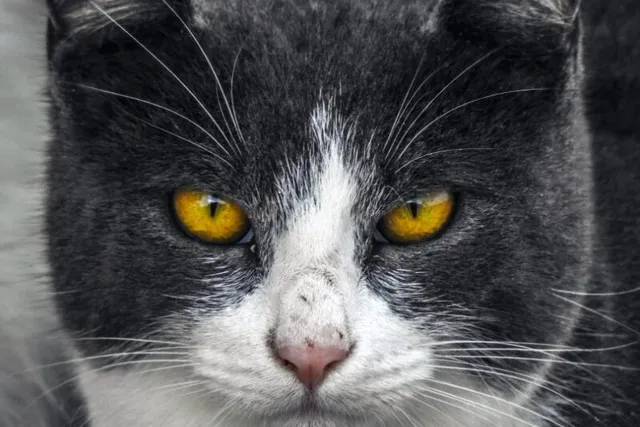
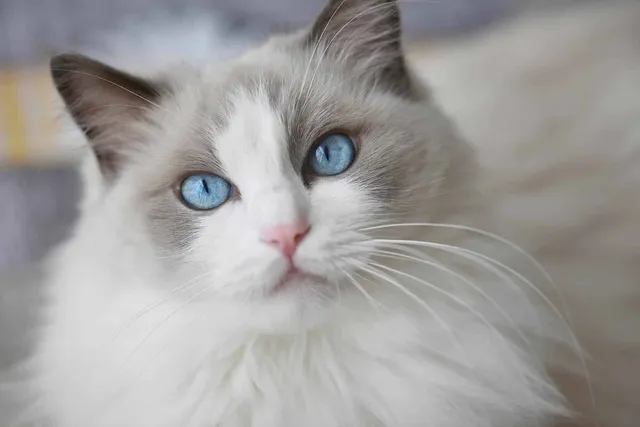
There are very few things funnier in this world than seeing a cat with eyebrows drawn onto it. Seeing eyebrows on a cat's face just feels so out of place, and it adds a certain air of humanness to them. But do cats have eyebrows that we overlooked? What purpose do eyebrows even serve? As a general answer, cats do not have specific hair for their eyebrows like humans do; however, they have facial muscles that make them create expressions. Read on to know all the details.

Do Cats Have Eyebrows?
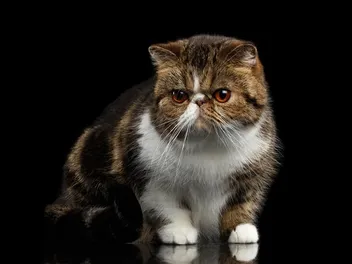
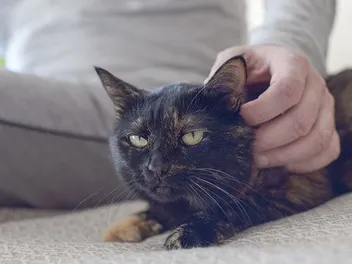
Cats lack the line of hair that humans have, defining our eyebrows. Since our eyebrows are a significant part of our facial expression communication process and cats lack eyebrows, one could think that they can’t communicate through their faces. However, cats have muscles in their faces that allow them to be expressive in much the same way humans are.
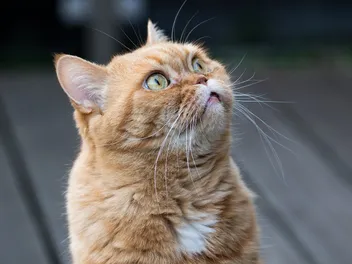
Cats may furrow their brows or lift their eyebrows to express discomfort or concern. This can be combined with flattened ears when a cat is feeling fearful or timid about a situation. Cats will exhibit a variety of body language cues to show you how they're feeling, though, so don't just rely on what their eyebrows are doing to tell you how your cat is feeling.

What's the Purpose of Eyebrows?
In humans, eyebrows don't just serve as a communication tool. Our eyebrows help to protect our eyes by trapping things like sweat and keeping them from getting into the eyes. Cats have a lot more hair on their face than humans do, so they don't really need eyebrows specifically to protect their eyes. They have a face full of fur to help keep their eyes safe!
Are Whiskers Similar to Eyebrows?
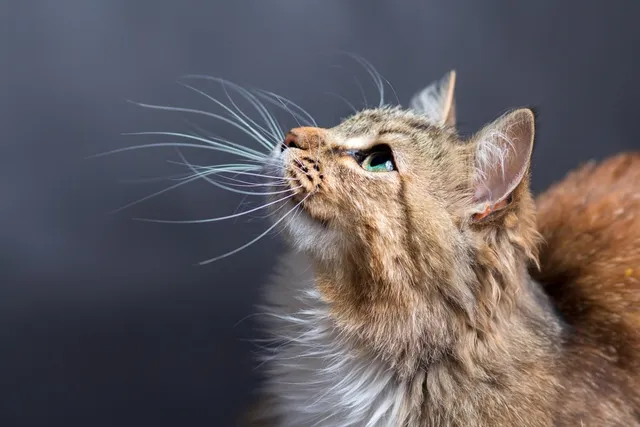
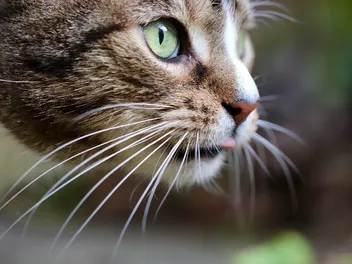
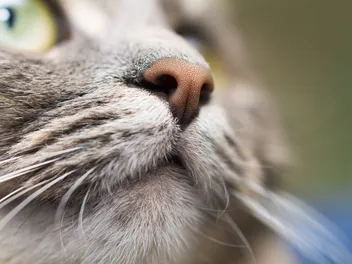
You've definitely noticed that cats have whiskers on their snouts, but they also have shorter, thickened hairs where their brow muscles are. These whiskers can help protect the eyes by catching moisture and fuzz and keeping them from getting into the eyes. However, their primary function is as sensory additions to the face. Whiskers help cats gauge distance and space, as well as help them have improved senses when it comes to eating and moving in dim lighting.
The long hairs along your cat's brow are technically whiskers; they are not true eyebrows. This means that these hairs function in essentially the same way that the whiskers on the snout do. Whiskers allow your cat to have maximum sensory abilities in various situations. This doesn't just help your cat stay safe, but it also allows cats to be the apex predators they truly are.

In Conclusion
While cats don't have true eyebrows, they do have facial muscles that are an important part of your cat's ability to emote and tell you how they're feeling through facial expressions. Cats can't verbally tell us what they're thinking and feeling, but their ability to use body language and facial expressions is an effective tool for showing us how they're feeling. Your cat does have whiskers on their snout and above the eyes, but these hairs are part of the highly efficient sensory system on your cat's face.
Featured Image Credit: Pexels, Pixabay
Expert cat care, straight to your inbox
News, insights, and useful advice, delivered to you.

No spam — unsubscribe anytime.
By signing up, you agree to our Terms & Conditions and Privacy & Cookies Policy.
How useful was this post?
Click a star to rate. You can leave written feedback afterwards. (We read all feedback.)
Brooke Billingsley, a former veterinary assistant for nine years, became a nurse in 2013. She lives in Arkansas with her boyfriend of five years, surrounded by her beloved pets: three dogs, two cats, five fish, and two snails. Brooke has a soft spot for special needs animals, caring for a three-legged senior dog and a widely known cat with acromegaly and cerebellar hypoplasia. She has developed a keen interest in fish keeping and is always learning how to provide the best environment for her aquatic pets. In addition to her passion for animals, Brooke enjoys gardening and maintains a vegetable garden during the summer. She stays active with yoga and received her 200-hour yoga teacher certification in 2020. Brooke also hosts a podcast that delves into folklore and myth, dedicating her spare time to research and writing. She embraces the philosophy that every day is an opportunity for learning and growth, continually working to acquire new skills and knowledge.