Do Cats Have Hair or Fur? Vet-Verified Facts & Info


In this article
Having hair is one of many characteristics that distinguish mammals from other classes of animals, such as reptiles and birds. Other traits include the anatomy of our inner ears, the structure of our jaws, and the presence and function of mammary glands. You’ve probably heard and used hair and fur interchangeably, along with coat, pelt, or pelage, depending on what animal you’re discussing.
From a scientific perspective, the words are the same. How we use them is more nuanced. We may speak of an animal’s “fur” or “coat” as the collective term for all the hairs on an animal. We often say “hair” when referring to the individual strands. Whatever the word, they refer to the same thing. However, cats have different types of hair with specialized functions.

The Function of Hair and Its Evolution
Scientists hypothesize that hair and warm-bloodedness or endothermy are linked. Nonetheless, it’s one of those which-came-first types of questions. It makes evolutionary sense why natural selection would favor hair since it keeps the animal warm. Being warm-blooded takes energy, and insulation allows the creature to conserve it.
Of course, hair serves several other purposes. It provides camouflage so that cats can hunt and stalk their prey. Likewise, the mottled appearance of kittens protects the young from predators. Hair also helps a feline communicate with other animals. Think of a cat’s back hairs sticking up or their tail puffing up at the threshold of a conflict. It has a similar function for you as a pet owner.
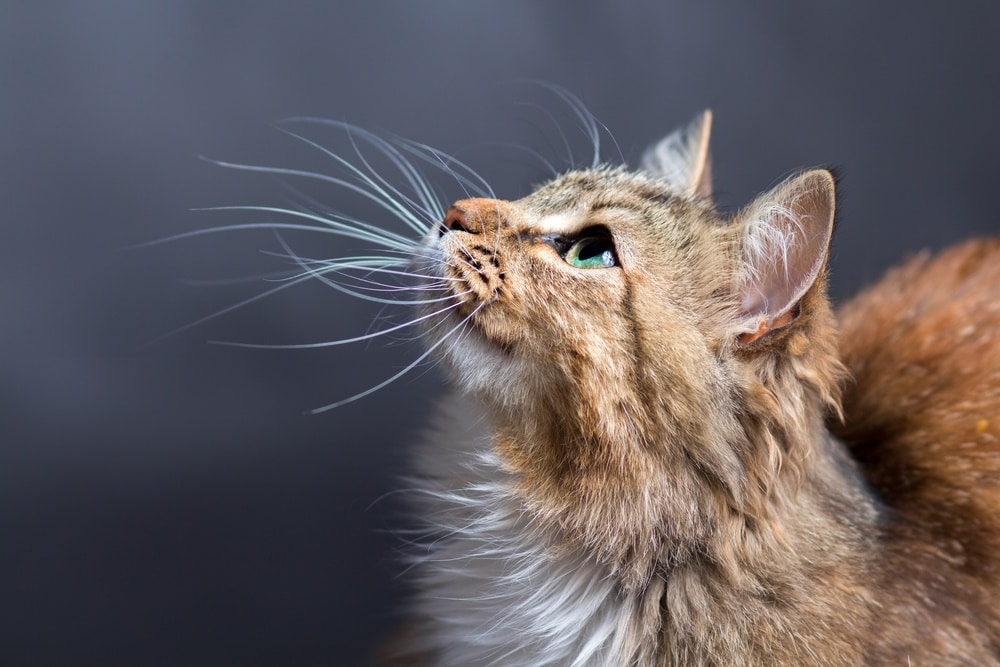
The condition of a cat’s fur can indicate the state of the animal’s physical and mental health. A dull coat or hair loss can be a red flag of anything, from a nutritional deficiency to stress to a medical condition. It’s worth noting that we’re speaking of the feline’s hair collectively. Hence, we opted for fur and coat to describe this physical feature.

The Genetics of Hair Length
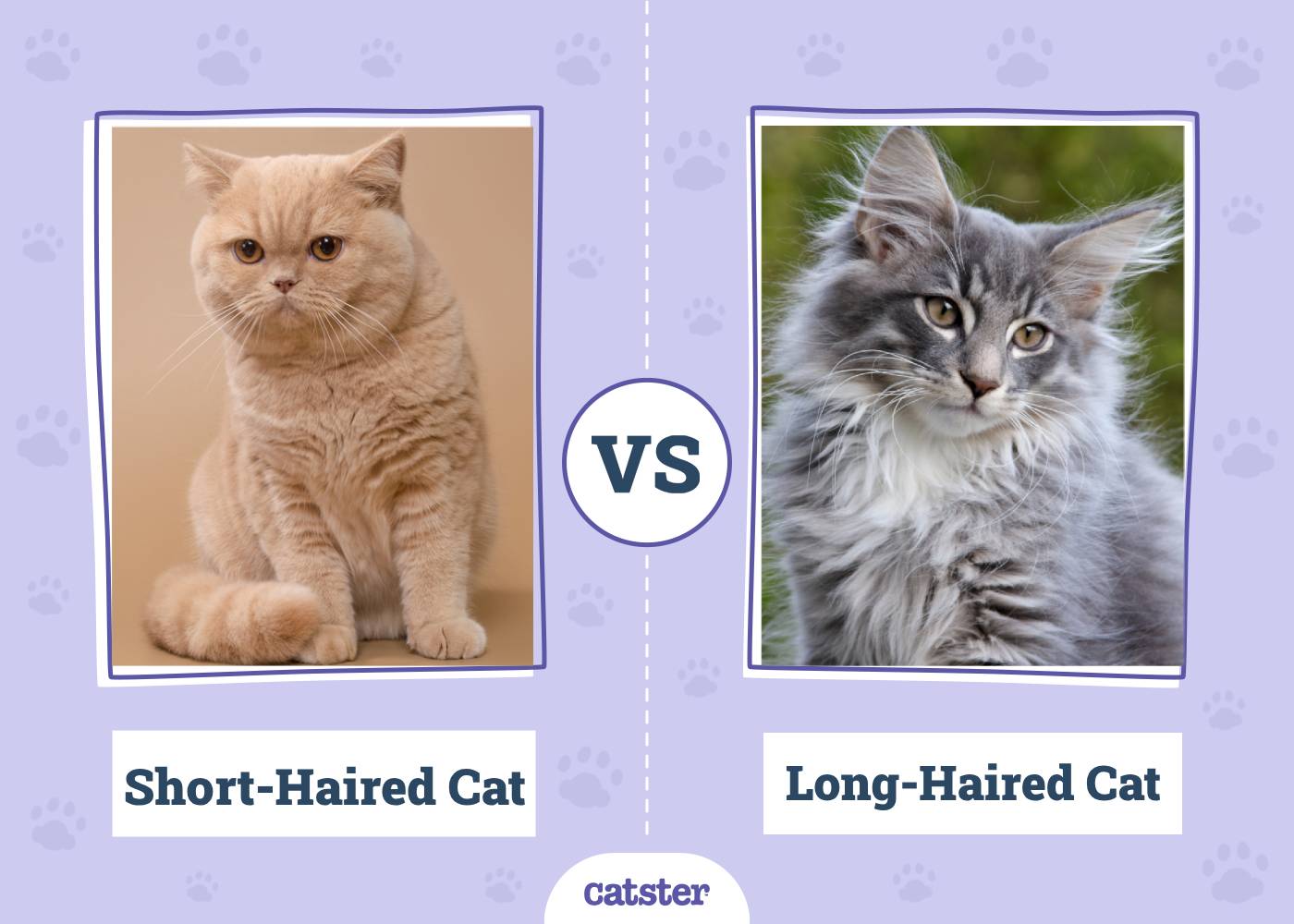
Density and length also comes into the conversation when distinguishing between hair and fur, particularly with dogs. We might use the former to refer to the fine, long coat of an Afghan Hound and the latter when talking about the dense coat of an Alaskan Malamute. The takeaway is that genetics determines an animal’s hair length. A short-haired cat’s fur will only grow so long, for example.
Short-haired is the default for our domestic cats. Scientists have identified the Near Eastern or African wildcat (Felis silvestris lybica) as the likely ancestor of our pets.1 These animals live in various habitats on the continent’s grasslands and scrubland. Being long-haired would be a hindrance since it could get matted quicker and hamper their survival and reproductive success.
Long-Haired Cats
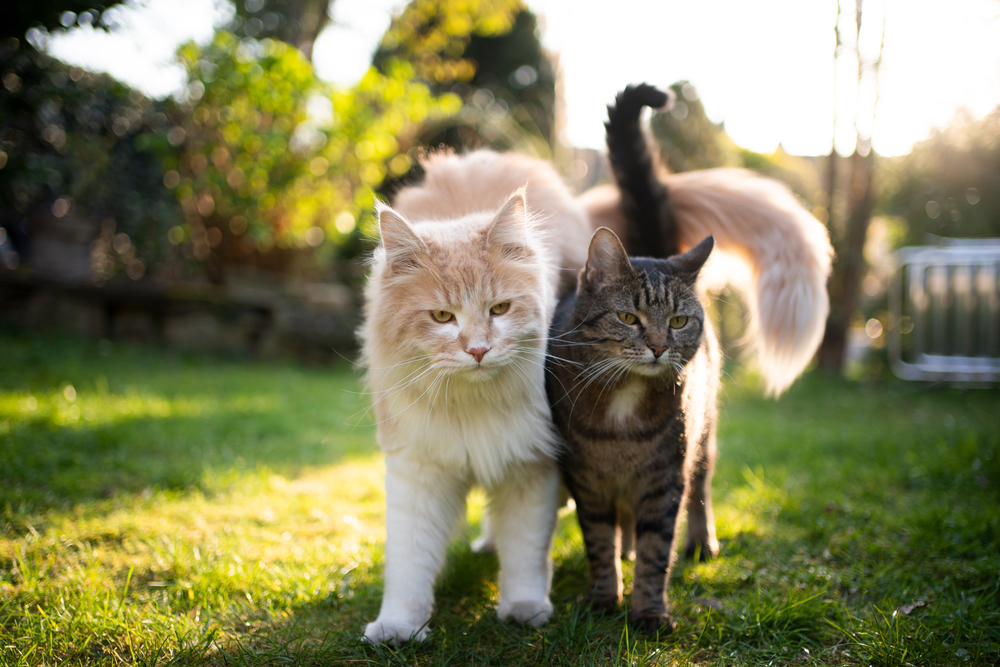
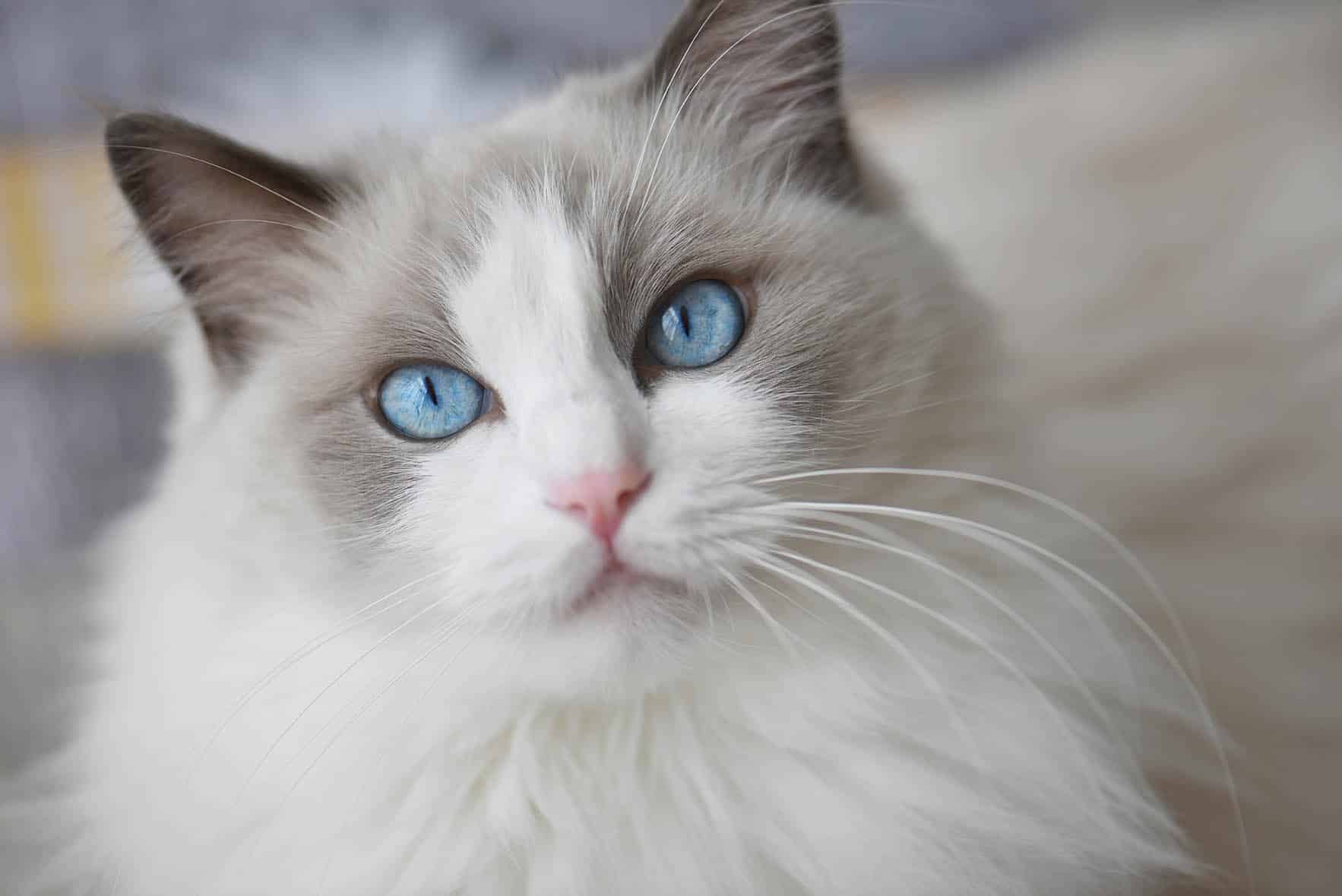
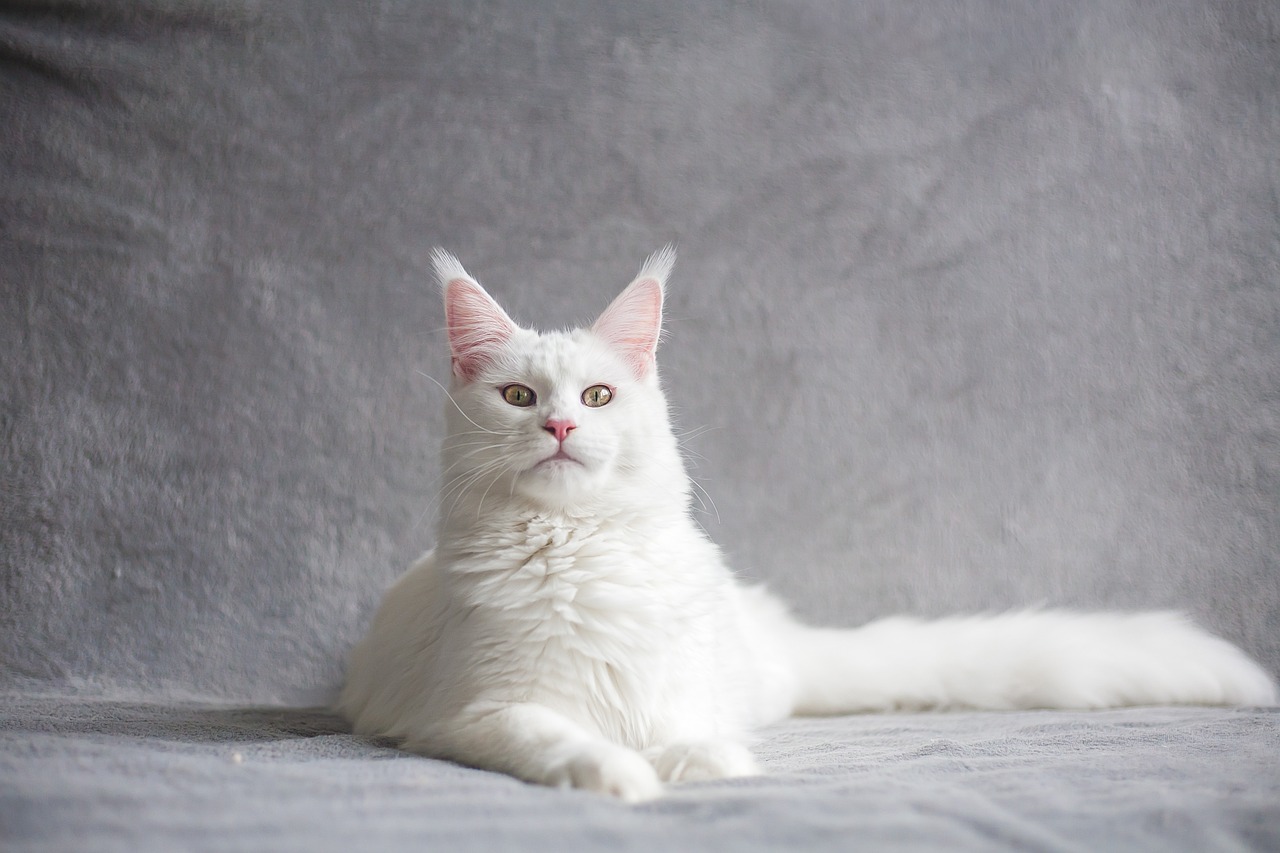
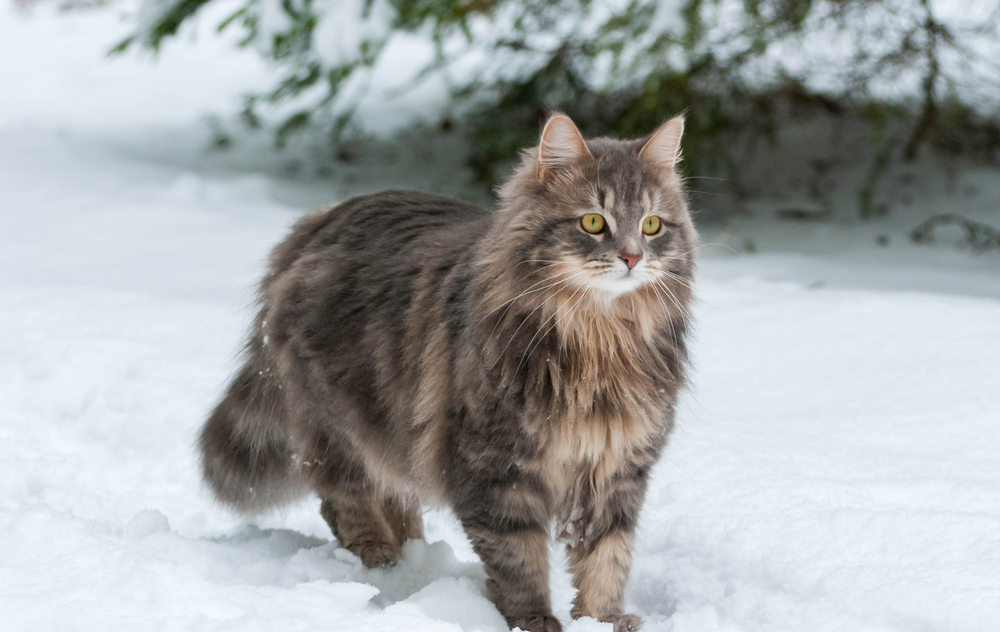
Researchers have four genetic mutations that make cats long-haired. They identified the oldest in the Turkish Angora. The three others are associated with specific breeds: the Ragdoll, Maine Coon, and Norwegian Forest Cat. Being long-haired is a recessive trait. That means a kitten must inherit this copy or allele of the gene from both parents to express it visually.
A mitigating factor in all these variants is the role of domestication and selective breeding. Enthusiasts made being long-haired fixed in these felines by breeding animals with the desired traits. One could also argue that this characteristic is necessary for survival in the case of Nordic breeds. It’s not unheard of in wild felines, with the snow leopard (Uncia uncia) being a classic example.
Fur would probably be a more accurate description of the animal’s thick, long coats necessary to tolerate the extreme weather conditions of the mountains of Central Asia. It’s often helpful to distinguish its physical features when discussing whether cats have hair or fur. This species makes a solid case for using the latter term.

Types of Cat Hair
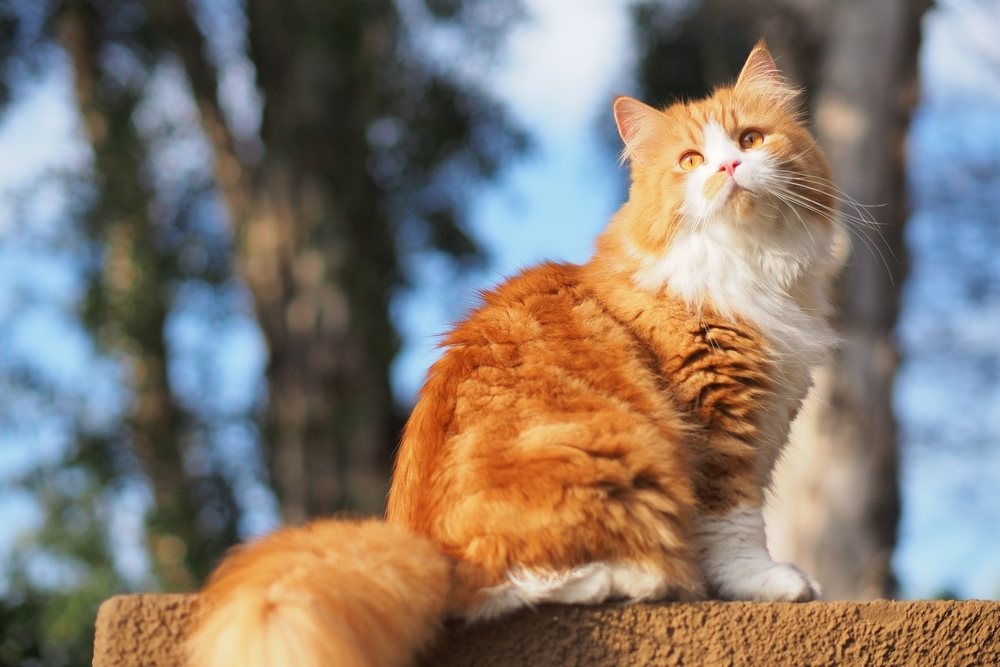
We can find other incidents where using hair or fur might be more appropriate. Let’s consider the types of hair that most cats have. Guard hairs are the ones that give your pet their color and are the ones you stroke when interacting with your kitty. Their length is relatively long, depending on the breed. These coarse hairs are a protective outer coat, acting as a water-repellent barrier and helping shield a cat’s skin from other environmental elements.
Awn hairs are the next layer. It’s shorter than the top one. It’s multi-functional, helping insulate and protect.
The down hairs are next and closest to the animal’s skin. Its purpose is in its name—to keep the feline warm, not unlike the comforter you put on your bed. Multiple layers leave space for air for additional insulation.

Whiskers
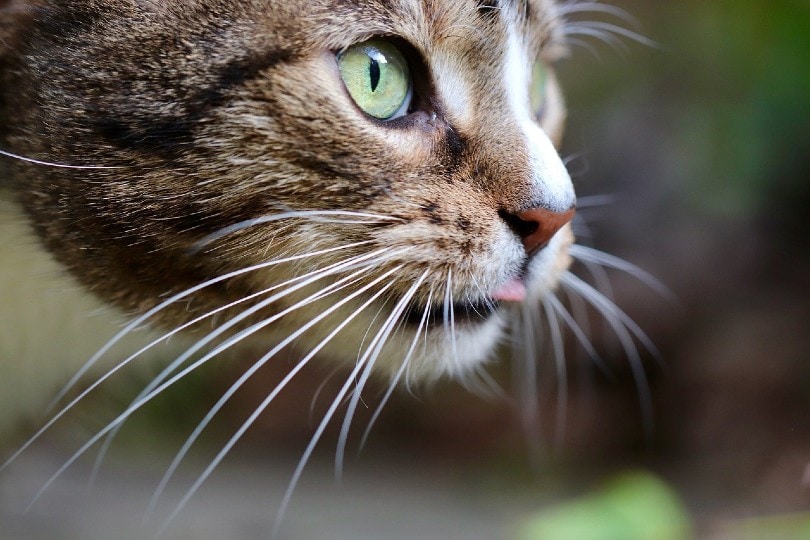
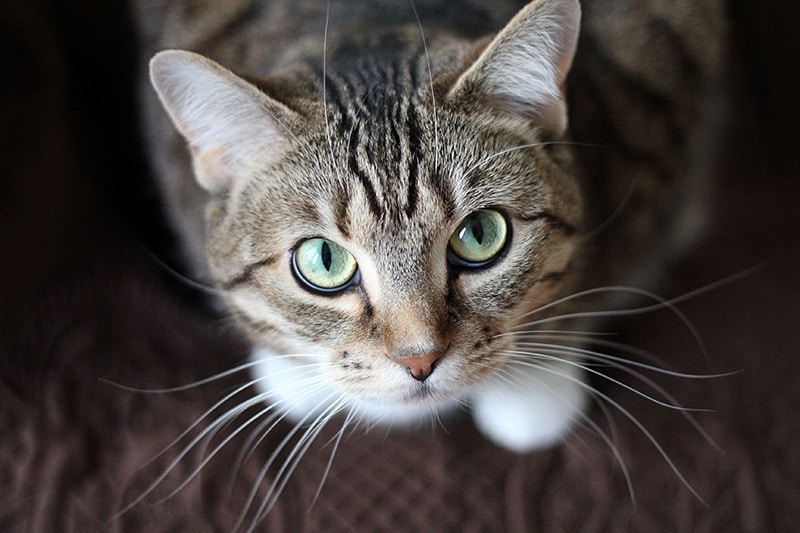
The most specialized of a cat’s hairs are their whiskers. They exist on the animal’s face, above the eyes, and on their legs. They serve a sensory function with their terminal connection to nerves. They help your kitty navigate their world, even in the dark. They provide much information about the environment and surroundings that a cat needs to hunt and survive life’s challenges.
No one would refer to a cat’s whiskers as fur. It’s one case where we can definitively say they are hairs, although many may not know what they are. After all, they differ from what we think of as hairs. They are long and stiff. Their sensory function is evident if you try to touch them. Even the most docile pet will likely object to this contact.


Final Thoughts
The difference between hairs and fur is a matter of degrees. While the two words mean the same thing, we often differentiate the two by density. The former are the individual strands, while the latter refers to the overall collection of them. That’s a colloquial distinction but useful in many contexts. However, whiskers are one example of specialized hairs where this terminology is appropriate.
Featured Image Credit: Light Hound Pictures, Shutterstock

Expert cat care, straight to your inbox
Vet-reviewed advice, behavior tips, and the best of Catster. Free, and you can unsubscribe anytime.
By signing up, you agree to our Terms & Conditions and Privacy & Cookies Policy.
Chris has been a science-focused pet writer since 2009, specializing in health and the environment. She lives with her husband Norm and three amazing cats in the land of 10,000 lakes. When she's not writing about cats, Chris also enjoys boating and sampling wine. She has her WSET 1 and 2 certifications and is currently pursuing her Certified Wine Specialist Award (CSW).
Join the conversation
Ask a question, share your story, or send private feedback.