8 Benefits of Probiotics for Cats: Our Vet Explains

In this article
Both human and veterinary literature is filled with topics on more natural ways to help heal the body. Eating whole foods, eating less processed foods, taking vitamins, and probiotics are common topics you may hear about. But many people may not know that probiotics can also be given to our beloved pets! While there are on-going studies about this topic, giving probiotics to your cat may have some benefits. Especially if your cat has had acute or chronic gastrointestinal issues, and/or if they have underlying immunosuppression from a number of diseases. Let’s talk about probiotics in cats.

What Are Probiotics?
The normal gastrointestinal tract is filled with millions of bacteria and other microorganisms. Many of these organisms help with normal and healthy digestion, but may also pose a problem if there is an imbalance. If your cat has acute or chronic GI issues – diarrhea, gas, constipation, vomiting, bloating – their normal gastrointestinal tract microbiome may be imbalanced.
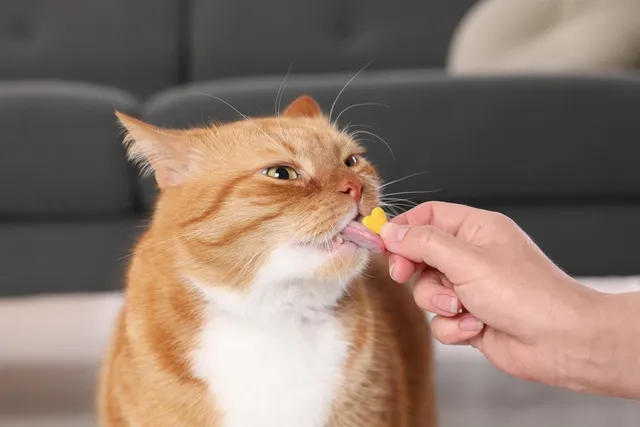
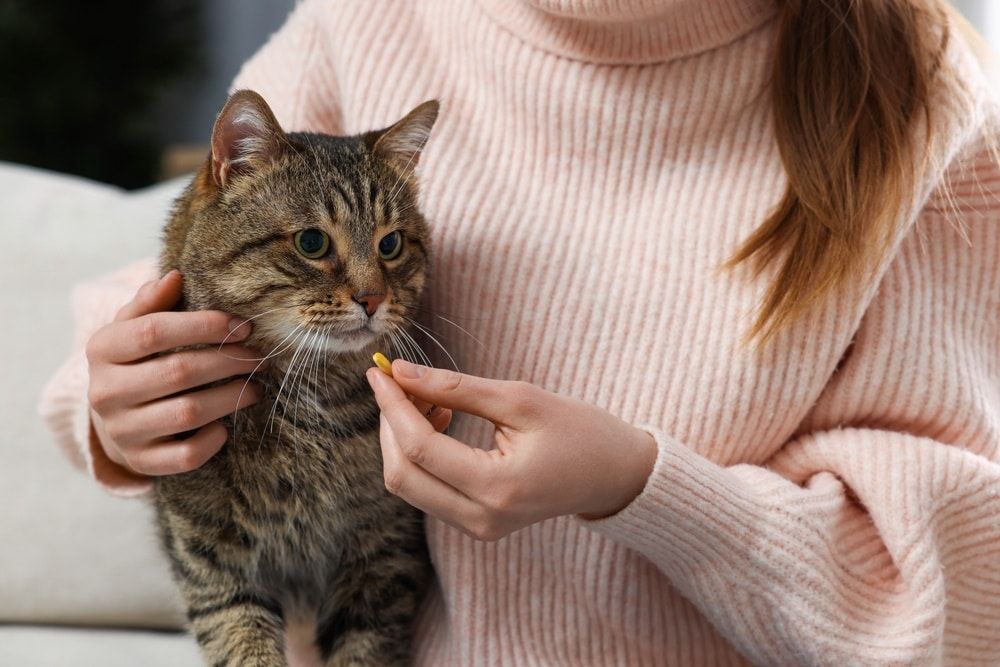
Probiotics are live bacteria and sometimes yeast that are taken as an oral supplement. Typically, in cats, probiotics are eaten by your cat in powder form, or a capsule. When eaten, these probiotics may help to restore the natural balance of your cat’s healthy intestinal tract microbiome.

The 8 Benefits of Probiotics for Cats
1. Easy to Mix into Their Regular Food
Most come in powder or capsule form and are easy to administer. Oftentimes the capsules can be opened, and the contents mixed into your cat’s food.
2. Helps to Balance the Normally Healthy Gut Microbiome
Every living mammal has healthy bacteria, yeast, and other organisms in their gut. This is how we are able to eat, break down, digest, and defecate food – and also how our body and other organ systems are nourished. Probiotics simply help to balance the system that is normally there.

3. Promotes Healthy Digestion
As we already discussed, “good bacteria” is needed for a healthy digestive tract. Providing probiotics is not foreign – you are introducing microorganisms into the gut that your cat should already be used to.

- NO MESS - The 360° tray on this cat food and water bowl set has a raised design to catch and contain stray crumbs and drips. Protect your indoors and floors from wet and messy meals!
- WHISKER FRIENDLY - Shallow and wide metal containers with flat bottoms ensure your kitty can enjoy mealtime free from whisker fatigue!
- CHEW-SAFE MATERIALS - Kittens and cats love chewing on silicone and soft rubber - but it's a choking hazard. Our cat feeding station materials are anti-chew for a 100% safe feeding frenzy!
Feeding your cat a high-quality diet is important for keeping them healthy and happy. But it goes beyond the food you choose; the dishes they use also matter. The Hepper NomNom Cat Bowl is our favorite for its unique, five-star design that protects from whisker fatigue and promotes good posture which also aids in better digestion. As an added bonus, it’s beautifully crafted and offers a modern take on the traditional cat bowl that fits seamlessly with all home stylings. Learn more about the NomNom by clicking here.
At Catster, we’ve admired Hepper for many years and decided to take a controlling ownership interest so that we could benefit from the outstanding designs of this cool cat company!
4. Promotes Increased Immunity
The GI tract is one of the largest components of a healthy immune system. Therefore, maintaining a healthy intestinal tract can help your cat fight off attacks on their immune system. This is especially true if your cat already has a compromised immune system such as FeLV, FIV, neoplasia, diabetes, etc.

5. May Help to Alleviate or Decrease Severity of Diarrhea
Diarrhea may just be part of the cascade of an unhealthy intestinal environment. Probiotics may help to balance the gut quicker, either stopping or decreasing the severity of diarrhea.
6. May Help with Anxiety
There are certain types of probiotics that are marketed for anxious behavior. When given and eaten on a consistent basis, these probiotics have been shown to decrease anxious behavior.

How Often Should You Give Probiotics to Your Cat?
This depends on what your cat is suffering from, and for how long. For example, if your cat has had an acute episode of diarrhea, then a veterinarian may prescribe probiotics for only a week or two. Typically, they are given to your cat to eat once daily. If your cat has issues such as chronic constipation, chronic diarrhea, IBD, underlying viral disease, etc., then the veterinarian may want your cat to be on probiotics lifelong. Again, probiotics are typically a once a day supplement, but the veterinarian will prescribe them appropriately to your cat depending on their exact health issues.
Negative Side Effects of Probiotics in Cats
As with most things, there is the possibility of too much of a good thing. Giving probiotics may offset the microbiome balance even more, or tip the scales in the opposite direction. Unfortunately, some cats will not experience an improvement in their abnormal signs, even with probiotics.
While most of the probiotics have been formulated to feed to cats, there are some extremely picky eaters who just will not eat them. Most cat probiotics are tasteless and/or odorless, while others are flavored. It never fails that there will be those cats that will be able to tell there is something in their food and you will never be able to get them to swallow the probiotic.
As with most things concerning cats, you should never give your cat a probiotic that is labeled for humans. Humans and cats do not have the same kinds and/or amounts of microorganisms in the GI tract. Giving a human probiotic may be harmful and severely imbalance your cat’s gut organisms. Always use a probiotic that is labeled for cats and trusted by your veterinarian.
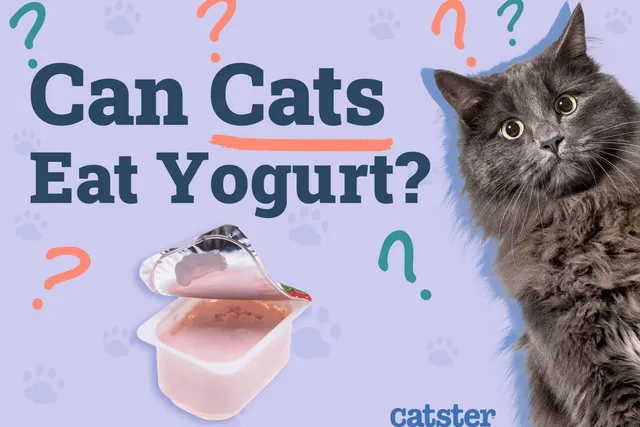
Foods like yogurt that contain “live cultures” are also not recommended. Again, these are labeled for human use, not for cat (or dog) use. In addition, many cats’ GI tracts are unable to tolerate large amounts of dairy. Excess dairy may actually do more harm than good by causing excessive diarrhea and/or vomiting.

Conclusion
Probiotics are supplements, typically in a powder or capsule form, that may help to restore the balance of your cat’s GI tract microbiome. Your cat naturally has good bacteria, bad bacteria, yeast, and other microorganisms that live along their entire intestinal tract. These organisms help with the normal breakdown, digestion, and absorption of food and nutrients. With either acute or chronic gastrointestinal issues, the microorganism balance of your cat’s GI tract may be out of order. Probiotics can help balance these organisms, reduce abnormal clinical signs such as diarrhea, help with your cat’s immunity, and may even help with anxiety. Probiotics should only be given to your cat that are labeled specifically for cats, and under the direct supervision and recommendations of a veterinarian.
Sources
Featured Image Credit: New Africa, Shutterstock

Expert cat care, straight to your inbox
Vet-reviewed advice, behavior tips, and the best of Catster. Free, and you can unsubscribe anytime.
By signing up, you agree to our Terms & Conditions and Privacy & Cookies Policy.
Dr. Kim Podlecki DVM (Veterinarian)
A graduate of The Ohio State University College of Veterinary Medicine, Dr. Podlecki has more than 12 years of experience working with small animals in the United States. Dr. Podlecki worked almost exclusively in emergency and specialty medicine for more than 10 years before transitioning to relief in both general practice and ER. Dr. Podlecki also owns her own consulting company (renewvetconsulting.com) with the focus of helping veterinary hospitals prioritize their staff to promote a healthier internal culture.
Join the conversation
Ask a question, share your story, or send private feedback.