Why Is My Cat’s Primordial Pouch So Big? Normal vs Abnormally Large (Vet Verified)


In this article
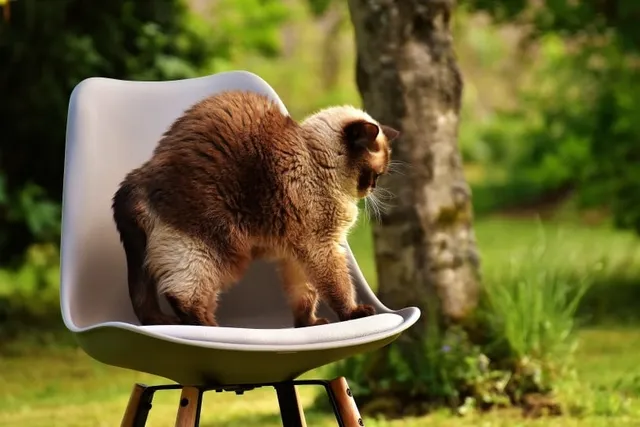
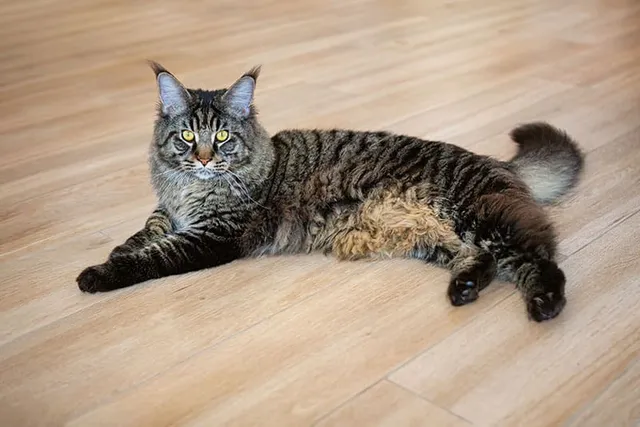
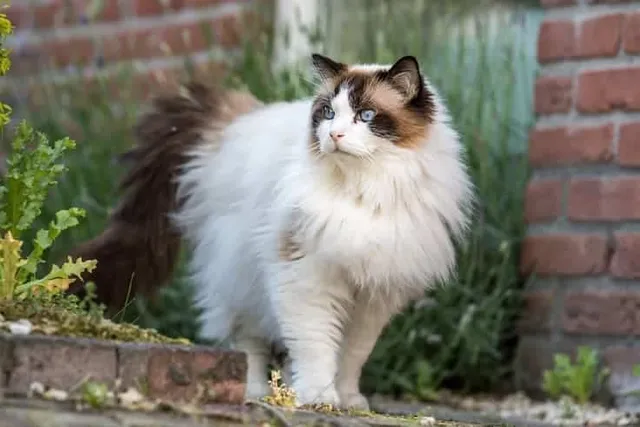
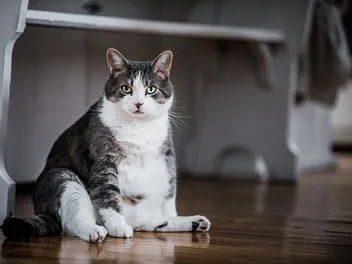
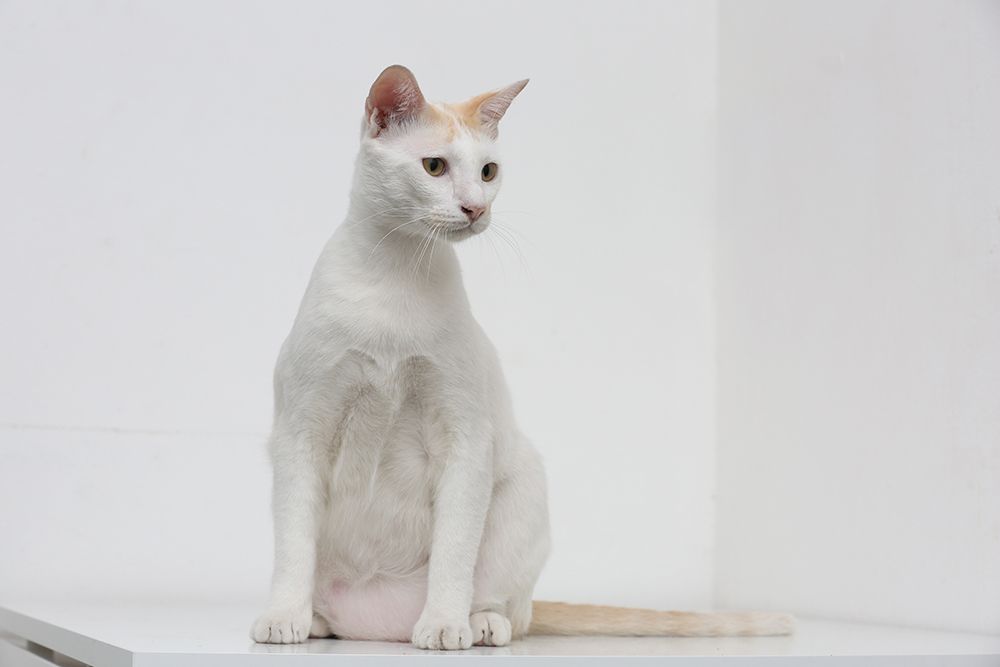
Maybe you first noticed it when you watched your cat dart around the room. You saw a seemingly large flap of skin near their hind end sway back and forth. You immediately panic, thinking your kitty is dangerously obese. What else could explain it? Rest assured; the chances are your pet isn’t abnormal. Instead, it’s a normal body feature that is widespread among feline species, both domestic and wild.
The primordial pouch may look strange because it’s not present in dogs. Besides, we associate a healthy weight with a sleek form. The primordial pouch goes against the norm. After all, you probably want to avoid excess abdominal fat yourself, let alone see it in your pet. Despite being normal, when is a big primordial pouch too big?

The Probable Purposes of the Primordial Pouch
Our cats are more in touch with their wild side than dogs. They even look like their ancestor, the African wild cat (Felis silvestris lybica). Understanding the purpose of the primordial pouch involves considering how it may have benefited wild felines. Three probable theories exist.
One possible explanation is food storage. Felines aren’t as successful at hunting as you may think. Black-footed cats (Felis nigripes) are the best felines at 60%. With speed on their side, Cheetahs bring home food in 58% of their attempts. Your kitty comes in at a measly 32%. It makes evolutionary sense to be able to store food if you do manage to catch something since it might be a while.
Another hypothesis is that the primordial pouch helps cats run faster with greater flexibility to chase prey. Some domestic cats are mousers with no pressure to change their ways. That can explain why it still exists in modern-day felines. They are built for speed, with the Guinness World Record at roughly 30 miles per hour for an Egyptian Mau. Being fast comes in handy for pets that still hunt mice and other prey.
Finally, another theory provides a simpler explanation. Extra padding is, well, extra padding to protect the animal’s internal organs. Felines have many ways to avoid costly conflicts with olfactory, auditory, and visual communication. Having a primordial pouch can be part of their last-resort adaptations for survival. Its site doesn’t impede the cat’s movement, making it a reasonable compromise.
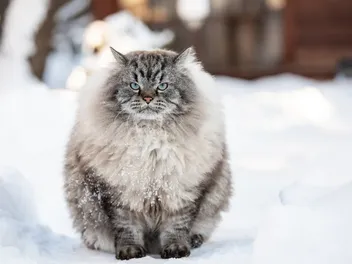
Note that the primordial pouch is more noticeable in some breeds, such as the Pixiebob. The official breed standard even references it. Many others don’t even mention it unless it’s integral to the animal’s conformation.

Pouch or Fat?
We must revisit this part of the question since there seems to be a limit to the structure’s usefulness. A cat’s pouch typically starts developing around 6 months, which is about the time the animal reaches sexual maturity. That supports a survival function for the primordial pouch in case of conflict.
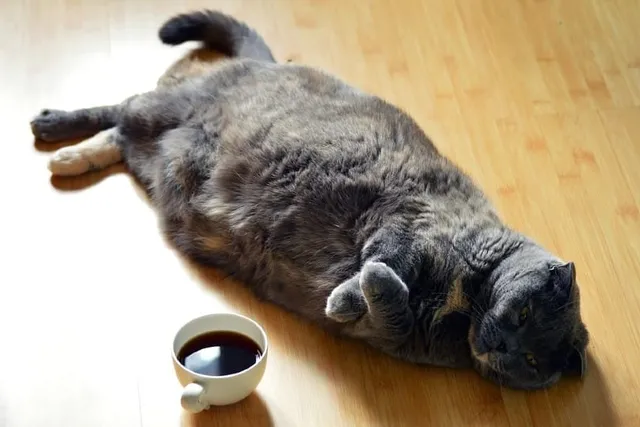
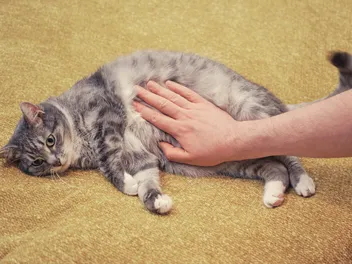
But when is a primordial pouch considered fat? Your pet’s body condition can provide the answer. Your cat’s body should have a well-defined waist when viewed from overhead, and the pouch only flaps because the skin is loose. On the other hand, fat feels solid and covers the entire body. It isn’t confined to the rear of the animal, giving them a rounder shape overall. Because of this excess layer, you may find it hard to palpate your cat’s ribs. Their pouch will also feel more firm or squishy as opposed to loose and floppy.

Treating Obesity
Being overweight or obese carries serious health risks for cats and people. The problems are similar, which isn’t surprising considering we share 90% of our DNA with our feline companions. They include heightened chances of developing diabetes, arthritis, and heart disease. Of course, prevention is the best solution.
However, if your kitty is overweight, you must take action to improve the animal’s health and quality of life. Drastic dietary changes aren’t the answer. Crash diets don’t work any better on our pets than us. Lifestyle changes that gradually decrease caloric intake are the best way to manage this condition. You must monitor your cat’s intake, taking free-feeding off the table. Exercise can also help.
Weight loss diets can help your kitty feel sated even though they’re consuming fewer calories. Felines are obligate carnivores, which gives you an edge with high-protein foods that satisfy these dietary needs. We also recommend limiting treats to no more than 10% of your pet’s caloric intake. Like their food, count or measure how much your cat gets. A 10-pound feline only needs 200 calories daily.
You can also use treats as training aids to encourage desirable behavior. It’s all about timing and creating positive associations. We also recommend using treats interactively. Place them under toys or behind objects to make them look for their rewards. It will provide valuable mental stimulation and enrichment. It replicates how they would find food in the wild, where little comes for free.
Every pet is unique in their nutritional needs, so we recommend reaching out to your vet for advice.
Final Thoughts
Your cat’s primordial pouch is a holdover from the past where it may have served several vital purposes. It exists with all felines to varying degrees, even the king of the jungle. We’d be hard-pressed to call a lion overweight, so it must have some survival value. It only becomes a red flag when it’s not floppy but solid and non-moving. That may signal weight gain, which you should manage promptly.
Sources
https://www.discoverwildlife.com/animal-facts/mammals/hunting-success-rates-how-predators-compare
https://www.guinnessworldrecords.com/world-records/411760-fastest-breed-of-domestic-cat
https://wsava.org/wp-content/uploads/2020/08/Body-Condition-Score-cat-updated-August-2020.pdf
https://vcahospitals.com/know-your-pet/liver-disease-fatty-liver-syndrome-in-cats
Featured Image Credit: Phrakrit Juntawong, Shutterstock
Expert cat care, straight to your inbox
News, insights, and useful advice, delivered to you.

No spam — unsubscribe anytime.
By signing up, you agree to our Terms & Conditions and Privacy & Cookies Policy.
How useful was this post?
Click a star to rate. You can leave written feedback afterwards. (We read all feedback.)
Chris has been a science-focused pet writer since 2009, specializing in health and the environment. She lives with her husband Norm and three amazing cats in the land of 10,000 lakes. When she's not writing about cats, Chris also enjoys boating and sampling wine. She has her WSET 1 and 2 certifications and is currently pursuing her Certified Wine Specialist Award (CSW).