Aside from their adorable meows and beautiful eyes, cats’ fur makes them cute and lovable. The only species of a hairless cat is the Sphynx cat, which is less popular than other cat species. But did you know that cats can lose all their fur and be completely hairless?
Alopecia is the term used to describe widespread hair loss in humans and animals. The condition is mostly genetic but can be caused by hormonal imbalances, old age, and certain medical conditions.
When you notice your cat losing hair on its tail, it’s only natural to get worried. After all, bald patches on a cat’s tail can signify underlying health problems or parasites. So what could be causing this condition, and how can you help your poor cat get back to its former fluffy self? Keep reading to find out.

The 8 Common Reasons Why a Cat Is Losing Hair on Their Tail
1. Allergies
Allergic reactions can sometimes cause hair loss in cats. Cats with sensitive skin or allergies to specific foods may lose their tail hair.
Try switching your cat to a different protein diet and see whether the situation changes. Also, use hypoallergenic pet wipes for grooming and check for any changes.
While it’s hard to identify cat allergies at first, getting to the root of the problem is key to helping your pet recover. Talk to a veterinarian about any possible treatments and medications that can help reduce your cat’s allergies.
2. Stud Tail
Stud tail is a condition that affects cats, particularly those of a more rambunctious nature. It is characterized by an accumulation of sebum (an oily secretion from the skin) around the base of the cat’s tail.
This leads to excessive hair loss in the affected area and the formation of bald spots or scabs on the cat’s tail. If your cat is showing signs of having a stud tail, you’ll need to take it to the vet for treatment. Your vet may recommend specialized shampoos and medicated creams to help manage the condition and prevent further hair loss.
3. Parasites

Fleas, ticks, and other parasites won’t hesitate to set up camp on your cat’s tail. If you suspect that parasites may be causing your cat’s hair loss, get a professional to do a thorough examination and check for any signs of fleas or other parasitic infections. You may also want to ask your vet about using flea control products such as shampoos and sprays.
4. Ringworm
Ringworm is a fungal infection that can cause baldness and hair loss in cats. It usually affects the head, chest, forelegs, and back. However, if left untreated, ringworm infections can not only spread to other areas of the cat’s body but also infect humans as well.
To help your cat get rid of ringworm, look for topical ointments or shampoos that contain antifungal ingredients. You may also want to consult your vet about oral medications and supplements that can help speed up treatment and prevent the infection from spreading. With proper care, your cat should be back to its usual self in no time.
5. Endocrine Disorders
Endocrine disorders like hypothyroidism or hyperthyroidism can cause your cat’s hair to fall out. These conditions disrupt the normal functioning of a cat’s endocrine system, which is responsible for producing and regulating hormones.
If you suspect that an endocrine disorder may be causing your cat’s hair loss, get it checked out by a vet. Your vet may recommend treatments like thyroid replacement therapy or behavioral changes to help manage the condition.
6. Itching and Pain

Sometimes a cat will lick or scratch an itchy area over and over until it loses hair on that spot. They’ll also do the same for any pain beneath the skin. If you notice your cat repeatedly licking or scratching a specific area, it may be suffering from an allergic reaction or a skin infection.
If so, work with your vet to find out what’s causing the itching and pain and create a treatment plan to manage the issue. In some cases, your vet may recommend supplements that can help promote healthy skin and reduce inflammation.
7. Side Effects from Medication
Certain medications, like anti-parasitic or anti-inflammatory drugs, may cause hair loss in cats. If you recently started your cat on a new medication and notice that it’s losing fur, talk to your vet about switching to another drug or changing the dosage.
8. Overgrooming

Known as psychogenic alopecia, this is a behavioral issue in which the cat obsessively licks and scratches due to compulsion and anxiety. Most cats that suffer from anxiety tend to overgroom their belly, sides, and back of their legs, but the tail could also be a target.
Depending on the severity, the cat might need medical treatment for its wounds to help the skin regenerate and allow the hair to grow back. Changes to the environment and daily behavioral management can help by keeping the cat mentally and physically stimulated. However, cats with extreme anxiety cases might need anti-anxiety medication.
How to Prevent Hair Loss in Cats
Is your cat’s hair loss getting out of hand? If so, consider the following tips to keep things under control:
Feed Your Cat a Balanced Diet
A well-balanced diet can help keep your cat’s hair healthy and strong. Look for food that contains essential vitamins, minerals, and fatty acids like omega-3s. This will help promote a healthy coat and keep your cat looking its best.
- Our Recommendation: Best Cat Foods – Catster’s Reviews & Top Picks
Use the Right Grooming Products
When you’re grooming your cat, make sure to use only shampoo designed for cats. This will ensure you are not accidentally using something too harsh or drying on your cat’s skin.
The best pet shampoos are carefully formulated to clean your pet without causing irritation. Hepper's Colloidal Oatmeal Pet Shampoo does a great job of this by combining soothing ingredients like aloe vera and colloidal oatmeal. It is also pH-balanced and free of irritants like dyes, soaps, sulfates, and phthalates. You and your pet will both enjoy the fresh, clean scent, too!
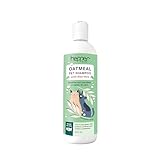
- Only Natural Pet Shampoo - Our vegan, plant-based formulation is made with safe and natural...
- No Soap - A cat and dog wash free from soaps, glutens, dyes, DEA, sulfates and phthalates means it's...
- Colloidal Oatmeal - Formula soothes and nourishes dry, irritated skin, providing itchy skin relief...
Protect Your Cat from Allergens
Allergies are also a common cause of hair loss in cats. To protect your cat from allergens, try to minimize its exposure to dust, pollen, and chemicals. You may also want to invest in a high-quality air purifier that can help remove these allergens from the air.
Arrange Regular Visits to the Vet
Regular vet visits are also key to managing your cat’s hair loss. Your veterinarian can perform a physical exam and run tests to determine the underlying cause of your cat’s hair loss.
Final Thoughts
Every cat owner wants their feline friends to look their best. Now that you know what causes tail hair loss in cats and how to prevent it, you can help keep your cat’s coat looking amazing.
Remember to consult a vet before jumping to any outrageous conclusions. It is best for your cat and your peace of mind.
Featured Image Credit: Azovsky, Shutterstock