Why Does My Cat Reach His Paw Out to Me? 9 Vet-Verified Reasons


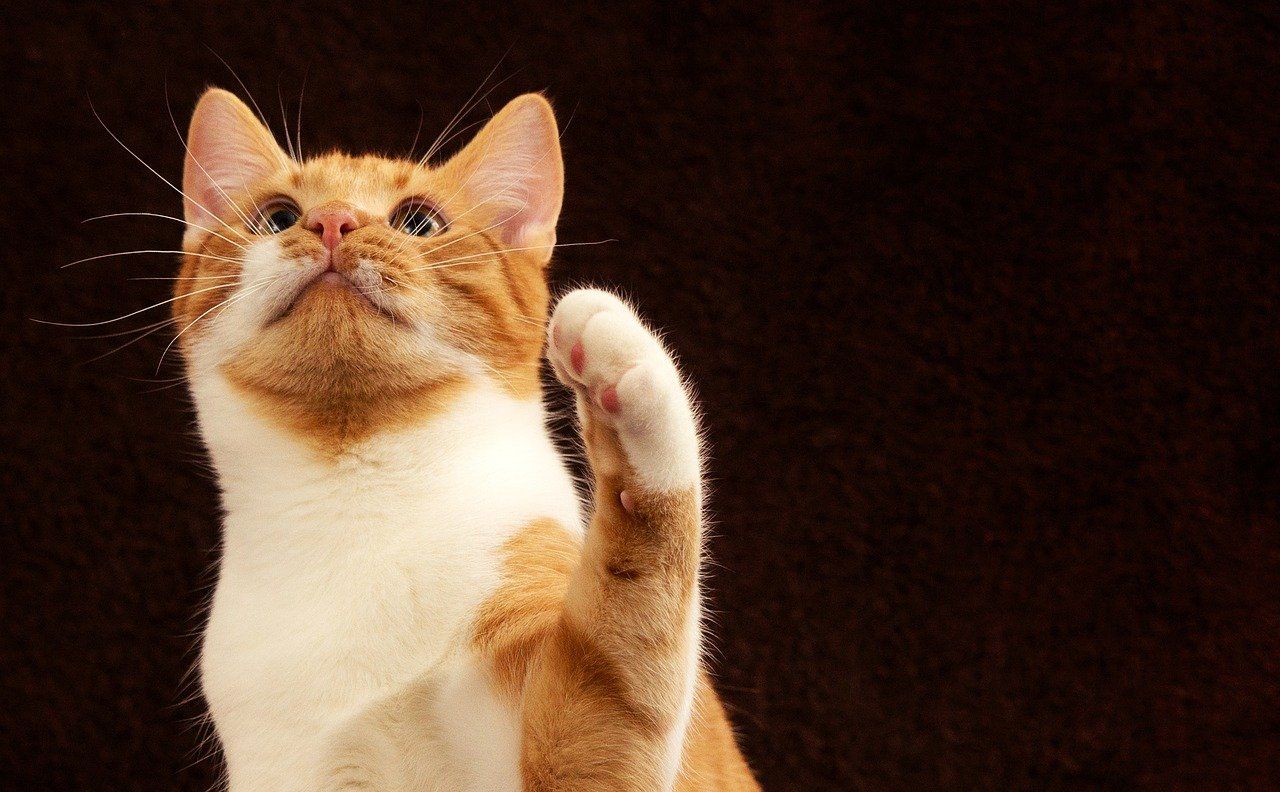
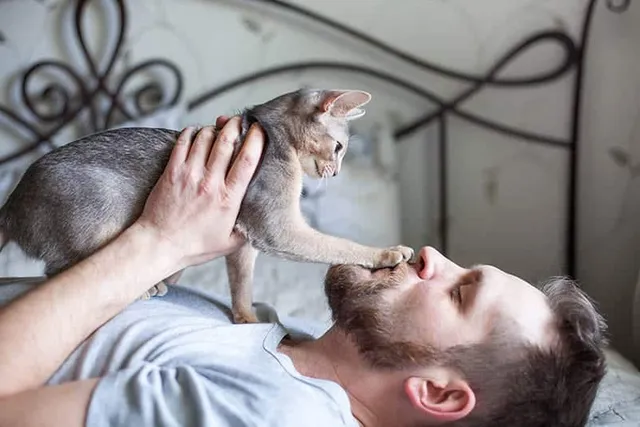
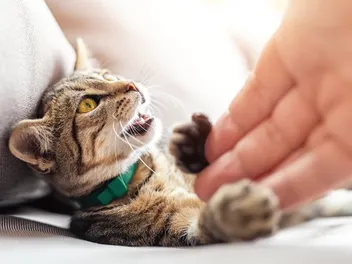
There are several reasons that your cat may reach out to you, whether they are lying down or lightly tapping you with their paw while standing up. As you might imagine, the most obvious reason is to try to get your attention. Also, let's be honest—your cat reaching for you with their paw may be the most adorable way that they can do this.
However, it can also mean other things that don't necessarily have anything to do with you at all. Here is a complete list of all the reasons that your cat may reach their paw out toward you.

The 9 Reasons Why Your Cat Reaches His Paw Out to You
1. Attention
Many cats may attempt to grab your attention by reaching their paw out toward you. There are many ways that your cat could potentially try to get your attention, however. If the paw reaching doesn't work, they will likely try other methods (like sitting on your computer keyboard).
Usually, you can fulfill your cat’s need for attention by petting them. However, some cats will be getting your attention for a different reason. Perhaps they need more food or want you to play. Either way, as soon as you start paying attention to your feline, they’ll probably let you know what they want.
2. Stretching
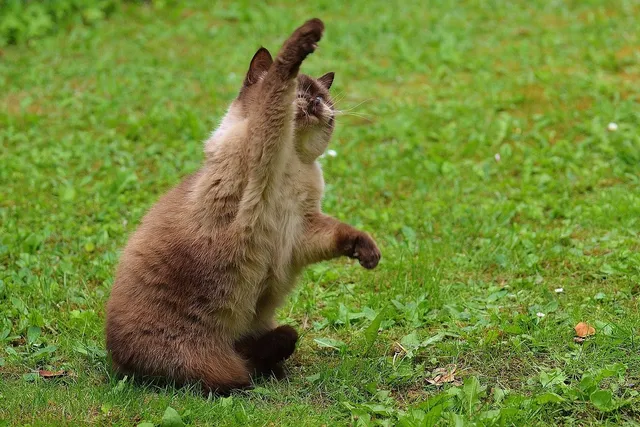
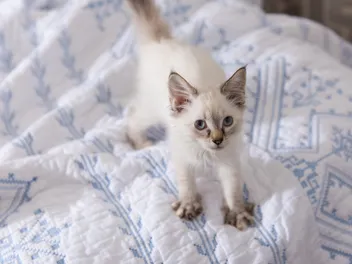
Cats love to stretch, though some do it more than others. It isn't uncommon for your feline to accidentally stretch their paw in your direction while they're stretching. This is an accident and not necessarily an indication that they want your attention.
You can usually tell if your cat is stretching by what they're paying attention to. If they're looking straight at you, they probably want some attention. However, if your cat puts his paw on you when he sleeps or has his focus elsewhere, he may just be stretching.
Stretching is an extremely relaxed behavior in cats, so it isn't uncommon for them to do it often. Don't be surprised if your cat seems to stretch every time they get comfortable.

3. A Request
Sometimes cats don't want our attention for affection. Instead, they may need something. A door could be closed that leads to their favorite sleeping spot, or they could be out of water.
Typically, if a cat wants something, they'll take off running in that direction as soon as you pay them any attention. That's your sign that your cat doesn't actually want you to pet them, but instead needs you to do something for them.
It seems that only some cats do this, though. Others would rather meow or bang on stuff to get your attention. Either way, this is a sign that your cat needs your help.
4. Form of Play
Instead of requesting a particular toy, which some cats do, your cat could be trying to play with you directly. They might be gently "swatting" you to get you to play with them.
Of course, you should never play with your cat with your hand. Instead, use a toy. Playing with your hands can teach cats that it's okay to bite, which is not what you want. You want cats to think twice about biting or scratching your hands, which they won't do if they constantly scratch and bite them while playing.
If your cat begins swatting you, it is better to remove yourself from the scenario for a few minutes to make it very clear that that is unacceptable behavior. After a few minutes, you can return, and when the cat is calm, offer a toy to play with and direct your cat’s attention toward it.
Our Favorite Cat Toys Right Now
Here are a some of our favorite toys, each catering to a variety of senses and play preferences. Which one will your feline fancy?
| Image | Product | Details | |
|---|---|---|---|

|
Hepper Catnip Mice Toy Set |
|
Check Price |

|
Hepper Furball Set |
|
Check Price |
At Catster, we've admired Hepper for many years, and decided to take a controlling ownership interest so that we could benefit from the outstanding designs of this cool cat company!
5. A Sign of Affection
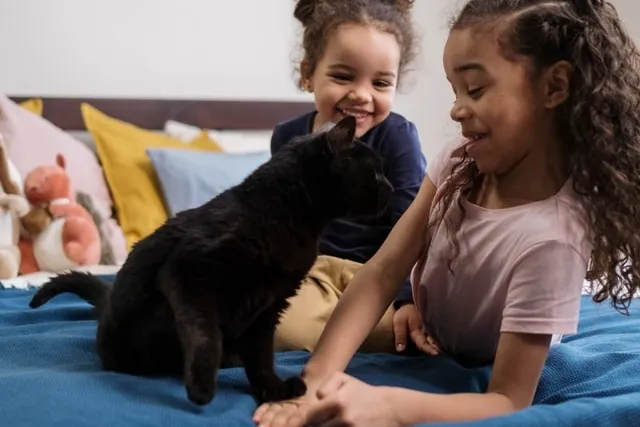
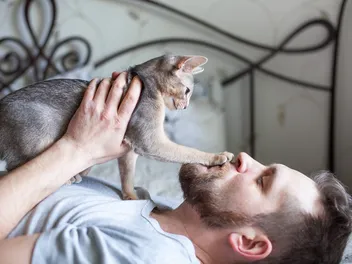
Sometimes, a cat won't necessarily want to be pet. Instead, they may be using their paw to pet you as a sign of affection. Cats are pretty smart creatures, so they're sure to figure out that we pet them because we love them. Plus, petting feels pretty good for them, so it must also feel pretty good for us, right?
It may not exactly work this way, but our cats may think so. If you often pet your cat after they tap you, but they seem uninterested in your attention, this could be what they're up to. Scientists haven't actually studied this phenomenon, but many cat owners are adamant that this is what their cats are doing.
This is one of the rarer reasons, though it seems to be more common with specific cats. If your cat seems to be the petting type, then they may do this quite often. Many cats never "pet" their humans, though. It isn't necessarily a bad thing if your cats do this or don't. It's more of a personality thing.

6. Mimicry
This is similar to the previous reason but doesn't have any affection behind it. There are many things our cats may mimic us doing. Some cats try to drink out of cups, for instance. Others meow when we sneeze. All cats are born with the ability to mimic; it's how they learn to do some adult cat things, like hunting.
However, some cats mimic more than others. It may be that your cat is patting you with their paw because that's what you do with all the other animals in the house. They may not be doing it for any affectionate reason, but only because they want to try it out.
Once again, this is one of the rarer reasons. It hasn't been proven by science, but many cat owners swear by it.
7. Leaving Their Scent
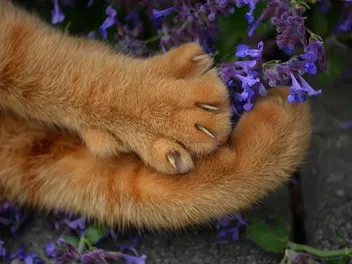
Cats mark things they like. They actually have small scent glands in the pads of their feet, which help them leave their scent when they scratch on things. They may be touching you with their paws to "mark" you.
Usually, this isn't actually a sign that your cat is claiming you or anything of that sort. Cats that are affectionate toward each other would have a mixed scent—they would smell like each other. Cats can tell which cats another cat is around by their scent. Your cat may simply be mixing your scents together to indicate that you're part of the same family.
Cats are intriguing animals who sometimes have odd interests and indulge in unusual behavior. Understanding them might be tough but providing a toy that fosters their instinctual needs and curiosities is simple.The Hepper Hi-Lo Cat Scratcher encourages playtime and offers a cat-appropriate place to scratch.
It’s unique 3-position design and cardboard scratch pad allow your cat to explore different levels, improves their health, satisfies natural feline impulses, and deters your cat from delving into places they should not. Show your cat how much you love and appreciate their quirks by gifting them the Hepper Hi-Lo Cat Scratcher.
At Catster, we’ve admired Hepper for many years, and decided to take a controlling ownership interest, so that we could benefit from the outstanding designs of this cool cat company!
8. Kneading
Cats will often reach out their paws right before kneading. Kneading is a behavior that some contented cats do. It's a behavior from kittenhood. Kittens knead on their mother's stomachs to help the milk express. It is instinctual. Sometimes, this behavior continues into adulthood, when cats will knead when happy and content—like when they were drinking milk.
However, some cats only partially knead. Instead, they may only reach out their paws, never actually kneading with them. Other times, it may be the first step to a full knead. Either way, it is a sign of contentment.

9. Pain
Usually, a cat reaching out a paw is a sign that they are relaxed. However, it can also be a sign that something is wrong. Cats are very good at hiding their illnesses, so you usually won't see many signs that they aren't feeling well.
There are some illnesses that can lead to sore limbs and limping, which your cat may attempt to fix by stretching out their paws. Feline calicivirus is one example of this, as it causes "limping syndrome" in young kittens. This illness requires veterinary attention, so you will need to give your vet a call.
If you're concerned about your cat's health we suggest you speak to a vet.
Conclusion
Cats usually reach out their paws because they want your attention for some reason. They may want to be pet, or they may need food. Sometimes, they may be requesting for a door to be opened or because they cannot reach one of their favorite toys. Usually, it is entirely benign and a sign that your cat is comfortable.
However, it can be a sign of certain illnesses. Cats may stretch their paw out due to muscle cramps, which can be a sign of dehydration, for instance. If your cat seems uncomfortable or is behaving strangely, call your vet.
Related Reads:
Featured Image Credit: Pixabay
Expert cat care, straight to your inbox
News, insights, and useful advice, delivered to you.

No spam — unsubscribe anytime.
By signing up, you agree to our Terms & Conditions and Privacy & Cookies Policy.
How useful was this post?
Click a star to rate. You can leave written feedback afterwards. (We read all feedback.)
Christian started writing for a local newspaper as a teenager, and he's been involved in the publishing industry for most of his adult life. Combining his love of writing with a passion for animals, he is currently the Director of Editorial at Pangolia and the Editor-in-Chief at Catster.
Christian lives in the Philippines with his wife, son, and four rescue cats: Trixie, Chloe, Sparky, and Chopper.