Why Do Cats Slap and Swat? 9 Vet-Reviewed Reasons & Tips

In this article
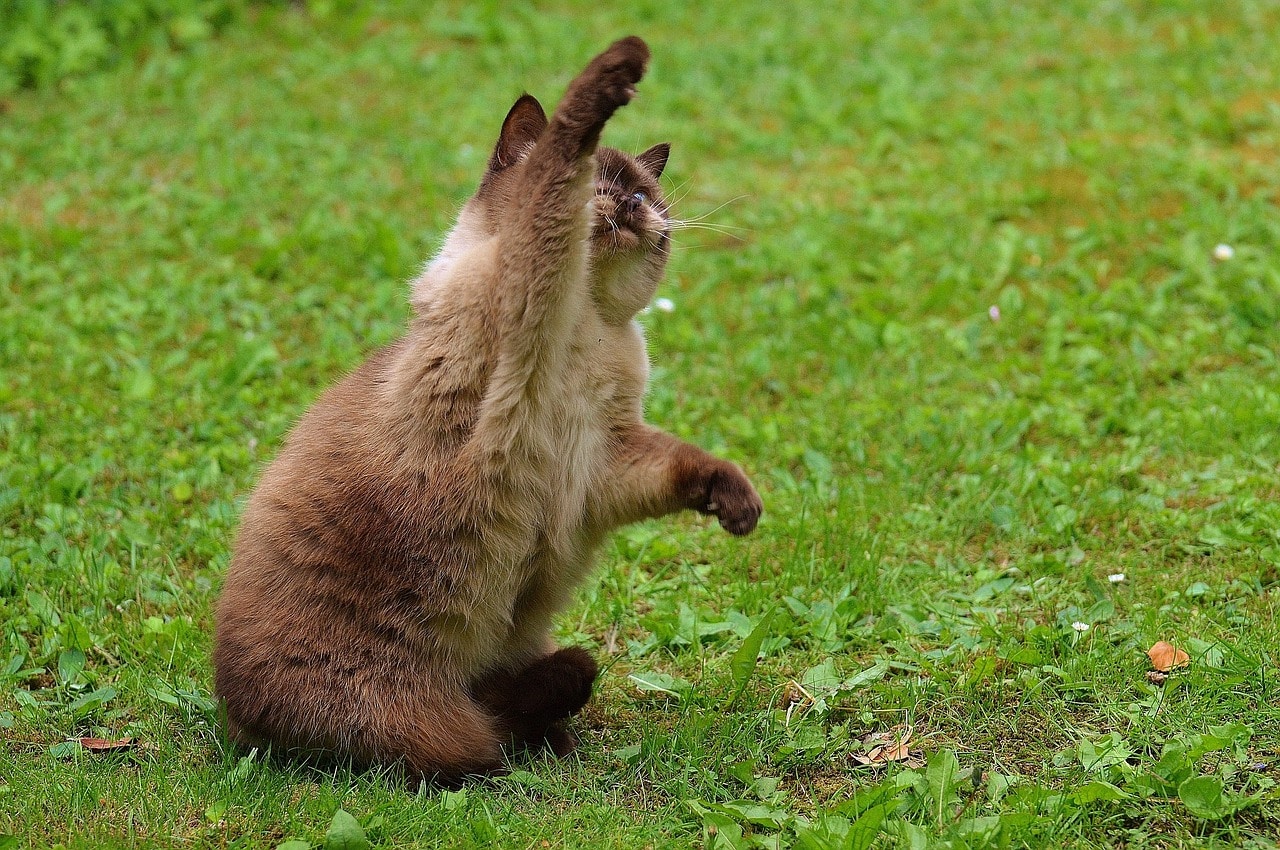
Cats, elegant and beautiful as they are, have some pretty perplexing behaviors. On top of the list is slapping and swatting anything (and anyone) they can get those cute paws on.
But why do cats treat everything like a boxing speed bag? Are they mad at you? Do they think it's funny? Will they ever stop slapping things off your counter?
Answering those questions requires a little understanding of cat anatomy and psychology. So, let's get into it and learn why cats slap and swat.

Cat Paws Are Extremely Sensitive
As any cat owner knows, most cats have a strict "look but don't touch" policy when it comes to their paws. The reason is simple: a cat's paws and toe pads are incredibly sensitive.
Just like their whiskers, their paws contain many nerve receptors. These receptors support a cat's ability to balance, hunt, explore, and understand its surroundings.
They also use their paws to express themselves and how they feel, including playfulness, fear, boredom, and other emotions.
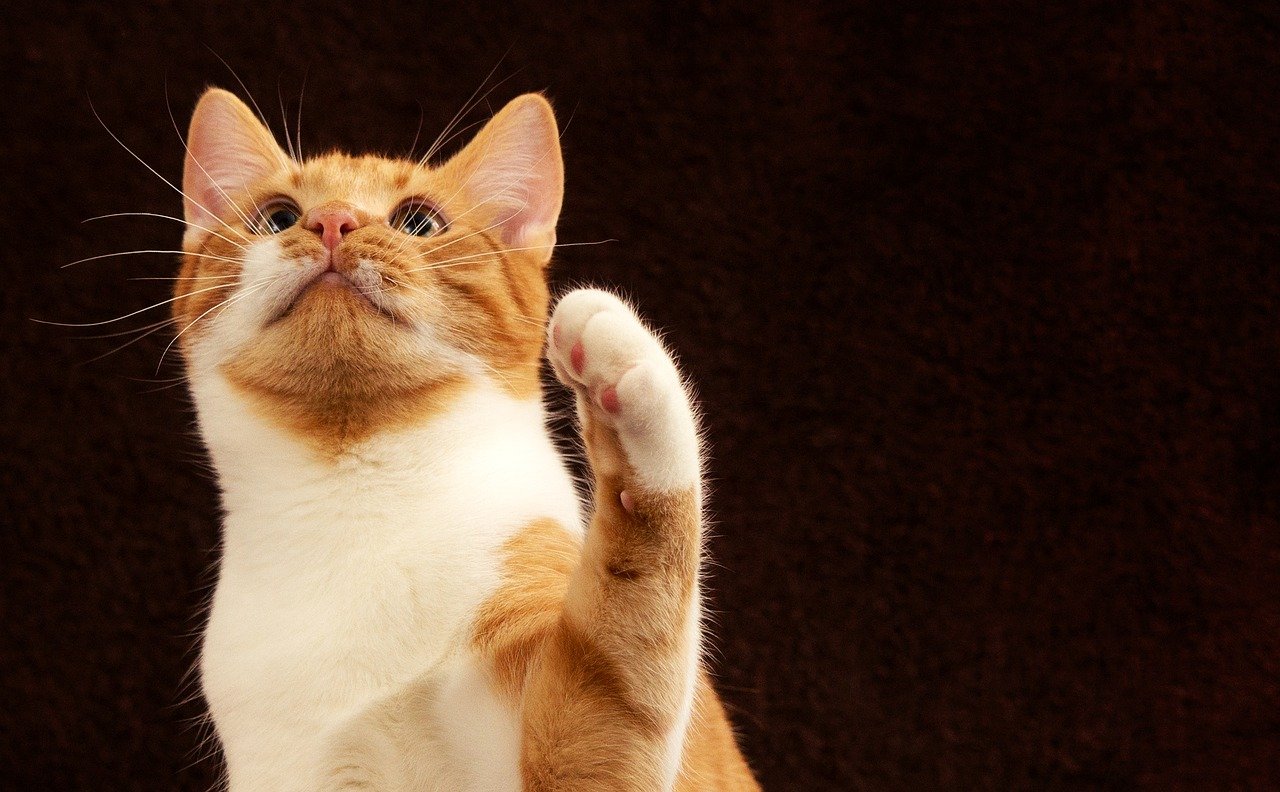
In other words, a cat's paws are some of its most important tools for both survival and communication. They've also learned to use them in various ways, like walking, running, climbing, scratching, checking things out, and even slapping and swatting.
The 9 Reasons Why Cats Slap and Swat
Now we know that slapping and swatting are simply two of the many ways cats relate to the world around them.
As with any feline behavior, however, context is essential to understanding why they do it. Here are some of the most common reasons:
1. They're Feeling Playful
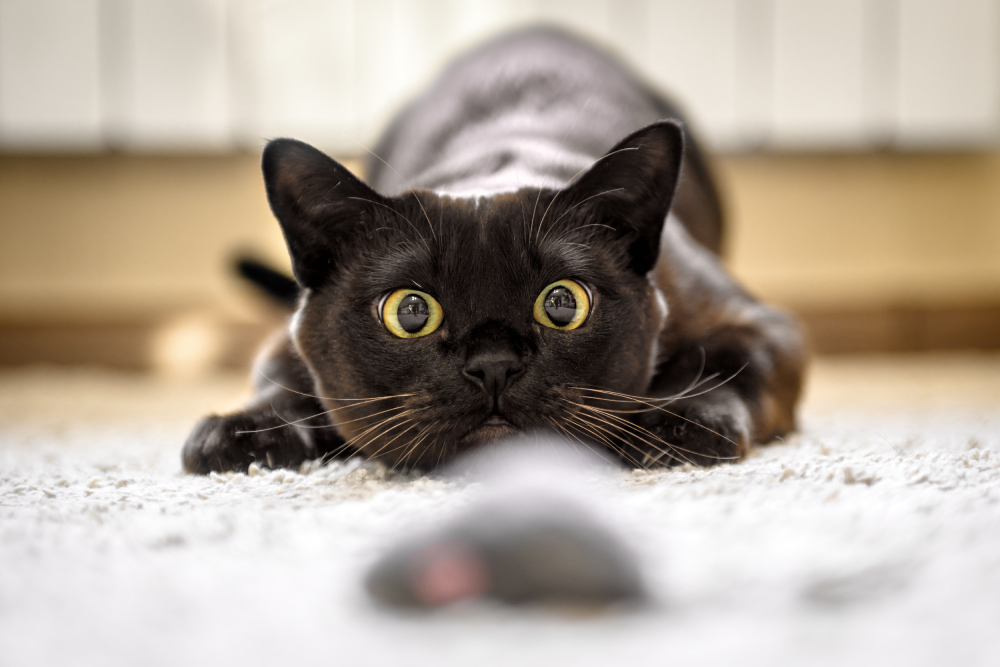
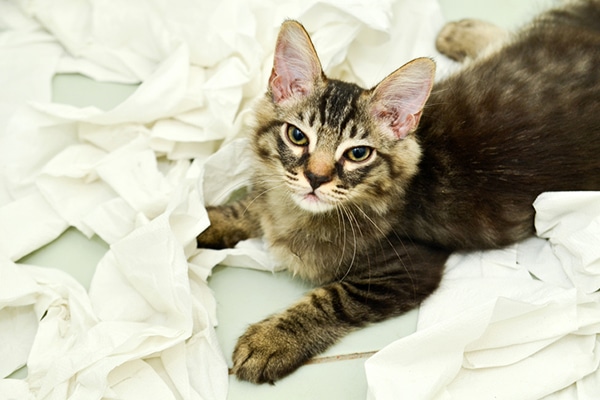
Kittens, in particular, are known for playing rough. They swat and slap as part of their natural play behavior, which often includes pouncing, biting, and chasing.
As they age, most cats will learn to tone down their playfulness (though some never do). But even adult cats will swat and slap from time to time when they're feeling extra playful or if they're trying to encourage you to play with them.
Not sure if they're trying to play with you? Check out the claws. If they're sheathed, your cat is in the mood to play!

2. They're Trying to Get Your Attention
Cats are notoriously independent creatures. But that doesn't mean they don't like or need attention from their humans.
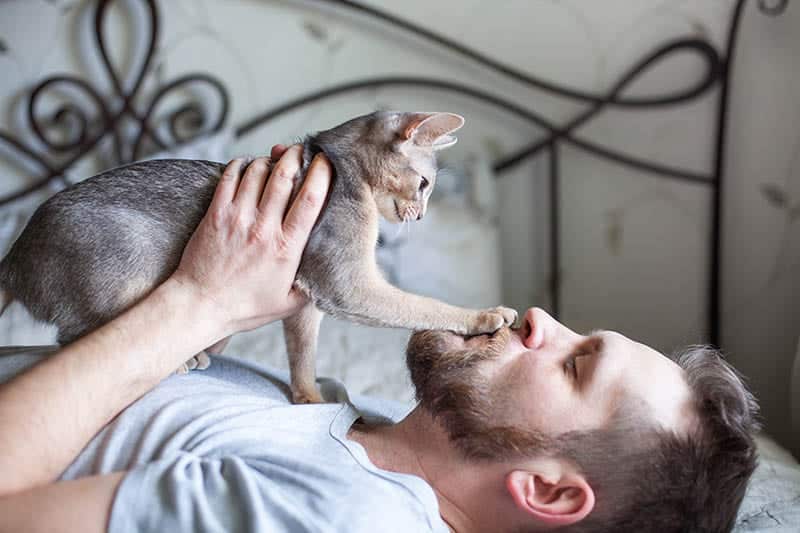
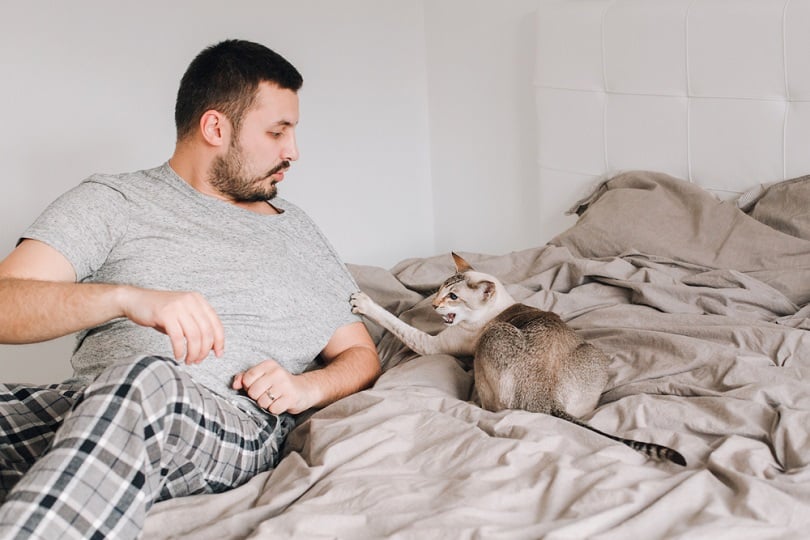
In fact, some cats can become quite demanding when getting petted, played with, or simply being in the same room as their humans. If they feel like they're being ignored, they may swat or slap things around to get your attention.
There's nothing like pushing a glass full of water to the floor to get somebody's attention, after all.
3. They're (Cautiously) Curious
Cats are insatiably curious but also some of the most cautious animals around. That's why cats often swat or slap things they're unfamiliar with.
It's the perfect way to investigate something without coming too close or touching it for too long.
Will the object move? Make a noise? Fight back? Did the object stay still after a good whack? It's probably safe to approach and explore further.

4. They're Overstimulated
Cats can also suffer from sensory overload, such as when there's too much movement or noise around them.
This can also come from whisker fatigue, when a cat's whiskers are constantly bombarded with stimuli (like petting or moving objects), and they can't process it all. Some cats also have a low threshold for being touched, so even gentle petting can be overstimulating.
In these cases, a cat may swat or slap as a way to defend itself from the overwhelming stimulus. It's their way of saying, "Enough is enough!"
Seek veterinary advice if you’re concerned about your pet’s behavior or well-being.
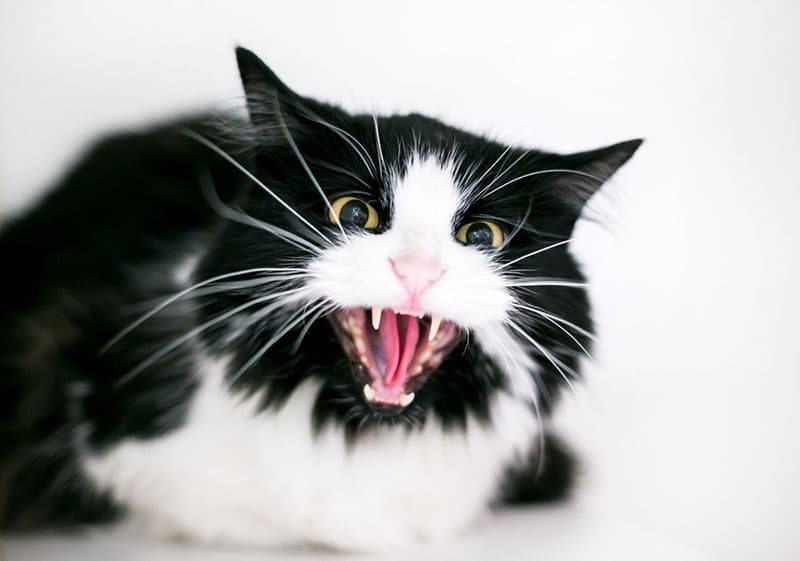
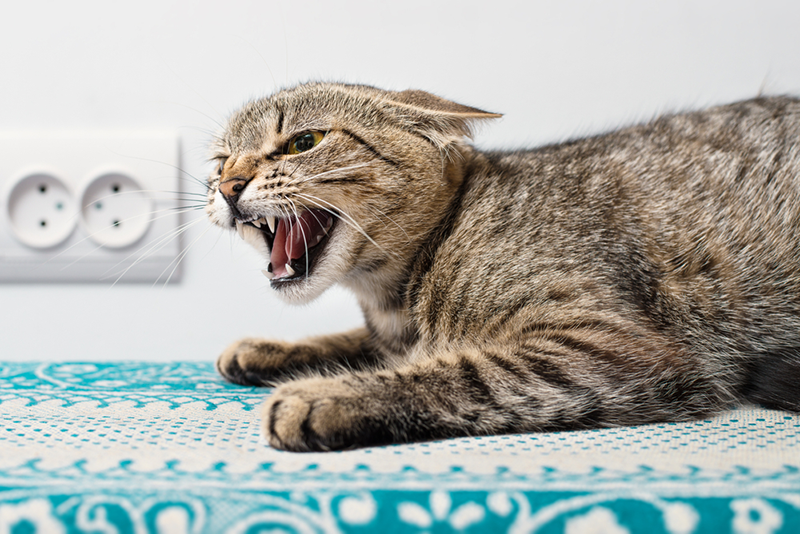
Watch out for swatting combined with any of these signs of aggression in cats:
- Tail swishing
- Ears flattened or turned back
- Whiskers pulled back
- Pupils dilated
- Hissing or growling
- Unsheathing their claws
- A stiff, arched back
Simply leave them alone for a while so they can calm down. Wait for them to approach you on their own terms when they're ready.
5. They're Redirecting Their Aggression
Got an indoor cat? If they notice something outside, like a bird or another cat, they may feel frustrated that they can't get to it.
This can lead to redirected aggression, where they take their frustration out on the nearest thing that moves. That might be you, another pet in the house, or even an inanimate object.

6. They're Afraid or Stressed Out
Cats are creatures of habit, and they don't handle change very well. So it's no surprise they may swat or slap things when they're afraid or stressed out. This can be caused by anything from moving to a new house to adding a new pet or family member.
When this happens, it's important to give your cat time to adjust and make them feel as safe and comfortable as possible. Try not to do anything that will further stress them out, like forcing them into social situations before they're ready. Give them lots of love and attention until they're back to their old self.
7. They're Warning a Perceived Threat
Cats are natural predators, but they're also prey animals. That means they're always on the lookout for potential threats, whether it's another animal or even just a strange noise. If they perceive something as a threat, they may swat or slap at it as a warning.
This is their way of saying, "Back off!" or "I don't like what you're doing." In some situations, it may also be a way of trying to scare the perceived threat away.

8. They're Trying to Establish Dominance
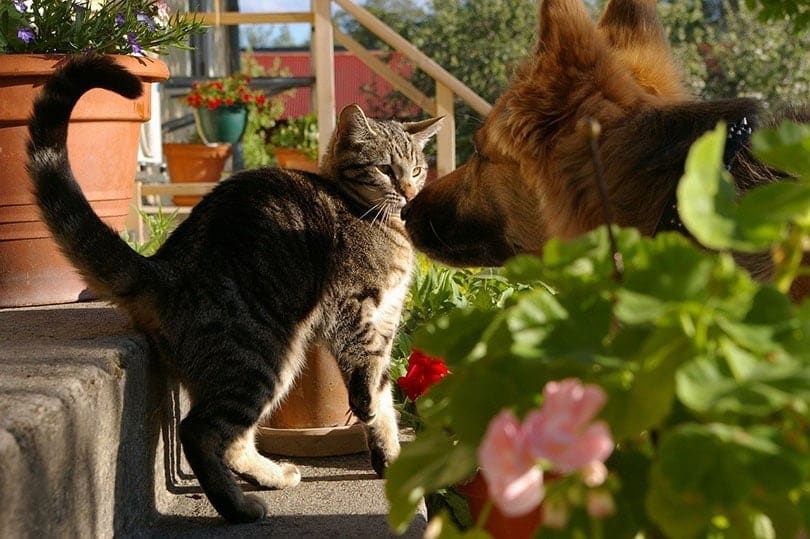
Don't be surprised if your older cat tries to slap that kitten you just brought home. Cats are territorial creatures, and they may swat or slap things (including other cats) to try and assert their dominance.
For well-socialized cats, this usually comes in the form of gentle taps. However, it can sometimes escalate to more aggressive swats or even full-on fights. Keep a close eye on both cats and intervene if things start to get out of hand. Make sure to introduce them properly, too.
9. They're in Full-On Fighting Mode
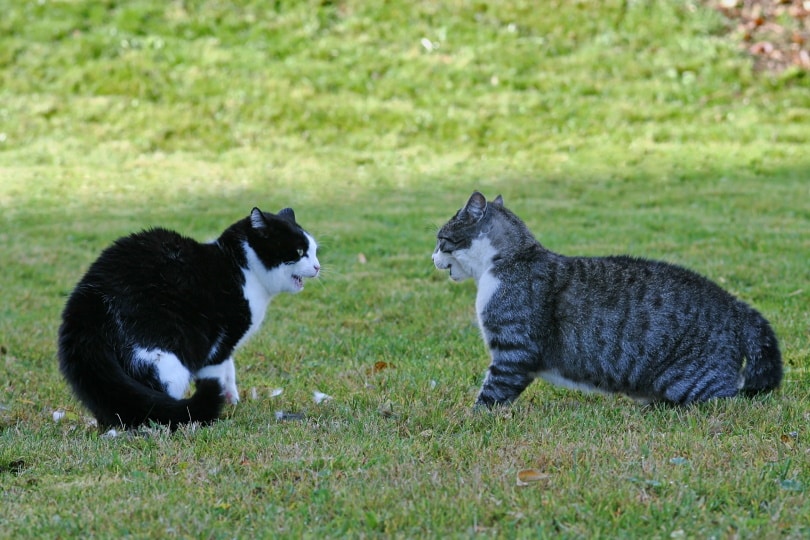
If you've ever seen cats fight, you've probably noticed that aggressive swatting is often part of it. This is because it's an effective way to inflict damage on an opponent while keeping a safe distance. Swatting also allows them to keep their balance and stay on their feet, which is important in a fight.
It's always distressful to see your cat fighting another animal, but you need to figure out why it's happening before you can stop it. Some common reasons include:
- Territory: If there's another animal in their territory, they may feel the need to defend it. This is especially true for outdoor cats who see a lot of other animals in their yard or neighborhood.
- Hormones: Unneutered male cats are more likely to fight than neutered ones. That's because they have high testosterone levels, making them more territorial.
- Illness: Cats who are not feeling well also tend to be on the defensive. They're feeling vulnerable, so they lash out as a way to protect themselves.
Once you know the reason, you can take steps to stop the fighting. For example, if it's due to territory, you may need to keep your cat indoors. If it's hormones, neutering will usually help. And if it's an illness, you'll need to get in touch with a veterinarian.
How to Stop a Cat From Slapping & Swatting
Bad news: it's impossible to completely stop your cat from swatting or slapping. It's a natural instinct, and they'll do it from time to time, no matter what you do.
Still, being on the receiving end of that paw is not always a pleasant experience. It can also lead to broken items in your home and, depending on the situation, can escalate to a fierce fight.
So, what can you do to manage it? Use these tips:
Conclusion
Cat slaps and swats may be annoying sometimes, but it's part of what makes them such amazing (and hilarious) creatures. As long as you understand why they do it and take precautions to prevent accidents, there's no need to worry too much about it. And, of course, if you're ever concerned about your cat's behavior, always consult with a veterinarian.
Sources
Featured Image Credit: Alexas_Fotos, Pixabay

Expert cat care, straight to your inbox
Vet-reviewed advice, behavior tips, and the best of Catster. Free, and you can unsubscribe anytime.
By signing up, you agree to our Terms & Conditions and Privacy & Cookies Policy.
Christian started writing for a local newspaper as a teenager, and he's been involved in the publishing industry for most of his adult life. Combining his love of writing with a passion for animals, he is currently the Director of Editorial at Pangolia and the Editor-in-Chief at Catster.
Christian lives in the Philippines with his wife, son, and four rescue cats: Trixie, Chloe, Sparky, and Chopper.
Join the conversation
Ask a question, share your story, or send private feedback.