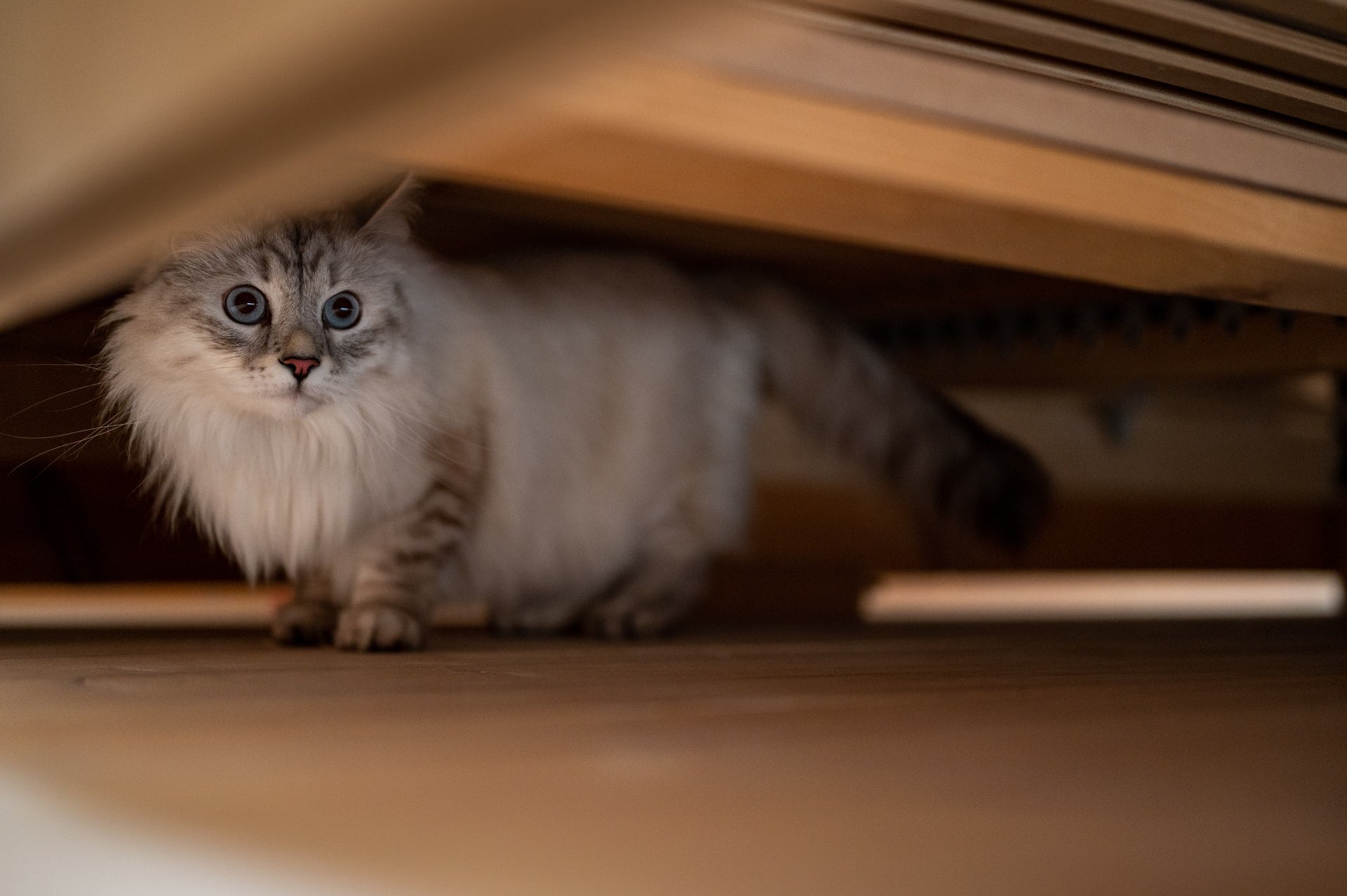
Why Is My Cat Scared All of a Sudden? 10 Vet-Approved Reasons

In this article
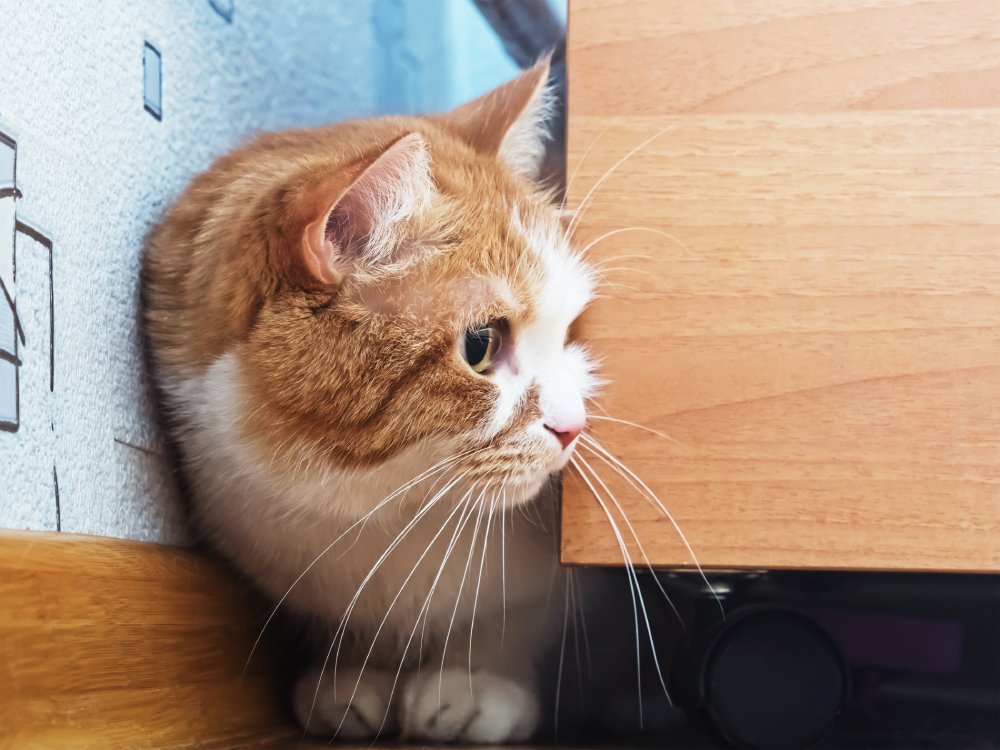
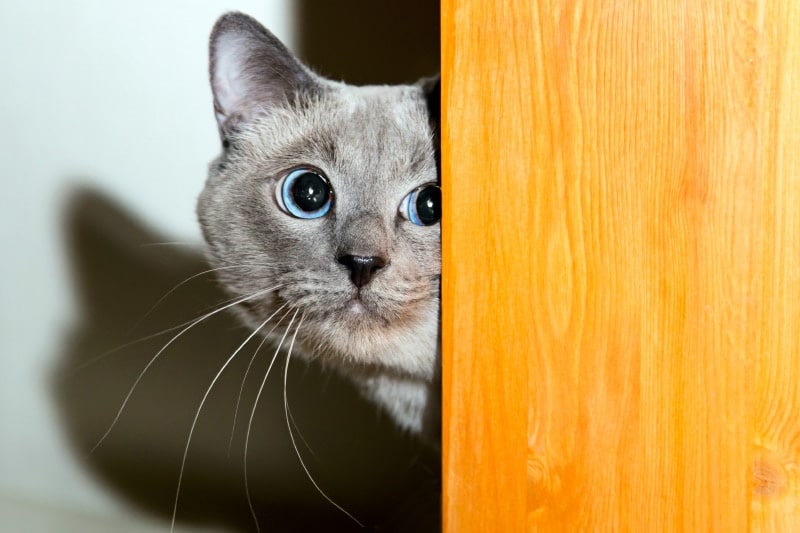
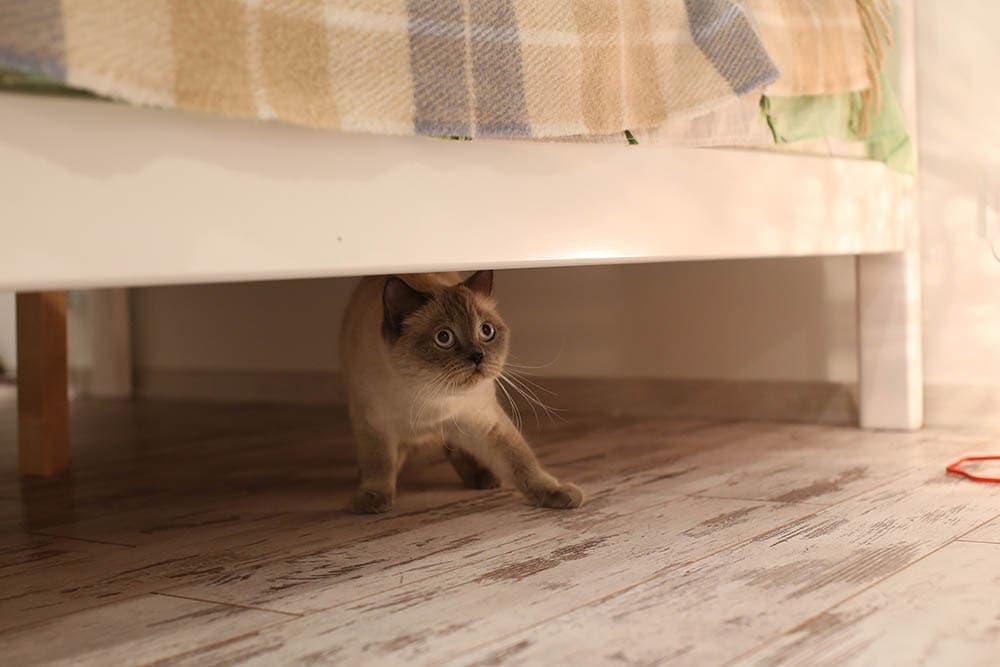
It can be very disconcerting to a loving cat parent when their cat starts acting scared. True, some cats are naturally more nervous or jumpy than others, but if the change is sudden and unexpected, it's important to try and work out what's going on.
Fear can be triggered by something momentary, or it can be linked to longer-term issues related to a cat's health, environment, and/or experiences. If you're struggling to work out why your cat is so afraid all of a sudden, this list of potential triggers may give you an idea.

The 10 Reasons Why Your Cat is Scared All of a Sudden
1. Certain Scents
Suddenly getting a whiff of something new, strange, or that reminds them of an unpleasant experience is enough to send some cats into a tailspin. For example, let's say you arrive home after taking another pet for a vet checkup. Your cat will be able to smell the vet clinic on you or your other pet, potentially triggering the stress response.
Even if your cat has never had a particularly traumatic experience at the vet's, most cats find vet visits stressful (or even terrifying in some cases), so the mere scent of the vet clinic could send them running and hiding. In these cases it is better to use some of the online veterinary telehealth services.
2. New Objects
Cats are often suspicious of new objects, and this can turn to fear when they suddenly come across a new object that they've never encountered. This response has been captured time after time in the "cat scared by cucumber" YouTube videos.
Some theorize that this response is triggered because cucumbers resemble snakes, but it more likely has more to do with the novelty of the object rather than a fear of snakes.
3. Past Trauma
Just like humans, cats can be traumatized by certain events in their lives, and this can have a lasting effect. Cats may be emotionally traumatized by things like being abused by a former caregiver, neglect, injuries, or generally frightening situations.
For example, if a cat was once attacked by a dog, they may go on to fear any dog they encounter in the future, even if those dogs do not behave threateningly toward them. Even smelling a dog nearby could be enough to cause immense stress.
You may not always be able to see what's frightening your cat, but they can sense it because they have a much better sense of smell than we do.

4. Mirrors
Cats can be taken by surprise when they glimpse their own reflection in a mirror or another reflective surface because, to them, it appears as if it's another cat.
This can cause them to puff up, arch their back, and even try to lash out at the perceived intruder out of self-defense. Some cats get used to mirrors and are no longer spooked by their own reflection, but some never quite get a grip on them.
5. Illness or Injury
Cats are rather stoic animals and often try not to let on when they're in pain, sick, or injured. This is a self-preservation instinct passed down by their wild ancestors because visibly sick or injured animals are easier targets for predators.
While your cat may not get all wide-eyed and puffed-up like they do when they're suddenly scared by something, if they're unwell, you may notice them hiding out more or retreating from your attempts to touch them.
Other signs of illness and/or injury include poor coat condition, hunching up, vocalizing more than usual, withdrawing, reduced appetite, excessive thirst, frequent vomiting or diarrhea, and weight loss.

6. Routine & Environmental Changes
While simply moving a couch to the other side of the room or rearranging your cat's bed or litter box may seem like small things to you, to your cat, it can be very anxiety-inducing. Other changes that may occur include moving house or welcoming a new pet or baby.
Cats love routine because it helps them to feel safe and secure, so when that routine is suddenly changed, it's normal for a cat to feel stressed out. Not every cat will get majorly upset over routine and environment adjustments, some cats react more strongly to change than others.
7. Sudden Noises
Whether it be a loud clang from something falling over or a sound that's quiet to you but that your cat can hear well, a wide variety of noises can startle a cat. Common sounds cats fear include the sound of a vacuum, electronic devices, coffee machines, balloons popping, objects falling, fireworks, thunderstorms, and anything that makes a hissing sound.
If we also factor in that a cat can hear about three times better than we humans can, it's understandable that they can be startled by many sounds, including those we don't even pick up on.

8. Sudden Movements
Let's say your cat is hanging out on the window ledge, surveying the garden for birds, mice, and squirrels. This is like watching TV for your cat, and they sometimes get so excited that they chirp and chatter at the animals they spot.
However, if something from outside suddenly comes into your cat's field of vision, like a bird flying close to the window or someone passing by your house, this could surprise them and send them running for cover. For some cats, even a sudden movement as minor as you crossing your legs or getting up from a chair can be startling.
9. Separation Anxiety
Does your usually happy cat get suddenly unsettled when you're putting your coat on and grabbing your keys to go out for a while? Or perhaps they get extra clingy all of a sudden or start to meow excessively as you head for the door? If so, your kitty may be experiencing separation anxiety.
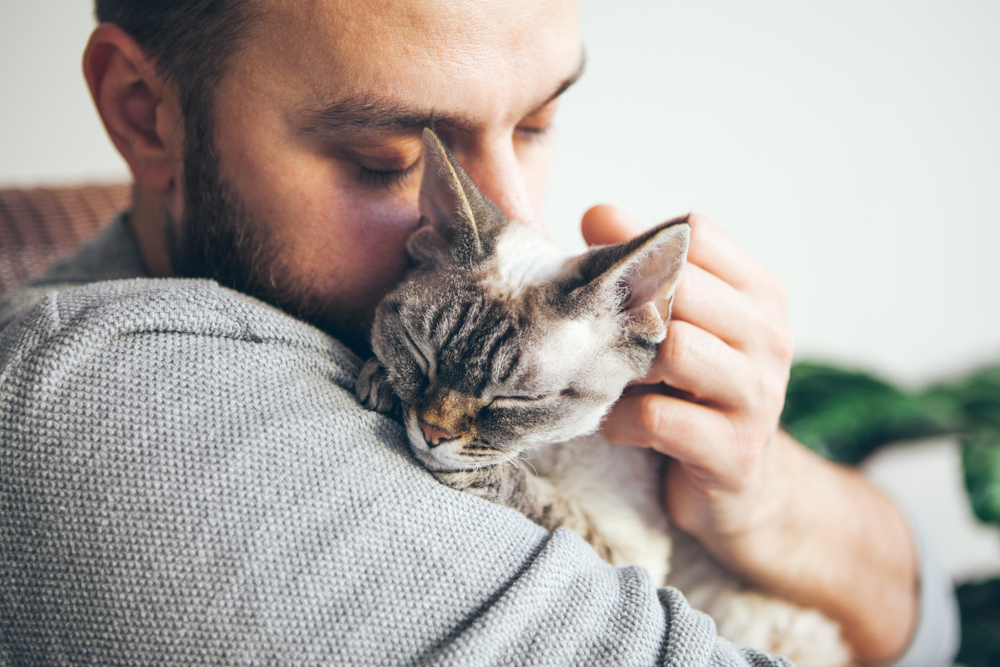
Though cats have a reputation for being aloof, they can actually form very close bonds with their human guardians, and some get anxious when their human isn't around. In addition to those mentioned above, signs of separation anxiety include urinating or defecating outside the litter box, scratching at the door, destructive behavior, and being overly excited when you get back.
Those caring for anxious cats understand the struggles and discomfort that their companions feel on a daily basis. The innovative bowl shape of the Hepper Nest Bed provides nervous pets with support and its high sides offer a sense of security, diminishing stress and worry. To learn about how to the Hepper Nest can provide solace to your cat, click here.

- COMFY KITTY - Your cat or kitten will have an amazingly deep sleep in this self warming, nesting cat bed. The warm, fluffy cat bed lining provides calming stress relief for cats of all ages.
- PRETTY HOME - This round cat bed has a modern and unique design that’s perfect for a sleek indoor look. We don’t think of it as cat furniture but think of the Cat Nest as a “cat home”.
- SPACE SAVER - Reclaim your desk, window sill, or couch from kitten encroachment. This calming nest cat bed has an elevated, space-saving hideout so comfortable your kitty can't resist!
At Catster, we’ve admired Hepper for many years and decided to take a controlling ownership interest so that we could benefit from the outstanding designs of this cool cat company!
10. Cognitive Decline
When cats get to their senior years, unfortunately, some suffer from a decline in their cognitive faculties. Signs of cognitive dysfunction include being more anxious, agitated, and restless than usual. Some cats withdraw from family life and no longer want to interact or be petted, but some become more clingy than usual.
Afflicted cats also often experience sleep changes, confusion, spatial disorientation, and lack of recognition of people and pets in the household. Reduced appetite, staring blankly at walls, and excessive vocalization are other signs. These signs tend to become noticeable over a period of time rather than appearing suddenly out of the blue.
What If My Cat Has Separation Anxiety?
There are various techniques for helping cats with separation anxiety, including:
If nothing seems to work, you'll want to contact a vet to rule out underlying health issues and decide on a course of action. Vets sometimes prescribe medication for separation anxiety. You might also want to consider consulting with a professional behaviorist.
Conclusion
Cats can be suddenly frightened by minor things like a falling object, but sometimes, it runs a bit deeper. Issues like past trauma, separation anxiety, and health conditions may also make a cat stressed out and fearful, so if you suspect something isn't quite right, please consult with your veterinarian to get to the bottom of things.
Related Reads:
Featured Image Credit: Zossia, Shutterstock

Expert cat care, straight to your inbox
Vet-reviewed advice, behavior tips, and the best of Catster. Free, and you can unsubscribe anytime.
By signing up, you agree to our Terms & Conditions and Privacy & Cookies Policy.
Kit Copson is a freelance writer and lifelong animal lover with a strong interest in animal welfare. She has parented various furry beings over the years and is currently a proud cat mom of two—one very chilled (unless hungry) Siamese and a skittish but adorable Domestic Shorthair—and dog mom of one—an adopted Bichon Poodle cross. When not writing about or spending time with animals, Kit can be found doodling in her sketchpad, reading, or more often than not, drinking tea.
Join the conversation
Ask a question, share your story, or send private feedback.