Cat Toe Beans: 8 Vet-Verified Fun Facts & Pictures


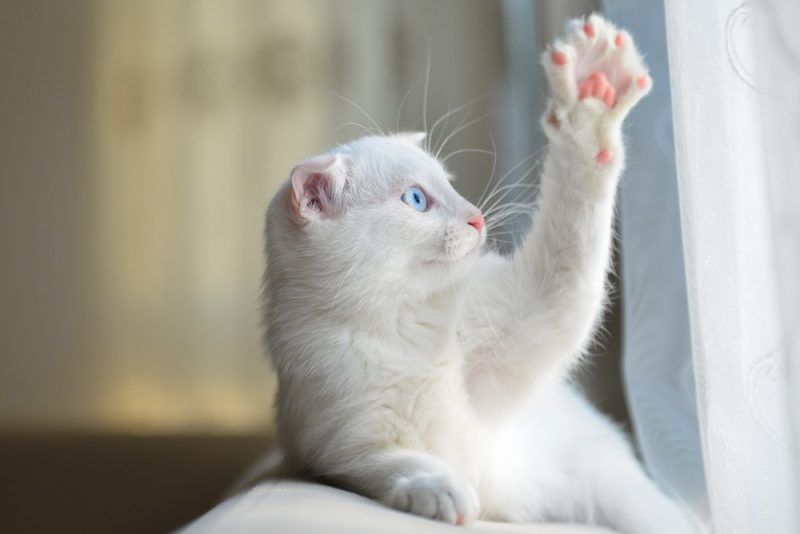
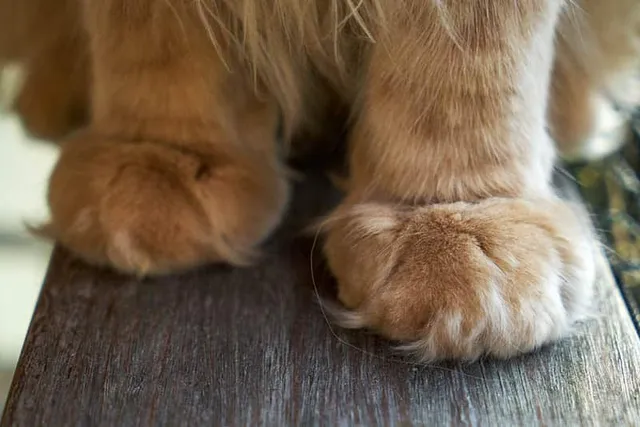
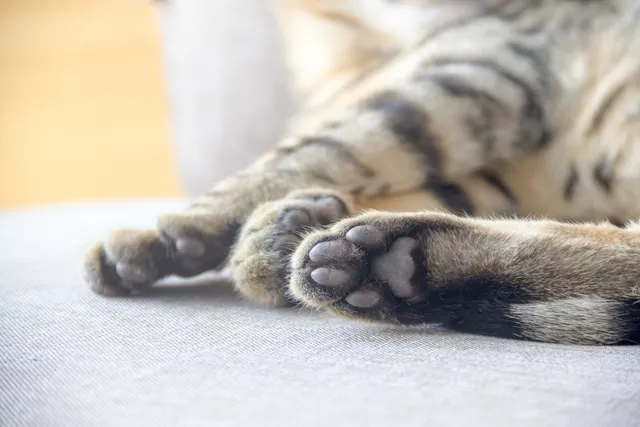
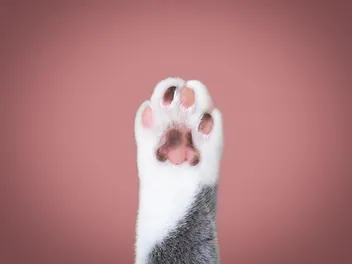
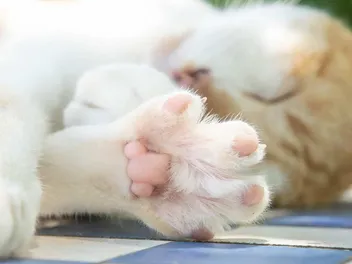
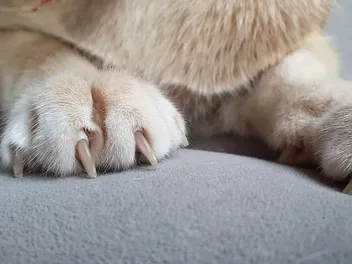
Easily the cutest part on just about any cat is their adorable cat-toe beans. These squishy pads look a lot like Jelly beans, which is why people love looking at them. In addition to their cute look, toe beans serve valuable functions related to feline survival.
Let’s take a look at these 8 fun facts about cat's cute toe beans. What you will learn will likely surprise you and give you a bit more appreciation for these cute yet functional features.

The 8 Facts About Cat Toe Beans
1. Cute & Functional
Just like a dress with pockets, toe beans are both cute and functional. Obviously, toe beans are super cute to look at because they are so small and delicate. Cats don’t love them for their look, though. Instead, cats love toe beans because of their functional nature.
One thing that makes toe beans so functional is that they act as shock absorbers and mufflers. In fact, toe beans are so squishy because they contain fatty tissue, which allows them to absorb the shock of a fall. It also muffles sound while the cat is moving and on the hunt.
In other words, these cute little toe beans are partially responsible for why cats can fall from tall heights without injury. As they land, the toe beans absorb the shock, protecting their joints and paws from injury.
Toe beans serve other functional purposes too. For example, they allow your cat to sweat, release their scent, and hunt, though we will talk about all of these functions in the next points.

2. Sweat & Scent Glands Are Located Around the Toe Beans
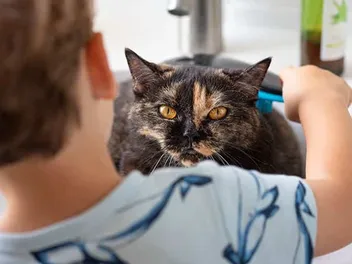
Something that’s not as cute about these toe beans is that cats sweat through them. Most of the time, cats sweat so little that you won’t notice their sweat. Whenever it gets really hot or stressful, however, you can see little paw prints on the ground from the toe bean sweat. Look at the table next time you take your cat to the vet!
Additionally, there are scent glands located between the toes. This location for the scent glands causes experts to wonder if cats knead and scratch to mark their territory. Every time they move, the glands are activated between the beans, causing the scent to be marked on the location and show other cats that it is their territory.
3. Toe Beans Are Highly Sensitive
Have you ever noticed that your cat doesn’t like its toe beans being touched? The reason for this is that toe beans are highly sensitive. In fact, cat paws, in general, contain a lot of nerve endings, causing the toe beans and paws to act like sensors.
Because of this fact, toe beans help cats hunt and hide from predators. They can detect pressure, temperature, texture, and maybe vibrations all through the cute little toe bean pads. At the same time, they can also feel a lot of temperature and pain in these locations, which is why cats don’t like you touching them.

4. Cat Bean Color & Coat Color Are Connected
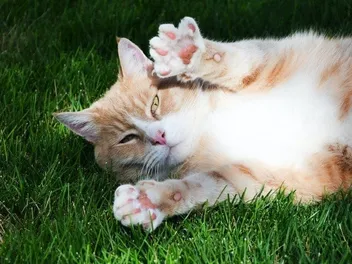
Oddly enough, there seems to be a connection between a cat’s toe bean color and their fur color. Most commonly, the toe beans match the color of the cat’s fur. For example, white cats have light pink pads, black cats have black pads, and orange cats have orange pads.
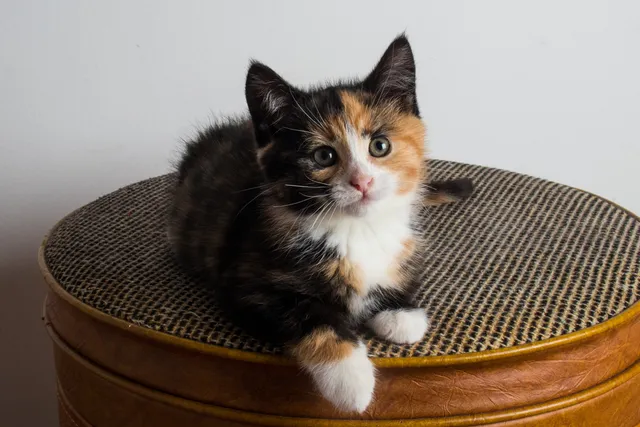
Likewise, multi-colored cats often have multi-colored pads, whereas tabbies often have grey or brick-red pads. Interestingly, some purebreds and solid-colored cats also have paw pads that match their nose color, not just the coat color.
5. Cats Can Be Left or Right Paw Dominant
Much like humans, cats can either be left or right-paw dominant. This is more formally called lateral bias. This simply means that cats will prefer one paw over the other. In fact, over 75% of cats seemed to be paw-dominant. Males are most often left-paw dominant, whereas females are right-paw dominant.
You can most likely see when a cat is left or right-paw dominant whenever they swat at things. If you notice your cat primarily swats with one paw over the other, it’s likely because they are showing lateral bias to one side.

6. Cats Walk on Their Toe Beans
To us, the thought of walking on our toes constantly sounds painful and aggravating. Cats, however, walk on their toe beans. This is the cat equivalent of walking on their tippy toes. In other words, they prefer to walk at the front end of their foot, as opposed to the balls of their feet like us.
It’s unclear exactly why cats are more likely to walk on their toe beans, but it might be because of the fact that they are agile hunters. Whenever you run, you naturally go up on your toes. With the same logic, cats may have evolved to walk on their toes so that they can constantly pounce and run at a moment’s notice.
7. Press on the Toe Beans to Trim Nails Easier
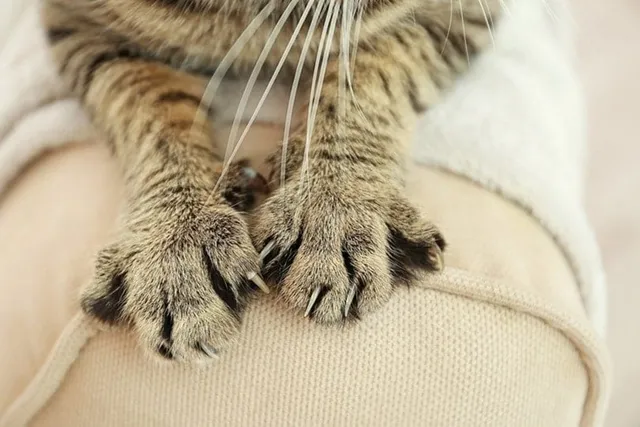
To many people, trimming their cat’s nails is an absolute nightmare. One simple technique can make it much easier. Gently hold your cat’s paw and apply light pressure to both the paw pad and the base of the claw (the toe itself). This causes the nail to extend naturally from the sheath, making it easier to see and trim safely.
There’s no need to squeeze hard—just a gentle press is enough to expose the nail and give you better control during trimming.

8. Toe Beans Need TLC
Finally, the last fun fact about cat toe beans is that they need some TLC. As we already learned, toe beans are very sensitive. This is especially true since toe beans are constantly used for walking and experiencing the world.
Even though toe beans can easily become cracked or experience pain, cats often hide their pain until the condition is too severe. For this reason, you should check on your cat’s pads and toe beans every now and then. Many cats need moisturizers on their toe beans to prevent them from drying out and cracking.
Before you slap on just any moisturizer, talk to your veterinarian first. Human moisturizers are not fit for cat-toe beans since cats are likely to lick and ingest the moisturizer, which is dangerous for many products. Your vet will give you moisturization options that are safe for your cat to ingest.

Final Thoughts
Cat toe beans are extremely cute and only make furry feline friends that much more adorable. Although we certainly love toe beans for their cuteness, they serve multiple functional purposes. We hope that these fun facts have informed you about cat toe beans and given you a deeper appreciation for these cute little Jelly beans on your cat’s toes.
Featured Image Credit: Orhan Cam, Shutterstock
Expert cat care, straight to your inbox
News, insights, and useful advice, delivered to you.

No spam — unsubscribe anytime.
By signing up, you agree to our Terms & Conditions and Privacy & Cookies Policy.
How useful was this post?
Click a star to rate. You can leave written feedback afterwards. (We read all feedback.)
Christian started writing for a local newspaper as a teenager, and he's been involved in the publishing industry for most of his adult life. Combining his love of writing with a passion for animals, he is currently the Director of Editorial at Pangolia and the Editor-in-Chief at Catster.
Christian lives in the Philippines with his wife, son, and four rescue cats: Trixie, Chloe, Sparky, and Chopper.