How Many Toes Does A Cat Have? Vet-Verified Facts & Info



In this article
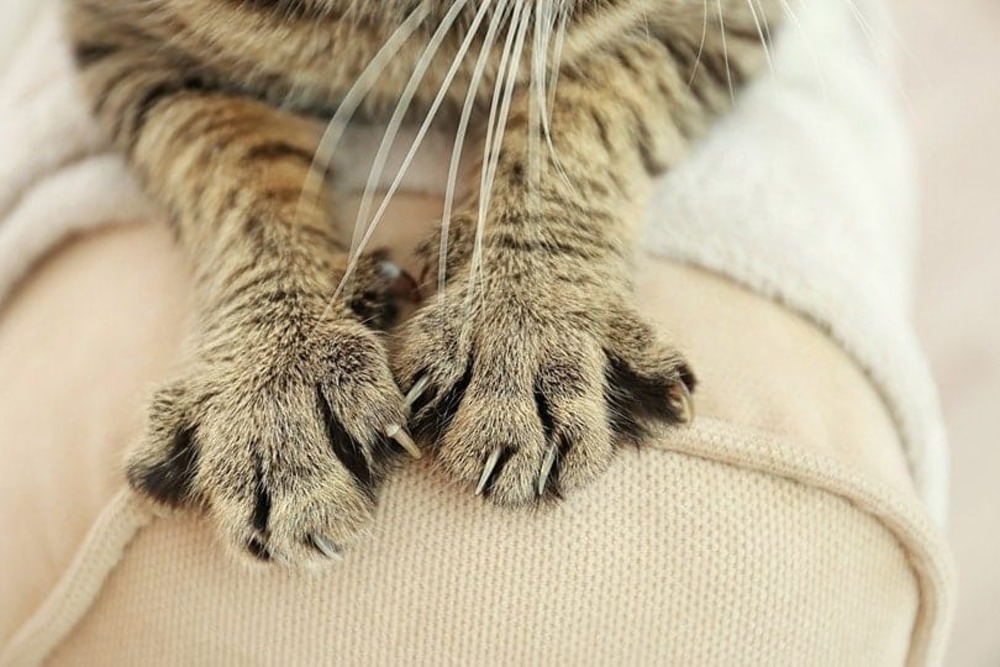
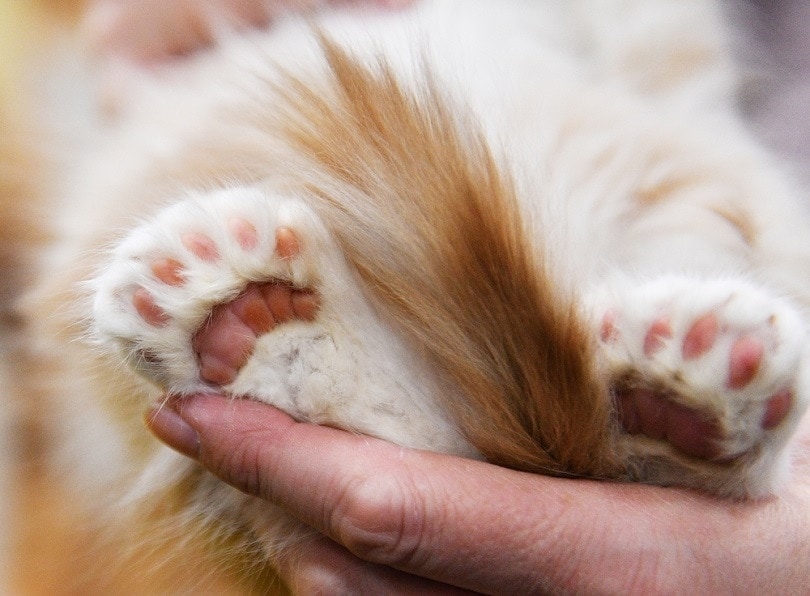
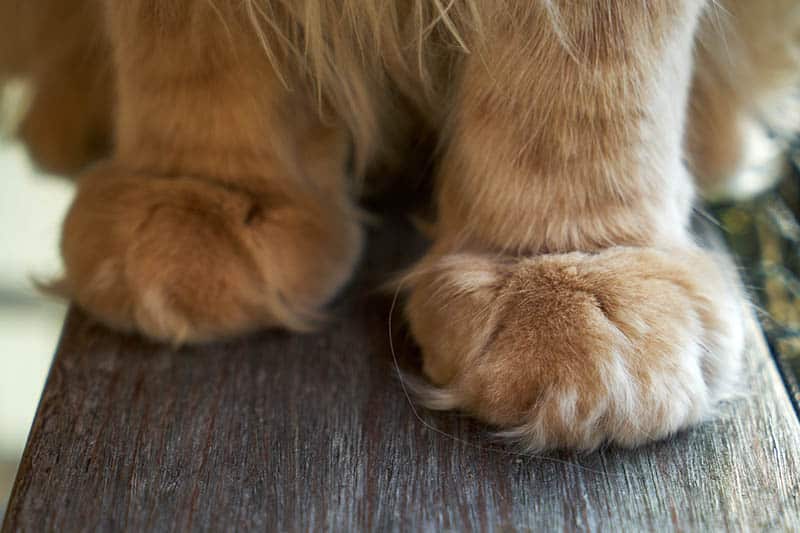
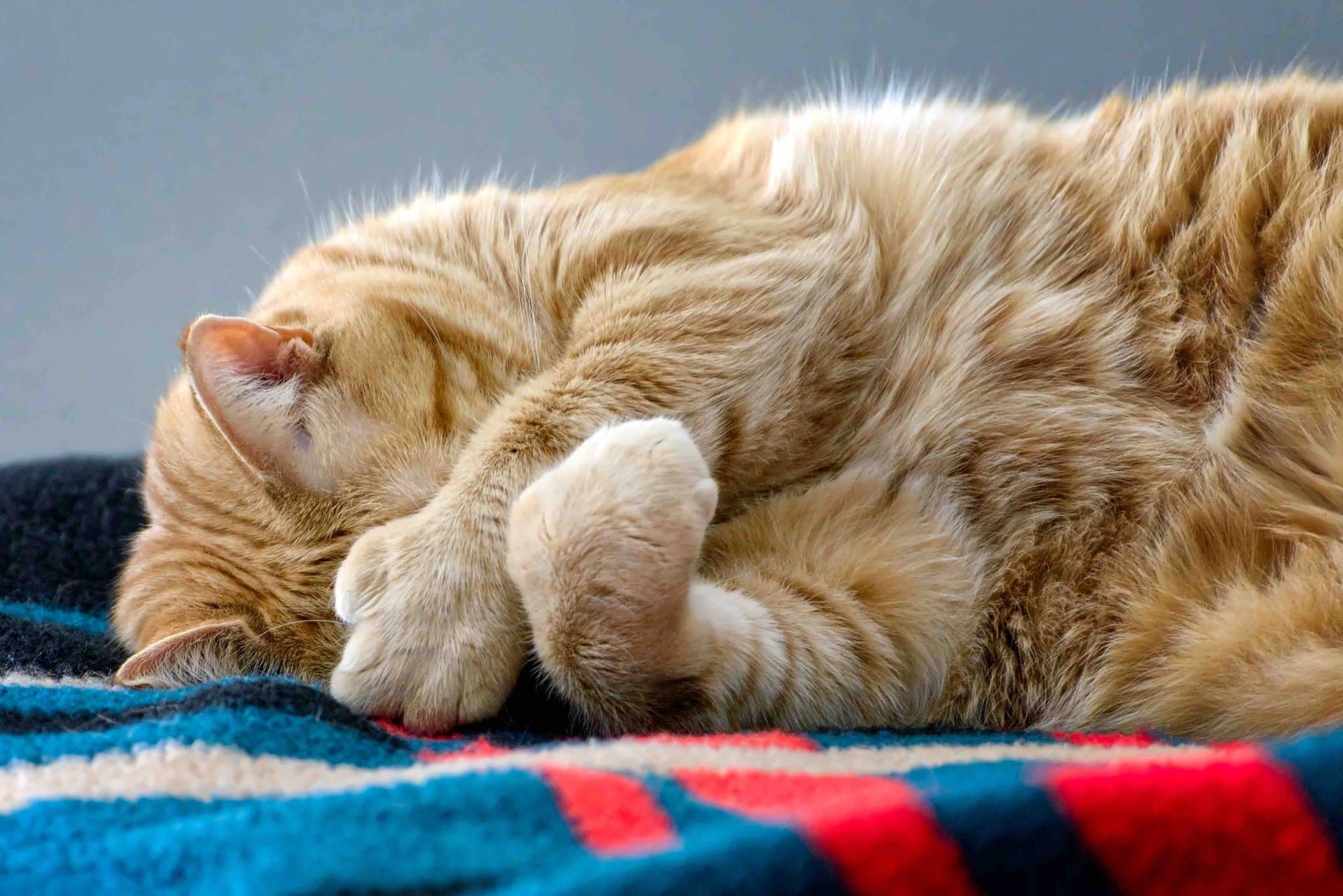
Cats have amazing paws. They use them for various activities, from sensing vibrations to spreading pheromones. So, how many toes does a cat have? Most have 18 toes—10 in front and eight in back. The 5th front toe is positioned slightly further away, where you'd expect to find a feline thumb if kitties had them.
Most cats have four toes on each back paw. Each of a cat’s toes has an embedded claw, which is the last bone in your cat's digit. Cats' toes and paws play a massive role in interacting with and understanding the world. Keep reading for more information about cats and their paws.

Basic Cat Paw Anatomy

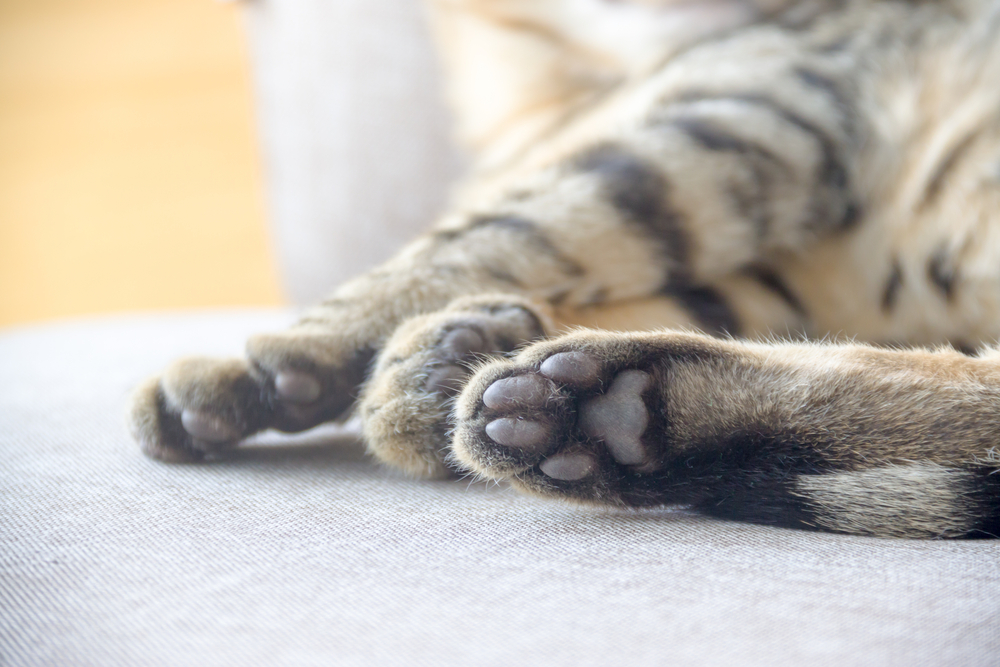
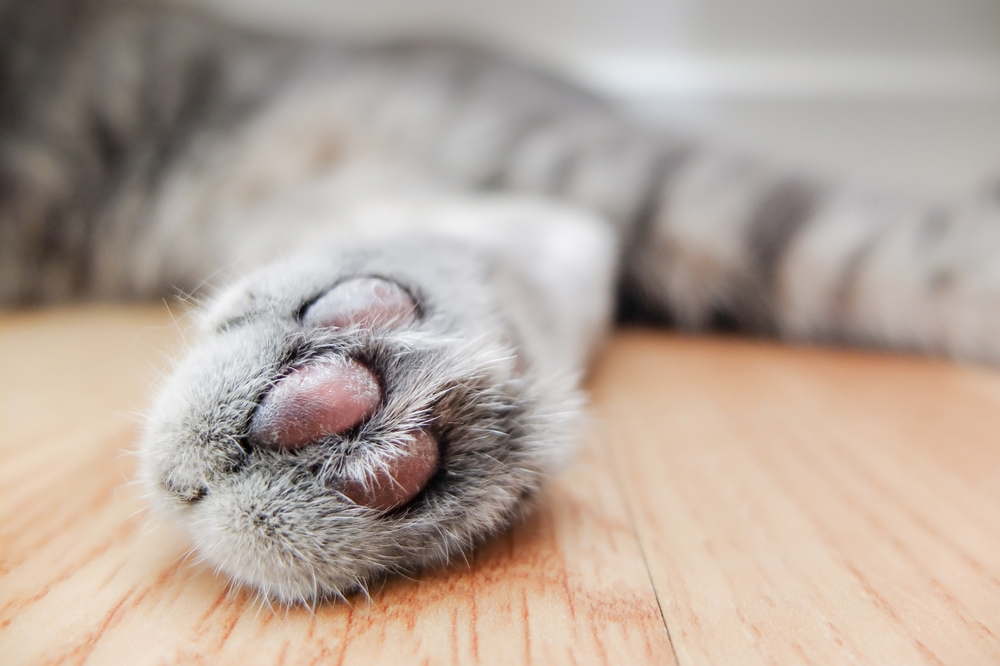
In addition to their toe digits, cats have rubbery pads on the bottoms of their paws that provide cushioning and protection from the elements. They even have special pads that provide extra traction. Each digit has a claw made of keratin that cats use when hunting and climbing.
The thumb-like toe is called the dewclaw. It's particularly helpful when cats are climbing and grasping objects, though it does not contact the ground when walking. Cats’ paws are full of nerves and blood vessels and are great at picking up minute vibrations.
How Do Cats Use Their Paws?
Cats’ paws allow them to move stealthily through the environment and give them an edge regarding speed. Their joints, limbs, and paws are optimized to cushion them when jumping from heights. Their paws also feature sweat glands that help cats stay cool when temperatures rise.
Kitties have scent glands in their paws that allow them to leave behind pheromones full of information that other cats can interpret with a quick sniff. Pheromones communicate information about their health and reproductive status. A great deal of communication between cats occurs through exchanging these chemical markers. Cats often scratch, not only because it provides a stretch but also because it leaves behind pheromones.

- Premium Materials - Hepper's cardboard scratcher is made with dense, B-flute cardboard, and a metal core. Encased in a 1/2" plywood frame with gloss coating. Stable and beautiful, use after use
- High, Low and Lower - A single cat scratch pad won't keep your cat engaged. 3 unique positions keeps them coming back, and back, and back again. Finally, something to get them away from the couch!
- Activates Muscles - The Hi Lo isn't just a cat nail file to stop the chief cat couch scratcher. The deep cat scratcher wave encourages maximum musculoskeletal activation for a healthier workout
We're quite fond of cardboard as a material in cat scratchers, which is why we love the Hepper Hi-Lo Cat Scratcher. Encased within a well-constructed, modern birch plywood frame, this scratcher is designed with both cats and their owners in mind. It offers three versatile configurations to keep your feline friend active and entertained while enticing them to fulfill their natural scratching instincts (and away from scratching things they shouldn't). For more details, click here!
At Catster, we’ve admired Hepper for many years, and decided to take a controlling ownership interest, so that we could benefit from the outstanding designs of this cool cat company!

Do All Cats Have 18 Toes?
No. Polydactyl cats have more toes than regular cats. It's a genetic mutation that occurs more often in some parts of the world than others, particularly in the eastern parts of North America. Cats' front paws are the most often impacted, and it's rare to see extra digits on all four paws. However, the genetic trait allows for the development of five to nine toes on each paw.
While they're not rare or valuable, polydactyl cats are quite famous thanks to their association with the Nobel Prize-winning author Ernest Hemingway. A ship's captain gave Hemingway a multi-toed cat. About 50 descendants of the author's original polydactyl cat live on the grounds of the Hemingway Home and Museum in Key West.
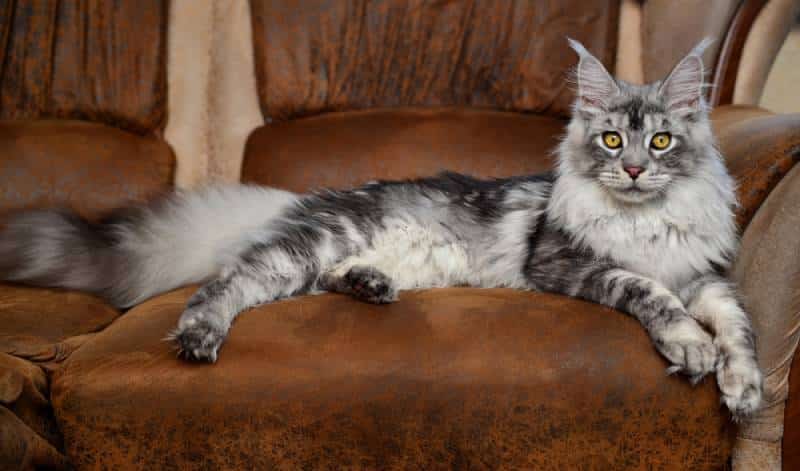
The trait isn't linked to any specific breed, but it's fairly common in Maine Coon cats. There's no connection between polydactyly and coat color or personality. Having extra toes doesn't negatively impact cats' health; most polydactyl cats are entirely healthy. And they may even have an edge when it comes to climbing!

How Often Should I Trim My Cat's Claws?
Cats need to have their claws clipped every 2 to 4 weeks on average, depending on the individual cat, to avoid developing painful ingrown nails. Indoor cats' claws often require more frequent attention than outdoor pets. Make sure to use clippers designed for cats.
Hold your cat on your lap and press a digit to extend the nail and clip. Stay far away from the pink quick to avoid hurting your buddy. Some cats stay calmer throughout the process when snuggled gently in a towel.
It's okay if your cat only allows you to clip a few nails at once. If you can't get your companion to cooperate or don't feel comfortable with the process, consider booking a quick appointment with a groomer or your vet to ensure your pet stays comfortable and healthy.

Are There Other Things to Look Out for With Cat Paws?
There are several things to look out for when it comes to keeping your cat's paws in top condition, including sharp objects, harsh chemicals, and infections.
Things to look out for:
When Should I Take My Cat to the Veterinarian for Paw Issues?
Make an appointment with your veterinarian if your cat has trouble walking or limping. Keep an eye on them if you've removed something sharp from your pet's paw, and have your buddy seen if they avoid putting weight on the limb or if signs of infection start to develop. Look out for signs such as pus, lethargy, and lack of appetite. Reach out for help if your cat's paw appears swollen or discolored.

Conclusion
Cats usually have 18 toes, with five on each front paw and four on each back paw. However, some cats are born with more than the standard digits! Polydactyly is a genetic mutation that expresses multiple digits. It allows cats to develop up to seven or more toes on each paw! The trait is particularly common in Maine Coon cats, but it can be found in any breed. Cats of all colors, personalities, and sizes can have the mutation.
Sources
Featured Image Credit: Orhan Cam, Shutterstock

Expert cat care, straight to your inbox
Vet-reviewed advice, behavior tips, and the best of Catster. Free, and you can unsubscribe anytime.
By signing up, you agree to our Terms & Conditions and Privacy & Cookies Policy.
Christian started writing for a local newspaper as a teenager, and he's been involved in the publishing industry for most of his adult life. Combining his love of writing with a passion for animals, he is currently the Director of Editorial at Pangolia and the Editor-in-Chief at Catster.
Christian lives in the Philippines with his wife, son, and four rescue cats: Trixie, Chloe, Sparky, and Chopper.
Join the conversation
Ask a question, share your story, or send private feedback.