Do Cats Need Sunscreen When Going Outside? Vet-Approved Facts


In this article
Applying sunscreen to a cat may sound a little messy or unnecessary, but some breeds and those with light-colored coats could benefit from wearing sunscreen at times. Cats that are at higher risk of skin damage due to sun exposure should ideally limit the amount of time they spend sunbathing and have some form of sun protection. Is your kitty at risk of sunburn or even skin cancer? What type of sunscreen should you use, and how do you apply it? Keep reading to learn more.

Can Cats Get Sunburn?
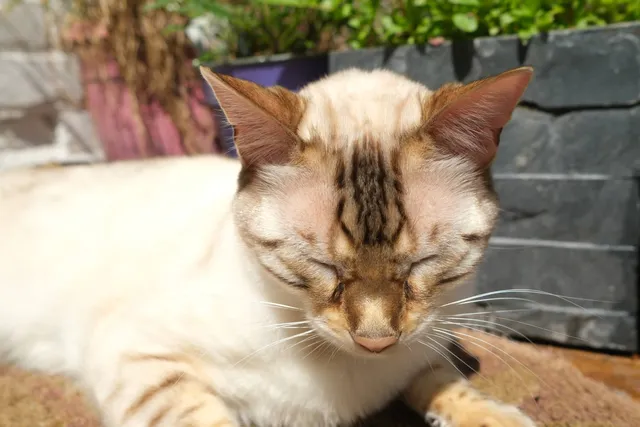
Cats with little or a complete absence of pigmentation have a high risk of developing skin problems related to sun exposure. The body parts that are more susceptible to damage include those covered by thin hair or those completely hairless, such as the nose, lips, eyelids, and tips of the ears.
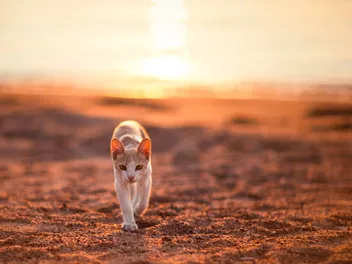
Precautions should be taken for white or light-colored cats if they spend time outdoors or like to sunbathe. The pigment in the skin, melanin, absorbs some of the sun's harmful radiation. That is why unpigmented or lightly pigmented skin is more likely to get damaged.
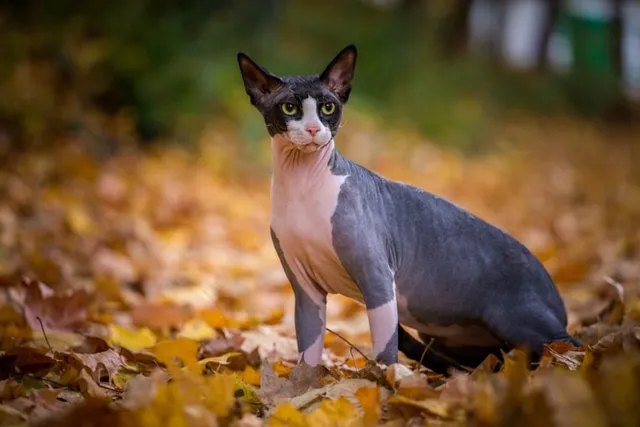
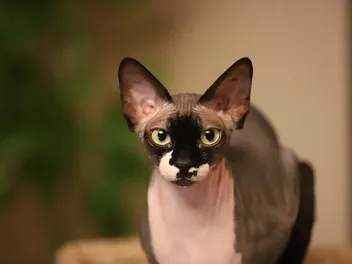
If your kitty is a hairless breed like a Sphynx or a primarily hairless breed like a Lykoi, and they like to sunbathe, they'll need extra protection from the sun. Regardless of the breed, predisposed cats should be monitored for sun exposure even when kept indoors, such as when lying on a windowsill for a nap.

What About Skin Cancer?
Like humans with a higher risk of skin cancer due to high UVA and UVB exposure, cats can also develop cancer. Actinic damage caused by sunlight can predispose cats to squamous cell carcinoma (SCC). SCC is a malignant tumor that affects your cat’s skin. Light-colored and white cats are more likely to develop this type of cancer, and it tends to affect the ears, nose, lips, and eyelids.
For example, if your cat is outdoors daily, using an SPF 15 or higher product can significantly reduce their risk of developing skin cancer. If they spend a day at the lake with you, they may need a more potent product while out in the sun. The rules for choosing the type and strength are very similar to that for humans.
Is Sunscreen Toxic to Cats?
When choosing a sunscreen for your cat, you must ensure the product is not toxic. You should always avoid two ingredients: zinc oxide and salicylates. If you ever have questions about a product and whether it's safe to use, a quick call to a vet can give you the reassurance you need. They can suggest one if you need help determining which sunscreen is best for your pet.
Top 3 Tips for Applying Sunscreen to Cats
Generally speaking, sunscreen is applied to the cat’s ears and above the nose. White or hairless felines could also benefit from a lightweight application on their belly or groin to protect their skin should they want to sun themselves.
- Start With Small Areas: Even if you have to use the product on only one ear at a time, it may help your kitty get used to the feeling of sunscreen on their skin and the application process. As they adjust, applying the product to more areas without distress will become easier.
- Apply a Thin Layer: A little goes a long way with sunscreen. Applying too much could cause skin irritation. It may also prevent it from properly soaking into the skin, allowing the cat to lick some of it off and get sick. It can take practice to apply it effectively.
- Distract Them: It's helpful to keep your cat distracted while applying sunscreen and for a short time after it's absorbed. Having a partner with you makes this much more manageable! Treats and toys are always a safe bet, mainly because they will start associating the process with something fun.

Conclusion
Cats with little or no pigment on their skin and hairless cat breeds are more susceptible to sunburn and skin damage, predisposing them to skin cancer. The best method to prevent this is avoiding too much sun exposure, but sunscreen for cats can protect their skin from damaging ultraviolet radiation. Start looking for a cat-safe sunscreen, or talk to a veterinarian about the best product for them.
If you have noticed any change to your cat’s skin, especially the tips of their ears, the bridge of their nose, or their lips, contact a vet for immediate advice. SCC is a relatively common malignant skin cancer that can spread internally and reduce your cat’s lifespan and quality of life if not caught on time. Early intervention is essential for a good outcome.
Featured Image Credit: steph photographies, Shutterstock
Expert cat care, straight to your inbox
News, insights, and useful advice, delivered to you.

No spam — unsubscribe anytime.
By signing up, you agree to our Terms & Conditions and Privacy & Cookies Policy.
How useful was this post?
Click a star to rate. You can leave written feedback afterwards. (We read all feedback.)
Krysha is the owner of a chatty Tortie cat named Shelly, whom she rescued and cares for. Through her experiences caring for various animals such as dogs, cats, turtles, lizards, hamsters, and fish, Krysha has been motivated to promote awareness about local animal shelters and advocate for simple ways to assist them.