Guide to Dry Skin on Cats: 9 Vet-Reviewed Causes & Treatments


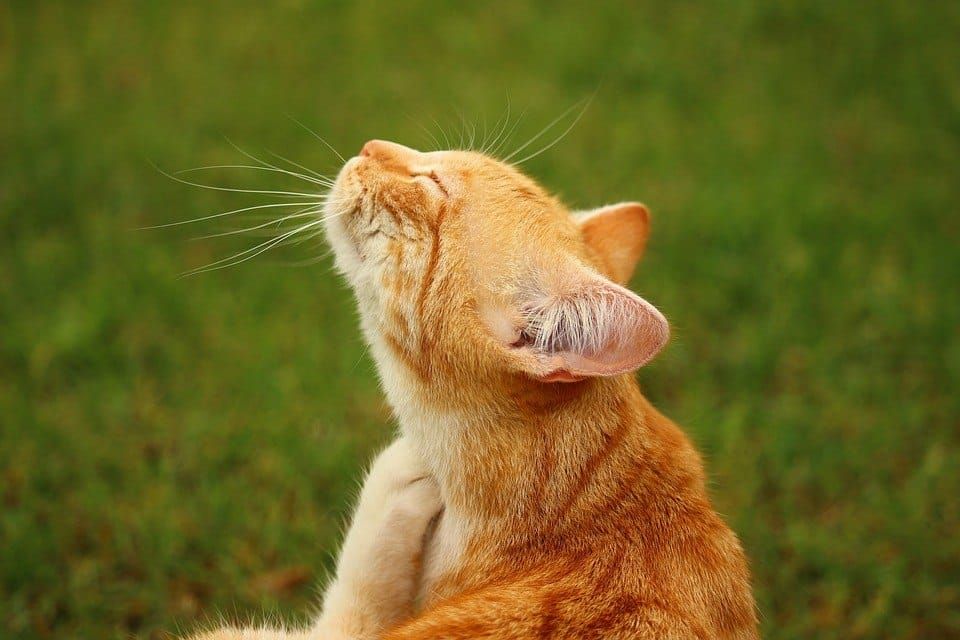
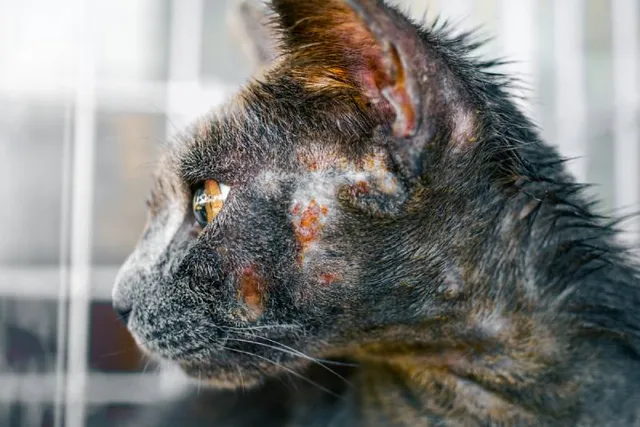
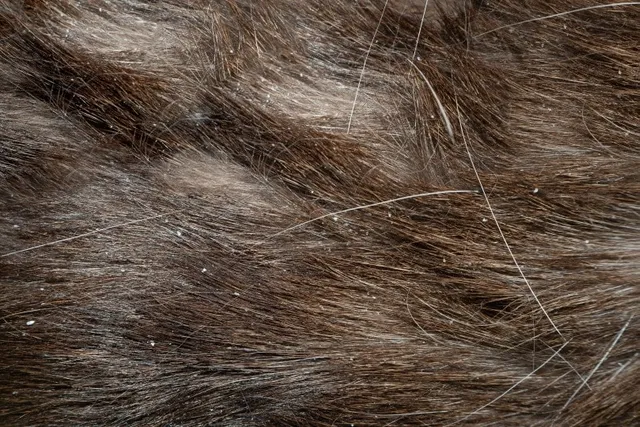
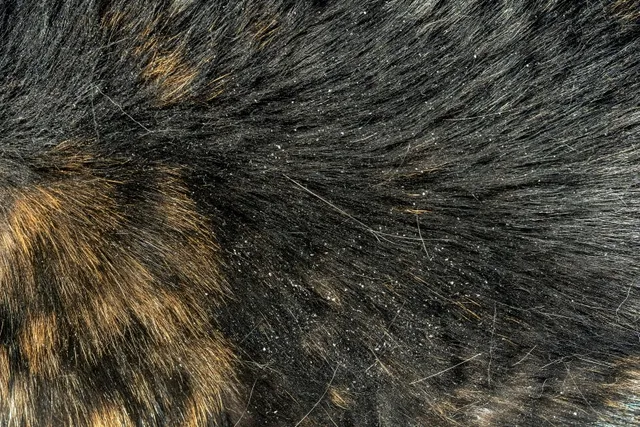
Cats can suffer from dry skin just like we do. Dry skin can be uncomfortable, itchy, and irritating, so it’s best to figure out the root cause to get this problem solved. In most cases, dry skin is not the result of a serious condition but there are a few potential underlying causes.
Here we’ll investigate what could be causing your kitty’s dryness and how to best treat it so that once again, your cat’s skin will be comfortable and well moisturized.

The 9 Causes & Treatments of Dry Skin on Cats
1. Lack of Humidity
Additional Symptoms
Like humans, cats may experience dry skin because of a lack of humidity in the air. Humidity tends to decrease during the wintertime but can also be a year-round problem in more arid climates.
Treatment
If a lack of humidity is the root cause of your cat’s dry skin, you may be experiencing some dry skin yourself if you don’t have a regular moisturizing regimen. Thankfully, there are a few things that can be done to combat the problem regardless of whether it’s wintertime or you just happen to live in a more arid environment.
- Humidifier(s)- Humidifiers can be placed throughout the house and are a great way to increase the overall humidity. If you don’t want to purchase a humidifier for each room in the house, you can opt for a whole-house humidifier.
- Hydration- Hydration is important to keep skin hydrated from the inside out. Make sure your cat has access to clean, fresh water at all times.
- Use Moisturizing Cat Shampoo/Conditioner- You don’t have to bathe your cat often, as cats are excellent at self-cleaning. But when it is time for a bath, make sure you opt for cat shampoos and conditioners that are naturally moisturizing and can help combat dry, itchy skin.

2. Inadequate Grooming
Additional Symptoms
If your cat is not grooming themselves properly, it can certainly lead to dry skin. Grooming is a natural behavior and an essential part of your cat’s overall health. Certain underlying health conditions such as obesity or arthritis may prevent your cat from being able to groom themselves properly. When cats inadequately groom, or fail to groom themselves at all, this can lead to dry, irritated skin, a greasy, dirty coat, and may eventually result in foul odors.
Treatment
Solving a dry skin issue that is the result of inadequate grooming will be dependent on the root cause of why they are failing to groom themselves properly. If your cat is unable to groom well due to obesity, talk to a veterinarian about coming up with a plan to help them lose any excess weight. This will not only help them regain their grooming ability but will be beneficial for their overall health.
If the lack of grooming is related to arthritis or any other medical condition, a veterinarian will come up with a treatment plan for that specific condition and may even prescribe something for pain management.
3. Allergies
Additional Symptoms
Allergies are a common medical condition among cats. Just like with humans, an allergy occurs when the immune system overreacts or is highly sensitive to some foreign substance(s), or allergen. The root cause of allergies that cats experience are flea allergies, food allergies, and environmental allergies. The immune response to different allergens can vary from skin reactions to respiratory symptoms to effects on the digestive system.
Treatment
Treatment of allergies is dependent on the allergen itself and will be handled accordingly. A veterinarian will come up with the best plan for your cat.
Flea Allergy
If a cat suffers from a flea allergy, they will need treatment for the current flea infestation and will be placed on year-round parasite prevention medication to ward off any further infestations. Corticosteroids may be given to provide immediate relief from the allergic reaction and antibiotics may be necessary if there is a secondary infection associated with dermatitis that results from the allergy.
Food Allergy
Food allergies occur when the immune system responds to a certain ingredient in their food, whether it be one of the main ingredients or an additive. Food allergy testing will need to be completed through an elimination diet. Once the source of the allergy is identified, that food will need to be removed from the cat’s diet.
Environmental Allergy
Environmental allergens are also referred to as inhalant allergies or atopy. Most cats that suffer from environmental allergies have reactions to several different allergens. The primary symptom of this type of allergen is severe itching and the reaction depends on how often the cat is exposed to the allergen. Once proper testing is completed, a veterinarian will come up with a treatment plan.

4. Parasites
Additional Symptoms
Cats are highly susceptible to parasites, which can wreak havoc on the skin. The most common external parasites that affect cats are fleas, ticks, and mites. Parasites can cause a lot of discomforts, can potentially carry disease, and may even lead to anemia or allergies.
Fleas
Fleas are very common, reproduce quickly, and have complex life cycles. These wingless, jumping insects can infest quickly and are difficult to eliminate. They are easy to identify by observing the coat. You may notice the fleas themselves or the black specks left behind in the coat. Flea allergies are very common and can flare up with a single flea bite. Fleas also carry the potential of tapeworm if swallowed.
Ticks
There are different species of ticks, depending on the region you live in. Ticks can be difficult to remove from the skin, and tweezers are highly recommended. These parasites are typically picked up in the outdoors and can lead to a variety of diseases including:
- Lyme disease
- Babesiosis
- Rocky Mountain spotted fever
- Ehrlichiosis
Mites
The three most common types of mites to infect cats are ear mites, Demodex mites, and sarcoptic mites. Ear mites are hard to see with the naked eye, but you will notice your cat scratching and/or shaking the head and you will notice debris in the ear that resembles coffee grounds. Both Demodex and sarcoptic mites can lead to mange, which can be transmitted to humans.
Treatment
Treatment for parasites will depend on the type of parasite your cat has been affected by. Prevention is key to keeping the parasites at bay and a veterinarian can work with you to find the best parasite prevention for your cat. As for the dry skin that results from parasites, you should notice an improvement once the infestation has been eliminated.
5. Frequent Bathing
Additional Symptoms
If you bathe your cat too frequently, this can lead to issues with dry skin. Bathing too often can strip the natural oils from their skin and coat and can leave them looking dry, dull, and flaky. Cats are typically excellent groomers and do not require frequent washes, though some may suffer from health conditions that may prevent them from self-grooming.
Treatment
The best way to resolve dry skin that is a result of frequent bathing is to bathe your cat less often. If your cat does suffer from a health condition and is unable to groom themselves properly, talk with a veterinarian about the best bathing routine for your cat to ensure they stay nice and tidy without stripping their skin and coat of essential oils.

6. Nutritional Deficiency
Additional Symptoms
Dry skin can be a symptom of a potential nutritional deficiency. A nutritional deficiency can occur when your cat’s diet does not include all the necessary vitamins, minerals, and nutrients to maintain their overall health. This can result from poor-quality commercial foods, homemade diets that lack proper nutrient content, or even commercial foods that contain excess nutrients. Both the skin and coat will become dry, dull, and brittle if there is a deficiency present.
Treatment
Nutritional deficiency can usually be treated easily by implementing a high-quality, well-balanced diet. Speak to a veterinarian about the best quality commercial foods you can offer your cat. If they are experiencing a possible nutrient deficiency, it’s best to have them properly evaluated and seek the veterinarian’s guidance on proper meal planning.
7. Fungal or Bacterial Infection
Additional Symptoms
Skin infections can be narrowed down to either bacterial or fungal, with ringworm being the most common fungal infection observed in cats. Though these types of skin infections differ greatly, they can both result in dry, irritated skin.
Treatment
Treatment will be dependent on whether the infection is bacterial or fungal. With bacterial infections, a round of antibiotics is typically the go-to treatment, while antifungal medication will be prescribed if a fungal infection is present. These medications can be given orally or topically.

8. Hyperthyroidism
Additional Symptoms
Hyperthyroidism is a disease of the endocrine system that occurs due to an overproduction of thyroid hormones. This disease is fairly common in cats, especially those middle-aged or older. Among many other symptoms, a cat’s skin may become dry, and its fur may look unkempt, greasy, or even matted.
Treatment
There are different treatment options available for hyperthyroidism and a veterinarian would need to properly evaluate and diagnose before deciding which option suits the individual cat in question. Treatment can include medication, radioactive iodine therapy, surgery, and dietary changes. Overall, the prognosis of hyperthyroidism is promising, though some secondary health conditions can result from the disease. The earlier the condition is diagnosed and treated, the better.
If you suspect that your cat is suffering from any of the ailments on this list, it's best to contact a vet for more information and determine your next steps.
9. Diabetes
Additional Symptoms
Diabetes is another disease of the endocrine system that has the potential to cause dry skin, among other symptoms. Diabetes occurs due to the inability to produce enough insulin to balance blood sugar levels. Diabetes is becoming more and more common and is often seen in middle-aged to senior cats. There are two different types of diabetes. Type I occurs when the body cannot produce insulin, and Type II occurs when the cells cannot respond properly to the insulin. Type II is the most common form of diabetes observed in cats.
Treatment
Treatment for diabetes is dependent on which type of disease the cat suffers from. It can include insulin therapy and/or dietary changes. The condition requires proper diagnosis and monitoring from a veterinary professional.
Conclusion
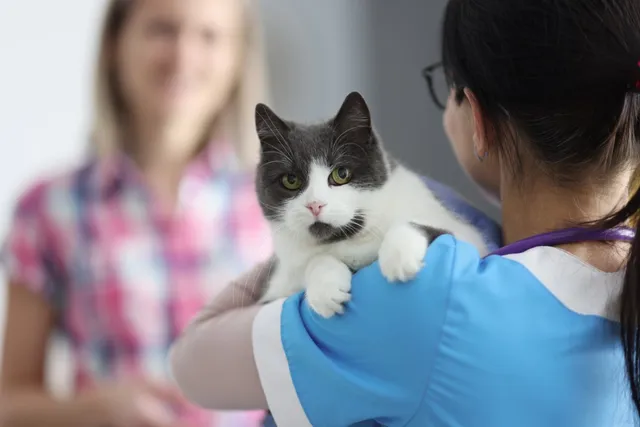
As you can see, dry skin can be the result of many different causes and potential conditions ranging from mild to more severe. If your cat has persistent dry skin or has been exhibiting any unusual symptoms, they need to be evaluated by a veterinarian for proper diagnosis and treatment.
Sources
https://firstvet.com/us/articles/types-of-skin-infections-in-cats
https://www.dupontvet.com/blog/what-to-do-if-your-cat-has-dry-skin/
https://vcahospitals.com/know-your-pet/nutrition-skin-and-cats
https://www.vmsg.com/site/blog/2021/07/30/fungal-infections-in-cats
https://firstvet.com/us/articles/types-of-skin-infections-in-cats
https://pets.webmd.com/cats/guide/feline-diabetes-symptoms-treatments-prevention-diet
Featured Image Credit: rihaij, Pixabay
Expert cat care, straight to your inbox
News, insights, and useful advice, delivered to you.

No spam — unsubscribe anytime.
By signing up, you agree to our Terms & Conditions and Privacy & Cookies Policy.
How useful was this post?
Click a star to rate. You can leave written feedback afterwards. (We read all feedback.)
Lindsey and her husband enjoy traveling the US with their kids and photographing wildlife. Her passion is to educate others on the importance of proper animal care, with an emphasis on reptiles and exotics since their care requirements can be much more complex. She is also a huge advocate for bully breeds. She feels most at home in the forest either on horseback or in hiking boots.