How Long Do Persian Cats Live? Vet-Verified Lifespan & FAQ


In this article
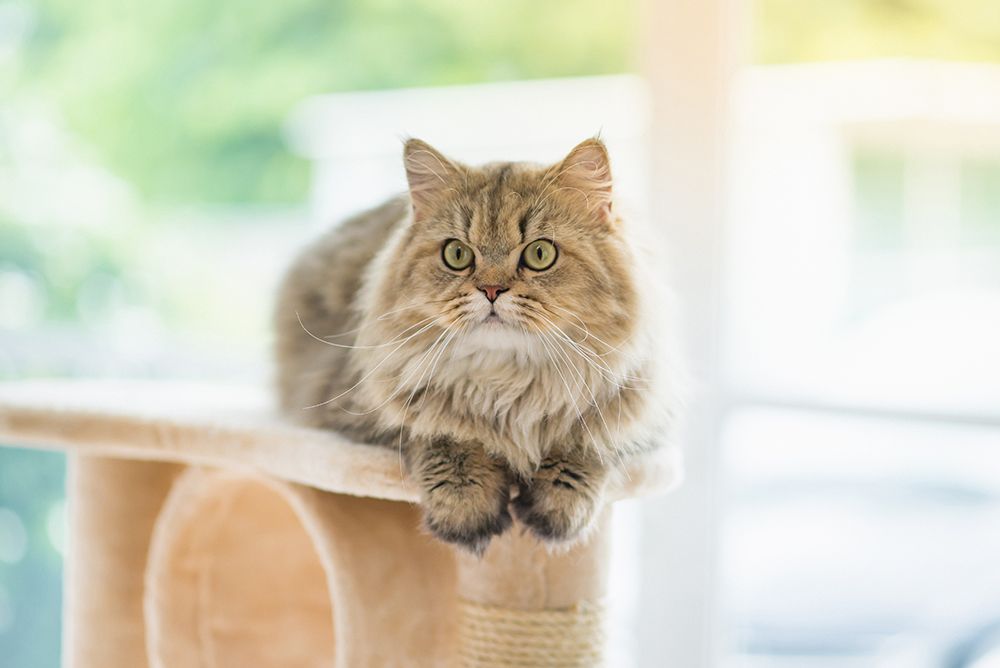
Persian cats are undoubtedly one of the most sought-after and gorgeous breeds. These stunning cats are easily recognizable thanks to their luxurious coats and distinctive flat faces. Persians are known for their sweet and calm temperaments and are perfectly content being lap cats.
The lifespan of a Persian can be influenced by several factors, including their genetics, environment, and the level of care provided by their owners. The average lifespan can, therefore, vary but is somewhere in the 12-to-15-year range. Read on to learn more about how long Persians live and how to care for yours to extend their lifespan.

Persian Cat Average Lifespan
The median lifespan of Persian cats is approximately 12.5 years, though it's not unusual for them to live until they're 15 years or older. Unfortunately, this breed is prone to a number of health conditions, some of which can absolutely affect their lifespan. Prospective owners should consider pet insurance for their pets to provide themselves with some peace of mind that they'll be covered in the event that their Persian develops an expensive health condition.

How to Care for Your Persian Cat for a Long Lifespan?
Feeding & Diet
Persians aren't an extremely active breed, so care must be taken to ensure they don't overeat for their activity level. Overeating and moving too little can lead to obesity and its related disorders (e.g., diabetes mellitus).
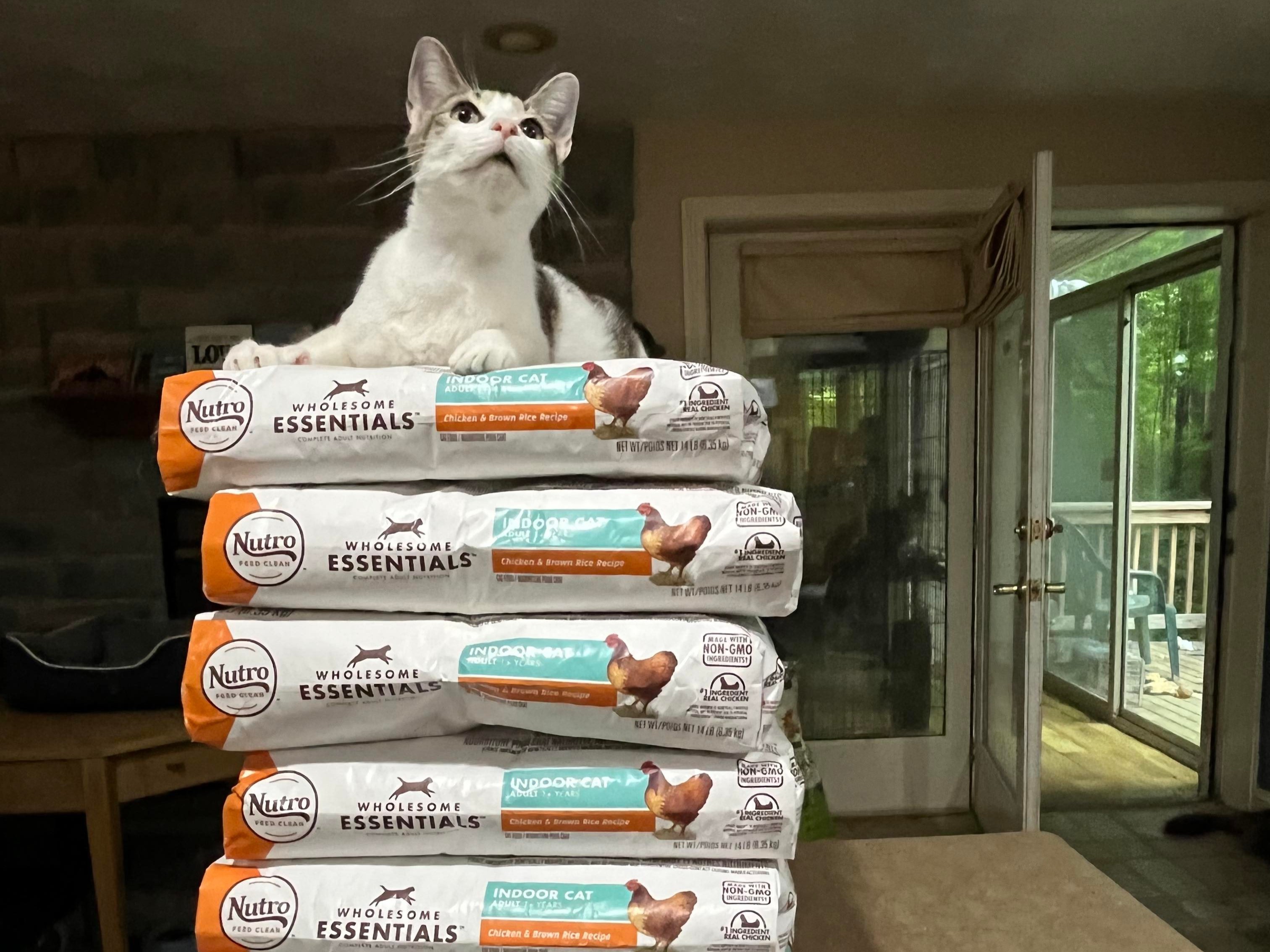
To ensure your Persian is getting the nutrients they need to stay healthy and keep their coat looking its best, choose a food that's complete and balanced for their life stage. Foods containing omega fatty acids may improve your Persian's coat and skin health, and those with insoluble fiber can address hairball issues if your kitty develops them.
Environment
Though Persians aren't as active as other kitties, they still need plenty of opportunities to engage in instinctual behaviors to stay happy and healthy.
A scratching post provides your pet with an appropriate way to engage their natural scratching instincts. Cat trees are great for giving your Persian a high place to perch, hide, and watch over their territory.
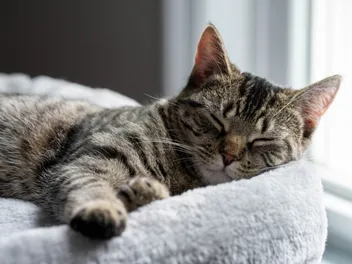
Window seats are great, too, as they allow your pet a cozy place to watch the world go by and give them a warm spot in the sunshine to nap.
The Hepper Hi-Lo Modern Cat Scratcher is a functional and stylish design that makes it the ultimate scratching spot for your cat – and a superhero in the battle against furniture destruction. Unlike most cat toys that end up being ignored, this one's a crowd-pleaser for both cats and their hoomans.
With its 3 configurations, thick textured cardboard, and solid birch plywood frame, it encourages your cat's natural scratching instincts, so they stay away from your precious furniture, rugs, and curtains, among all other things they shouldn't scratch. The Hi-Lo is like your home's mini guardian, keeping it safe while looking super sleek and trendy.
At Catster, we’ve admired Hepper for many years, and decided to take a controlling ownership interest, so that we could benefit from the outstanding designs of this cool cat company!
Care
Grooming a Persian is a process, but it's a non-negotiable part of having a cat with such a beautiful coat. These high-maintenance kitties are prone to matting, so combing and brushing daily will be necessary to prevent painful tangles.
They may get more tear staining due to their facial anatomy. Daily eye cleaning with a face cloth can help keep the stains away.
Cleaning
Cleaning up after your Persian is much the same as cleaning up after other cats.
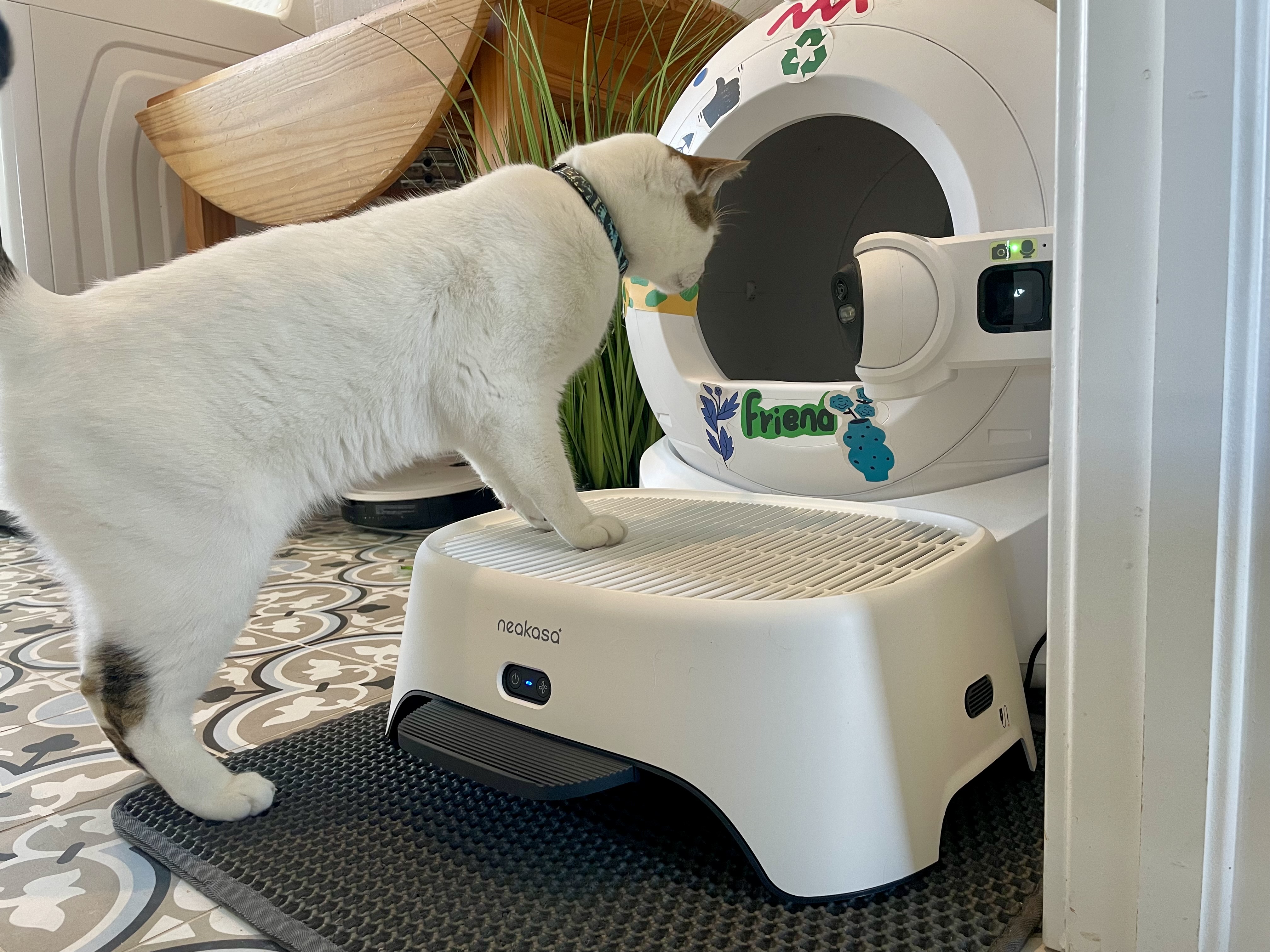
Keeping your kitty's litter box clean will not only keep your home smelling fresh, but it'll keep your pet happy and healthy, too. No cat wants to use a dirty litter box, and if yours isn't up to your pet's liking, they may hold their waste until you've cleaned it. This can lead to kidney or bladder damage, and since Persians are already at risk of certain kidney conditions, you must stay on top of the litter box cleaning duties.
Additionally, a clean litter box will prevent waste from sticking as easily to your Persian's long hair, making grooming less messy.
Cleaning up after our pets is not the most enjoyable part of owning them. Despite keeping a clean litterbox, cat odors and stains may still exist around the house. Sometimes, even the best litter box setup needs extra help. If you're tired of dealing with bad smells from litter boxes, Hepper Advanced Bio-Enzyme Pet Stain & Odor Eliminator Spray can help with the worst pet stains and smells. Additionally, the Advanced Bio-Enzyme Cat Litter Deodorizer neutralizes odors upon contact.
Our Favorite Products
| Image | Product | Details | |
|---|---|---|---|

|
Hepper Advanced Bio-Enzyme Pet Stain & Odor Eliminator Spray |
|
Check Price |

|
Advanced Bio-Enzyme Cat Litter Deodorizer |
|
Check Price |
At Catster, we’ve admired Hepper for many years and decided to take a controlling ownership interest so that we could benefit from the outstanding designs of this cool cat company!
Pairing/Breeding
If you're not breeding your Persian, we recommend having them spayed or neutered. Sexually intact female cats have a seven-fold increase in risk for mammary tumors compared to their spayed counterparts. Couple this increased risk with the fact that Persians are already predisposed to develop such tumors, and you'll see why we're making this recommendation.

Healthcare
Unfortunately, Persians are prone to many potentially serious health conditions. One study of over 3,200 Persians found that at least one health condition was recorded in 64.9% of Persians. These conditions include disorders such as periodontal disease, eye discharge, and haircoat disorders. Knowing your kitty is prone to such issues can help owners understand what they need to look for when evaluating their pet's health.
Persians are prone to developing polycystic kidney disease (PKD), a condition that causes cysts to form in the kidneys. PKD causes permanent damage but can be managed with a special care plan. Thankfully, genetic screening is available to prevent PKD from happening in future generations of Persians, so prospective owners must ensure their breeder has done the proper testing on their breeding cats.
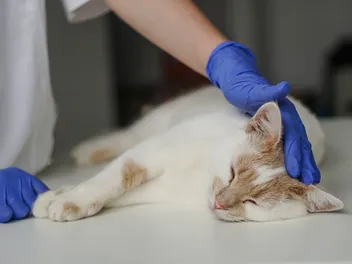
Additionally, owners must be diligent with their Persian's annual veterinary wellness exams to establish a baseline for their health and to catch potential problems before they have time to develop into something dire.
Remember to have regular vet visits when owning a Persian to keep their health and well-being. If you’re concerned about your cat’s health we suggest you speak to a vet.

The Life Stages of a Persian Cat
The life stages of a Persian are the same as any other cat breed.
- Kitten (birth to one year): Your adorable newborn will soon turn into a highly active and playful kitten. This is the best time to introduce your cat to other people and pets and get them accustomed to the idea of daily grooming.
- Young Adult (1 year to 6 years): Commonly seen health problems in Persians (e.g., obesity and dental disease) may appear during this life stage. It's essential to keep up with your annual wellness exams and vaccinations. Your young adult Persian may still retain some of their kittenhood playfulness, so ensure you're paying close attention to their living environment to ensure they're staying mentally and physically stimulated.
- Mature Adult (7 years to 10 years): Your mature Persian may be less inclined to play and more likely to spend their time napping. It's more important now than ever that you engage them in play to keep them active and at a healthy weight. During this stage, your kitty may still look youthful, but they'll be at a higher risk of developing health conditions that commonly affect older cats (e.g., diabetes, kidney disease). Close monitoring is essential.
- Senior (10+ years): Senior Persians may begin exhibiting behavioral changes (e.g., increased sleep, increased vocalization, etc.). They may need to start seeing the veterinarian once every six months versus once annually, as many changes can occur in a short period at this age. They may groom themselves less, which may mean you need to step in more. There will also be a greater risk of age-related health conditions such as cancer, heart disease, and kidney disease.

How to Tell Your Persian Cat Age
The younger your Persian is, the easier it'll be to estimate their age. For example, until Persians are around six months old, they typically weigh one pound for every month of age (e.g., a four-month-old will weigh four pounds).
Baby teeth come in when they're around two weeks old and will finish by eight weeks. At around four months, these baby teeth start to fall out, and the adult ones take their place. Once adult teeth come in, it can be challenging to guess age using teeth alone, though you may be able to guess by judging the wear and tear on the teeth.
The best way to determine your Persian's age is to have them examined by a veterinarian. They can make a guesstimate depending on the state of your pet's teeth, fur, eyes, and overall health. However, it's essential to understand that your vet may not be able to pinpoint an exact age.


Conclusion
Persians may be prone to a number of health conditions, but they still have relatively long lifespans in the 12-to-15-year range. Ensuring you're providing the proper nutrition, stimulation, environment, and care for your Persian can help your pet to live a long and healthy life. Stay up to date on your kitty's vaccinations and ensure you're attending those annual (or bi-annual, if your kitty is older) wellness exams to keep tabs on their health.
Sources
Featured Image Credit: ANURAK PONGPATIMET, Shutterstock
Expert cat care, straight to your inbox
News, insights, and useful advice, delivered to you.

No spam — unsubscribe anytime.
By signing up, you agree to our Terms & Conditions and Privacy & Cookies Policy.
How useful was this post?
Click a star to rate. You can leave written feedback afterwards. (We read all feedback.)
For Chantelle, writing and animals are the two driving forces in her life. Growing up on the Canadian prairies surrounded by pets, she now shares her home with five cats, two guinea pigs, and a bearded dragon. Chantelle, her husband, and their child pride themselves on being dedicated pet parent, even spending a fortune on wall-mounted cat shelves to provide their cats with an indoor jungle gym. When she's not snuggling with her cats or photographing their humorous moments, Chantelle is exploring the Rocky Mountains, rewatching her favorite Netflix series, and reading up on various random subjects.