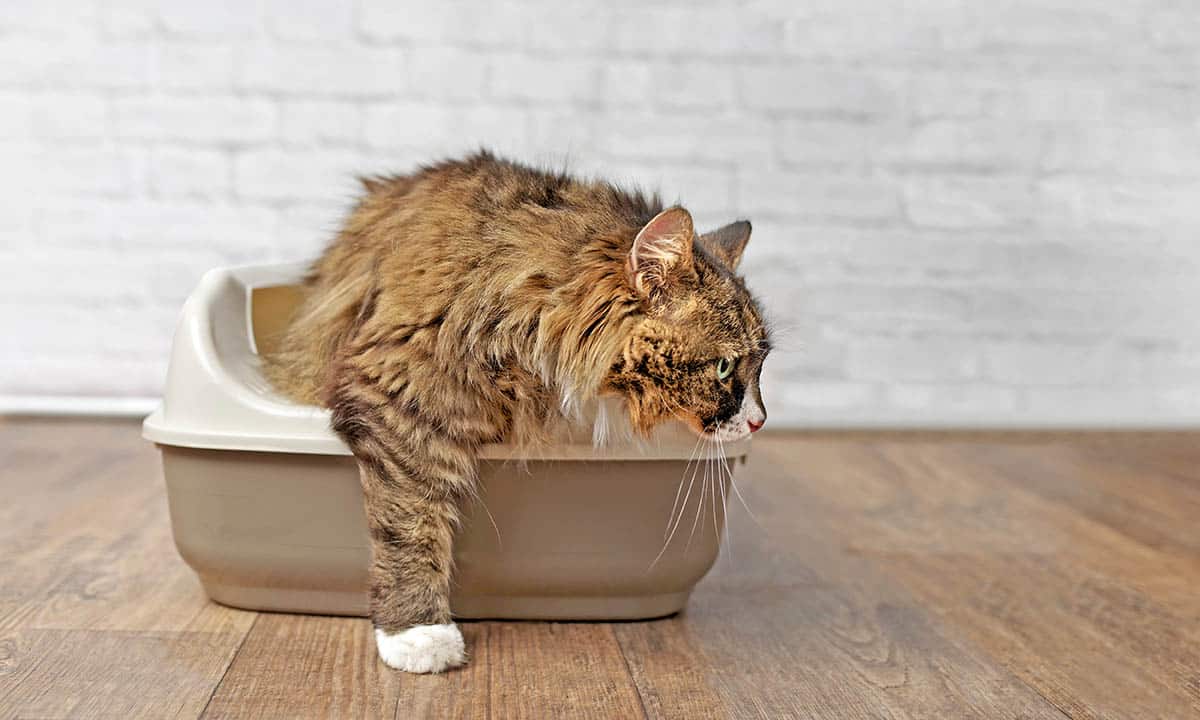
Why Is My Cat’s Poop Watery? 8 Vet-Approved Reasons
In this article
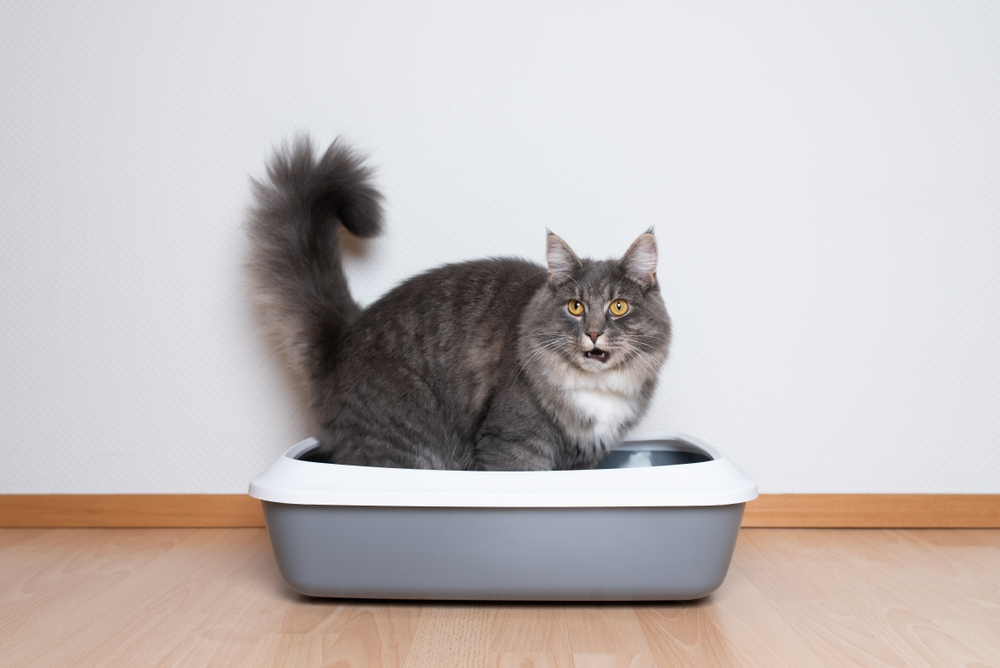
Changes in bathroom habits are one of cat parents' biggest causes of worry. Though diarrhea in cats isn’t the most unusual phenomenon, it’s crucial to figure out what may be causing it, especially if it’s regularly affecting your cat. Watery poop can be caused by a range of situations and health conditions, and it can be difficult to pinpoint precisely what’s going on.
If your cat is otherwise healthy and the diarrhea clears up on its own within 24 to 48 hours, it could just be a one-time event. If the situation doesn’t improve, it’s time to chat with your vet. For now, here are some potential causes of watery poop in cats.

The 8 Likely Reasons for Watery Cat Poop
1. Dietary Changes
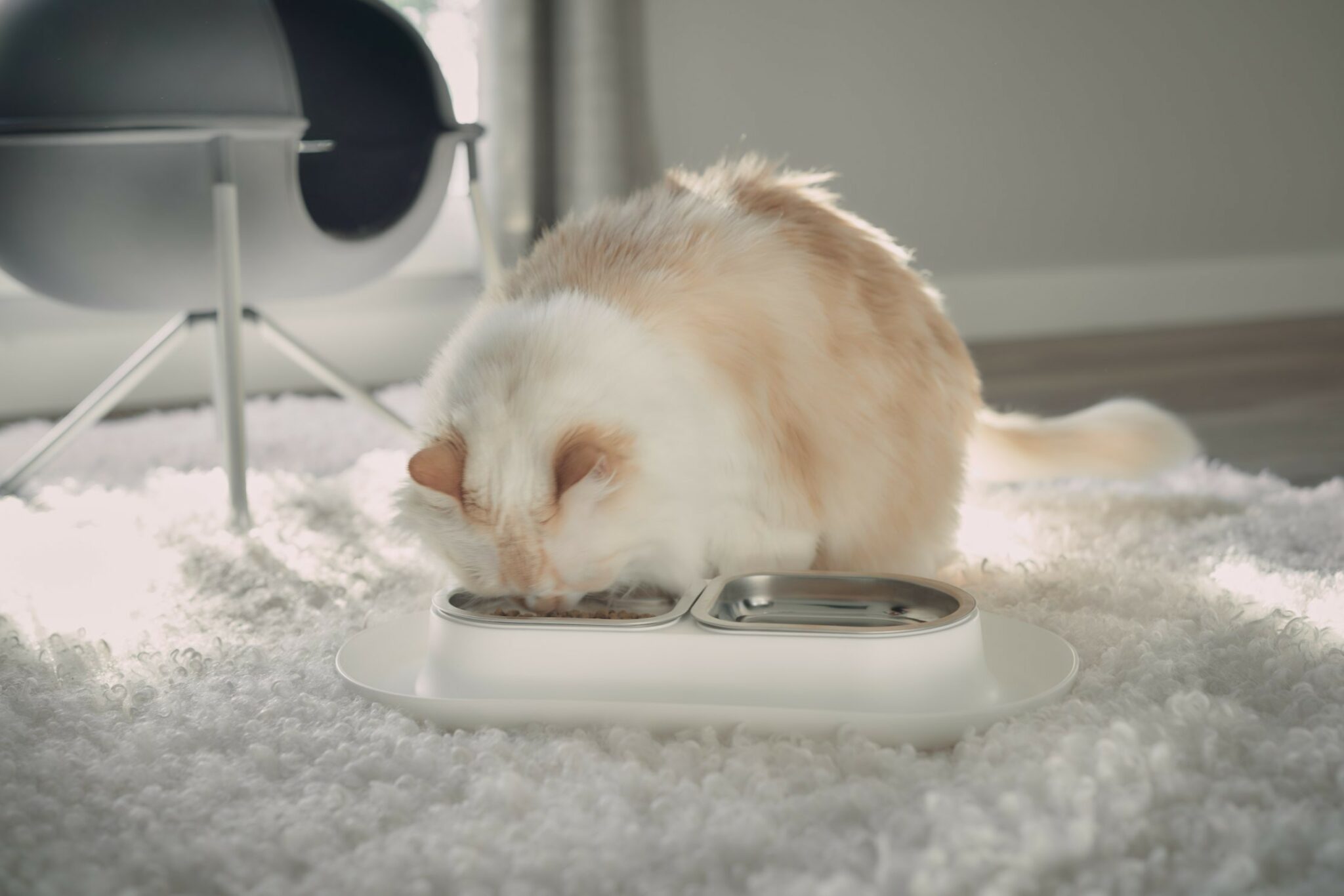
What may seem like a simple food change can cause havoc in your cat’s digestive system. Cats are incredibly sensitive to sudden changes in food, which can affect the balance in their intestines and cause diarrhea, vomiting, and a lack of appetite.
It’s recommended to gradually introduce a new type of food to your cat by offering small amounts of the new food along with the current food. This allows you to gradually increase the amount you give them while phasing out the previous food.
2. Food Allergies
Like humans, cats can also be allergic to certain foods; some cats are allergic to the meats commonly found in cat foods, like beef, fish, or poultry. Food allergies can also cause cats to become itchy, which leads to overgrooming to try and soothe themselves. Diarrhea and other gastrointestinal issues can also occur with food allergies. We suggest speaking to a vet if you suspect food allergies may be the issue.
3. Inflammatory Bowel Disease
Inflammatory Bowel Disease occurs when inflammatory cells attack the gastrointestinal wall, causing it to thicken and struggle to function properly. In short, it is the chronic irritation and inflammation of the bowel or stomach caused by bacteria, parasites, or food allergies. The signs include chronic diarrhea or vomiting.

4. Parasites
Gastrointestinal parasites are another condition that causes diarrhea in cats. Parasites can be worms or one-celled organisms transmitted by bites, eating spoiled meat, or infected feces. There are several types of intestinal parasites.
These are:
Along with diarrhea, parasites can also cause bloodied or mucousy stools, vomiting, and bloating in some cases. Parasites are usually treated with medication prescribed by your vet.
5. Cat Exocrine Pancreatic Insufficiency
Cat Exocrine Pancreatic Insufficiency is a condition in which cats lack properly functioning digestive enzymes to break down fats and proteins and produce insulin. It is caused by pancreatitis, cancer, birth defects, or obstruction in some cases. The signs include watery diarrhea, lethargy, weight loss, and unformed feces.

6. Cancer
Cancers of the gastrointestinal tract can sometimes cause diarrhea and vomiting. Cancer is not as common in cats as it is in dogs, but it tends to be more aggressive in cats. Feline Leukemia Virus (FeLV) can also cause persistent diarrhea.
Cancer can be especially difficult to spot in cats since they tend to hide when they’re feeling unwell, even if they’re suffering from a serious illness. For that reason, it’s important to watch out for other signs as well as watery poop, which include:
- A dull coat that looks more run-down than usual
- Weight loss
- Fever
- Lumps that can be seen or felt through the skin
- Breathing difficulties
- Pale gums
- Swollen lymph nodes
- Seizures
- Lethargy
- Refusal to eat
- Oral inflammation
7. Hyperthyroidism
Hyperthyroidism occurs when the thyroid gland produces more thyroid hormones than is normal, causing the cat’s metabolism to speed up to abnormal levels. This condition most commonly occurs in cats over the age of eight. Diarrhea is one of the signs, but the others include poor coat condition, hyperactivity, vomiting, weight loss, and frequent urination.

8. Stress
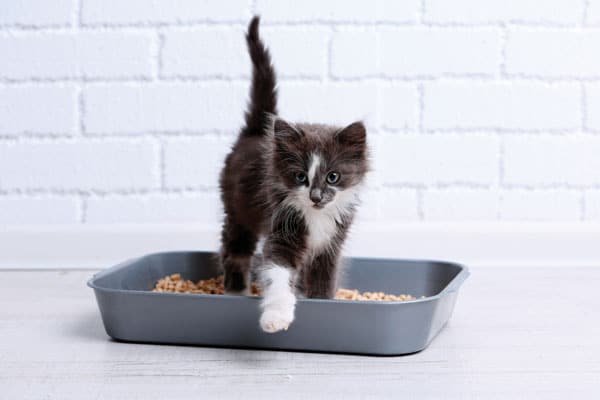
Like humans, stress and anxiety can send a cat’s digestive system into a tailspin. Cats are sensitive to changes in their routine, so if you’ve moved your furniture around, the smell in your home has changed, or you’ve recently moved or adopted a new cat, it can make your cat stressed out. Even moving their litterbox can cause them to have jitters!
What’s Considered Normal for Cat Poop?
A healthy bowel movement should be deep brown, not too hard or soft, and not too foul-smelling. Of course, cat poop isn’t going to smell like a bouquet of roses, but you shouldn’t be heaving or running out of the room when you dispose of it, either.
On the other hand, abnormal cat poop is poop that is:
Final Thoughts
Though watery cat poop isn’t uncommon, it isn’t normal either. That doesn’t mean that something serious is causing your cat’s diarrhea—causes can be minor or serious— but you certainly shouldn’t rule out health conditions, especially if the diarrhea doesn’t clear up on its own after a short time. If you’re worried about your cat’s bathroom habits for any reason, contact your vet.
Sources
Featured Image Credit: topimages, Shutterstock

Expert cat care, straight to your inbox
Vet-reviewed advice, behavior tips, and the best of Catster. Free, and you can unsubscribe anytime.
By signing up, you agree to our Terms & Conditions and Privacy & Cookies Policy.
Kit Copson is a freelance writer and lifelong animal lover with a strong interest in animal welfare. She has parented various furry beings over the years and is currently a proud cat mom of two—one very chilled (unless hungry) Siamese and a skittish but adorable Domestic Shorthair—and dog mom of one—an adopted Bichon Poodle cross. When not writing about or spending time with animals, Kit can be found doodling in her sketchpad, reading, or more often than not, drinking tea.
Join the conversation
Ask a question, share your story, or send private feedback.