Why Do Cats Like Warm Things So Much? 6 Vet-Reviewed Reasons

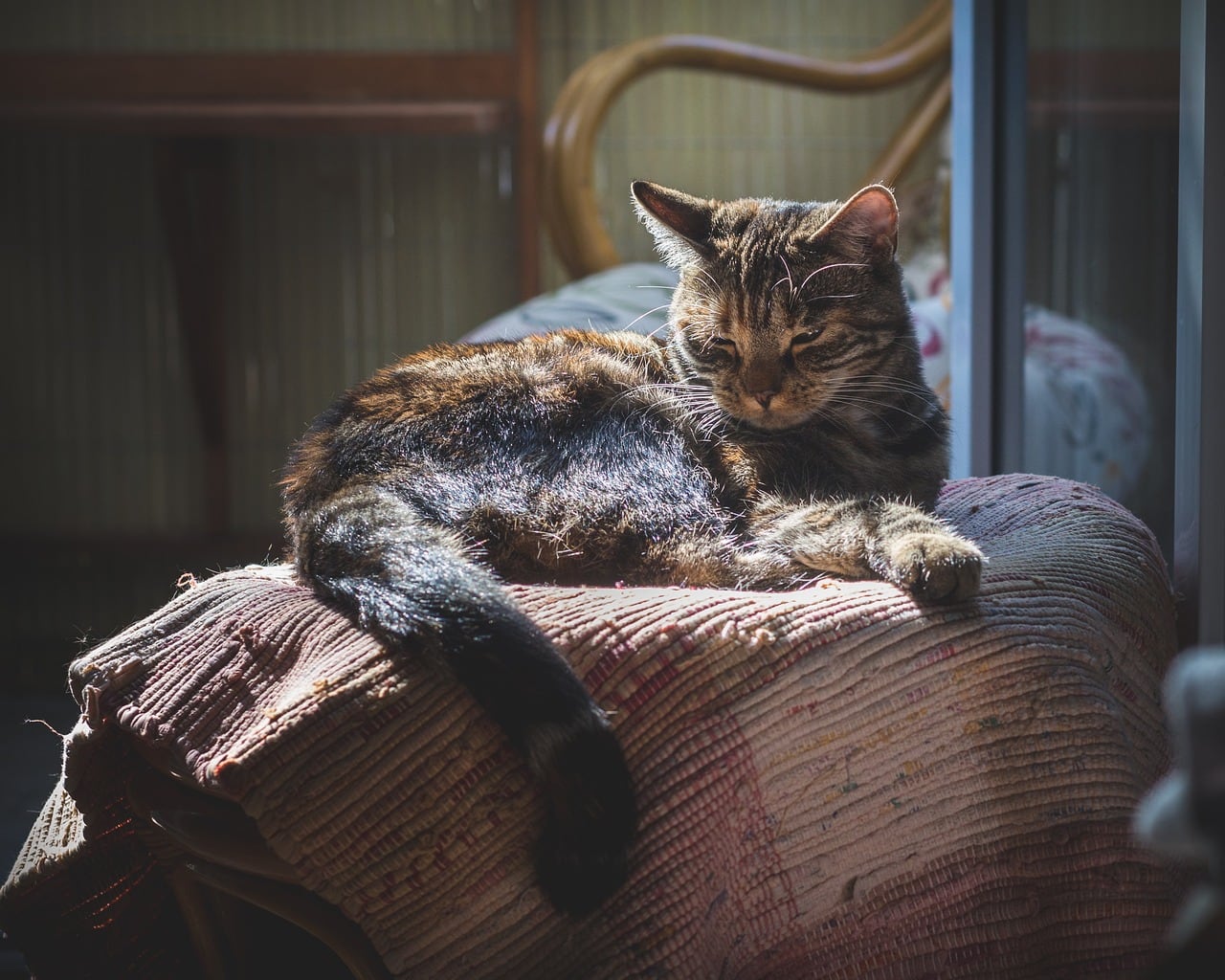
You may have seen your cat cuddling with things like air vents or heaters. This may pique your interest, causing you to wonder why they like warm stuff so much.
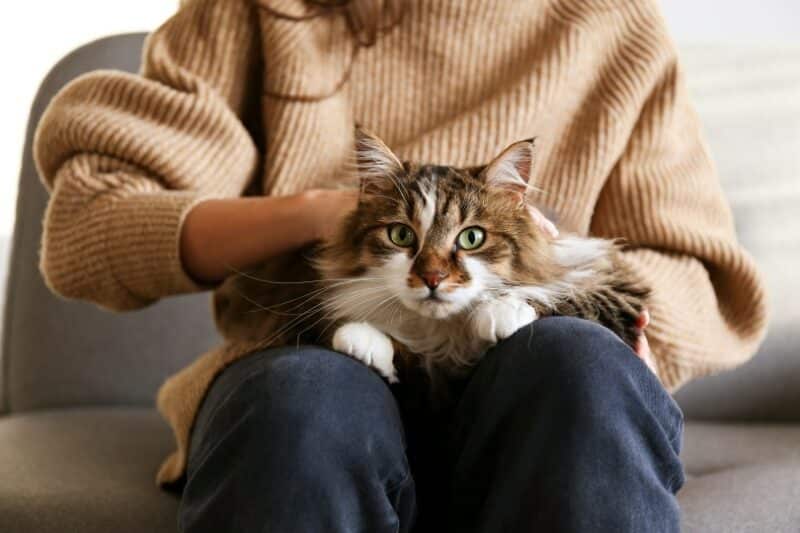
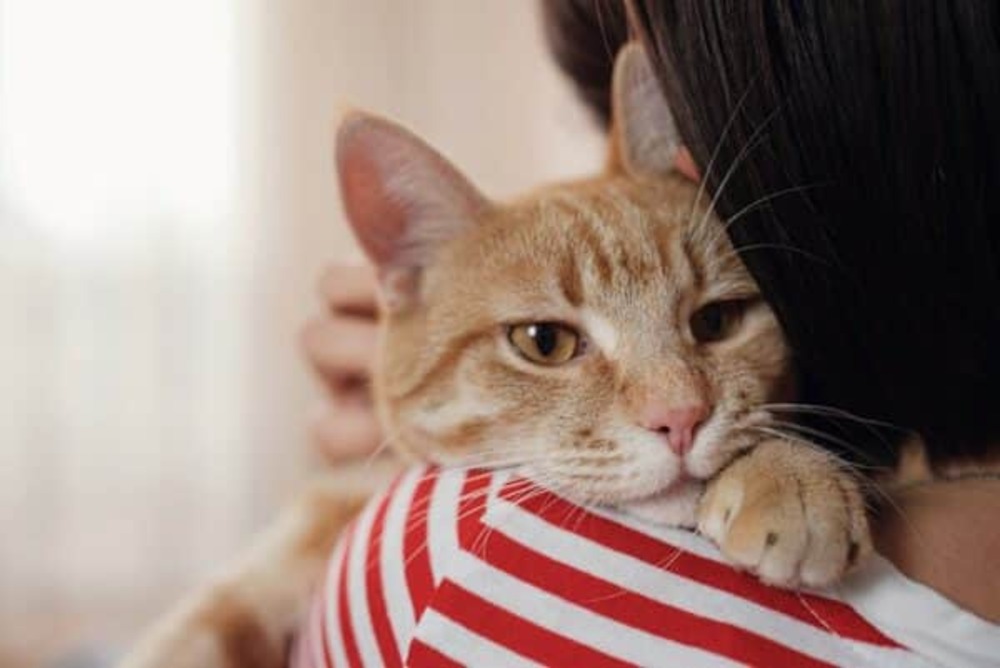
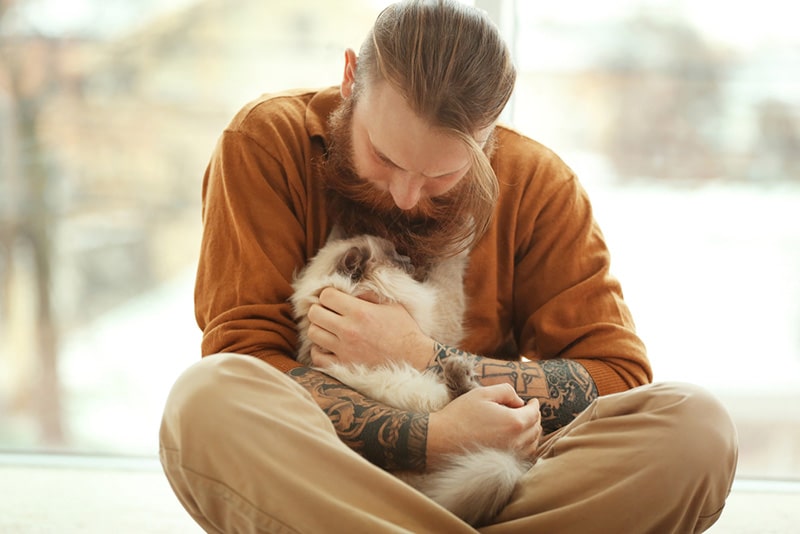
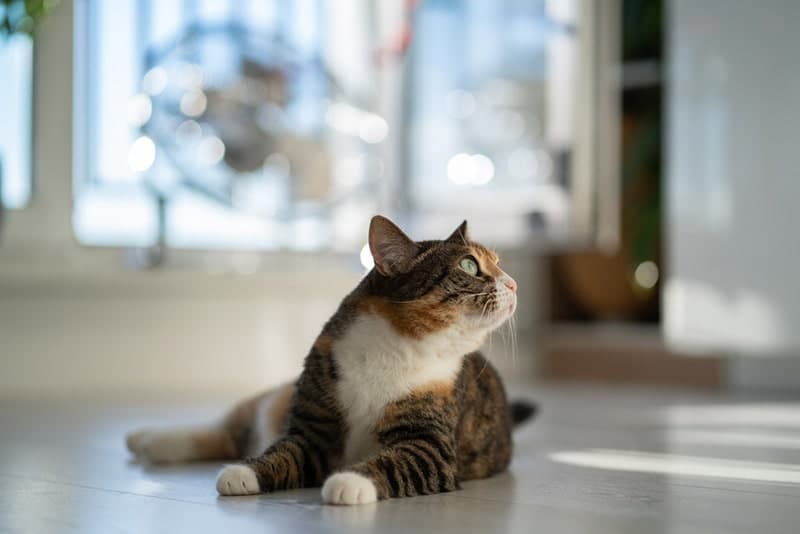
The answer is complicated, as cats love warm places for a multitude of reasons. In fact, they are notorious for loving warm things, including you, which is why they may cuddle you and force you to keep still for them to sleep! Your cat may also be seen lying in the light of a sunbeam on the floor. For more clarity on this behavior, we researched and found out exactly why cats love warm things.

The 6 Reasons Why Cats Like Warm Things So Much
1. Evolutionary Background
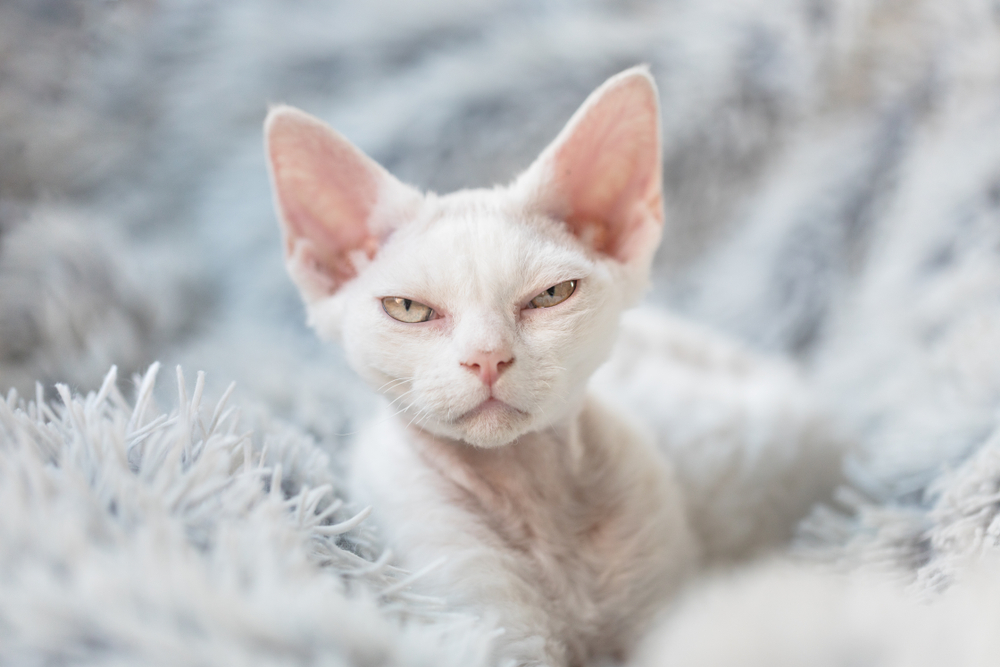
The domesticated cat is a descendant of wild desert cats from Egypt in the Neolithic and Classical periods. If you know anything about life in the desert, you know that the desert temperatures are high during the day and very cold at night.
Like their Egyptian ancestors, domesticated cats are wired to seek warmth. They are made to thrive in heat, so they seek warm things such as sunbeams or warm air vents.

2. Instincts
While you may think you are just a source of warmth to your cat, their instincts run much deeper than that. Warmth-seeking is tied to survival. For example, newborn kittens are unable to regulate their body temperature during the first 2–3 weeks of life. To stay alive, they instinctively huddle together with their littermates and rely on their mother’s body heat. This early dependence probably leaves a lasting imprint on cats, making them naturally drawn to warmth and close contact even as adults.
In the wild, warmth also means safety: conserving body heat reduces the risk of hypothermia and allows a cat to save energy for hunting or defending itself. Your cat curling up against you or in a sunny spot is, in part, an echo of those survival instincts.
3. Cold
Cats can have more complicated reasons for lying in warm places, but it could simply be because they’re cold. Cats seek warmth, just like any animal, when they are cold. This can cause you to find them in odd places, such as next to heaters or on top of vents. You do have to be careful, however. When cats are near warm sources, such as heaters, their fur can cause them to get too hot without realizing it. This can cause all sorts of health problems, such as heatstroke.
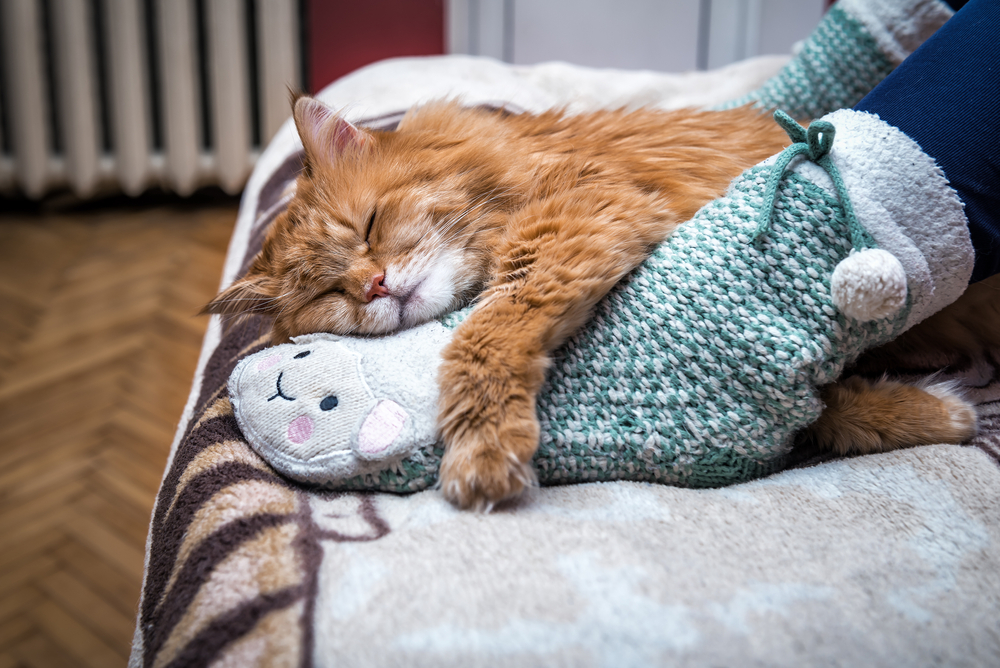
The best way to keep your cat sufficiently warm without hurting them is to get a heated pet bed. A good pet bed will be able to regulate itself or be a low enough voltage to ensure your furry friend doesn’t get hurt.

4. Illness
Sometimes, the fact that cats search for warmth is natural and just part of their instincts. However, if your cat is acting strange and tends to lie around more than usual, they could be sick. Many illnesses in cats cause them to sleep more or to have problems regulating their body temperature, the same thing that happens with humans or any other creature. This allows them to use their energy to heal rather than move around. Your cat may simply prefer warm things because they are sick.
If your cat is acting strange or showing other signs, it may be time for a vet visit. Things like vomiting, diarrhea, lethargy, and other concerning signs can point toward your cat being sick. You likely don’t need to worry if you see them lying down somewhere warm like usual, but you should worry if other signs occur and they seem more tired than normal.
5. Getting Older
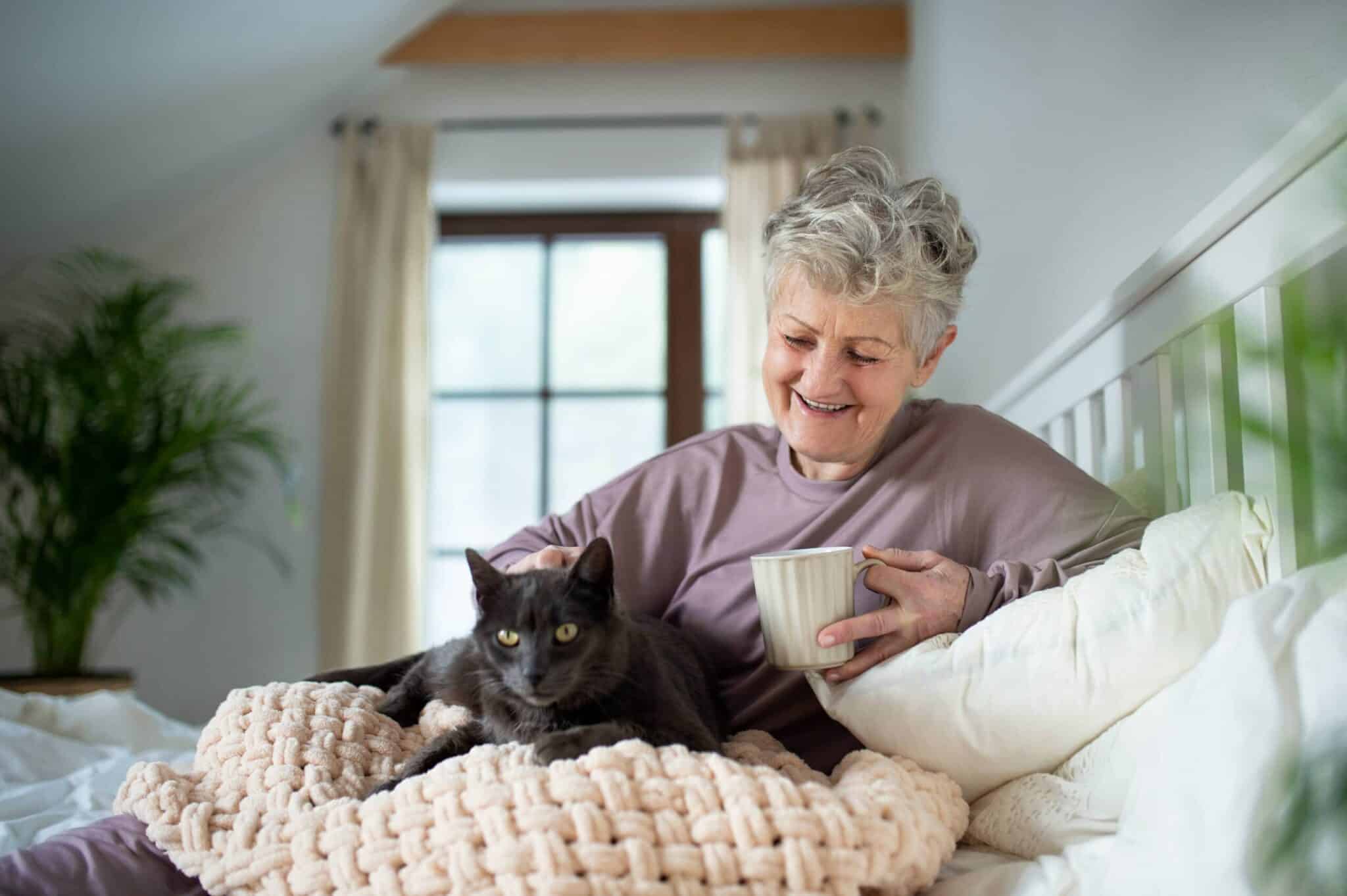
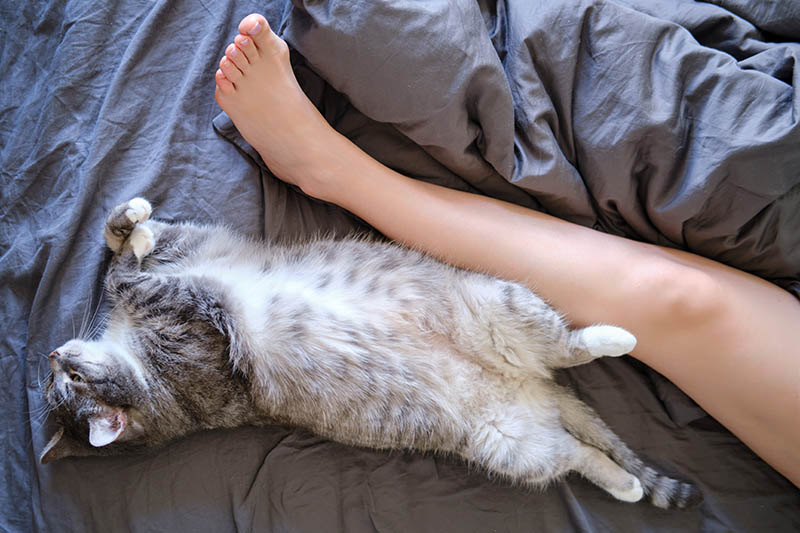
Cats get old—that’s just a fact of life. Like humans, they tend to spend more time lying around and not wasting precious energy when they get old. Elderly cats have trouble regulating their body temperature, making them seek out warm places more often. These warm places include your legs, so if you notice your otherwise healthy senior cat seeking more warm spots, it could simply mean they’re growing older, with nothing to worry about.

6. Habit
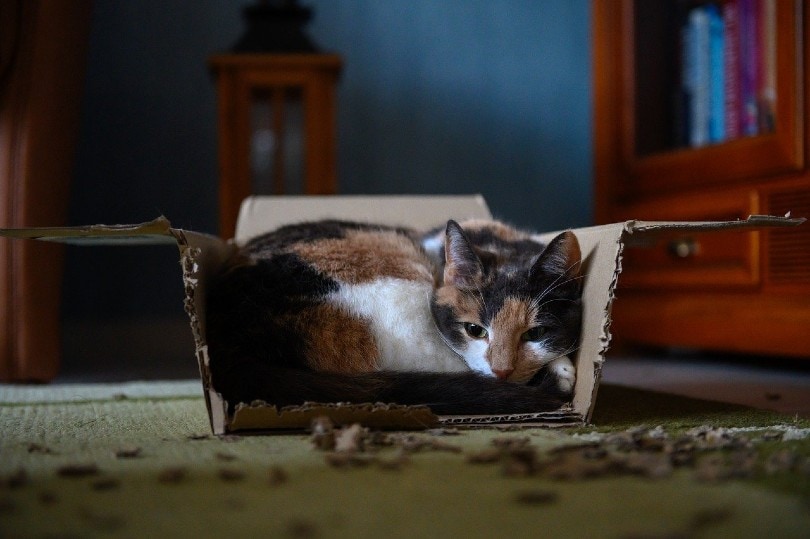
Your pet cat could honestly just be used to sitting in a certain spot, and it could simply be warm. Cats tend to stick to their schedules and habits, and while it could have started as just a warm spot to sit, it could now be considered one of the spots that they love to sit in. Like humans, cats crave familiarity and can be seen doing their same rituals and schedules.
If you have any concerns or curiosities about your cat or their health, we recommend you contact a vet directly.
Conclusion
Cats love warm places for many reasons, from being sick to just loving their owner. If you get anything out of this, just remember that your cat cuddling up to a heater or something similar can be dangerous. Their coat is insulated, which can cause them to get too hot, and this can cause health issues.
Cats are notorious for sitting in warm places; just watch out to ensure they aren’t getting too hot or sick. It may be time for a vet visit if you notice your cat acting off and lounging more often than usual.
Featured Image Credit: KAVOWO, Pixabay

Expert cat care, straight to your inbox
Vet-reviewed advice, behavior tips, and the best of Catster. Free, and you can unsubscribe anytime.
By signing up, you agree to our Terms & Conditions and Privacy & Cookies Policy.
Kristin is passionate about helping pet parents create a fulfilling life with their pets by informing them on the latest scientific research and helping them choose the best products for their pets. She currently resides in Tennessee with four dogs, three cats, two fish, and a lizard, though she has dreams of owning chickens one-day!
Join the conversation
Ask a question, share your story, or send private feedback.