Polycystic Kidney Disease in Cats: Our Vet Explains the Signs, Causes & Treatment

In this article
Most cat owners are familiar with the term chronic renal disease, as it is a widely common disease process that impacts a large portion of senior cats. Less well-known may be polycystic kidney disease or PKD. Polycystic kidney disease, or PKD, is a devastating disease that impacts the kidneys of cats and can lead to kidney failure. Continue reading to learn more about this disease process and its impact on the cat community.

What Is Polycystic Kidney Disease?
Polycystic kidney disease, or PKD, is an inherited disease that results in the development of cysts within and on the kidneys. The development of cysts replaces normally functioning kidney tissue, therefore putting a strain on the functionality of the kidneys. Cysts can start to develop in very young kittens. However, these cysts may not be easily palpable if the growth starts within the kidney around the renal pelvis. Over time, as more cysts develop, patients with PKD can develop renal failure, otherwise known as renal disease. Unlike typical chronic renal failure seen in geriatric cats, PKD cats generally develop kidney disease or failure at a younger age of 7 years.
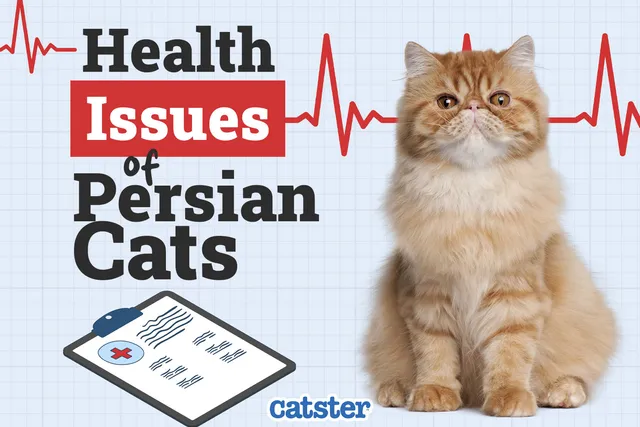
Persian cats are the breed most likely to be affected; however, PKD can occur in other Persian-related breeds. Unfortunately, PKD typically involves both kidneys. Cats with PKD may also develop cysts in their liver and pancreas. PKD is also correlated with cardiac disease.
What Causes Polycystic Kidney Disease?
PKD is an inherited genetic disease caused by an abnormal gene mutation. More specifically, PKD is the result of one dominant abnormality. Because the abnormality is dominant, cats with this gene mutation will develop PKD. Although PKD will develop, the rate of progression varies and cannot be predicted.
Kittens who have inherited this gene mutation from both parents typically experience fetal death.
It should be noted that other abnormalities may lead to PKD, as this has been documented in cats that have tested negative for the PKD gene abnormality.

What Are the Signs of PKD?
It is important to note that clinical signs of PKD are not noticeable until the kidneys have begun to dysfunction. The signs of PKD are the same as those of chronic kidney disease, as seen below:
- Increase in urination
- Increase in water intake
- Weight loss
- Change in appetite
- Vomiting
- Dehydration
- Lethargy
- Pale mucus membranes
Seek veterinary advice if you’re concerned about your pet’s well-being.
Diagnosing PKD in Cats
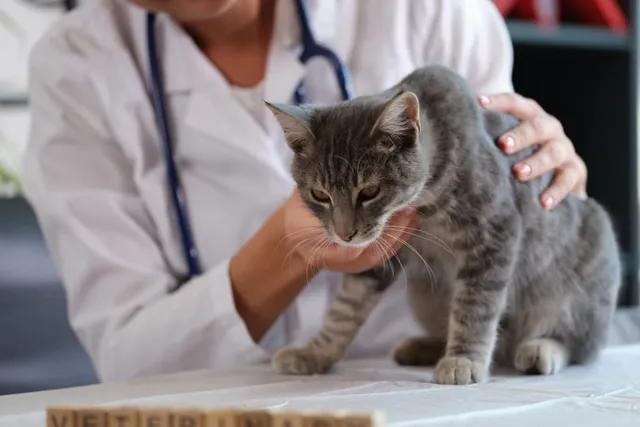
Diagnosing PKD in cats involves a close look at the patient’s history and breed. Physical examination may reveal palpably abnormal kidneys and may elicit pain with abdominal palpation. Bloodwork is often one of the first diagnostics performed. Bloodwork will often reveal abnormalities with SDMA, creatinine, BUN, and red blood cell levels. Bloodwork results will not differentiate PKD from other causes of kidney failure.
Radiographs and ultrasounds may be done, which could reveal abnormally shaped kidneys or visible fluid-filled cystic structures. Ultrasound may be one of the most telling diagnostic tests for diagnosing PKD.
Blood pressure, urinalysis, and urine cultures may also be performed. Blood pressure can increase as renal disease progresses.
Biopsies can help to positively confirm PKD in conjunction with clinical signs and patient history.
PKD genetic screening tests are available, and breeding cats at higher risk of this disease should be tested prior to breeding.

How Is PKD treated?
Unfortunately, PKD cannot be cured. PKD patients diagnosed with kidney failure will benefit from the interventions outlined by IRIS. Interventions are intended to slow the progression of the disease and help maintain the patient’s quality of life.
One of the most encouraged interventions is a diet change to a kidney-friendly diet. This type of diet typically has restricted protein levels, low phosphorus levels, and high moisture content.
Clinical signs of nausea may be combatted with anti-vomit medication like Cerenia. Appetite stimulants like mirtazapine or cyproheptadine may be encouraged to reduce appetite.
Fluid therapy and electrolyte supplementation may be needed.

Frequently Asked Questions (FAQ)
What is the overall prognosis of PKD?
Cats diagnosed with PKD should intermittently have bloodwork performed to see how fast their disease is progressing and to determine if any further interventions are recommended. Weight and appetite should also be closely monitored.
The overall prognosis of PKD is dependent on the rate at which cysts develop and destroy normal kidney tissue.
I recently purchased a Persian cat. How can I know if they carry the PKD mutation?
It is recommended that breeders be closely screened and asked about genetic testing of the parents prior to welcoming a Persian into your family. UC Davis offers a genetic test that will identify the gene mutation. This test is inexpensive, and the test sample can be collected from home. Please see this link for more information.
My cat has been diagnosed with PKD. Can the cysts be drained?
Although the cysts could technically be drained in some cases, the overall prognosis would not change. Once cysts have formed, damage to normal kidney tissue has already occurred and cannot be reversed.

Conclusion
Unfortunately, PKD is common in the Persian cat community. This devastating disease has no cure and destroys healthy kidney tissue, eventually leading to kidney failure. It is important that Persian cats used for breeding be appropriately screened for this gene and that owners of Persian cats and related breeds be aware of this disease. It may be beneficial to start screening for high-risk breeds before clinical signs of illness are noted.
Sources
Featured Image Credit: Nestor Rizhniak, Shutterstock
Expert cat care, straight to your inbox
News, insights, and useful advice, delivered to you.

No spam — unsubscribe anytime.
By signing up, you agree to our Terms & Conditions and Privacy & Cookies Policy.
How useful was this post?
Click a star to rate. You can leave written feedback afterwards. (We read all feedback.)
Dr. Marti Dudley is a small animal veterinarian with a passion for preventative medicine and pet parent education. She enjoys being a resource for pet owners as she believes that having a team approach leads to the best possible care of pets. Dr. Dudley enjoys writing and has been able to use this skill as another avenue to educate pet owners outside of the traditional office setting.
Dr. Dudley has been practicing veterinary medicine since 2014. She has an interest in preventative care and emphasizes the importance of pet owner education. Dr. Dudley’s experience in veterinary medicine is broad, as she has worked as a general practitioner, which has allowed her to see and treat many different types of conditions.
Dr. Dudley received her bachelor’s degree in biology from Longwood University in Virginia. She earned her Doctor of Veterinary Medicine (DVM) degree from Ross University.