Male vs Female Bengal Cat Breed: What’s the Difference? (With Pictures, Vet-Reviewed)


In this article
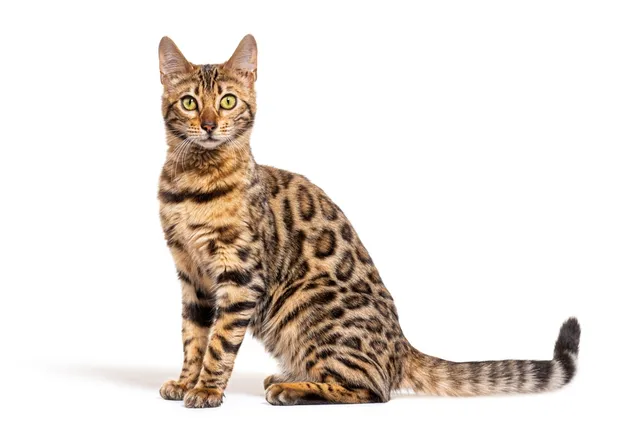
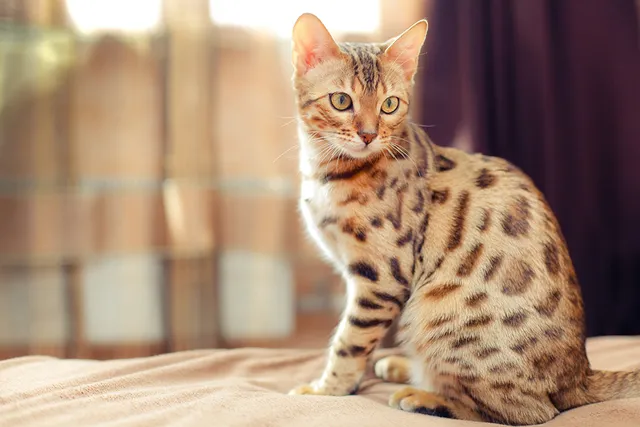
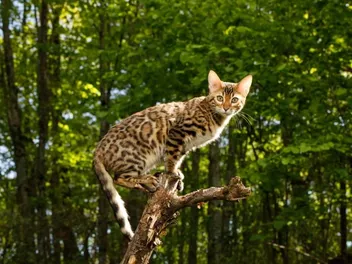
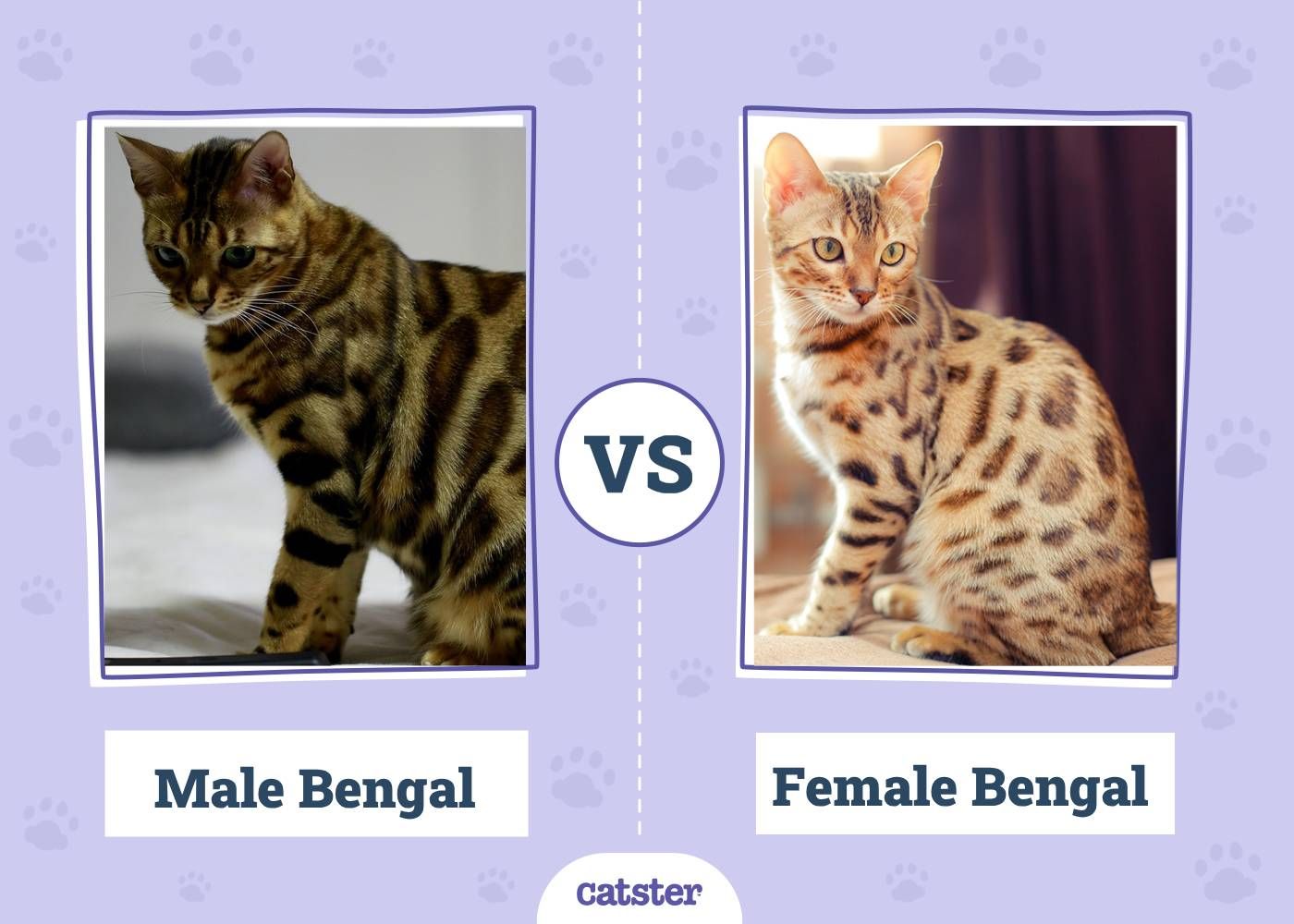
The Bengal cat breed is an exotic-looking domesticated breed that comes from hybrids of other domestic cats, such as the Asian leopard cat. Whether male or female, the Bengal cat has a loving, playful, affectionate personality that makes it popular with cat owners. Despite the similarities, the Bengal cat does differ between sexes. The male Bengal cat is likely to be larger than the female, and you may see behavioral differences with cats that haven’t been spayed or neutered. If you’re wondering which sex is right for you, read more about the differences between the male and female Bengal cat.

Visual Differences

At a Glance
Male Bengal Cat Breed Overview

Male Bengals are generally similar to females in that they’re friendly, affectionate, and intelligent. While they are slightly larger than females, the differences are minimal. These cats are energetic and require exercise and mental stimulation to stave off boredom, which can lead to destructive habits. Male Bengal cats are likely to get along with other cats when properly socialised and introduced. These cats also get along well with well-mannered dogs and children under supervision.
Some owners note that male Bengals are more affectionate than females, but they all have their own individual personality traits. That said, individual cats may be more affectionate or clingier with certain family members, regardless of sex.
It's important to note that these personality traits and behaviors apply to neutered male cats. Intact males may display negative behavioral traits, such as spraying, marking, and roaming in search of a female cat in heat. Intact males may also become destructive or aggressive due to the flood of sex hormones flowing through their bodies and the frustration that comes along with it. The best way to curb this behavior is with neutering at an appropriate age, typically before 5 or 6 months of age. Consult with your vet about the best time to neuter your kitten.
Training
Male Bengals are intelligent and eager to please their owners, so they’re more trainable than some other cat breeds. In fact, Bengals have been regarded as being more “dog-like” than many cat breeds. They can be taught tricks, such as sitting, shaking, and spinning in circles, with consistent, reward-based training. In addition, training a Bengal cat gives them mental and physical stimulation to burn excess energy and prevent boredom that can lead to destructive behaviors.

Health & Care
Bengals have a few genetic health conditions to be aware of, including progressive retinal atrophy and erythrocyte pyruvate kinase deficiency. These can affect cats of either sex. Male Bengals may be prone to sex related reproductive health problems, such as testicular cancer, which is not very common but can be prevented by neutering. Intact male cats may also experience health problems related to roaming and fighting with other males over a female, such as infectious diseases or injuries.
Suitable for:
Male Bengals can thrive in a variety of households, especially with owners who are attentive and enjoy interactive play. These cats adjust better if neutered, however, limiting issues of territoriality, destructive behaviors, and conflict with other pets. Keep in mind that Bengal cats are medium-sized and need space to roam, climb, and jump; however, they’re not ideal for cramped quarters like dorms, apartments, or small homes with limited interior space. They do best in homes that offer enough space and vertical enrichment. With plenty of playtime and mental stimulation, even apartment living can work, but owners should be prepared to provide daily interactive activities to keep these intelligent cats happy and healthy.
Female Bengal Cat Breed Overview

Female Bengals are slightly smaller than their male counterparts, but otherwise, the differences are minimal. Females are just as intelligent and loving as males and enjoy spending time with their human companions. Some owners note that female Bengals have natural mothering instincts and exhibit nurturing behaviors, which may make them clingier with one family member.
In family or multi-pet environments, the female Bengal may be more protective of “her person,” but it doesn’t usually escalate to aggression. In general, the female may be more defensive overall when meeting new cats, people, or other pets, though she should adjust with proper socialisation and introductions. This is especially true of older females being introduced to younger females, which may be viewed as sexual competition, regardless of whether all animals are spayed and neutered.
When intact, female Bengals display unpleasant behaviors like increased vocalization during heat cycles and more territoriality with other females, but these can be corrected with spaying. Cats reach sexual maturity around 5 or 6 months of age, so spaying should take place before that. Your vet can advise you on the best time to spay your female. Spaying at the appropriate time may also prevent health issues in the future.
Training
Female Bengals are highly intelligent and aim to please, so they’re easy to train. Like males, female Bengals are regarded as having “dog-like” personalities and can be taught tricks with consistency and reward-based training methods. Overall, female Bengals are seen as calmer than males, but they still need exercise and plenty of environmental stimulation like cat trees, towers, stairs, and perches.
Health & Care
Female Bengals are prone to the same inherent health conditions as male Bengals, including progressive retinal atrophy and erythrocyte pyruvate kinase deficiency. Intact females may also be prone to reproductive health conditions, such as pyometra, a painful infection of the uterus, and mammary cancer. The best way to prevent these health conditions is by spaying the female at an appropriate age.

Suitable for:
Female Bengals are best suited for active owners who can consistently dedicate time to playing with them every day, as well as provide environmental enrichment and ongoing mental stimulation. Because they tend to get attached to one person in the family, female Bengals are a great choice for single pet owners, though they also do well with families and multi-pet environments. Keep in mind that female Bengals may be defensive or standoffish with new cats, dogs, and people, so it’s best to introduce them at a young age if possible.
Which Sex Is Right for You?
Bengals are friendly, affectionate, and energetic cats that make great pets, regardless of sex. Most of the differences between male and female Bengals have to do with their sex hormones, which can be corrected by neutering and spaying at the appropriate age. Otherwise, the male and female Bengal are remarkably similar.
Featured Image Credit: Elena Borisova, Pixabay, Gidon Pico, Pixabay
Expert cat care, straight to your inbox
News, insights, and useful advice, delivered to you.

No spam — unsubscribe anytime.
By signing up, you agree to our Terms & Conditions and Privacy & Cookies Policy.
How useful was this post?
Click a star to rate. You can leave written feedback afterwards. (We read all feedback.)
Christian started writing for a local newspaper as a teenager, and he's been involved in the publishing industry for most of his adult life. Combining his love of writing with a passion for animals, he is currently the Director of Editorial at Pangolia and the Editor-in-Chief at Catster.
Christian lives in the Philippines with his wife, son, and four rescue cats: Trixie, Chloe, Sparky, and Chopper.