British Shorthair Cat Health Problems: 7 Vet-Reviewed Health Issues


Getting a new cat is always an exciting time! Part of the fun of adopting a pet is figuring out which breed will be the best fit for you and your family—that means doing some research. You’ll need to learn about their personalities, how active they are, what to feed them, and more for any breed you're considering. One part of the research that people sometimes forget about is finding out common health issues that affect certain breeds. It’s important to know what potential problems could arise for your kitty down the road.
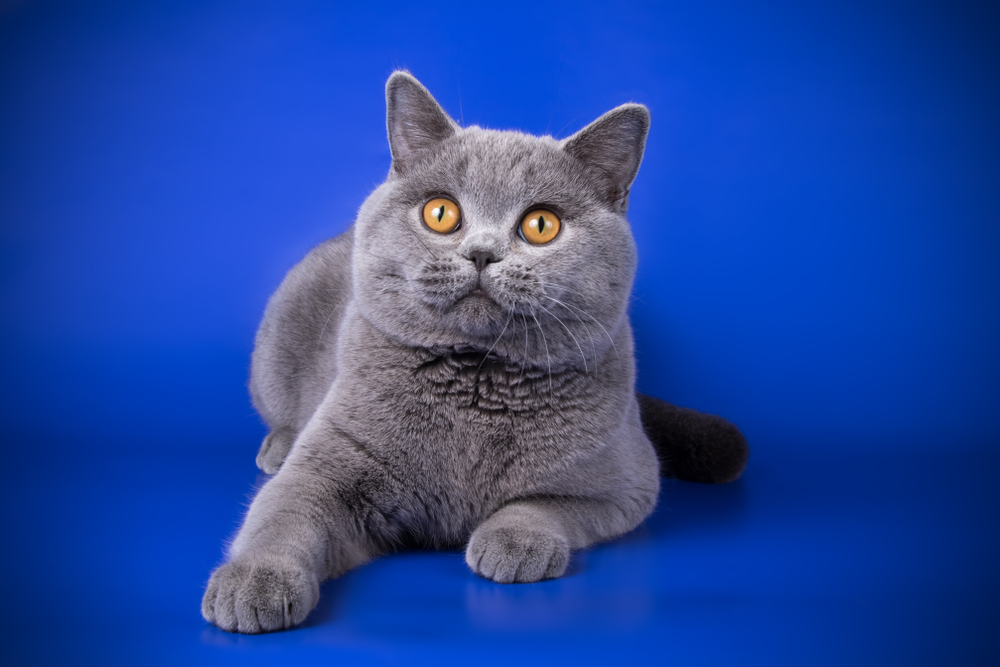
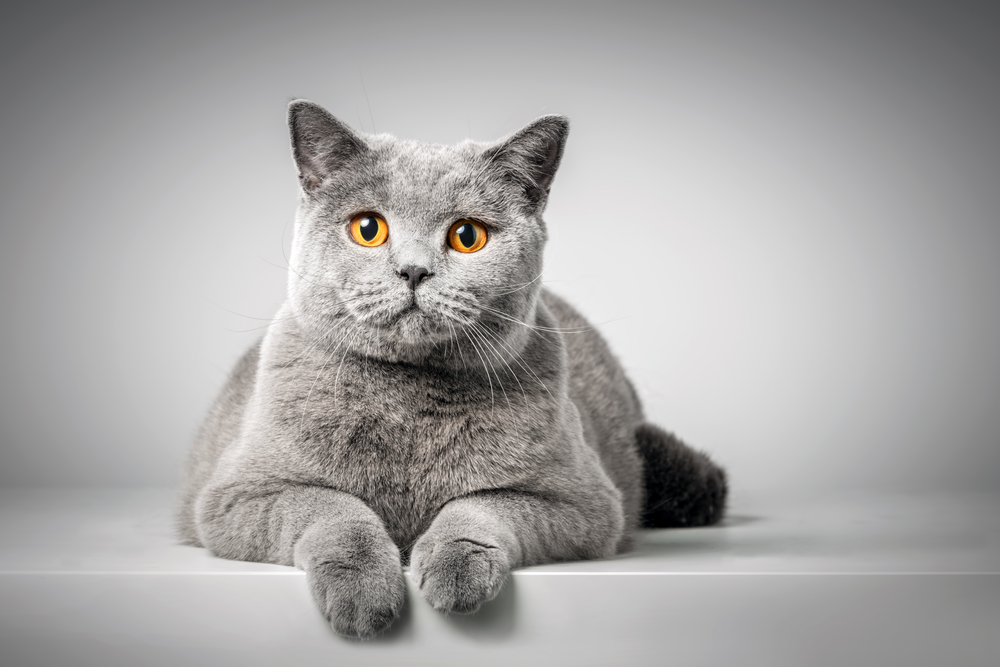
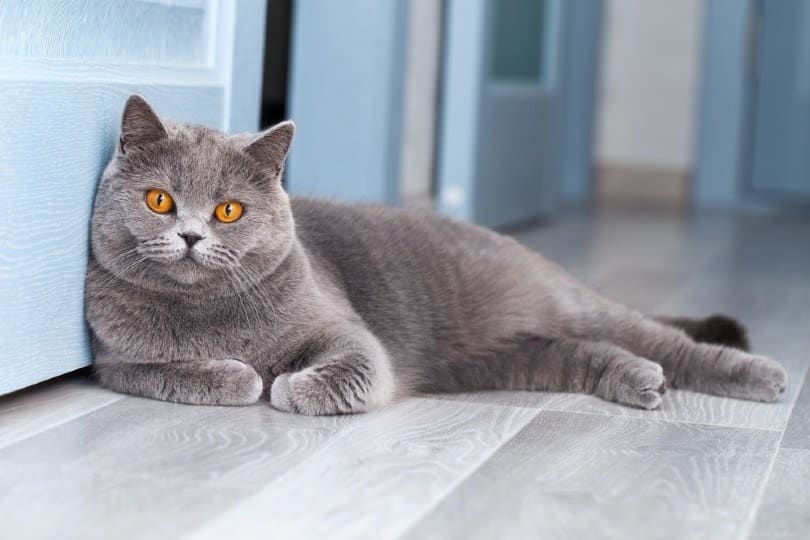
If you’ve been considering adopting a British Shorthair into your family, you already know the breed is absolutely adorable and easygoing. You may not have looked into health issues yet, though. Don’t worry—we’ve got you covered when it comes to the most common health problems this cat breed runs into. The list below will give you a rundown of the issues that may occur and let you know what you should keep an eye on if you decide to bring a British Shorthair into your home and life.

The 7 British Shorthair Cat Health Problems
1. Hypertrophic Cardiomyopathy
Hypertrophic cardiomyopathy is the heart disease most often diagnosed in felines. Unfortunately, the British Shorthair tends to develop it more commonly, alongside other breeds, such as the Maine Coon, Ragdoll, Sphynx, and Persian cats. A suspected inherited condition, hypertrophic cardiomyopathy causes the muscles in the wall of the heart to thicken. Eventually, this thickening can lead to worse issues, such as blood clots or heart failure.
Though there isn’t a cure for hypertrophic cardiomyopathy, in some cases, it can be managed with medication in order to try and prevent clots, reduce fluid overload and pulmonary oedema, and control the heart rate and blood pressure, depending on the stage of the disease at the time of diagnosis.
Because this disease is strongly suspected to be inheritable, it’s essential that you check with breeders and a veterinarian about whether the parent cats of any kitten you’re considering have been tested for the presence of heart disease by the means of a heart ultrasound.
As far as signs for this go, they can vary by cat, and often, you won’t see anything until the disease has significantly progressed and led to heart failure.
Once signs begin to show up, they include:

2. Hemophilia B
Though not common, hemophilia B is a hereditary bleeding disorder that has been reported in the British Shorthair. Essentially, this disorder means the cat has a lack of factor IX (a protein that aids in blood clotting), which means they may bleed excessively if injured. Unfortunately, you’ll really have no way of knowing if your cat suffers from this until they get hurt.
If your British Shorthair does have hemophilia B, while there’s no cure, you can reduce the risk of injury to them by keeping them indoors and minimizing any risk of trauma, while there are certain medications that can be given as a prevention before unavoidable surgeries or blood transfusions, in more severe cases.
Signs can include:
3. Cataracts
Cataracts can occur in many cat breeds no matter their age or sex, but the British Shorthair has shown a genetic predisposition towards having them. You’ve likely seen cataracts in animals before—they’re noticeable because the eye lens grows cloudy. There are several reasons a cat can develop cataracts, including inflammation, infection, uveitis, diabetes, cancer, and more.
If your British Shorthair develops cataracts, often the issue can be fixed with surgery. But cats also can learn to live with it and still lead happy and healthy lives, so discuss whether the surgery would be more beneficial or risky with a vet.
Signs can include:

4. Polycystic Kidney Disease
Though most commonly found in Persian cats, polycystic kidney disease has also been known to occur in the British Shorthair. As the name suggests, this disease causes lots of tiny cysts to start growing in the tissue of the kidney. As time passes, these cysts grow in number and size till they overwhelm the kidney, causing loss of functional kidney tissue. The size, amount, and growth rate can vary by the cat, but if a cat has polycystic kidney disease, they will be born with it—meaning cats of any age can be diagnosed, though signs likely won’t be seen till your cat is older.
Though there's no cure, there are treatments that can help support the kidney functioning as best as it can. This is another disease where it’s important to talk to a breeder to see if there are any carriers in a kitten’s family.
Signs can include:
5. Feline Autoimmune Lymphoproliferative Syndrome (FALPS)
A new disease that affects the immune system has been identified and associated with British Shorthair kittens that are closely related.1 The condition may be inherited, but at the moment, further research is required in order to characterize it in more detail. The disease is very rare but affects kittens at 6-8 weeks of age and progresses quickly, usually within a few weeks.
This is a novel disease that presents similar to the human disorder autoimmune lymphoproliferative syndrome (ALPS), a rare inherited disease.
Some of the signs can include:

6. Feline Infectious Peritonitis
Feline infectious peritonitis (FIP) is an illness caused by a type of coronavirus that most cats carry in its dormant state. When this coronavirus goes through certain mutations, however, is when it can turn into FIP. Though all cats may have this dormant virus that may never mutate and cause FIP while intermittently leading to mild gastrointestinal signs, according to certain research, the British Shorthair is one of the breeds that could be more likely to have it turn into FIP.3 However, the evidence remains variable and uncertain at this time, with some scientific papers stating British Shorthair cats don’t seem to be at an increased risk for developing FIP.4
When FIP develops, there can be a dry or a wet form of the disease. The wet form causes a build-up of fluid in the chest or abdomen due to damage of the blood vessels, while neurological and ocular signs are predominant in the dry form. Unfortunately, this condition is considered fatal, although a new antiviral drug has shown some very promising results but is not yet legal or approved for use in veterinary patients, and it remains unavailable in many countries and states at this stage.
Purebreds seem to be even more at risk for developing FIP, so when purchasing from a breeder, be sure to ask about any FIP in a kitten’s family or the cattery itself and about the feline coronavirus. However, these two should be differentiated, as a cat being positive for feline coronavirus may never develop FIP, and FIP is rarely transmittable to other cats, while coronavirus is contagious and will transfer between cats.
Some of the signs can include:
7. Feline Aortic Thromboembolism
Cats of any breed with heart disease may suffer from feline aortic thromboembolism or blood clots in their blood vessels. Typically, these blood clots get stuck right past the aorta, where it separates into the two branches that supply back legs (hence “aortic thromboembolism”). This is particularly bad, as the aorta is responsible for pumping blood from the heart to the body.
An aortic blood clot can be fatal, so if you see what you believe are signs of it, you should take your cat to the vet straight away. If caught early enough and affecting only one limb, there’s a chance for your cat to recover. And if your cat has already gotten a diagnosis of heart disease, be sure to ask about medication they can take to prevent clots.
Signs can include:
If you suspect that your cat is suffering from any of the above, it's best to contact a vet for more information and determine your next steps.
Conclusion
Just because the British Shorthair is prone to the conditions on this list doesn’t mean they’ll necessarily develop them. Each cat will be different in regards to their health, and several factors will influence how healthy they are, such as genetics, environmental factors, weight, exercise, lifestyle, diet, and care.
So, if you’re interested in this adorable cat breed, discuss the above-mentioned health conditions with a veterinarian, alongside recommended health testing, and familiarize yourself with them as possibilities in order to be fully informed when picking a breed.
You might also like: Is My Cat Deaf? 6 Ways to Tell If Your Cat Is Deaf
Featured Image Credit: Michal-Bednarek, Shutterstock

Expert cat care, straight to your inbox
Vet-reviewed advice, behavior tips, and the best of Catster. Free, and you can unsubscribe anytime.
By signing up, you agree to our Terms & Conditions and Privacy & Cookies Policy.
Misty Layne lives out in the woods in small-town Alabama with her two Siamese cats —Serafina and Jasper. She also has an array of stray cats, raccoons, and opossums who like to call her front porch home. When she’s not writing about animals, you’ll find her writing poetry, stories, and film reviews (cats, by far, her favorite writing topic, though!). In her free time, Misty enjoys chilling with her cats, playing piano, watching indie and foreign films, photographing abandoned places, and catching up on her never-ending TBR list.
Join the conversation
Ask a question, share your story, or send private feedback.