9 Interesting Cat Kidney Facts


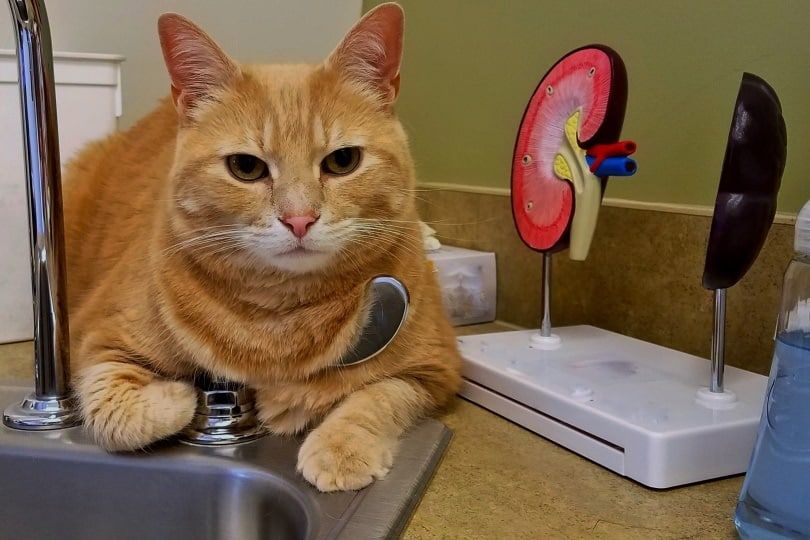
Cats entertain us with acrobatic moves and amusing behavior, and some cat owners may believe that their strange pets come from another planet. Although felines seem alien to us, they’re more similar to humans than you may think. For instance, cats have similar internal organs but on a smaller scale. Since kidney failure is a common diagnosis with cats, it’s critical for pet parents to understand how the organ functions and how damaged kidneys can affect the quality of a cat’s life.
Here are some interesting facts about feline kidneys you may not know.

The 9 Interesting Cat Kidney Facts
1. In Rare Cases, Some Cats Are Born With One Kidney
Most cats are born with two kidneys, but in rare cases, the animals can develop with only one. Having only one kidney can be due to renal agenesis or renal dysplasia. Renal dysplasia occurs when one or both kidneys are malformed at birth. If both the organs are malformed, kittens die shortly after birth. When only one kidney is affected, the healthy organ enlarges to compensate for the reduced efficiency.
Renal agenesis is a condition where the kidneys fail to develop before birth. When it occurs in both kidneys, the disease is fatal. However, felines with only one healthy kidney can lead long, happy lives. Frequent veterinary visits are vital to ensuring the animals’ kidney is functioning correctly.
2. Kidneys Account for a Small Percentage of Overall Body Weight
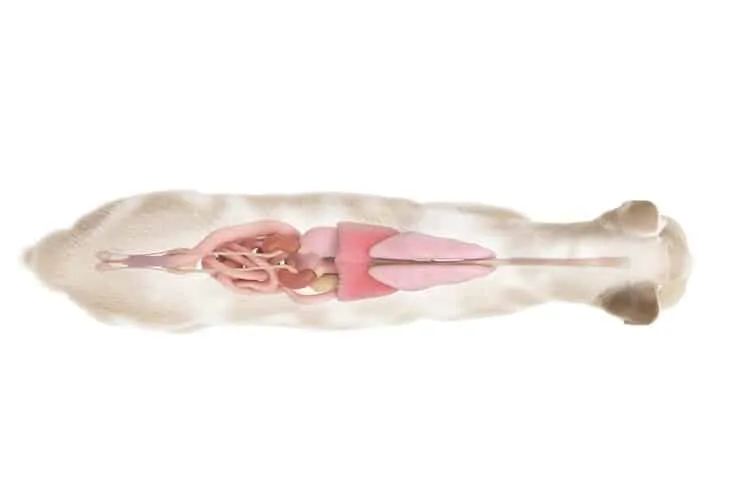
Kidneys are powerhouse organs that serve several critical functions, but they only account for 0.4% of the cat’s body weight. Like humans, the cat’s kidneys are located below the ribcage on each side of the spine. More blood is pumped through the kidneys than any other organ, and they receive 25% of the body’s cardiac output. Kidneys are bean-shaped organs made up of several hundred thousand filtration units called nephrons. Nephrons are constructed of several components that work as filters, helping to retain cells and blood proteins in the bloodstream and allowing waste to be released into the urine.
3. Kidneys Are Vital to Several Body Functions
Kidneys are best known as filtration systems that remove toxins by producing urine, but the organs serve several other important functions, including:
Kidneys regulate electrolytes such as phosphate, sodium, and potassium. Essential electrolytes are returned to the blood, and others are excreted through urine. Kidney nephrons produce the hormone erythropoietin to help with red blood cell production and renin to maintain blood pressure. Since the organs control many crucial functions, renal failure can be fatal to cats. Kidneys have a large filtration capacity, and that’s why most cats do not show symptoms of the disease until much of the organs’ function is compromised. At least 67% to 75% of the total functioning tissues of both kidneys can be damaged before signs of chronic kidney disease are evident.
4. Kidney Disease Is Caused by Numerous Factors
Although veterinarians know much more about chronic kidney disease in cats than they did 10 years ago, the causes of the disease are not entirely understood. When vets examine biopsies of diseased kidneys, they may see evidence of inflammation or fibrosis, but the discovery does not always point to the underlying cause. However, these causes are more recognizable:
5. Acute Kidney Disease Could Be either Fatal or Reversible, But Chronic Disease Is Not Reversible
Some cases of acute kidney failure can be reversed if diagnosed early, but some others are fatal. There is no cure for chronic kidney disease. Although treatment methods for the disease can improve the cat’s quality of life and extend its lifespan, chronic kidney failure is a progressive condition that becomes more prevalent over time. Veterinarians will initially perform a urinalysis and blood test to diagnose the disease in cats. Creatinine and urea, two common substances in the blood, are normally excreted by the kidneys and analyzed by vets for evidence of kidney failure. When the disease is present, the two by-products will show elevated blood concentrations combined with diluted urine.
The blood tests can also show vets if the disease has led to other complications such as anemia, hypokalemia, hypertension, and hyperphosphatemia.
6. Signs of Kidney Disease Do Not Typically Appear Until the Kidneys Are Damaged
Unfortunately, signs of the chronic disease do not usually appear in cats until the kidneys are beyond repair. Cats can develop kidney failure at any age, but older cats are more vulnerable to the disease. Some of the breeds associated with higher incidences of kidney disease include Abyssinian, Ragdoll, Burmese, Russian Blue, Maine Coon, Persian, and Siamese. Since the causes of the chronic disease are not entirely clear, diagnosis can be challenging, but these signs can point to kidney disease as a possibility.

7. Cats Over Seven Years Old Should Be Checked for Kidney Disease
Chronic kidney disease is more common in cats aged 7 years or more, and the condition is more than three times as likely to occur in cats than dogs. Until the disease and its causes are studied further, preventing kidney failure is difficult, but these tips can reduce the possibility of your cat contracting the disease.
8. Veterinarians Use Several Methods to Treat Kidney Disease
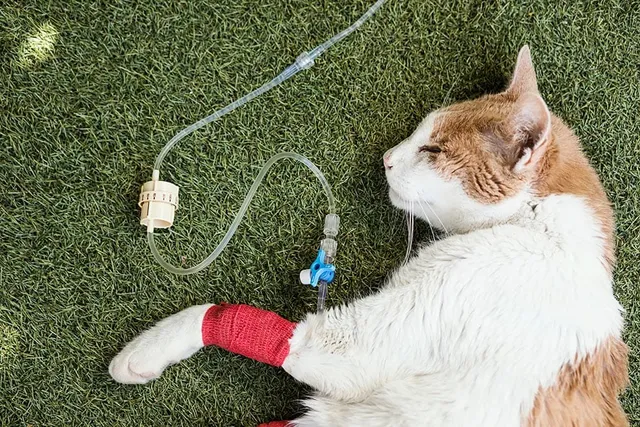
The results of blood and urine tests help veterinarians decide which treatment is appropriate for felines with kidney disease. Cats with severe conditions often receive intravenous fluids and other treatments for symptoms and must stay overnight at the veterinary clinic. When the cat is healthy enough for home care, the doctor may prescribe a new diet and encourage pet parents to feed wet food to the animal to maintain hydration. Other treatment options include:
With effective treatments and dietary management, cats suffering from renal failure can live several months or years longer, depending on the severity.
9. Cats With Damaged Kidneys Can Receive Organ Transplants
Although it’s not a common procedure in the United States, a kidney transplant can help some cats suffering from chronic disease. Before an animal is eligible for a transplant, a veterinarian performs a complete examination to determine if the feline is healthy enough for the operation. Any illness, such as cancer or heart disease, will prevent the cat from receiving the procedure. Kidney transplants are controversial because kidney donors usually come from rescue shelters. However, the hospitals that receive kidneys from rescue cats usually require the pet parents to adopt the donor animals. The surgery can cost $12,000 to $15,000, and owners must be willing to provide care to both recovering animals.
Conclusion
Whether running across the ledge or leaping across the room, cats seem to avoid danger every day. Felines may have nine lives, but their luck runs out when diagnosed with kidney failure. Chronic disease is more prevalent in cats than dogs, and the chances of contracting the disease increase significantly after the animals reach 10 to 15 years old. Although the condition is incurable, kidney disease can be treated to allow the cat to live longer with fewer complications.
Sources
Featured Image Credit: Anita Warren-Hampson, Shutterstock
Expert cat care, straight to your inbox
News, insights, and useful advice, delivered to you.

No spam — unsubscribe anytime.
By signing up, you agree to our Terms & Conditions and Privacy & Cookies Policy.
How useful was this post?
Click a star to rate. You can leave written feedback afterwards. (We read all feedback.)
Christian started writing for a local newspaper as a teenager, and he's been involved in the publishing industry for most of his adult life. Combining his love of writing with a passion for animals, he is currently the Director of Editorial at Pangolia and the Editor-in-Chief at Catster.
Christian lives in the Philippines with his wife, son, and four rescue cats: Trixie, Chloe, Sparky, and Chopper.