Abyssinian Cat Health Problems: Our Vet Discusses 5 Common Issues
In this article
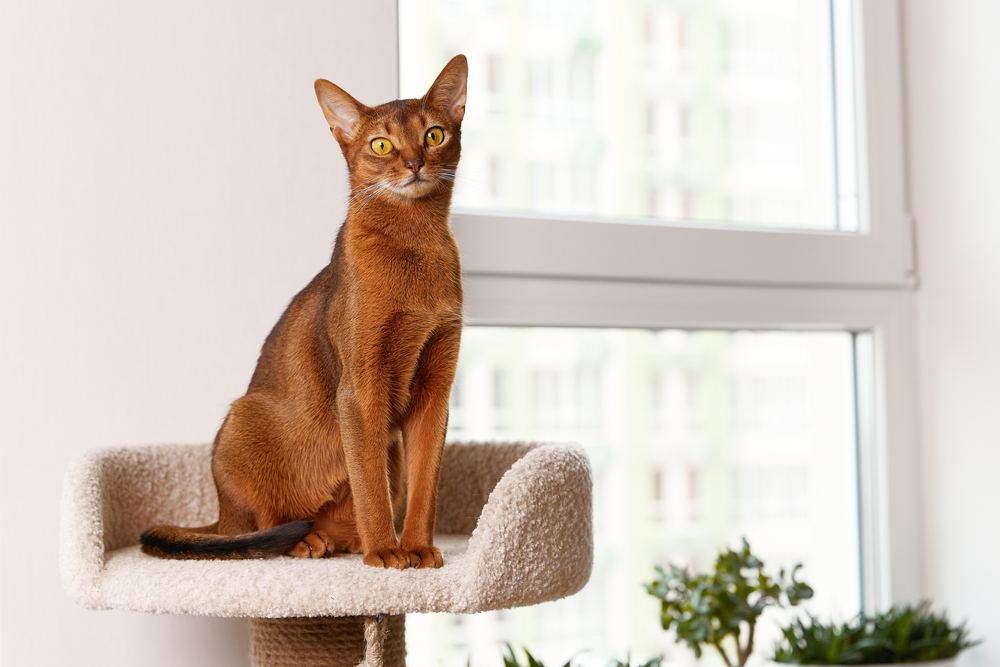
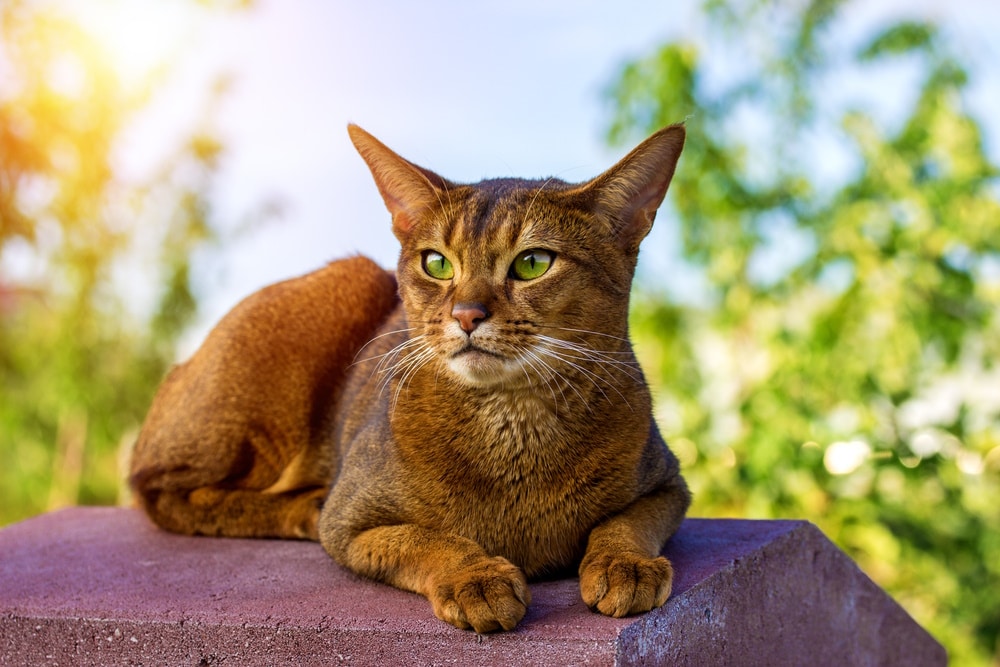
With an ancestry possibly dating back to ancient Egypt, we can say with some confidence that the Abyssinian breed has been around for quite some time. Their energetic nature and friendly chirps provide hours of entertainment and distraction, and though they may not be known for their lap-cat qualities, their affection and ability to fit into busy households make them the perfect family pet.
If you are thinking about welcoming one of these stunning felines into your home, you’ll want to know what sort of health problems this breed may be predisposed to, which means you’ve landed yourself on the right page.
Generally speaking, any pedigree breed tends to be at a higher risk of inherited diseases than those that have not been selectively bred. Let’s take a look at some of the health conditions that are particularly prevalent in Abyssinian cats, what to look out for, and what sort of questions you need to ask.

The 5 Common Abyssinian Cat Health Problems
1. Pyruvate Kinase Deficiency
Pyruvate kinase deficiency (PKD) is an enzyme involved in red blood cell energy metabolism, and its deficiency can cause hemolytic anemia in affected cats. Fortunately, this is a recessive trait, which means that both parents would need to carry the gene for the offspring to be affected.
Most cats with PKD only suffer mild bouts of anemia, which is often only detected when they are elderly, though some cats can have severe anemic episodes. There is a genetic test available to screen cats for this condition, so be sure to ask to see any test results from potential breeders.

2. Progressive Retinal Atrophy
Progressive retinal atrophy (PRA) affects a number of cat breeds, including the Siamese, Oriental Shorthair, Singapura, Bengal, and of course, Abyssinian. A defective protein leads to the gradual deterioration of the rods and cones of the retina, leading to progressive loss of vision and permanent blindness. Affected cats are born with normal eyesight, but total blindness often occurs within the first 1–2 years.
Genetic testing is available for a number of the mutations that cause this condition, and all breeding cats should be tested. However, some cats may still develop PRA due to mutations that have not yet been identified.
3. Patella Luxation and Hip Dysplasia
While these are unfortunate predispositions for such an active breed, patella luxation (mobile kneecaps) and hip dysplasia (abnormal hip conformation) can lead to gait abnormalities, early-onset arthritis, and mobility issues. Severe cases may require surgery, but often, affected cats can be managed with appropriate exercise, joint supplements, and maintaining a lean body weight.
Breeding animals should be examined and X-rayed, if necessary, to reduce the prevalence of these joint problems in the breed.

4. Amyloidosis
Amyloid is a material formed from abnormally constructed proteins that form deposits in different parts of the body, and how the disease presents will depend on what part of the body has been affected. In cats, these deposits most commonly form in the kidneys, causing renal insufficiency and, eventually, renal failure in cats under 5 years old. Unfortunately, in most cases, by the time clinical signs appear, irreversible damage has already occurred.
Fortunately, selective breeding has made this disease quite rare in Abyssinians now, but it is important to be aware of. The genetic basis of this condition is not yet understood, and there is no genetic screening currently available, so be sure to ask about the health of any related cats.
5. Behavioral Issues
This is not strictly a health concern, nor is it actually a problem of the cat, but it is something worth addressing. Many people are drawn to the unique appearance of the Abyssinian but are not aware that this breed is more likely to be running along your curtain rod than spending time snoozing on your lap.
These cats love adventure—exploring, jumping, chewing, and chasing are some of their favorite activities. So, if you’re looking for a quiet kitty to curl up in front of the fire with, the Abyssinian may not be for you. If these cats are not given plenty of opportunities to leap, run, and exercise, they may become bored and frustrated, which can manifest as destructive or even aggressive behavior. Fortunately, this is one problem that can easily be avoided by doing your research or contacting a veterinarian for an advice.

Frequently Asked Questions (FAQ)
What Other Health Problems Should We Know About?
The conditions above are ones that Abyssinians are known to be affected by, but they are not the only health problems you should be aware of when looking to adopt a new cat. As we mentioned earlier, pedigree cats tend to have a higher risk of disease purely because they come from a more limited gene pool than those of a less “purebred” lineage, though reputable breeders take care to maximize genetic diversity.
What Is the Significance of this?
Essentially, when animals are selectively bred for particular physical characteristics, they may be a very healthy example of that breed but not necessarily of the species. This means that a purebred cat is more likely to inherit specific health conditions or weaker immune systems than those that breed indiscriminately (crossbreeding). This doesn’t necessarily mean that all purebred cats are less healthy than crossbreeds, just that they are statistically more likely to inherit genetic problems.
Therefore, any and all conditions or diseases that can affect cats (kidney disease, viral conditions, hyperthyroidism, diabetes, heart disease, etc.) tend to be seen in a higher proportion of purebred cats than in moggies.
What Does This Mean for Me as an Owner?
Obviously, all cat owners should be vigilant about their cat’s health, but if you have a pedigree cat, preventive health measures, such as vaccination, optimal nutrition, routine physical examinations, and antiparasitic treatments, are especially important, as is investing in a good insurance policy.


Final Thoughts
Abyssinians tend to be confident, curious, clever, and charismatic cats that are a great fit for busier households. They like to be part of the action and are even known to enjoy the company of canine family members.
Like any purebred cat, the Abyssinian is predisposed to a number of health conditions, but fortunately, most can be screened for and avoided through careful breeding. If you have been bewitched by this stunning and cheeky cat breed, be sure to ask any prospective breeders about their health screening processes and prepare yourself for a feline that will make sure you’re never bored.
Also see:
Sources
Featured Image Credit: Nataly Mayak, Shutterstock

Expert cat care, straight to your inbox
Vet-reviewed advice, behavior tips, and the best of Catster. Free, and you can unsubscribe anytime.
By signing up, you agree to our Terms & Conditions and Privacy & Cookies Policy.
Dr. Karyn Kanowski BVSc MRCVS (Veterinarian)
Dr. Karyn comes from Queensland, Australia, and has lived in the UK for the past 10 years. In 2010, she graduated from The University of Queensland School of Veterinary Science and also has a Bachelor’s degree in Zoology. She is passionate about using evidence, experience, and owner collaboration to provide the best solutions for pets, and believes in making reliable information about animal health accessible to all. Dr. Karyn shares her home with five cats, four dogs, and one husband. When she is not in the scrubs, she spends her time writing, gardening, and cleaning up pet hair!
Join the conversation
Ask a question, share your story, or send private feedback.