Can Rice Be Used as Cat Litter? Vet-Reviewed Pros & Cons


In this article
Cats are among the most popular pets in America, behind only dogs.1 They are friendly, playful, and easy to care for. However, they do go through quite a bit of litter, which can cause some owners to look for suitable alternatives, especially in an emergency. One item in your home that you might think would be a good alternative to traditional cat litter is rice.
You can indeed use rice as cat litter, but it probably won’t be suitable in the long term for most owners. Keep reading as we list the pros and cons of using rice for litter and provide several tips and tricks that you can use for the best results.

The 6 Advantages of Using Rice as Cat Litter
1. Cost Effective
Using rice as cat litter can be cost effective if you buy it in large quantities. Clay litter costs between $0.50 and $1 per pound. You can find several rice brands for about that price, especially when buying more than 10 pounds at a time. Specialized litter, like silica litter, can be several times more expensive.
2. Low Dust
One of the biggest complaints of pet owners who use clay litter is that it can be quite dusty, which can make a mess out of your house. Rice produces no dust and is a good choice for people or pets that suffer from breathing issues.
3. Environmentally Friendly
Unlike many commercial cat litters, rice is a biodegradable material. It can be a more environmentally conscious choice for cat owners concerned about the disposability of clay and other litters.

4. Safe for Cats
Rice is non-toxic and safe for cats. It poses no immediate health risks and can be an excellent option for households with cats that have sensitivities or allergies to dust or other cat litter ingredients.
5. Easy to Dispose Of
Rice can be easily disposed of in your compost or garden, reducing waste and contributing to a greener lifestyle.
6. Absorbent
Rice is incredibly absorbent and easily absorbs your cat’s urine, though it can take longer than traditional clumping litter.

The 4 Drawbacks of Using Rice as Cat Litter
1. Tracking
Rice grains are small, and your cat can track them throughout the house, spreading bacteria and increasing cleanup.
2. Frequent Replacement
You might find that you need to replace the rice more frequently than other types of litter since it won’t absorb odors.

3. Odor Control
Since rice absorbs urine more slowly than clay, and it won’t help with odor control.
4. Pests
Unfortunately, since rice litter struggles with odor control and is itself a food, it can attract insects, which will cause you to change out the rice more frequently, potentially raising costs.
Frequently Asked Questions (FAQ)
How to Use Rice as Cat Litter
- Choose plain, uncooked rice, avoiding flavored, seasoned, or instant varieties.
- Before use, ensure that the rice is clean and free of any contaminants. Rinse it thoroughly to remove dust, dirt, and any potential debris.
- Fill your cat’s litter box with rice like your would with traditional cat litter. The depth should be similar to what you would normally use.
- Keep an eye on the rice litter. As it loses its absorbency, replace it to maintain a clean and odor-free litter box.
- Observe how your cat reacts to the rice litter. Some cats may not adjust well to the change, and ensuring that your pet is comfortable is essential.
What Type of Rice Should I Use as Cat Litter?
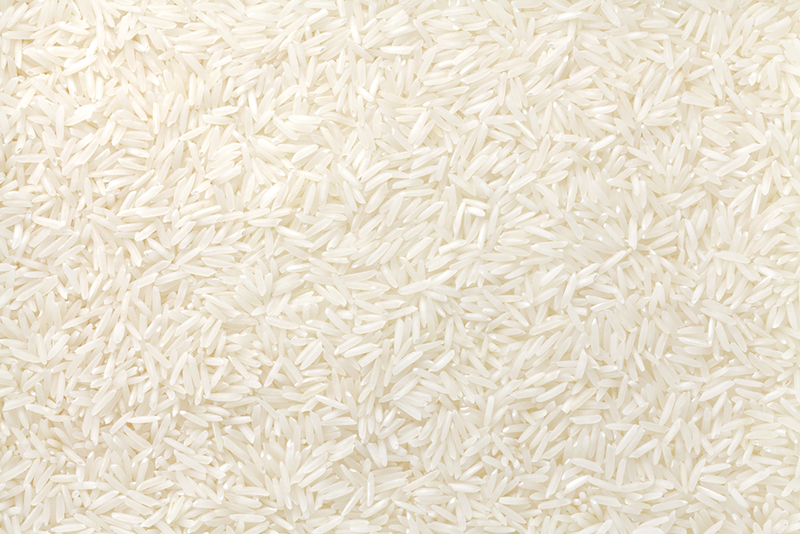
Rice is a safe and economical alternative to traditional cat litter. Choose plain, uncooked rice without any added flavors or seasonings, like white rice or brown rice. It’s essential to first rinse the rice to remove contaminants, then you can use it similarly to conventional cat litter. Avoid using instant or quick-cook rice, as these may be less effective.

Is Rice Absorbent Enough to Work as Cat Litter?
While rice is absorbent, it isn’t as absorbent as commercial cat litter. It can absorb a certain amount of moisture, but you will need to change it more frequently, especially if you have multiple cats.
What About Odor Control?
Rice alone is not as effective at controlling odors as specialized cat litter. To help with odor control, consider adding baking soda to the rice or changing it more frequently. Regular scooping of soiled areas can also help manage odors.
Can I Mix Rice With Other Litter Types?
Yes, you can mix rice with other cat litter types if you want to improve absorbency or odor control. Blending rice with a clumping clay or silica-based litter can be a practical solution.
What If My Cat Eats the Rice?
Ingesting small amounts of rice litter is generally not harmful to cats. However, monitor your cat’s behavior, and if you notice excessive consumption, discontinue using rice as cat litter to prevent digestive issues.
If you have any concerns or curiosities about your cat or their health, we recommend you contact a vet directly.

Summary
If you accidentally ran out of litter and are looking for a quick substitute, rice can be a perfect solution. It’s fairly inexpensive, is absorbent, doesn’t produce dust, and there is a good chance that you already have some in your home. However, it may not be a good choice in the long term because it absorbs slowly and less effectively than traditional litter, so it struggles with odor control. As a food, rice might attract insects or your cat may eat it, so using rice long-term may not be ideal for some situations.
Related Read:
Sources
Featured Image Credit: matin, Shutterstock
Expert cat care, straight to your inbox
News, insights, and useful advice, delivered to you.

No spam — unsubscribe anytime.
By signing up, you agree to our Terms & Conditions and Privacy & Cookies Policy.
How useful was this post?
Click a star to rate. You can leave written feedback afterwards. (We read all feedback.)
Ed Malaker is a veteran writer who has contributed to a wide range of blogs that cover tools, pets, guitars, fitness, and computer programming. When he’s not writing, Ed is usually performing DIY projects around the house or working in the garden. He’s also a musician and spends a lot of time helping people fix their guitars and composing music for independent films.