How Do Cats Know to Use the Litter Box? Vet-Verified Facts & Useful Tips


In this article
Have you ever considered how cats seem to instinctively know where to go when nature calls, while dogs often require dozens of potty-training repetitions? What makes cats such tidy creatures? Are their brains naturally wired for cleanliness?
Despite what many think, cats are not born knowing how to use the litter box, but many learn at a very young age. Let's explore what lies behind this remarkable quality of our feline companions.

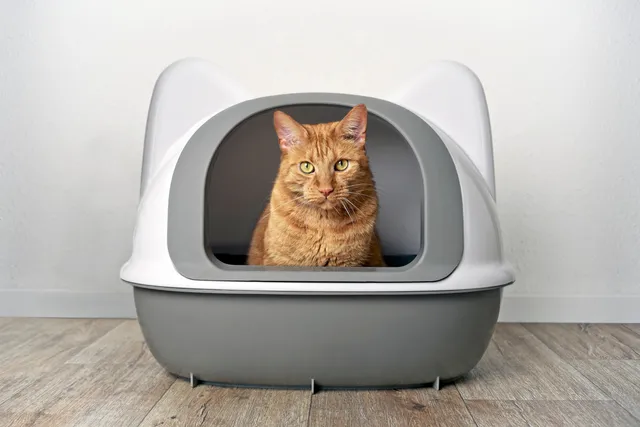
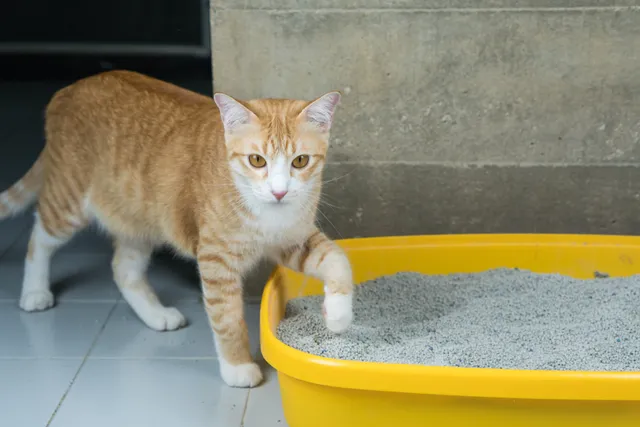
How Do Cats Know How to Use Their Litter Box?
Here are common reasons provided by veterinarians and feline experts:
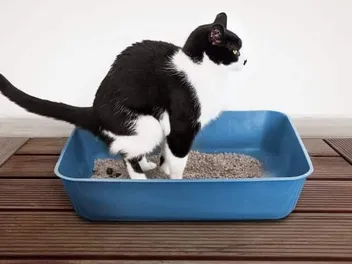
- Survival instincts. The most likely explanation is that cats want to be protected from predators, which is why they bury their feces to mask the scent. This act of burying waste provides a sense of protection, even if it's largely symbolic for domestic cats.
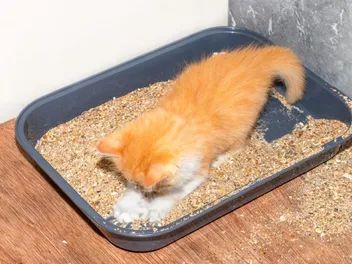
- Mother cat’s influence. Mother cats play a significant role in shaping the natural inclination of their kittens to use a litter box. Kittens start observing and mimicking their mother's behaviors from a very young age, including the act of digging a small hole to bury excrement. Scent may also play a role in this phenomenon as cats as elimination is a form of communication. This observation contributes to the kittens' "innate" ability to use a designated spot for their business.
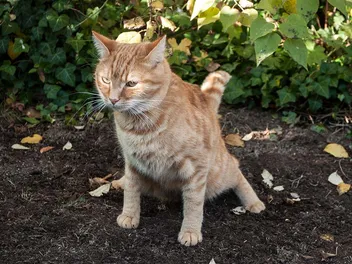
- Perfect litter texture. Cats naturally prefer soft, loose substrates like soil to bury their feces, and cat litter perfectly echoes this texture. If you have ever found cat poop buried next to your lettuce in your garden, you’re already aware of this preference!

Why Do Cats Get Zoomies After Using the Litter Box?
You may have noticed that your cat quickly runs from the litter box and zooms around the house and wondered if they are frightened. Well, this behavior may be explained by the fact that passing a large stool can stimulate the vagus nerve leading to a feeling of euphoria or “poo-phoria”.1
Are Cats the Only Pets That Can Use a Litter Box?
No. Ferrets, rabbits, and even hedgehogs can learn to use a litter box or at least a designated corner of their cage or enclosure. That said, constant training and a great deal of patience are essential!
Why Is My Cat Not Using Their Litter Box?
If your cat occasionally eliminates outside their litter box, there may be one or more underlying reasons to consider:
- The litter box may be too dirty.
- The litter box may be too small.
- The litter box may be located in a high-traffic area of your home.
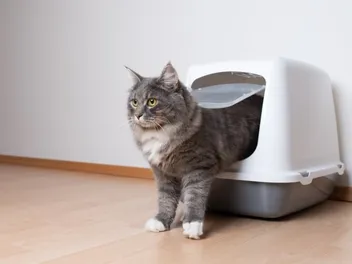
- The litter box may be difficult for your cat to access.
Keep in mind that avoiding the litter box is not a “whim” of your cat: They are probably trying to tell you that something is wrong. You’ll need to make adjustments and then take your cat to the vet if nothing seems to be working.
When You Should Take Your Cat to the Vet
Some cats may develop litter box problems due to health issues. So, if your cat suddenly stops using the litter box or consistently has accidents, consult with a veterinarian to rule out any medical problems.
Important: If your cat can’t defecate or urinate, it may indicate an intestinal blockage, constipation or urinary tract blockage (urethral obstruction). Both urinary and intestinal blockage are considered medical emergencies, so you must contact your emergency veterinarian immediately if you believe that your cat has an obstruction.
Tips to Help Your Cat Use the Litter Box
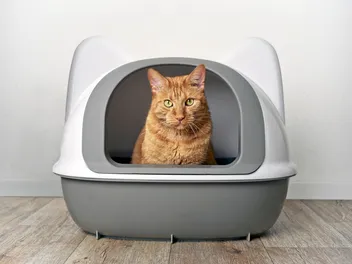
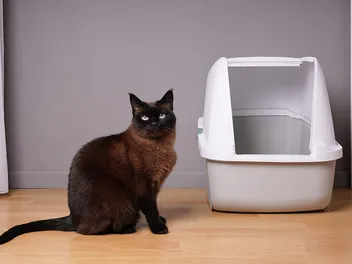
Fortunately, cats are creatures of habit. Once they start using a litter box, they will often continue to do so, as long as it is clean and they can access it without problems.
Still, here are basic tips to help your feline friend maintain good pooping and peeing practices:
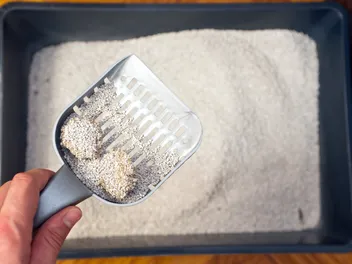
- Keep the litter box spotless.
- Use one box per cat, plus one extra.
- Separate their litter box from their food.
- Place the box in a quiet area of your home.
- Avoid buying litter with strong scents that could be irritating to your cat.
How to Help Your Kitten Use Their Litter Box
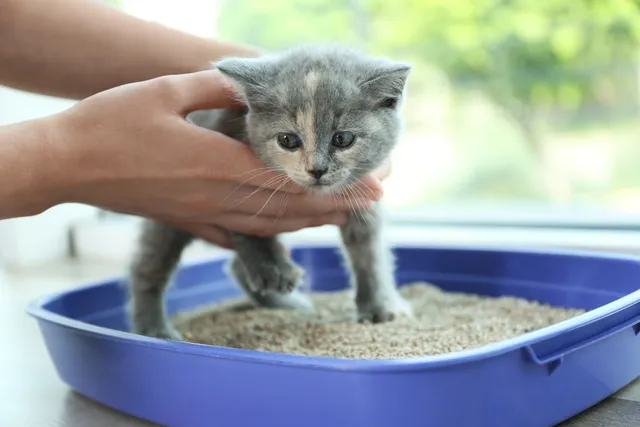
Kittens may need help when learning how to use their litter box. You can gently place them in the tray after meals, when they wake up, or when you notice signs that they need to go. Reward them with treats, but don't punish them by sticking their nose in their poop if they have occasional accidents. This punishment will only cause more anxiety and litter box aversion.
Mother cats lick their kittens to encourage them to toilet. If the kitten is under 4 weeks of age you will need to rub their bottom with a warm cloth to encourage them to eliminate; this mimics their mothers licking.

Final Thoughts
For most cats, by the time they enter your home they already know how to use a litter box, however, some cats may not know. They may have been raised outside and never exposed to a litter box. Cats that suddenly stop using the litter box are likely trying to communicate that something is wrong. By becoming an expert in your cat’s toilet habits, you’ll be able to recognize the signs of issues fast and react accordingly.
Related Read:
Sources
Featured Image Credit: Duet PandG, Shutterstock
Expert cat care, straight to your inbox
News, insights, and useful advice, delivered to you.

No spam — unsubscribe anytime.
By signing up, you agree to our Terms & Conditions and Privacy & Cookies Policy.
How useful was this post?
Click a star to rate. You can leave written feedback afterwards. (We read all feedback.)
Genevieve is both a biologist and a science writer, driven by her deep love for capuchin monkeys, pumas, and kangaroos. Her dedication to wildlife has taken her across the globe, from Bolivia and Guatemala to Canada and Australia, working and volunteering at various rehabilitation centers. As a Canadian living in Argentina, Genevieve starts her days with horses and cows greeting her from the plains outside her home office. She is the proud parent of three rescued dogs—Lemmy, Nala, and Pochi—and an energetic kitten named Furiosa. The opportunity to share her passion and expertise in animal care brings her great satisfaction.