Why Do Cats Like to Be Petted? 4 Vet-Reviewed Reasons for This Behavior


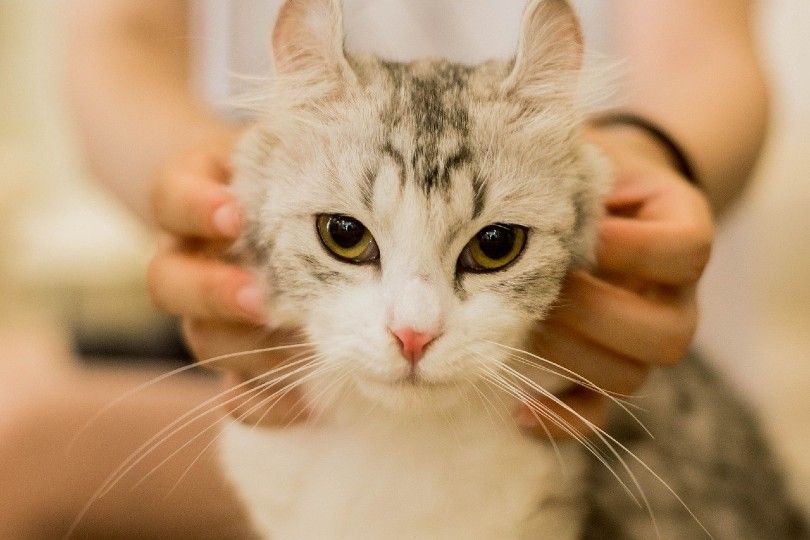
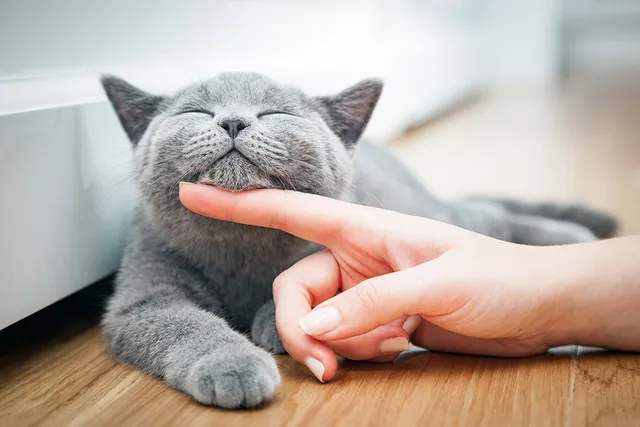
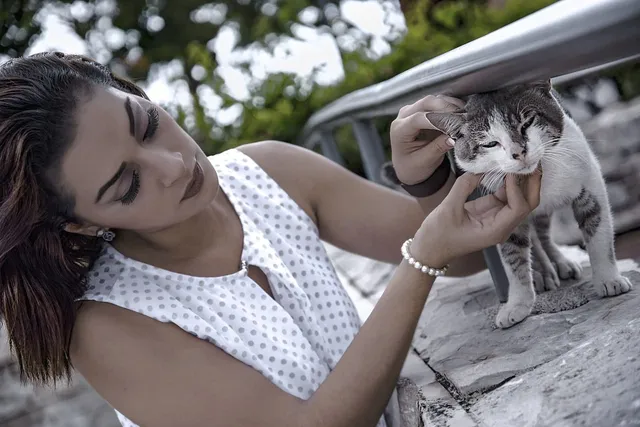
The personalities of cats can vary widely, but one thing that they all enjoy is being petted. Some cats will happily accept a tickle under the chin from everyone, while other cats won’t approach anyone other than their very favorite person.
But why do cats like being petted? Let’s take a look at the four main reasons.

The 4 Reasons Why Cats Like to Be Petted
1. You’re Giving Them Attention
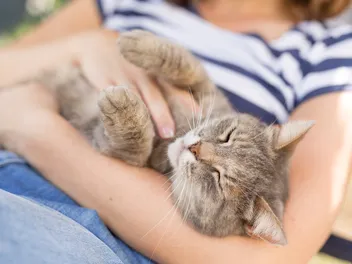
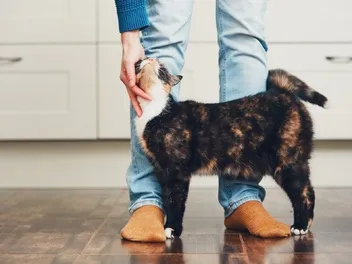
We know that some cats like to pretend that they’re all aloof and uninterested in what their human family members are up to, but we bet that some of them will run up for a cuddle when they think that no one else is looking! Cats love attention from their owners, so whether that’s a brief stroke along their back as you’re putting down their food bowl or a full-on snuggle on the couch, petting your cat can make them feel loved.

2. They’re Marking You With Their Scent
Cats have scent glands around their bodies, including:
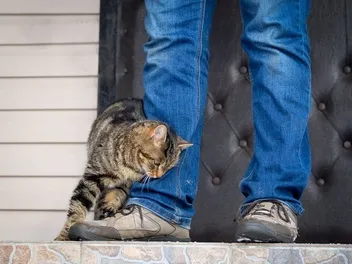
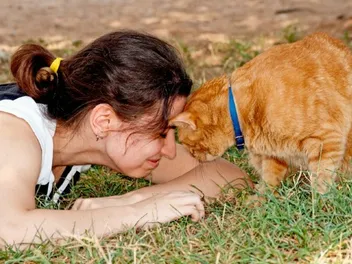
Cats will often rub these parts of their bodies against furniture, other cats, and humans, to mark them with their scent or pheromones. This creates a feeling of familiarity and security as your cat moves around their territory.
It’s no coincidence that the areas where cats have scent glands are also areas where most of them enjoy being petted.
3. It Reinforces Social Bonds
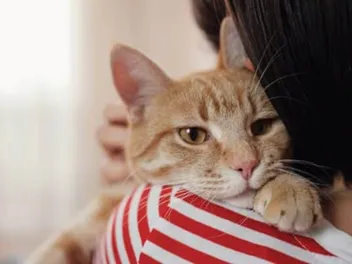
Affiliative communication, such as petting your cat, can help reinforce social bonds. Regular petting sessions let your cat know that they’re still a member of your “tribe,” and it can help them feel more confident and comfortable.

4. Petting Can Soothe Areas That They Can’t Groom
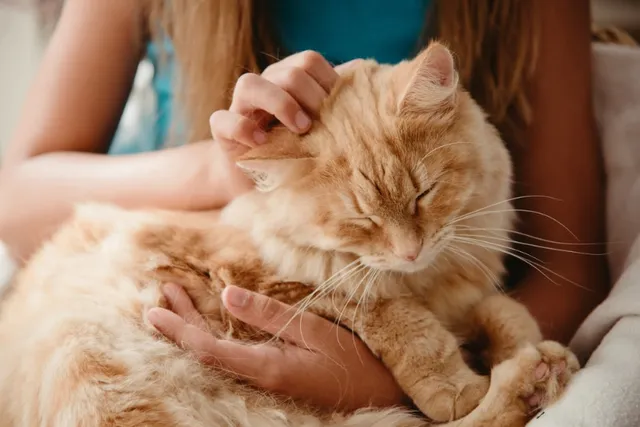
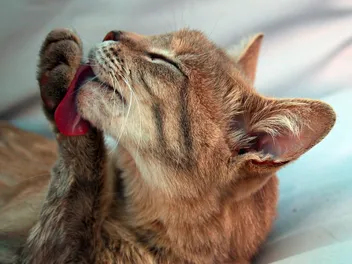
You might have watched your cat grooming their face, passing their paws over their cheeks and ears in an adorable attempt at cleaning themselves. But one area that your cat can’t reach easily is right on the top of their head. Being petted here can feel good, simply because it’s an area where your cat can’t scratch themselves.
Mother cats often lick the top of their kitten’s heads, so an owner emulating this can feel comforting to a cat, even once they’re fully grown!

The Best Way to Pet Your Cat
Not all cats like being petted in the same place or for the same amount of time. Some trusting and laidback cats will enjoy having their tummy tickled, but try this with another cat, and you may find them testing out their claws!
As a general rule, most cats enjoy being petted under their chin. Areas to avoid until you know a cat better include their paws, tails, whiskers, and tummies. Research has shown that most cats dislike being stroked around their tails and the base of it. These are all super-sensitive locations, so while some cats will enjoy being petted here once they trust you, it’s best to take it slow while you figure out exactly what your cat will and won’t tolerate.
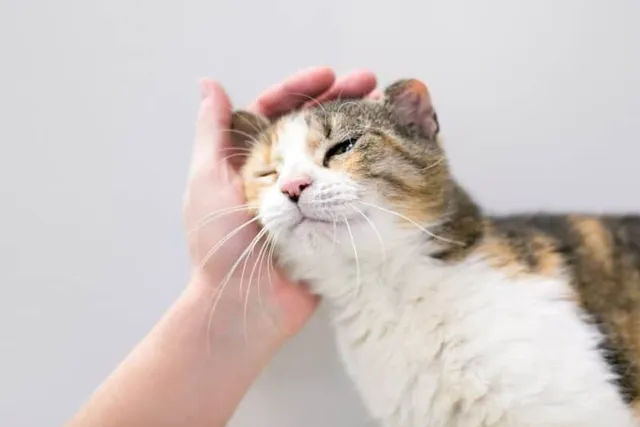
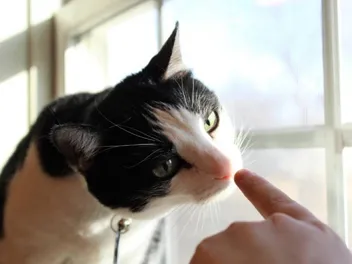
Let your cat show you where they want to be petted! They may rub against your finger and direct it under their chin or over their ear. Allowing your cat to control their petting sessions can make them enjoyable for both of you.
Always give your cat the choice to walk away from being petted.

Petting-Induced Overstimulation Aggression
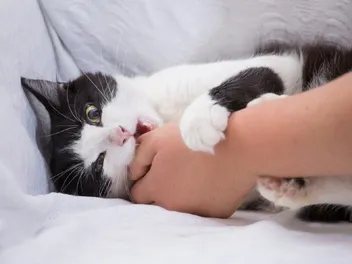
On rare occasions, petting sessions may trigger something called “petting-induced or overstimulation aggression” in cats. Have you ever been petting your cat when suddenly, they go from enjoying themselves to attacking your hand, and you wonder what on earth just happened?
Petting is an intense sensation for cats. Your cat has gone past the point of enjoying being petted and into overstimulation. Each cat’s threshold will be different.
Signs that your cat is approaching overstimulation aggression include:
By carefully observing your cat’s behavior, you can soon start to notice the small signs that they’re becoming overstimulated, and you can end their petting session before this point. That way, your cat is far more likely to return for another soothing stroke as soon as they’re ready!
You might also like: Is My Cat Deaf?

Conclusion
Cats like to be petted for myriad reasons, including attention and simply because it feels good. If your cat doesn't seem to like being petted, you may be touching the wrong areas. Wait for a time when your cat seems relaxed, and try gently stroking under the chin. If they seem receptive, work your way to the top of their head—they may then try rubbing their face against your hand, a sure sign of enjoyment! Remember to always let your cat dictate the rules of the petting sessions, as this will help prevent overstimulation aggression and build a better bond between the two of you.
Featured Image Credit: biubiubiu23333, Pixabay
Expert cat care, straight to your inbox
News, insights, and useful advice, delivered to you.

No spam — unsubscribe anytime.
By signing up, you agree to our Terms & Conditions and Privacy & Cookies Policy.
How useful was this post?
Click a star to rate. You can leave written feedback afterwards. (We read all feedback.)
Emma is a freelance writer, specializing in writing about pets, outdoor pursuits, and the environment. Originally from the UK, she has lived in Costa Rica and New Zealand before moving to a smallholding in Spain with her husband, their 4-year-old daughter, and their dogs, cats, horses, and poultry. When she's not writing, Emma can be found taking her dogs for walks in the rolling fields around their home...and usually, at least some of the cats come along, too! Emma is passionate about rescuing animals and providing them with a new life after being abandoned or abused. As well as their own four rescue dogs, she also fosters dogs for re-homing, providing them with love and training while searching for their forever homes.