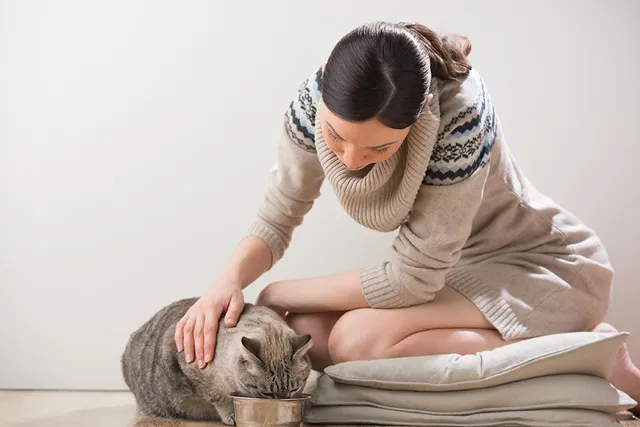
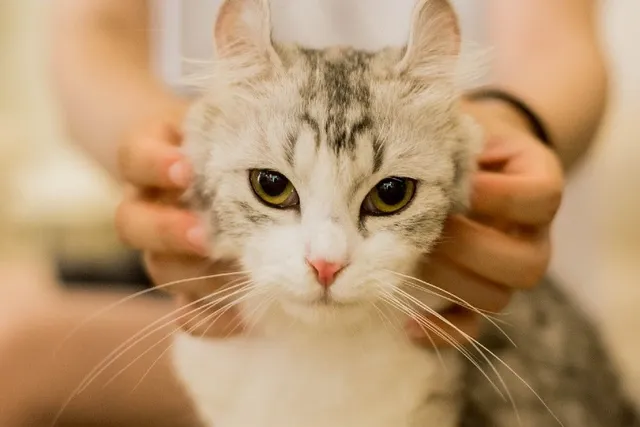
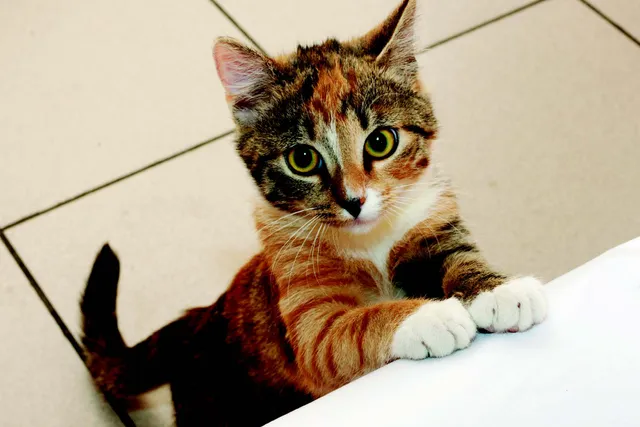
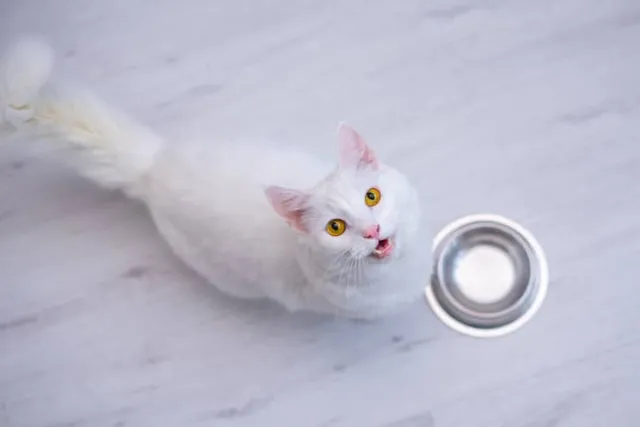
Why Do Cats Like to Be Pet While Eating? 6 Vet-Reviewed Reasons


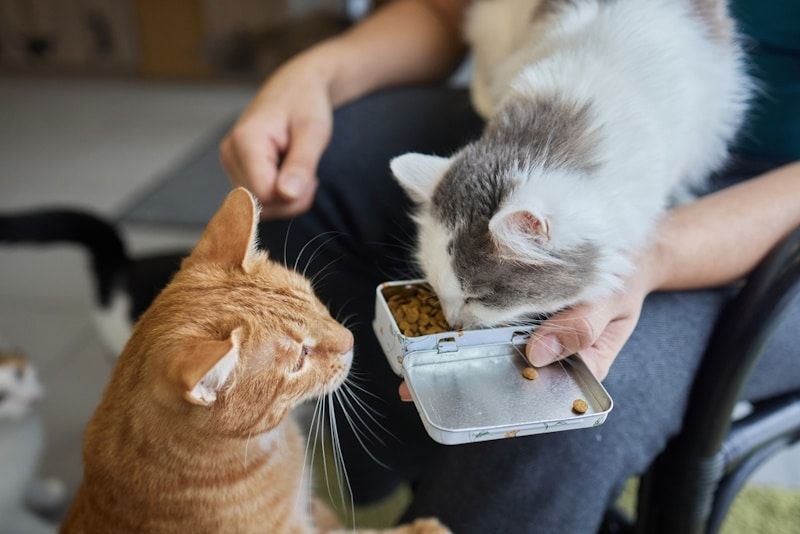
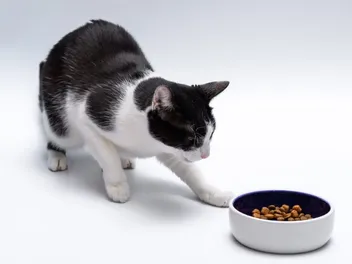
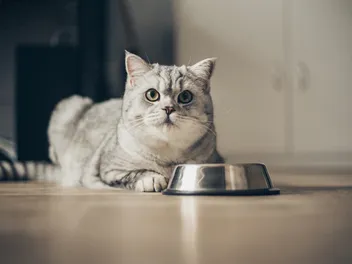
Cats may have behaviors that are almost “expected” of them, but mealtimes can bring out unusual habits. Some cats love to eat alone, some prefer eating from a raised position, and others want the company of their owners when they eat.
If your cat bothers you for attention and affection during dinner time, you may wonder why, especially if they’re usually more independent! In this article, we’ll examine six reasons your cat might like to be petted while eating.

The 6 Possible Reasons Cats Like to Be Pet While Eating
1. They’re Seeking Reassurance
If your cat approaches you with attention-seeking behaviors such as whining or head-butting (adorably known as “bunting”) when they’re due to eat, they may want to be close to you. Feeling close to their owner and being petted can help them feel safe against any perceived threat.
Because cats living outside face numerous threats when hunting for food, having a trusted presence near them to protect them can reassure them that they’re safe to eat. Some cats like to be petted while they eat and like the physical affection, while others prefer having their owner watch them. Whichever your cat chooses, respect their boundaries and give them space if needed.

2. They Feel Stressed
Cats can become stressed for several reasons, such as a change in their food, the position of their food bowl, or moving to a new home. When cats feel stressed, they sometimes look to their owners for comfort and reassurance.
Stress can cause many changes in behavior, including your cat wanting to be petted when they’re eating. As much as petting your cat can have health benefits for you, it also massively benefits your cat!
Cats experience a release of oxytocin when being petted, which reduces stress and anxiety. Anxiety around food can also initiate attention seeking when eating, so make sure you’re on the lookout for any other behaviors that may point to your cat being stressed or anxious, including:
- Vocalizing
- Changes in eating habits
- Hiding
- Inappropriate urination or defecation
- Overgrooming
3. They’re Getting Older
Cats can experience changes in behavior as they age, much as humans can. Cognitive changes when cats reach old age can cause differences in behavior, including the need for more reassurance and reminders that you’re still there.
Some cats experiencing cognitive decline (“feline dementia”) can become forgetful, fearful, and more dependent on their owners. Your cat may seek reassurance from petting when eating since they feel unsure the food is theirs or may even struggle to find it if the cognitive decline or other age-related issues are advanced. Petting your cat when they’re eating can soothe them and help them remember they’ve eaten, as another sign of dementia in cats is forgetting they’ve had a recent meal. Other signs of feline dementia, worthy of a vet visit, can include the following:
- Acting lost
- Staring into space or at a wall
- Night-time vocalizing
- Lack of sleep
- Toileting accidents
- Changes in behavior toward family members
- Poor grooming

4. They’ve Developed a Habit
Your cat’s need for attention while eating can be a habit they’ve picked up that’s never left them. It may have started when they were young, but it may be more common in cats who’ve lived in multi-cat households, such as foster homes.
Foster cats compete with others in their home for valuable resources such as food or shelter. By having their owner nearby, a cat can feel more comfortable eating when others leave them alone. This then reaffirms the behavior when they get affection and the chance to eat peacefully!
Kittens that get petted when eating can also grow up expecting it as they get older; as creatures of habit, your cat might not feel safe eating if you’re not petting them!
5. They’re Sick
Some illnesses can result in changes in behavior, particularly those that can cause stress. For example, some older cats suffer from hypertension (high blood pressure,) which can affect their vision.
Your cat may want you to pet them if they have trouble locating their food. Cats with hearing loss may also look for their owners for reassurance when eating. If your cat’s habits change and they show other troubling signs while eating, contact a vet for a full examination. Your cat’s clinginess could be related to a medical condition.
6. They Simply Like It
Your cat might not have any reason to want to be petted while eating other than they like it (known as “affection eating”). Some cats are more affectionate by nature and more demanding of their owner’s attention.
If you have a needy cat whose behavior bothers you, talk to a vet for advice. There is no harm in your cat wanting you to pet them, however, and it’s another of their unique habits as long as there’s nothing health-related behind it.
Conclusion
Your cat may enjoy being petted during dinner for several reasons. They might seek your reassurance if they’re stressed, suffer from a health condition, or could simply have formed a habit! Petting your cat can help them feel relaxed and reassured, especially if they’re older or have had previous bad experiences with food.
This behavior isn't a problem if your cat isn’t showing any changes in behavior or other signs of illness; if you’re concerned, however, a trip to the vet to ensure your cat is okay is the best course of action.
Sources
Featured Image Credit: Vershinin89, Shutterstock
Expert cat care, straight to your inbox
News, insights, and useful advice, delivered to you.

No spam — unsubscribe anytime.
By signing up, you agree to our Terms & Conditions and Privacy & Cookies Policy.
How useful was this post?
Click a star to rate. You can leave written feedback afterwards. (We read all feedback.)
Beth is a mom to two toddlers: one with four legs, one with two. Beth has years of practical experience as a veterinary care assistant, working in both the operating room and in consult, expanding her knowledge to gain certification in her favorite subject: feline behavior and welfare! When she's not writing about her favorite topics (cats and creature comforts), she's looking after her two-year-old daughter and her mischievous eight-year-old Nebelung, Kiba. When she gets a moment's respite, Beth loves to delve into fiction books. Horror is her favorite genre, with fantasy and rich history being her second go-to's.