Where Do Cats Like to Be Pet? 4 Vet-Approved Places


In this article
If you're a cat owner, you probably enjoy spending your free time petting your furry companion. While some cats may not appreciate physical contact, most of them enjoy some degree of petting and will often seek it out if it is on their own terms.
Granted, cats feature different personalities when it comes to petting, and there are specific areas that they will like (or dislike) being touched. So, if you're a new cat owner or are looking to reinforce the bond between you and your furry companion, you are in the right place. This article will discuss the areas to pet your cat and where to avoid touching.

Why Do Cats Enjoy Being Pet?
The most important reason cats like being petted is that they use physical contact as a means of communication. They rely on nuzzling, rubbing, and grooming to transmit their pheromones and scents. They also use these behaviors to communicate with their owners. Therefore, when you are petting your cat, you're simply reciprocating love back.
Moreover, cats nurture their kittens via nuzzling and grooming, which usually causes a rise in oxytocin, also known as the love hormone. This chemical also increases in a cat's body during affectionate interactions.

The 4 Places Cats Like to Be Pet
Here are some of the parts in the cat's body that are almost guaranteed to evoke a positive reaction. Keep in mind that if your cat doesn’t appreciate being touched in a specific area, move on to the next.
1. Neck and Chin

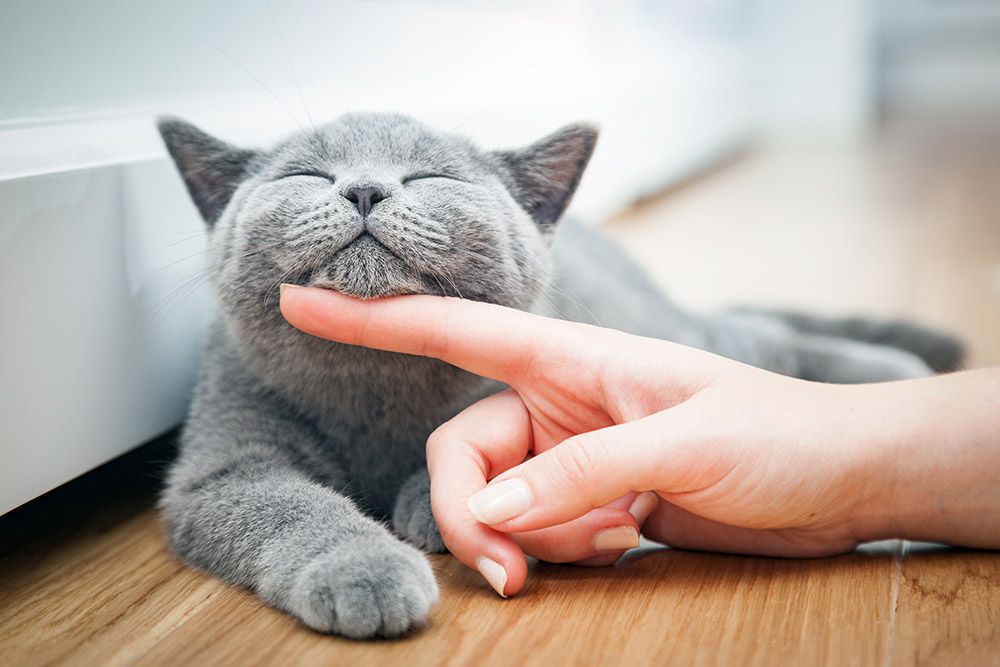
The neck and chin areas behind the whiskers are some of the sweetest spots you can pet your feline companion. Cats love being stroked in these areas and might even rub their bodies against your arms and legs when seeking love and attention.
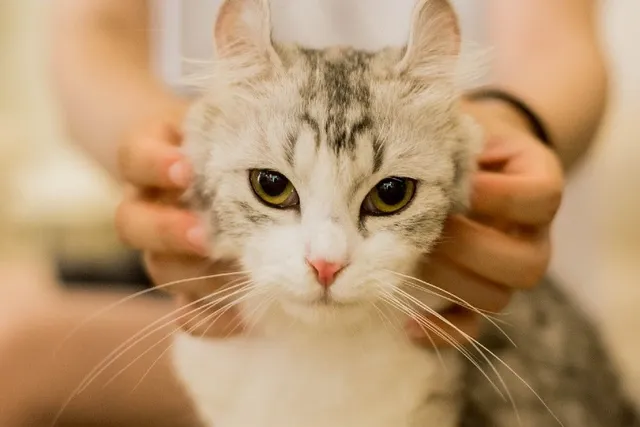
Your cat is likely to produce a purring sound as they try to push harder into the worthwhile caress, especially if you gently rub the chin's underside where the skull connects to the jawbone. However, you should avoid holding the entire head in your hand as the cat can perceive it as aggressive petting.
2. Between and Behind the Ears

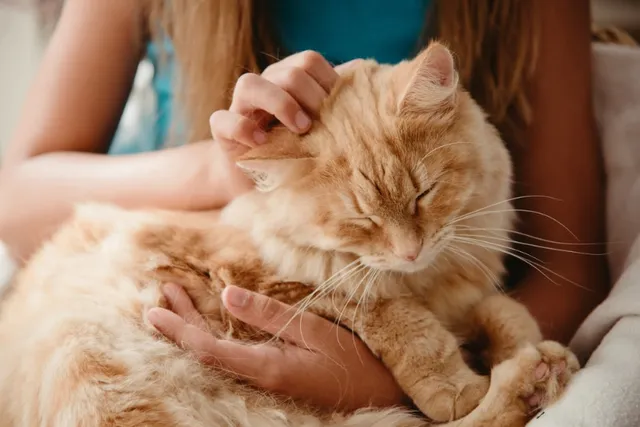
Just like the chin area, the spot behind the ears has many scent glands used for scent marking. This is perhaps why cats are overly fond of bumping their head against their owner in a process called “bunting”. This process helps cats to mark their owners as their own.
When petting this region, gentle pressure will be more appreciated. You can tell if your cat appreciates your effort by checking for visible signs of pleasure such as lazy eyes, purring, the soft rotation of their whiskers and head, as well as an arched back.
3. The Back

Your cat may or may not enjoy it when you stroke them on their back all the way to the base of the tail. Start gently and let your cat tell you if they enjoy being pet in that particular body area or not. However, you should never touch the cat's tail. As you stroke your cat’s back, ensure the movement starts from the head to the tail because most cats do not like being petted in a direction that messes with their carefully groomed fur coat.
4. Their Sides

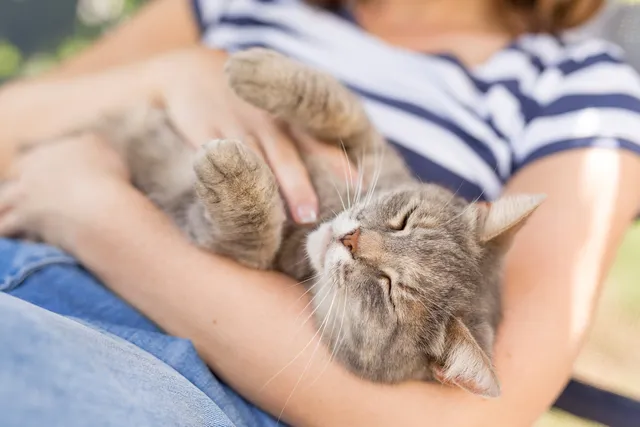
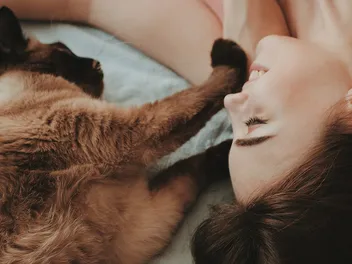
The sides of a cat’s body are not always an acceptable petting spot. If you know that your cat enjoys that particular body area being touched, when they are lying on their side in a relaxed mood, you can likely pet them on the sides. This petting position is ideal, especially if the cat is resting on your lap or lying next to you. Do not attempt to rub your cat on the sides while they are standing, as you might end up rubbing their belly, which many cats do not like because they consider it threatening.
Before petting your furry companion, one of the most important tricks is to allow them to take the lead. Allow the cat to sniff your index finger as you rub it against their nose. If they want a petting session, they will rub their face against your hand, sometimes even directing it to the areas they want to be petted.
Areas to Avoid When Petting Cats
Cats also have boundaries when it comes to petting. Below are some of the body parts that you should watch out for when petting your feline companion.
1. Tail

As much as you can rub a cat's body from the head to the tail, you should never touch the tail. The tail might be an interesting place to touch, especially for young children, but you should discourage them from touching it as the cat might show some aggressiveness.
2. Belly

Also known as the tummy trap, cats don’t generally like their bellies petted, and if you do, the cat is likely to react aggressively to the point of scratching your hands.
This can be attributed to the fact that these animals are constantly aware of their role in the food chain. To them, protecting their belly is one of the most important priorities because this is where their most vital organs are accessible to predators.
3. Paws

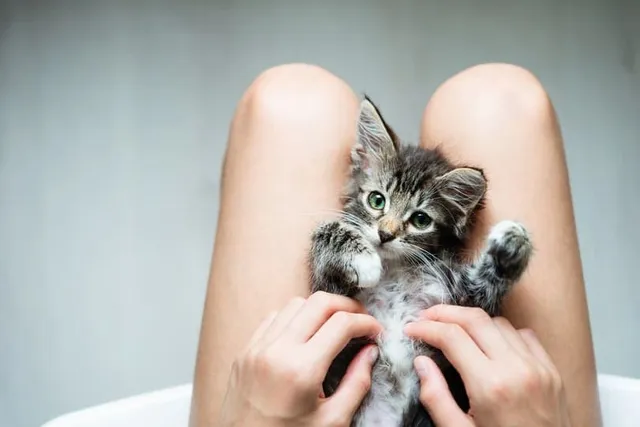
A cat's paws are quite sensitive. While some cats might appreciate it when their owners rub their feet during playtime, most cats do not enjoy paw rubs. However, you can teach your cat to love paw rubs if the petting is done from an early age when the cats are still kittens.
4. Legs

Cats also don’t like having their legs petted. It can make them feel vulnerable up to the point that they will feel trapped between your hands. A cat's legs are not the softest petting position and these areas can also evoke aggression in your furry friend.
Signs That a Cat Does Not Want to Be Pet
These feline creatures use body language to communicate with their owners. So, when you pet your cat, you are likely to see signs that your cat is uncomfortable and begging you to stop. Do not attempt to pet your cat if they react in any of the following ways:
- Flattened ears
- Arching their back and moving away from your hands
- Narrowed eyes
- Hiding
- Running away
- Vocalization like crying, hissing, growling, and high-pitched meowing
- A swishing tail while puffed up with fur held high or rigid
If you notice any of these signs, simply let your cat be. They are more likely to come back for a petting session when things calm down.
However, if you're still concerned about your cat's behavior we suggest you speak to a vet.
Conclusion
Cats are simply unique creatures with individual preferences. Therefore, while some cats may enjoy petting sessions, some do not exhibit signs of pleasure from physical contact with their human owners.
Before attempting to pet your cat, pay close attention to your cat's reactions and body language because these signals help indicate that your cat is either enjoying or uncomfortable with the experience. With a bit of time and patience, you can tell how and where your cat likes being petted.
However, remember to show love and affection to your feline friend in a way that they will appreciate. This will not only strengthen your bond, but it will also ensure a healthy and happy relationship with your cat.
Sources
Featured Image Credit: PHOTOCREO Michal Bednarek, Shutterstock
Expert cat care, straight to your inbox
News, insights, and useful advice, delivered to you.

No spam — unsubscribe anytime.
By signing up, you agree to our Terms & Conditions and Privacy & Cookies Policy.
How useful was this post?
Click a star to rate. You can leave written feedback afterwards. (We read all feedback.)
Christian started writing for a local newspaper as a teenager, and he's been involved in the publishing industry for most of his adult life. Combining his love of writing with a passion for animals, he is currently the Director of Editorial at Pangolia and the Editor-in-Chief at Catster.
Christian lives in the Philippines with his wife, son, and four rescue cats: Trixie, Chloe, Sparky, and Chopper.