Why Does My Cat Pee on Plastic Bags? 6 Vet-Reviewed Reasons & Solutions


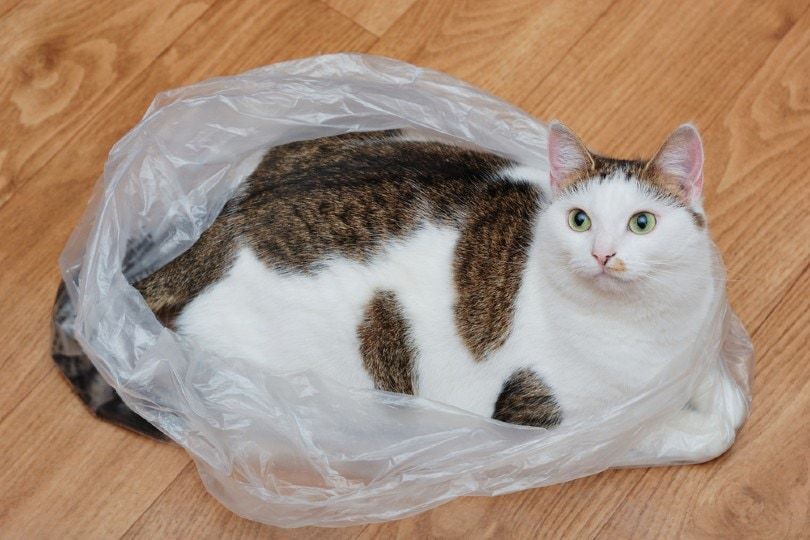
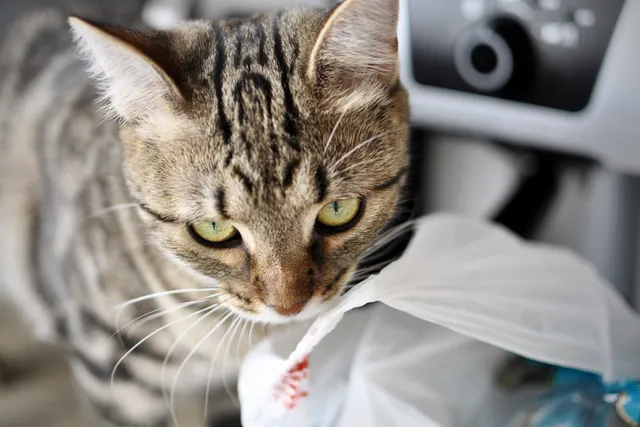
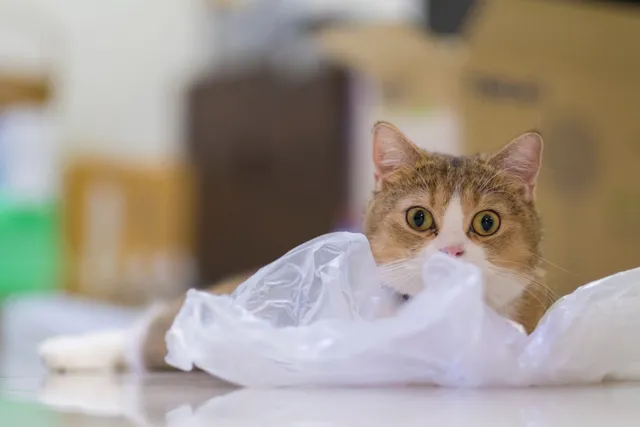
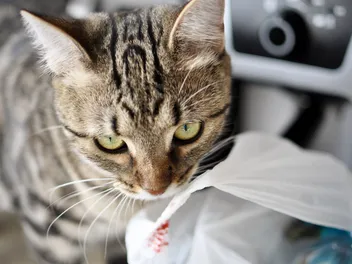
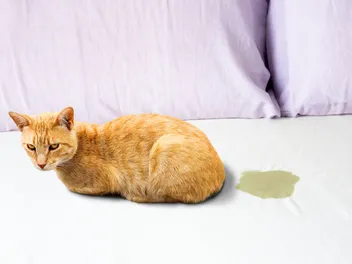
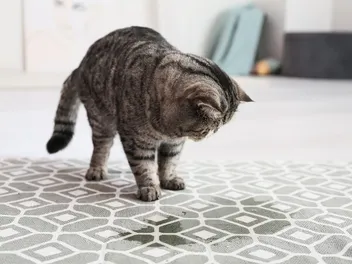
If you've ever come home to find that your cat has peed on a plastic bag, you're not alone. This odd behavior is surprisingly common in cats for a variety of reasons. The reasons could be as plain as a strange chemical love for plastic or indicate a greater issue. Let's discuss six of the most likely reasons why your cat is peeing on plastic bags so you can fix this annoying problem.

The 6 Reasons Why Cats Pee on Plastic Bags
1. Medical Issues
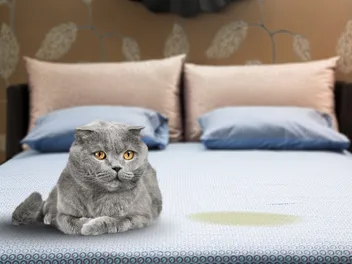
While it's normal for a cat to use the odd piece of plastic as a makeshift litter box, repeated urination on plastics can be a sign of an underlying medical issue. If your cat is urinating on plastics, it's important to take them to the vet for a check-up. One possible cause of this behavior is feline lower urinary tract disease (FLUTD), or a urinary tract infection (UTI). FLUTD is caused by a different group of conditions that can lead to inflammation and blockages in the urethra. While FLUTD can be a frustrating medical problem that can even lead to painful and life-threatening complications for your cat, it can be managed and treatable with medication, lifestyle changes, and cooperation between you and your vet.
Signs of urinary-related disease in cats include:
If your cat is displaying any of these signs, it's essential to take them to the vet for a check-up as soon as possible.
2. They Don't Like Their Litter Box
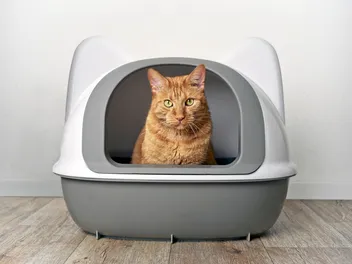
There are several reasons why your cat may not be using their litter box, but the first thing to consider is whether the box is clean. Cats are notoriously clean creatures, and they may be unwilling to use a dirty litter box. If you think this may be the problem, try scooping the box more frequently or completely changing the litter more often.
Another possibility is that the box is too small for your cat. If it feels cramped or claustrophobic, they may prefer to go elsewhere. You can solve this problem by getting a larger litter box or moving the box to a more open area. You may also need to reconsider the location of the litter box, as cats prefer a quiet spot for toileting, away from doors, windows, and corridors.
Finally, some cats simply don't like traditional litter. If this is the case, you may need to experiment with different types of litter before finding one they're willing to use.
3. Appealing Sound and Texture
While this may seem odd to us, some cats simply enjoy the feel of plastic bags. The texture is different from their usual scratching surfaces, and they may find it enjoyable to scratch or chew on.
If your cat is peeing on plastic bags because they like the feel and sound of them, you can try to provide them with an alternative. This could be a cat tree with a sisal rope wrapped around it or a scratching post covered in burlap. You may also want to give them a toy made of similar material, such as a plastic ball or rubber chew toy. Any time you introduce a new toy or material to your cat, you should watch them initially to ensure they tolerate it well and that they are not chewing on it. Otherwise, the item would pose a foreign body risk to your cat.
The plastic texture may also be appealing as a soft texture for burying their waste—a natural instinct. If this is the case, consider changing their litter to something softer and easier for burial.
4. Anxiety and Stress
Like humans, cats can experience anxiety and stress. And when they do, they may look for ways to self-soothe. Some cats will lick their fur obsessively, while others will chew on plastic bags.
If you think your cat is peeing on plastic bags because of anxiety or stress, there are a few things you can do to help them. First, try to identify the source of their stress and remove it if possible. For example, if they're anxious about other animals in the house, try setting up a separate room for them with their own food, water, and litter box. You can also try giving them a calming supplement to help reduce their stress levels. There are a number of these on the market, but you should speak to your veterinarian about which one would be best for your cat.
In some cases, medication may be necessary. If your cat is experiencing severe anxiety, your veterinarian may prescribe anti-anxiety medication.

5. Marking Their Territory
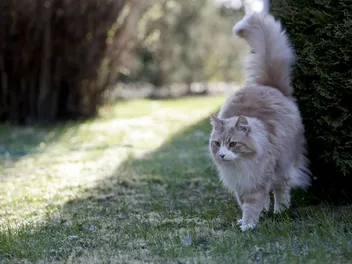
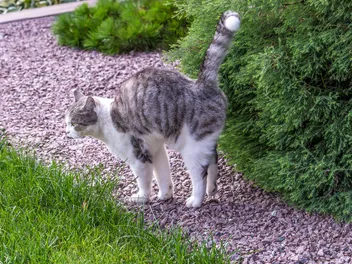
Cats are territorial creatures, and they mark their territory with urine. When they pee on plastic bags, they may be trying to assert their dominance over you or another animal in the house.
If you think this is why your cat is peeing on plastic bags, you can do a few things to stop it. First, make sure their litter box is in a location that they feel comfortable with. It should be away from areas where they eat or sleep, and it should be in a quiet part of the house.
You can also try using a litter box with high sides. This will help your cat feel more enclosed and secure, and it may deter them from marking their territory.
Finally, you can try using a pheromone diffuser in the house. These release calming chemicals that can help reduce your cat's stress levels and make them less likely to mark their territory.
6. They Like the Smell
If you've ever owned a cat, you're probably all too familiar with the bewildering sight of your furry friend rubbing their face against a plastic bag or container. While the smell of plastic may not be particularly pleasant to humans, for cats, it seems to be irresistible. It is possible that what cats are attracted to is the smell of whatever was inside the plastic bag.
Other theories include cats being attracted to tallow (animal fat) that has been used in plastic synthesis or cornstarch, which is a common ingredient in more modern biodegradable plastics.
It's also worth noting that not all cats are attracted to the smell of plastic. In fact, some seem to be repelled by it. This is likely due to individual differences in the way each cat's body metabolizes scents.
Final Thoughts
If your cat is urinating on plastic bags, there are a few possible reasons. They may be attracted to the smell of the bag, they may be marking their territory, or they may have a medical issue. If you're concerned about your cat's behavior, it's always best to consult with your veterinarian.
The quickest and easiest way to remedy the issue is to remove access to any plastic bags. If the cause is an innocent attraction to plastic, the problem will disappear.
See also:
How to Remove Cat Pee Smell & Stains From a Couch (Quick & Easy)
Do Cats Pee Out of Spite? Behavior & Possible Causes Explained
Sources
Featured Image By: Nadinelle, Shutterstock
Expert cat care, straight to your inbox
News, insights, and useful advice, delivered to you.

No spam — unsubscribe anytime.
By signing up, you agree to our Terms & Conditions and Privacy & Cookies Policy.
How useful was this post?
Click a star to rate. You can leave written feedback afterwards. (We read all feedback.)
With an early start in the veterinary industry and as a conservation educator at Disney’s Animal Kingdom in Florida, Sophie has since been a successful Zookeeper and Conservationist, specializing in native New Zealand species. When she’s not bird watching in native forests or crawling through the underbrush at midnight searching for rare frog species, she can be found with her farmer husband on their sheep and beef station, far from civilization. Alongside them, they have 2 cats, 9 chickens, and 11 dogs (most notably, her sidekick, a black Labrador aptly named Jellybean). Sophie enjoys her writing career as it provides opportunities to help and support pet owners of all kinds to give animals the best welfare possible. The only downside is the long list of strange searches in her internet history!