Cat Nail Biting: 3 Vet-Verified Tips If Your Cat Chews & Pulls Their Claws


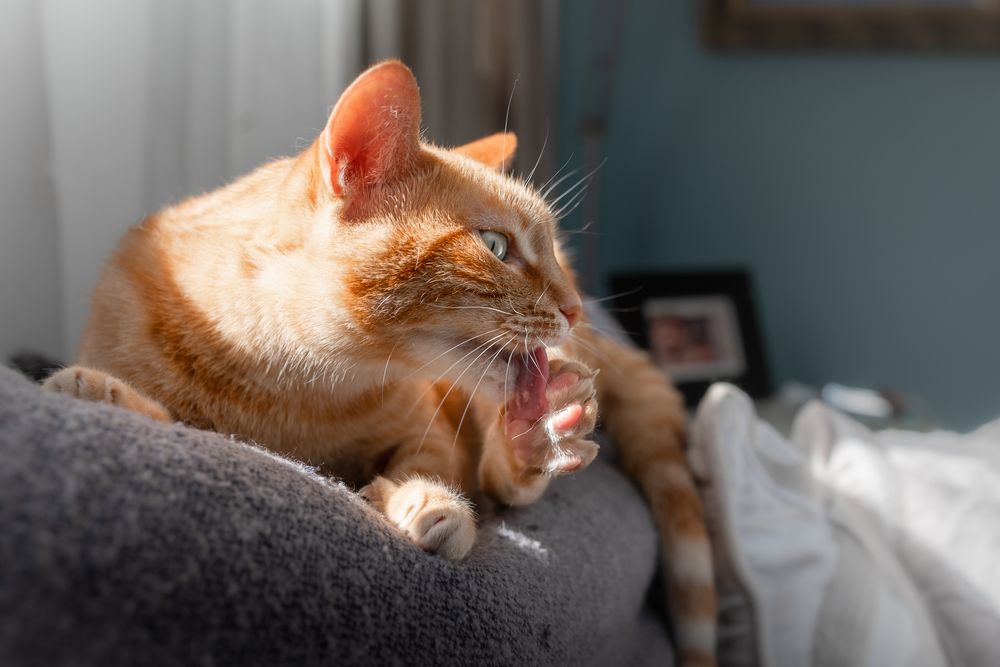
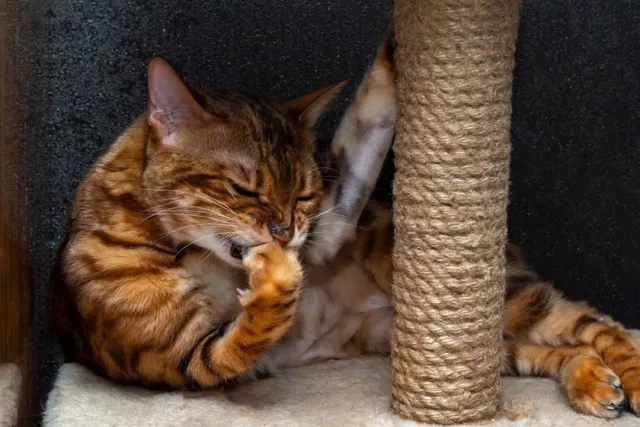
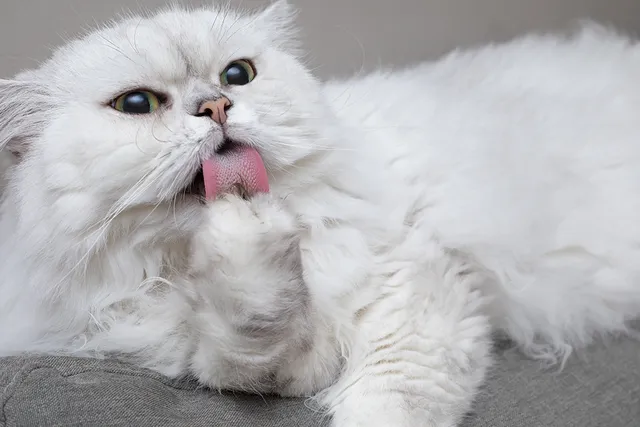
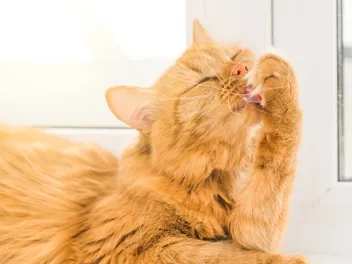
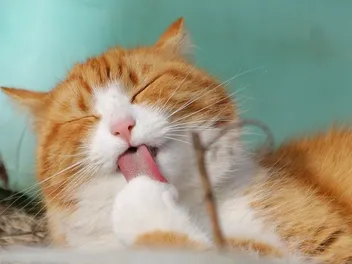
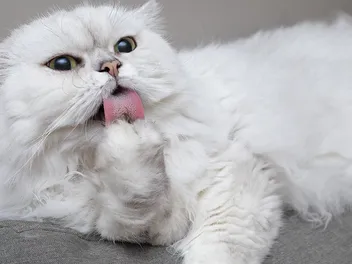
For the most part, cats biting nails and chewing claws is a perfectly normal behavior, and if you notice your cat doing this, there is usually nothing to be overly concerned about. Cats are fastidious groomers, constantly licking and cleaning themselves, and chewing their nails is just one other aspect of this practice of self-grooming. They may chew on their nails to shorten them and chew and lick around them to clean any loose dirt or debris.
While almost all cats will chew on their claws from time to time, if the chewing becomes excessive and compulsive, there may be another more serious issue at hand. In this article, we look at common reasons behind your cat's chewing and pulling at their claws and what to do about it. Let’s get started!

The 3 Tips if Your Cat is Biting its Nails
1. Normal Grooming
Routine chewing, licking, and pulling on and around the claws are a part of your cat’s normal self-grooming habit, and since their paws are in constant contact with the floor, they are prone to getting dirt, hair, dust, and debris stuck around them. Sometimes licking may not be enough to dislodge these things, and you may notice your cat pulling or tugging at their claws to free up the stuck debris.
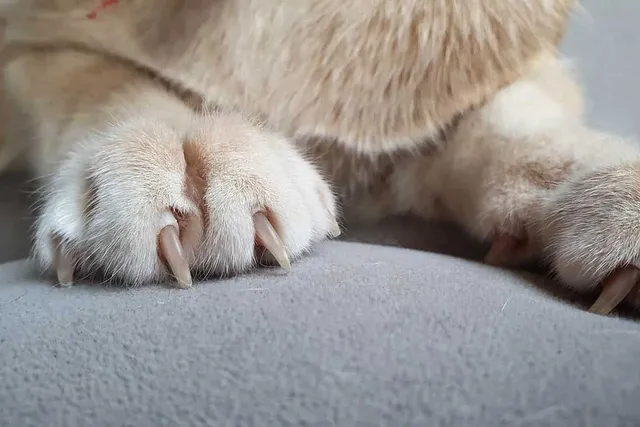
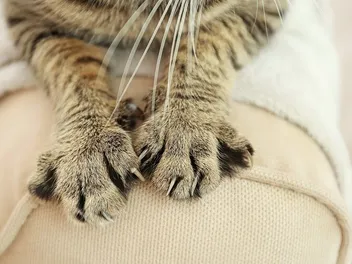
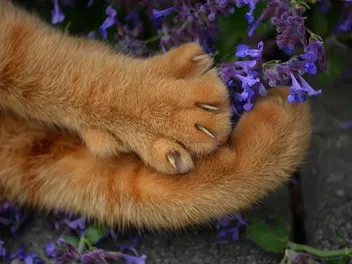
Additionally, cat’s nails are often described as onion-like, with several distinct layers in their composition. Often, the outer layer may become frayed and damaged, and your cat will pull away the top layer to expose the cleaner, sharper layer underneath. This behavior may seem alarming at first, especially if you have never noticed it before. Cats are private creatures that usually find a quiet and private place to groom themselves in peace.
Make sure your cat has a scratching post or something similar, as they’ll typically use this to keep their nails clean and sharp. The reason that they are chewing on their claws may be a lack of a suitable scratching surface.
We recommend having at least two or three different types of scratching posts available to your cat to keep them interested.
The Hepper Hi-Lo is the perfect alternative to a regular scratching post or cat tower and doubles as a fun and exciting way for them to keep their nail length at bay. Cardboard is the main attraction, because we all know how much cats can't resist it, and the scratcher itself was created to encourage play with its multi-position design.
If you are looking to keep nail trims to a minimum and your cat entertained for hours, the Hepper Hi-Lo Cat Scratcher is a must-have.
At Catster, we’ve admired Hepper for many years, and decided to take a controlling ownership interest, so that we could benefit from the outstanding designs of this cool cat company!
2. Behavioral Issues
Sometimes, normal self-grooming may morph into obsessive behavior, manifesting in excessive licking, scratching, and claw-chewing. This is usually the result of stress, boredom, or loneliness, and your cat may be using chewing their paws as a mechanism for self-soothing. Just like humans who bite their nails when anxious or stressed, the same signs may manifest in anxious felines. This stress could be caused by something as simple as wanting to go outside or more obvious reasons, like a new pet in the home or moving to a new house.
You’ll need to identify the reason that your cat is stressed or anxious to stop the behavior. If you’ve moved to a new house or brought home a new pet, the reason is obvious, and you can treat your cat accordingly. However, more subtle reasons may take some detective work. Loneliness and boredom can also potentially cause excessive claw chewing, so you may need to spend more interactive time with your feline or consider purchasing stimulating cat toys.

3. Medical Issues
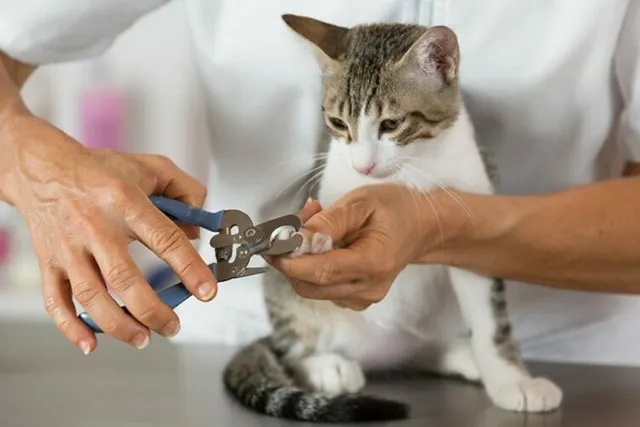
Lastly, your cat’s nail biting may have a physical cause, either an injury or an underlying medical condition. They may have cut themselves somewhere on their paw pad, injured a toe, or broken a claw, and this is causing them discomfort. Conversely, it may have been excessive pulling and chewing that caused the injury itself! You’ll need to closely inspect each of your cat’s paws and check for any signs of injury, and they may need to go for a checkup with your vet. If there are no outward signs of injury, there may be an underlying medical cause.
Bacterial or yeast infections can cause your cat to lick and pull at their paws, or an old injury may have caused an infection. The only way to know is by consulting your vet, and if there are no behavioral issues or injuries, there may be an underlying infection that only your vet can treat.
Final Thoughts
In a normal, healthy cat, biting nails or claws is not usually a cause for concern; it is simply a normal part of their self-grooming regime. If you’ve noticed that the behavior has become unusually frequent and is accompanied by limping or other signs of pain and discomfort, however, there may be an underlying medical issue, and a vet trip is the best option.
In the end, you know your cat better than anyone else and are best equipped to notice the signs of abnormal behavior when they arise.
See Also:
Featured Image Credit: Ilona Koeleman, Shutterstock
Expert cat care, straight to your inbox
News, insights, and useful advice, delivered to you.

No spam — unsubscribe anytime.
By signing up, you agree to our Terms & Conditions and Privacy & Cookies Policy.
How useful was this post?
Click a star to rate. You can leave written feedback afterwards. (We read all feedback.)
Christian started writing for a local newspaper as a teenager, and he's been involved in the publishing industry for most of his adult life. Combining his love of writing with a passion for animals, he is currently the Director of Editorial at Pangolia and the Editor-in-Chief at Catster.
Christian lives in the Philippines with his wife, son, and four rescue cats: Trixie, Chloe, Sparky, and Chopper.