Birman vs Siamese Cat: Main Differences (With Pictures, Vet-Reviewed)


In this article
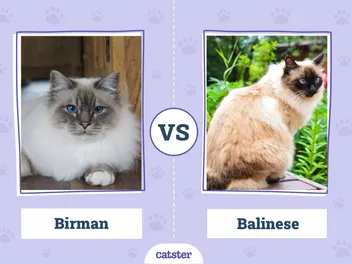
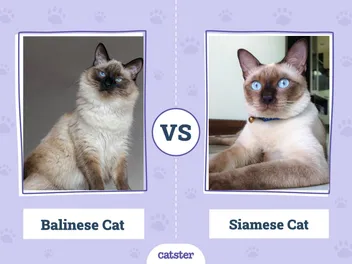
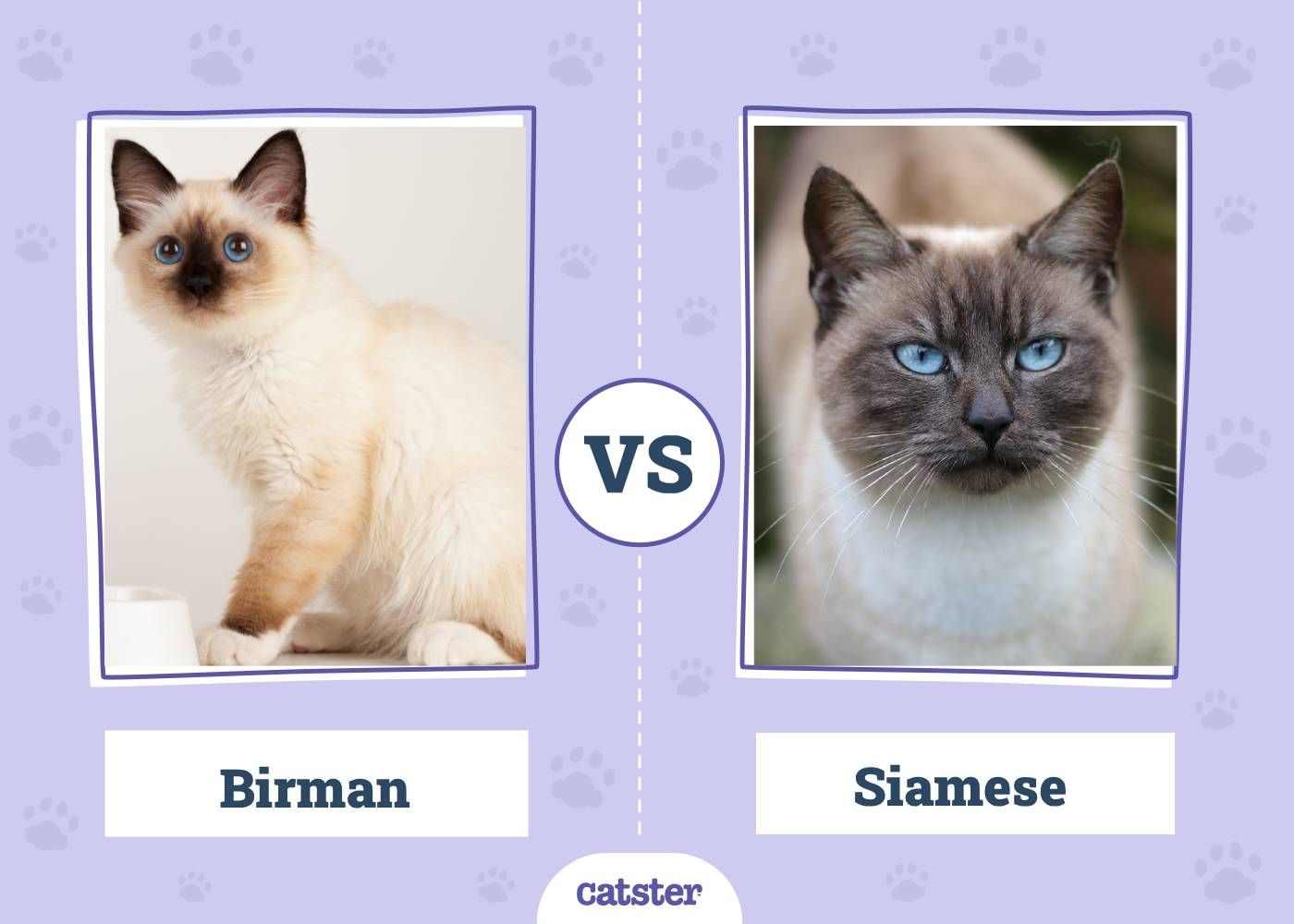
There is something so elegant and beautiful about a faded cream to gray or brown shade on cat coats. On top of their coats having gorgeous shades of soft earth tones, both Birman and Siamese cats have stunning blue eyes.
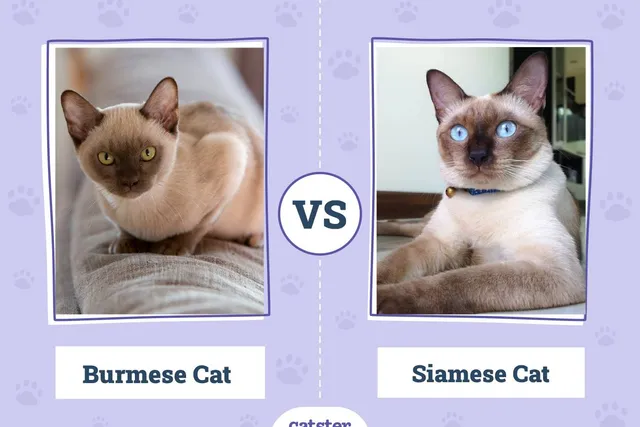
In fact, Birman and Siamese cats look somewhat similar in that they are sometimes mistaken for one another. However, Birmans are a much rarer breed. Once you finish this article, you will know the difference between these two breeds, which may help you decide which is right for you.

Visual Differences

At a Glance
Birman Cat Overview
The Birman is also known as the Sacred Cat of Burma, meaning this breed has a special spiritual significance in its native land. It's speculated that this breed may have descended from royal palace cats, but this legend remains unconfirmed. They still show their royalty with their elegance and grace.
While visually similar, they are drastically different from their Siamese relatives.

Personality/Character
If you are looking for a wonderfully loving family companion, you probably could not pick a better breed. These cats are incredibly friendly and affectionate. Because they are so good-natured, they make excellent pets for bigger children and adults of all ages.
They also get along with other pets when properly socialised, which makes them compatible with even more lifestyles. Since they are so gentle, they tend to be patient with more hyper dogs or extra playful cats. But they might march to the beat of their own drum, politely dismissing play when they’ve had too much.
Because of their moderate activity level, they even work well in apartments and smaller living spaces. They feel just fine curling up on the couch for a lap nap or demanding rubs from their humans. But even though they love the interaction, they aren't needy or overbearing either.
A Birman does not need tons of mental stimulation every day, but they are highly dependent on their people. These cats love being very social, so they work best in households in which they get lots of attention from their humans, plenty of short bursts of physical exercise, and mental stimulation through environmental enrichment.
Physical Characteristics
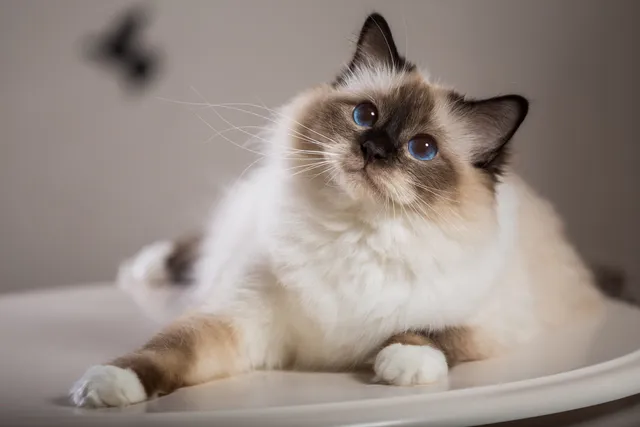
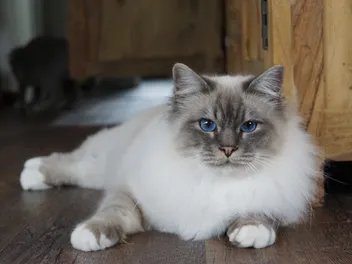
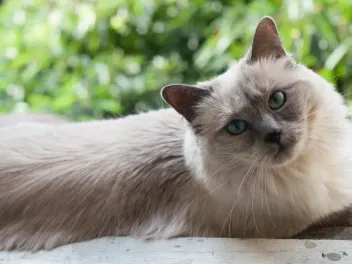
This breed has a distinctive cream and brown coat with distinctive white mittens. Against their dark masks, they have penetrating blue eyes. Looking remarkably like the Siamese, the Birman instead has a soft, silky, medium to long coat that is less prone to matting than Persian-type longhair. But don't let the thick coat fool you—it's not a problematic fur texture to maintain, as they have no undercoat, and it generally needs a groom once per week.
Birmans have the following coat colors in colorpoint markings:
- Seal
- Blue
- Lilac
- Chocolate
- Red
- Cream
- Tortie
While they resemble their Siamese cousins in eye and coat color, they tend to be bulkier and heavier than their sleek, lean counterparts. As adults, males weigh roughly 10 to 12 pounds while females weigh 6 to 10 pounds.

Exercise
By nature, Birmans have a relatively relaxed temperament. They don’t require a ton of daily activity, but they will be as energetic as most kittens are. As they age, especially after being spayed or neutered, they slow down quite a bit.
If you're looking for a lap cat, this is definitely the one for you. However, to stay happy and healthy, Birman needs several bouts of at least 15 minutes of exercise per day. And we don’t think that is a lot.
Although many cats take care of this on their own, structured and interactive play is helpful for weight control, mental stimulation, and enrichment. Just take a few moments each day to get your kitty’s heart rate up so they can burn some extra calories.
Remember that even though Birman cats don’t thrive on exercise as much, they still need their fair share of toys and scratching surfaces.

Grooming
Even though Birmans have beautiful, long fur, they actually require less maintenance than you’d initially think. Professional groomers, these cats make sure to take care of their coats. Plus, it’s very light and fluffy and not as prone to matting as some other long-haired breeds.
However, you should still regularly comb your Birman on a weekly basis to remove debris and tangles. Being so affectionate, your kitty will likely delight in brushing sessions—some even look forward to them.
Health
Sometimes, certain cat breeds can really have a list of different disorders or diseases they’re prone to. While many cats are incredibly durable and resilient, having nine lives and all, even a cat of a royal bloodline can have trouble sometimes.
A Birman cat may suffer from certain health issues or have a predisposition, similar to other cat breeds in general, some of which may include:
Suitable for:
Birmans are well-suited for many home environments. They are very affectionate love bugs that do amazingly well alongside grown-up children, seniors, and other pets, when properly socialized. However, we don’t recommend this breed for outdoor living.
Siamese Cat Overview
Stunning, intelligent, and maybe a tad bossy sometimes, Siamese cats have to be one of the most popular cat breeds in existence—and for a good reason. Siamese cats have a lot going for them—looks, personality, the works!
But this breed differs from a Birman in both physical makeup and personality.

Personality/Character
Siamese cats have quite a reputation for having a mind of their own. They are quite adventurous, and maybe a little nosy sometimes, as they are fairly people-oriented. It is one of the oldest and most recognizable cat breeds, notorious for their spitfire attitude and interactive vocalization.
You might find them following you around, screaming at you for more food or because they’re trying to communicate something important—they are classically chatty Kathys. You will enjoy long talks with your cat about the empty food bowl or the fact that you aren’t being fun enough.
Siamese cats are quite comical and outgoing. While they might not necessarily want physical affection from strangers, they aren't afraid to come to check out newcomers to get more information.
Siamese cats can be a little demanding regarding attention or desires. If they want to play, they might demand to play. If they want a rubdown, you'd better be ready to comply. But you will get a kick out of their antics.
This breed can be compatible with kids under supervision and other pets when properly socialised. However, they can be a little headstrong—their way or the highway. They don’t usually have a problem communicating when they’ve had enough.
Because of their vocalization, need for physical activity, and higher maintenance tendencies, these cats are best suited for households that can provide high interaction and tolerate vocalization.

Physical Characteristics
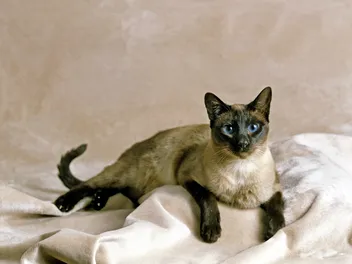
The Siamese is actually a taller breed of cat than the Birman, with more slender bodies. So, they tend to be lighter and highly flexible. Because they are highly athletic and able-bodied, they make excellent hunters.
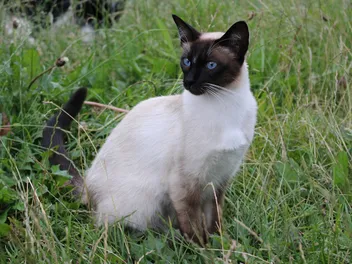
Siamese cats have a color-point pattern, characterized by a light-colored body with darker “points” on the ears, face, paws, and tail. This unique look is caused by a temperature-sensitive gene that produces darker coloring on the cooler parts of the body.. However, there are other colors to mention as well, not all of which are approved by all registries.
Siamese standard colors include:
- Seal Point
- Blue Point
- Chocolate Point
- Lilac Point
But purebred Siamese cats with the point gene most certainly always have the classic sapphire blue eyes.

Exercise
The Siamese are usually very active and require an appropriate amount of physical activity and mental stimulation through environmental enrichment. So, even as adults, you probably will have no issue making sure they get the proper amount of exercise by setting a bit of time each day to play with them.
Like any other cat, they need at least 15 minutes of exercise several times per day. However, they will likely want more fun because of their sense of adventure.
These cats benefit greatly from having lots of interactive and self-play activities. They tend to have a decent prey drive, meaning they need to chase, pounce, and stalk.
Siamese cats should have a wide list of toys and environmental enrichment, including cat scratching posts, stuffed toys, and battery-operated lights or movement.

Grooming
Siamese cats are pretty easy to maintain from a grooming perspective. They do most of the hard work for you, grooming themselves as needed. Their fur is short and generally does not require much grooming, but still, it can be a great way to bond with your kitty.

Health
Siamese cats are usually very healthy specimens. However, there are specific issues the breed might face.
Some health issues that might affect Siamese cats more often include:

Suitable for:
Because of their spunk and playfulness, Siamese cats do best in a home where they will get lots of interaction. They can make awesome playmates for older children and other pets when properly socialized and introduced. But because they might play a little rougher than some other breeds, we don’t recommend them for toddlers or small children without supervision.
Choosing Between the Birman and Siamese
Birman and Siamese may differ in personality, although part of it will depend on their individual characters, socialisation, and upbringing. So, here’s a way you can choose:
Home Life
Personality Traits
Activity Levels
Grooming Needs
Health & Longevity
Which Breed Is Right for You?

While these cats are somewhat similar in looks, they differ quite a lot in other ways. Birmans enjoy a more relaxed approach to life, while Siamese prefer to live to the fullest. They each have beautiful attributes that make the breed stand out from the crowd.
If you plan on buying or adopting either breed, now you can pinpoint what to expect. Either breed would make a charming addition to the right home. You surely won’t be disappointed by the companionship on either account.
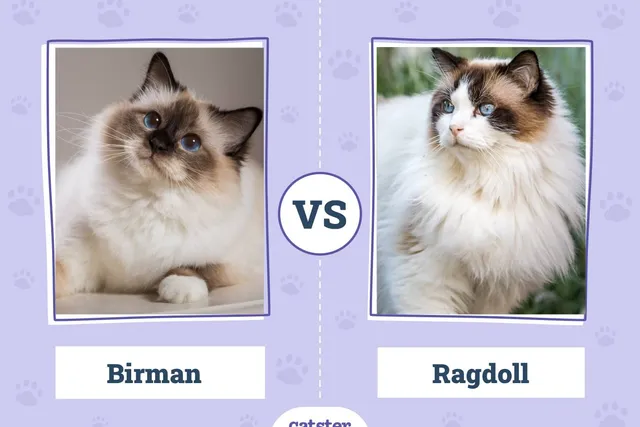
Related Read: Birman vs Ragdoll: The Differences (With Pictures)
Featured Image Credit: Left - Patrik Slezak, Shutterstock | Right - MLARANDA, Pixabay
Expert cat care, straight to your inbox
News, insights, and useful advice, delivered to you.

No spam — unsubscribe anytime.
By signing up, you agree to our Terms & Conditions and Privacy & Cookies Policy.
How useful was this post?
Click a star to rate. You can leave written feedback afterwards. (We read all feedback.)
As a freelance dog writer and passionate pet enthusiast, Ashley Bates is pursuing studies in animal therapy. A mother to four human children and 23 animal companions, Ashley is dedicated to volunteering at shelters, advocating for animal rights, and rescuing animals in need. Her goal is to spread awareness, provide education, and offer entertainment about pets to reduce homelessness. Ashley's specialties include dogs and cats.