Can Cats Get Sick From Eating Poisoned Rodents? Vet-Explained Signs, Prevention & FAQ

In this article
Rodents are found everywhere, but we don't want mice or rats in our homes, especially since they can bring diseases like the plague. You can get rat bait or rodenticides in grocery stores, hardware stores, and many other places. The question is, if you use rodenticides, can your cat get sick from eating a poisoned mouse? Thankfully, the chance of your cat getting sick from eating poisoned rodents is small but not impossible.

Can Cats Get Sick From Eating Poisoned Rodents?
If you've seen your cat catch a mouse, you might have wondered if your cat could get sick if that rodent ate some poisoned bait. We have a term for that condition: relay toxicosis, also known as secondary rodenticide exposure. It's a problem that occurs enough to have its own name, but the good news is that it isn't common in cats.
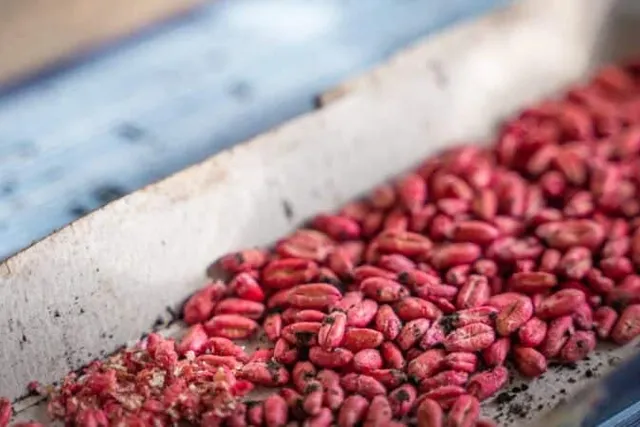
While bait blocks are flavored to be attractive to rats, mice, and other pests, they can also be quite appealing to our pets. Dogs tend to accidentally ingest bait far more commonly than cats, but cats may also be more susceptible to the effects of rodenticides.
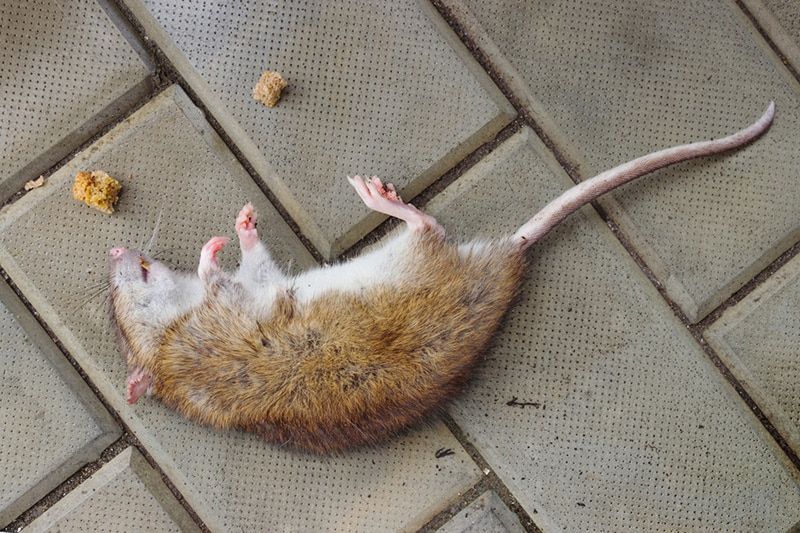
Cats can get exposed to rodenticides by eating a rat, mouse, vole, or other small mammal that has eaten rodent poison. Even the laziest of cats might be tempted by a sluggish mouse traipsing across the garage floor without regard for the larger predator stalking its steps. When they eat the rodent, they could also consume some of the poison, especially if there are chunks in the rodent's gut.

Types of Rodenticides
There are several major classes of rodenticide products, including:
- Cholecalciferol: This rodenticide is a form of vitamin D that leads to the mineralization of internal organs like the kidneys.
- Anticoagulant: This rodenticide class was used for many years, so you might still have some tucked away in your garage or shed. They interrupt normal blood clotting, so rodents (and sometimes pets) develop bleeding.
- Bromethalin: This newer class is hazardous and causes neurological problems as the brain swells, leading to paresis, seizures, and death.
Signs of Exposure to Poisoned Rodents in Cats
The signs that your cat has been exposed to rat poison vary based on the type of poison the cat ingested or what the rodents they ate consumed.
Bromethalin
This neurologic poison may trigger signs within hours or days, depending on the amount consumed. Major signs include:
- Seizures
- Hyperthermia
- Tremors
- Sudden death
Cholecalciferol
Because this affects the kidneys readily, the most common signs are associated with kidney failure. You might see:
- Lethargy
- Increased drinking (polydipsia)
- Increased urination (polyuria)
- No urination (anuria)
Other signs include vomiting, decreased appetite, seizures, and death.
Anticoagulants
Sometimes, it can take a long time to see signs develop from anticoagulant ingestion, up to weeks. You might see signs associated with bleeding or anemia, such as:
- Pale gums
- Dark, tarry stools
- Vomiting blood
- Bruising, even without a known injury
- Dark brown urine or red urine
- Swollen joints
- Lethargy
- Increased heart rate (tachycardia)
- Increased respiratory rate (tachypnea)
- Respiratory distress


Treatment if You Suspect Your Cat Ate a Poisoned Rodent
If there is a chance your cat has been exposed to a rodenticide, immediately contact your veterinarian, regardless of whether it could be primary or secondary exposure. You can also start by contacting a pet poison care line for further advice. There is sometimes a fee for these services, but they can communicate with your veterinarian to establish a treatment plan.
- ASPCA Animal Poison Control 888-426-4435
- Pet Poison Helpline 800-213-6680
Get your cat away from the product and make a note of the active ingredients and concentration. Even just knowing the brand and product may help identify the class of rodenticide in the product.
Treatment will depend on what your cat was exposed to and when. On initial presentation to the veterinary hospital, your vet will likely perform baseline testing, including blood work and a urinalysis. They may recommend clotting tests, such as a PT/PTT (prothrombin time/partial thromboplastin time).
If exposure is recent and your cat isn't showing signs, your veterinarian may induce vomiting and then give activated charcoal to help keep your cat from absorbing the toxins.
If your cat was exposed to anticoagulants, they may be started on vitamin K for several weeks, with blood work checked regularly. If your cat is already showing signs of poisoning, they will likely need blood transfusions and supportive care.
Your veterinarian may need to give IV fluids to mitigate the problems associated with other rodenticides. They might recommend anti-seizure medications or muscle relaxers to help with tremors. Oxygen therapy and heating or cooling support may also be recommended.
Preventing Rodenticide Toxicity
To minimize your cat's chance of exposure to rodenticides, keep them indoors and away from areas with bait blocks if you have to use them. Consider using an exterminator to use humane traps that won't affect your cat.


Frequently Asked Questions (FAQ)
Are cats attracted to rodent poisons?
Dogs tend to be more likely than cats to try and ingest rodenticides, but these toxins are designed to attract animals and are often palatable. It may also be more challenging for cats to access secured bait blocks, but remember that where there is a will, there's a way.
Cats may be more likely to be attracted to dying rodents. These creatures tend to be easy prey for a cat on the hunt to snatch up, increasing the possibility of relay toxicity.
How long does it take a cat to get sick from rat poison?
Depending on how much rat poison your cat ate, the type they ate, and if they ate it directly or indirectly, all factors influence how long it can take for your cat to show signs of rodenticide poisoning. It usually takes several hours or days for your cat to show signs.
Can I treat rat bait ingestion at home?
You should not try to treat rodenticide poisoning at home. First, much treatment, such as IV fluids and even blood transfusions, is supportive. If your cat is exposed, it could be deadly. Even trying to induce vomiting in cats can be dangerous because the most readily available product is hydrogen peroxide, which can cause stomach swelling.

Conclusion
If you have a rodent problem, you'll want to be cautious about your methods to treat the infestation, particularly if you have animals. While relay toxicity may not be common in cats, it's still possible. If you think your cat has been exposed, contact your veterinarian immediately to have your cat examined, evaluated, and treated.
See also:
Sources
Featured Image Credit: Sever180, Shutterstock
Expert cat care, straight to your inbox
News, insights, and useful advice, delivered to you.

No spam — unsubscribe anytime.
By signing up, you agree to our Terms & Conditions and Privacy & Cookies Policy.
How useful was this post?
Click a star to rate. You can leave written feedback afterwards. (We read all feedback.)
Dr. Samantha Devine DVM (Veterinarian)
Samantha Devine is a practicing veterinarian who loves to share her experience with animal species and their health. Whether it's a guinea pig question or a pressing matter about something your cat ingested, she strives to provide clear answers. She is passionate about preventative care and firmly believes in the old adage, "An ounce of prevention is worth a pound of cure."
Dr. Devine has been practicing veterinary medicine for over 12 years and has spent a great deal of that time writing online to educate pet owners. In addition to general practice small animal medicine, she has worked with horses. zoo animals and aquatic species. She enjoys all aspects of preventative medicine, from nutrition to vaccines.
Dr. Devine received her degree from the Virginia Maryland Regional College of Veterinary Medicine.