Why Do Seemingly Healthy Old Cats Suddenly Get Sick & Die? 5 Possible Reasons (Vet Answer)

In this article
One of the hardest parts of owning a pet is the inevitable end when we have to say goodbye. In many cases, we know the end is coming and have time to say goodbye, as hard as it might be. Sometimes, however, we come home to a very sick kitty and there's been no warning.
What could cause an older cat to get sick and pass away suddenly?

A Cat's Lifespan
While many things can influence how long a cat will live, the average lifespan for a kitty is between 13 and 17 years. Researchers at the University of California at Davis published a significant study on factors relating to a cat's life expectancy.1 Some of those include:
- Spay or neuter status, with intact cats having a shorter life expectancy
- Kidney disease impacted almost 63% of cats in the study
- Infectious diseases, with feline infectious peritonitis associated with the deaths of 5% of all the cats in the study

The 5 Causes of Sudden Death in Cats
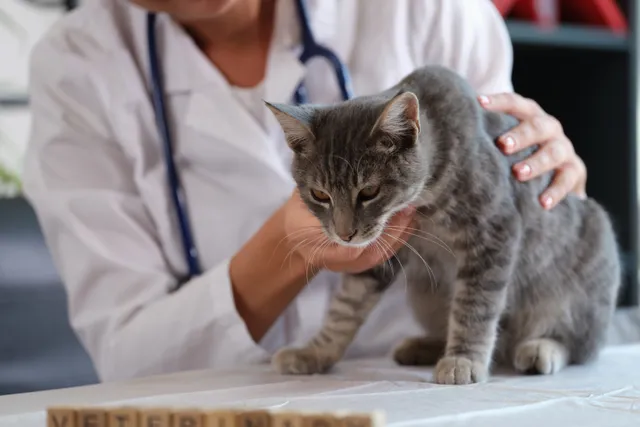
Unfortunately, many things can affect our furry family members, and some give us little warning, even when you’re regularly with your cat. The best thing to do to help your cat is to partner with your veterinarian for regular physical exams and routine diagnostics to help detect changes early on.
1. Heart Disease
Heart disease and issues with your cat's cardiovascular system are common causes of sudden death in an otherwise healthy cat.
Hypertrophic Cardiomyopathy
HCM is the heart disease veterinarians see most commonly in cats. This condition involves the thickening of the cat's heart muscle. It appears to have a genetic component, with a higher likelihood in some breeds, such as Ragdolls and Sphynx cats.
Many cats don't show signs of HCM, while some may exhibit signs associated with heart failure. Your veterinarian may detect a murmur or cardiac arrhythmia during your cat's physical exam, but additional tests are needed to diagnose this condition, such as an echocardiogram and X-rays.
HCM can also lead to blood clot formation, which can lead to sudden death in affected cats.
Other Cardiovascular Conditions
Another issue that can affect your cat includes a stroke. Unfortunately, there may be no warning before your cat is affected. Cats can have high blood pressure, which is often correlated with conditions like hyperthyroidism. High blood pressure can affect the heart and kidneys and lead to the rapid onset of blindness.

2. Trauma
Traumatic injuries are linked to sudden death in cats, although they may be more common in certain cats, particularly those that spend time outdoors. Examples include the following:
- Hit by a vehicle
- Dog attacks
- Falls
Keeping your cat indoors is the best way to minimize the chance of traumatic injuries.
3. Toxins
Certain toxins can lead to rapid illness in cats. Toxic plants inside and outside of the home can impact your cat. Relay toxicosis, where cats eat a mouse poisoned by rodenticides, has also been reported in cats, although it doesn't appear to be a common problem. Some common toxins include:
- Antifreeze
- Lilies
- Acetaminophen (Tylenol)
- Rodenticides

4. Kidney Disease
Kidney disease is one of the most common conditions affecting senior cats, so taking your cat in for senior blood work one to two times per year can help detect changes earlier and allow earlier intervention. Even with routine exams, some cats can develop acute kidney failure or acute-on-chronic kidney failure. With this condition, something exacerbates the delicate kidney function, such as eating a lily.
Signs of kidney disease in cats that you should watch out for are:
- Increased drinking
- Increased urination
- Weakness
- Lethargy or depression
- Inappetence
- Weight loss
- Halitosis or bad breath
5. Urinary Obstruction
If you notice that your cat is going to the litter box and crying out or unable to urinate, it is an emergency. Male cats are especially prone to urinary blockages, mainly due to a narrower urethra than female cats.
Signs to look for include:
- Increased vocalization
- Painful abdomen
- Blood in urine
- Urinating outside of the litter box
- Urinating small drops
- Frequent attempts to urinate
While this condition is often treatable, it can lead to sudden death, as the inability to urinate has been linked to electrolyte imbalances. For instance, elevated potassium (hyperkalemia) can lead to cardiac arrhythmia that could be fatal.
Many cats with a urinary blockage need to be hospitalized with a urinary catheter placed. They will typically receive supportive care, including fluid therapy, antibiotics, and pain medications, as indicated.

Frequently Asked Questions (FAQ)
What Is the Leading Cause of Sudden Death in Cats?
Heart disease is the leading cause of sudden death in cats. Often, the cat is found to have passed away without any noticeable signs before death. A study through the University of Guelph Ontario Veterinary College showed that 62% of sudden death cases in cats were linked to heart disease.
What Is a Common Infectious Disease in Cats?
Feline leukemia virus is a common infectious illness in cats. It can be linked to a variety of health issues, including cancer. Roughly 2% to 3% of cats in the United States have the virus, often spread through unvaccinated outdoor cats.
Bite wounds are a common way the virus spreads. Some vaccines can help protect your cat, although these are not without side effects and have been linked to vaccine-related tumor development. While cats usually have a slow disease progression, it can rapidly worsen, leading to seizures, fever, and weight loss.
Conclusion
No matter how vigilant you are as a pet owner, some conditions can strike suddenly in your cat. Preventative care and regular veterinary visits can help detect underlying issues, but they aren't foolproof. If you notice any changes in your cat, such as their appetite, weight, or behavior, you should contact your veterinarian for an exam right away.
Featured Image Credit: Olga Smolyak, Shutterstock
Expert cat care, straight to your inbox
News, insights, and useful advice, delivered to you.

No spam — unsubscribe anytime.
By signing up, you agree to our Terms & Conditions and Privacy & Cookies Policy.
How useful was this post?
Click a star to rate. You can leave written feedback afterwards. (We read all feedback.)
Dr. Samantha Devine DVM (Veterinarian)
Samantha Devine is a practicing veterinarian who loves to share her experience with animal species and their health. Whether it's a guinea pig question or a pressing matter about something your cat ingested, she strives to provide clear answers. She is passionate about preventative care and firmly believes in the old adage, "An ounce of prevention is worth a pound of cure."
Dr. Devine has been practicing veterinary medicine for over 12 years and has spent a great deal of that time writing online to educate pet owners. In addition to general practice small animal medicine, she has worked with horses. zoo animals and aquatic species. She enjoys all aspects of preventative medicine, from nutrition to vaccines.
Dr. Devine received her degree from the Virginia Maryland Regional College of Veterinary Medicine.