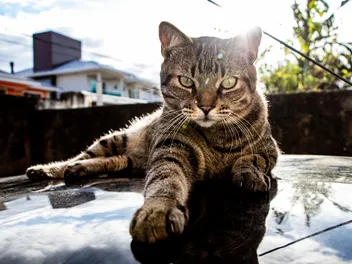
British Shorthair Cat Breed: Info, Pictures, Temperament & More
In this article
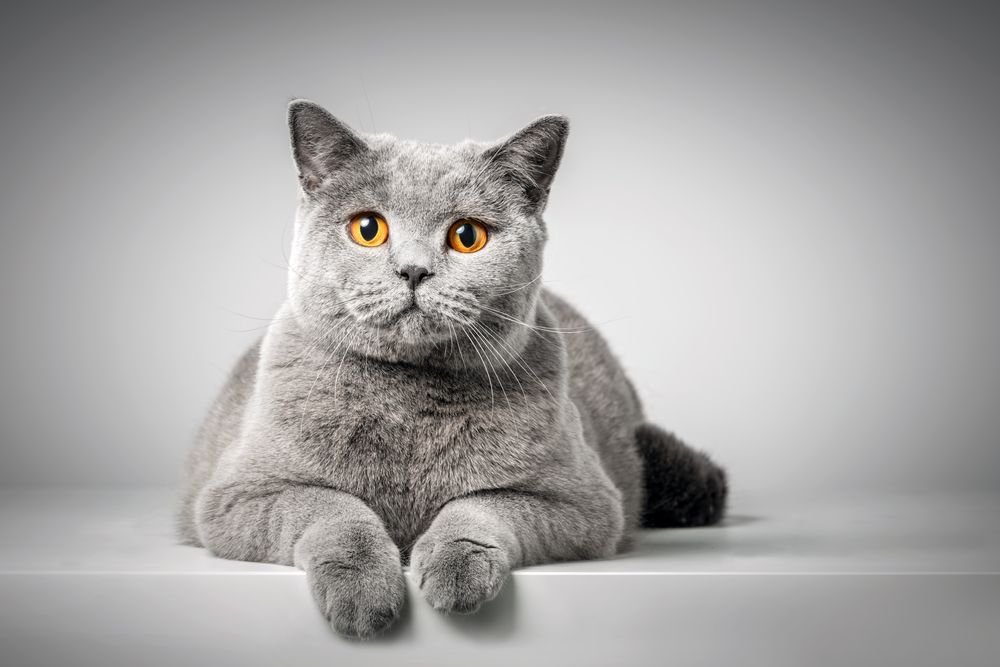
The British Shorthair is the purebred version of the standard British domestic cat or “generic” British cat breed. They have a lovely, calm temperament and are friendly with most people at a short distance, yet they still retain the classic cat independence and love their time apart! They’re not excessively social but tolerate other pets well, making them one of the ultimate family cats. For more detailed info on their characteristics and physical traits, read on.
Breed Overview
Height:
Weight:
Lifespan:
Colors:
Suitable for:
Temperament:
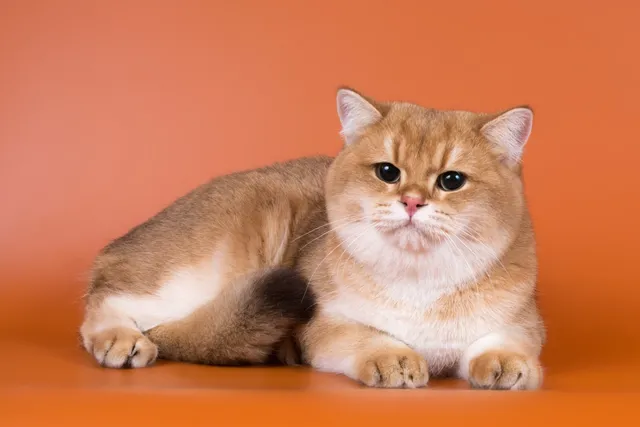
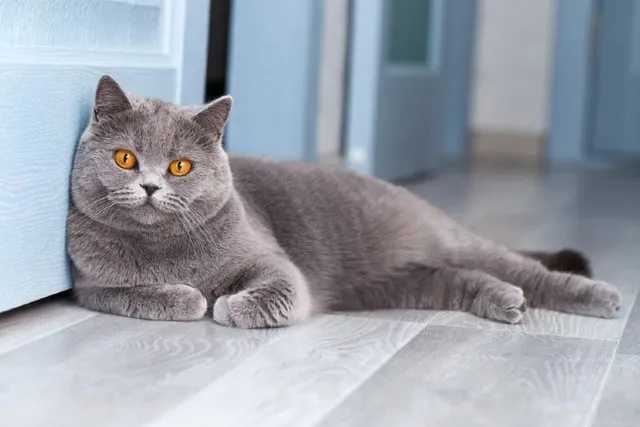
The British Shorthair is one of the most recognizable and yet diverse cat breeds in the world, tracing its ancestry back to cats kept around in ancient Rome to hunt vermin that plagued essential grain stores. They’re widely known for their round head, stocky body, and dense plush coat that can display a startling array of colorations.
British Shorthair Characteristics

British Shorthair Breed Kittens

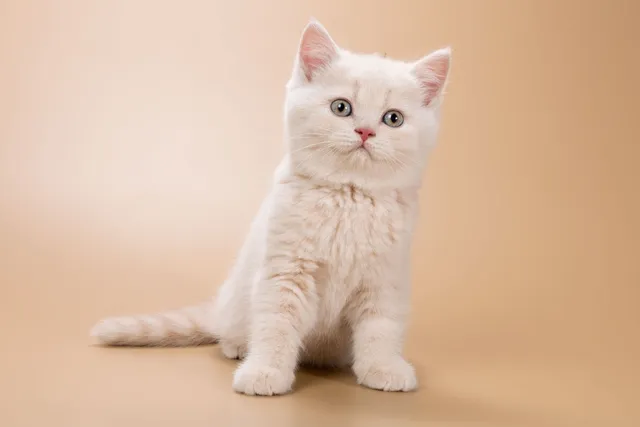
Due to the wide variety of colorations in the breed, British Shorthair breeders tend to focus on one or a few specific-colored bloodlines. Solid lilac is possibly the rarest color of all, while the pineapple-headed solid blue is the most iconic when you think of the eponymous British Shorthair kittens.
Finding a reputable cat breeder or cattery isn’t terribly difficult, but it can be tricky if you don’t know what to look for. It’s sad to say, but some breeders are little more than kitten mills, and you want to avoid them at all costs.

Temperament & Intelligence of the British Shorthair 🧠

The British short hair tends to be a placid and easy-going cat. They are some of the most loyal and loving cats, and they will often attach themselves to several family members. While they enjoy playing, they also don’t mind spending time by themselves. Better yet, they tend to get along with many other pets.
Are These Cats Good for Families? 👪
Yes, they make ideal family pets for families with or without children. Unlike some breeds, the British Shorthair is remarkably tolerant toward children and will run away rather than exhibit aggression. They’re affectionate toward all members of the family and have a gentle spirit that fits in wonderfully with any household.
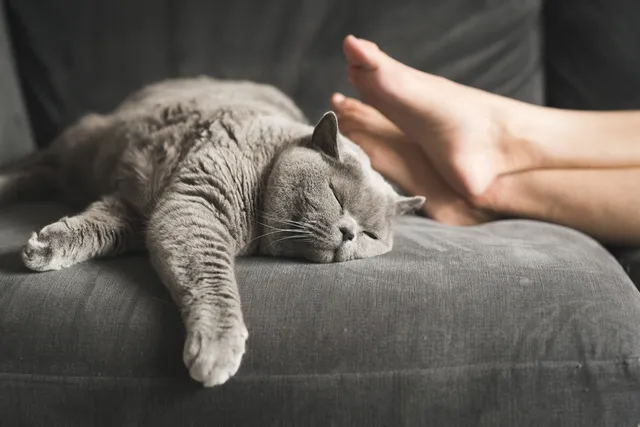
Most cats of this breed don’t like being picked up and carried around, but they might like to cuddle or settle by your head on top of the couch. Though very friendly and mild-mannered, British Shorthairs do like their alone time and need space to explore, play, hang out, and rest in private.
Does This Breed Get Along With Other Pets? 🐶🐱
Yes, British Shorthairs are fairly social felines that get along with other cats and many dogs, but socialization is key in tempering skittish streaks. Cats that have negative encounters with other animals during kittenhood are more likely to be afraid of other animals later in life. To prevent this and make for a happier kitty, expose your British Shorthair kitten to as many sights, sounds, places, people, and animals as possible. It helps them to learn what’s normal, so to speak, and helps them learn house manners around other pets.
That said, they are absolutely pureblooded felines, making them poor housemates for small prey animals. Hamsters, guinea pigs, rabbits, and even reptiles are all tempting targets for these born hunters


Things to Know When Owning a British Shorthair:
Food & Diet Requirements 🐡
Like any breed, British Shorthairs need high-quality cat food with at least 30% protein, beneficial fats, amino acids, taurine, and a lesser amount of carbs and trace nutrients. You can continue using the cat food sent home with your kitten by the breeder, as suddenly changing their diet can cause gastric upset. What you want to look out for is overeating because British Shorthairs are less active cats that can put on pounds quickly if you don’t portion their food correctly.
Providing enough hydration is essential too, as cats that don’t drink enough can develop kidney-related problems. Always make sure your British Shorthair has access to fresh, clean water, and consider offering canned wet food multiple times weekly as a healthy and hydrating treat. Canned wet food contains 70% moisture compared to the average kitty kibble containing just 10% water.
Exercise 🐈
The British Shorthair isn’t a hyperactive kitty, and their exercise needs are pretty minimal—30 minutes a day should do the trick. They enjoy the same types of things other cats do, like stalking, exploring, and climbing to high vantage points, so make sure you invest in some good cat toys and look into a cat tower to keep them happy. Personally, we love cat towers with built-in scratching posts to help encourage healthy scratching and mitigate potential furniture destruction.
Keeping your British Shorthair moderately active with mentally stimulating toys and games can help stave off obesity, too, especially if your cat has a habit of overeating and tends to be sedentary. Making sure they’re active enough and have access to enough water are both key in preventing kidney problems as well.

Training 🧶
British Shorthairs aren’t as dog-like as, say, Maine Coons, but they’re intelligent felines with the potential to learn tricks. Start by teaching them their name, and always have an enticing treat like tuna on hand to incentivize cooperation during training sessions.
Grooming ✂️
Like most cats, British Shorthairs are fastidious about self-grooming and take care of their coat very well without human assistance. Their plush short coat doesn’t shed very much at all, but we suggest brushing them with a soft brush once a week to remove any dead hair. During the spring and fall shedding seasons, you may want to groom their coat twice a week to minimize the amount of fur shed on the ground or on your furniture.
The other major grooming involves your British Shorthair’s claws and teeth. Some cats despise toothbrushes and will rebuff attempts to manually clean their teeth, but dental treats help keep those chompers healthy. To keep their claws neat and healthy, trim their claws every 6 weeks or when they get uncomfortably long.

Health and Conditions 🏥
British Shorthairs are generally a healthy breed, but like any breed, they’re more vulnerable to developing certain health conditions than others. Your vet will help you look out for signs of major health conditions with periodic wellness checks throughout your cat’s life, but for now, you can check out a few of the British Shorthair’s most common health issues below.
Male vs. Female
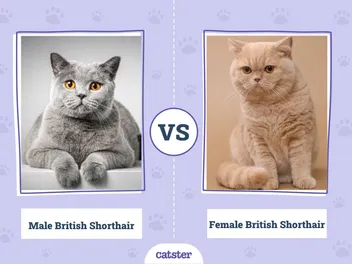
Female British Shorthairs are a little smaller than males and, on average, tend to live for a year or two longer than males. As far as personality, males are a little goofier and loving, while females are more quiet and thoughtful. That’s just a generalization, though, because genetics are more important than breed as far as specific behavioral traits like an affectionate nature or reclusiveness.
3 Little-Known Facts About the British Shorthair
1. The Cheshire Cat Was a British Shorthair
It might have never occurred to you that the famed Cheshire Cat from Alice in Wonderland was based on a real-life cat, but just look at him! He has the same familiar and famous round head, wide eyes, and stocky body as the British Shorthair.
2. The British Shorthair Has Roman Ancestors
Genetics take turns and swerves, but the British Shorthair bloodline as a whole can be traced back to the first-century A.D. Romans who used cats to keep their war camps clear of vermin and snakes. From there, they became the modern British Shorthair and offshoots became the ubiquitous but not purebred British domestics.
3. It’s the Most Popular Cat Breed in the UK!
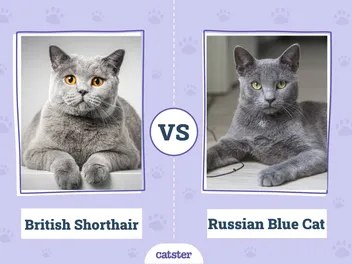
The British Shorthair remains the most popular registered cat breed in their home country of Britain, with a quarter of all kittens registered yearly belonging to the breed. They’re mainly known for their blue variety, hence the name British Blue, and are frequently mixed with the Russian Blue to create a more plush blue coat and friendly demeanor.
Conclusion
If you’re looking for a family pet with a calm, loving personality who won’t shed a lot, the British Shorthair might be the perfect fit! They’re not very hard to find and get along with nearly any type of housemate, furry or small humans alike. As a bonus, they come in an astoundingly wide color palette.
See also:
Are British Shorthair Cats Smarter Than Most Cats? Breed Facts & FAQs
Brazilian Shorthair Cat Breed Info: Pictures, Temperament & Traits
Sources
Featured Image Credit: PHOTOCREO Michal Bednarek, Shutterstock

Expert cat care, straight to your inbox
Vet-reviewed advice, behavior tips, and the best of Catster. Free, and you can unsubscribe anytime.
By signing up, you agree to our Terms & Conditions and Privacy & Cookies Policy.

Codee Chessher is a freelance writer with extensive knowledge on a variety of subjects that include travel, DIY, pets, and more. He has a colorful past but the written word was always his first love. He believes there's nothing a well-worded sentence can't accomplish!
When not writing, Codee enjoys reading fantasy novels, tackling DIY projects around the house, and memorizing useless pop culture trivia. He has lived in many places around the US, and most recently resides in northern Mexico.
Join the conversation
Ask a question, share your story, or send private feedback.