How Long Do British Shorthair Cats Live? Average Lifespan Data & Facts

In this article
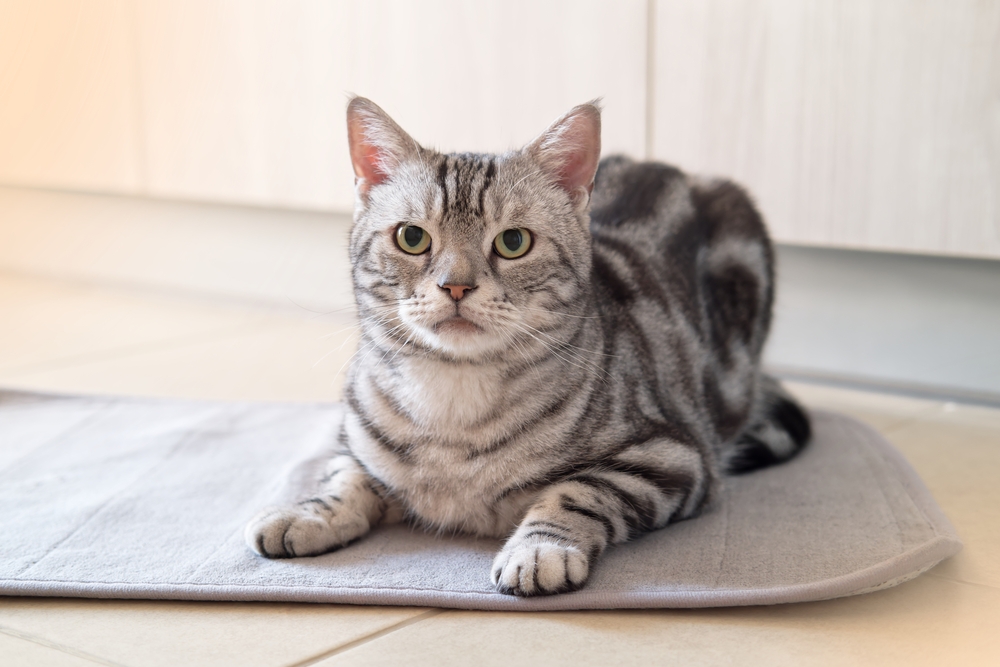
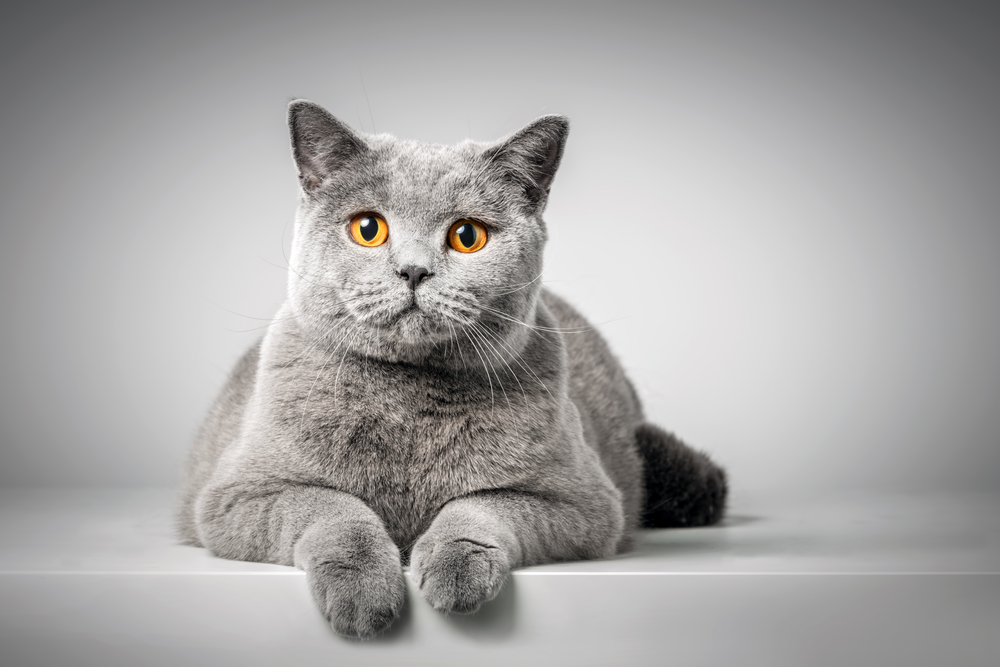
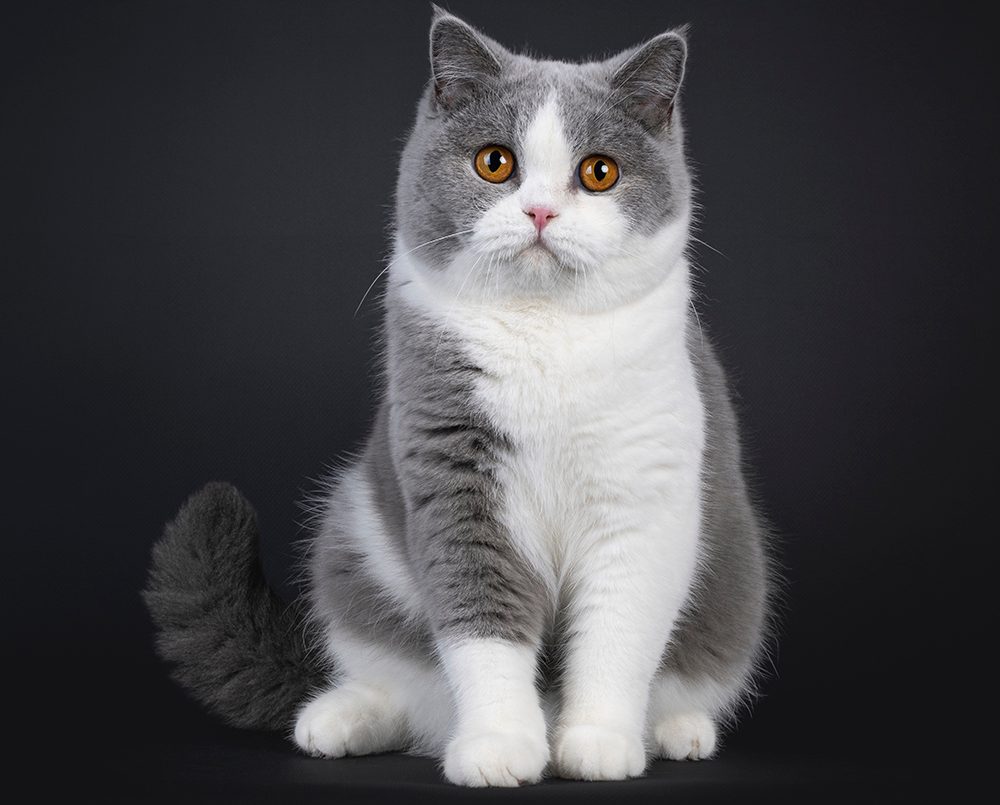
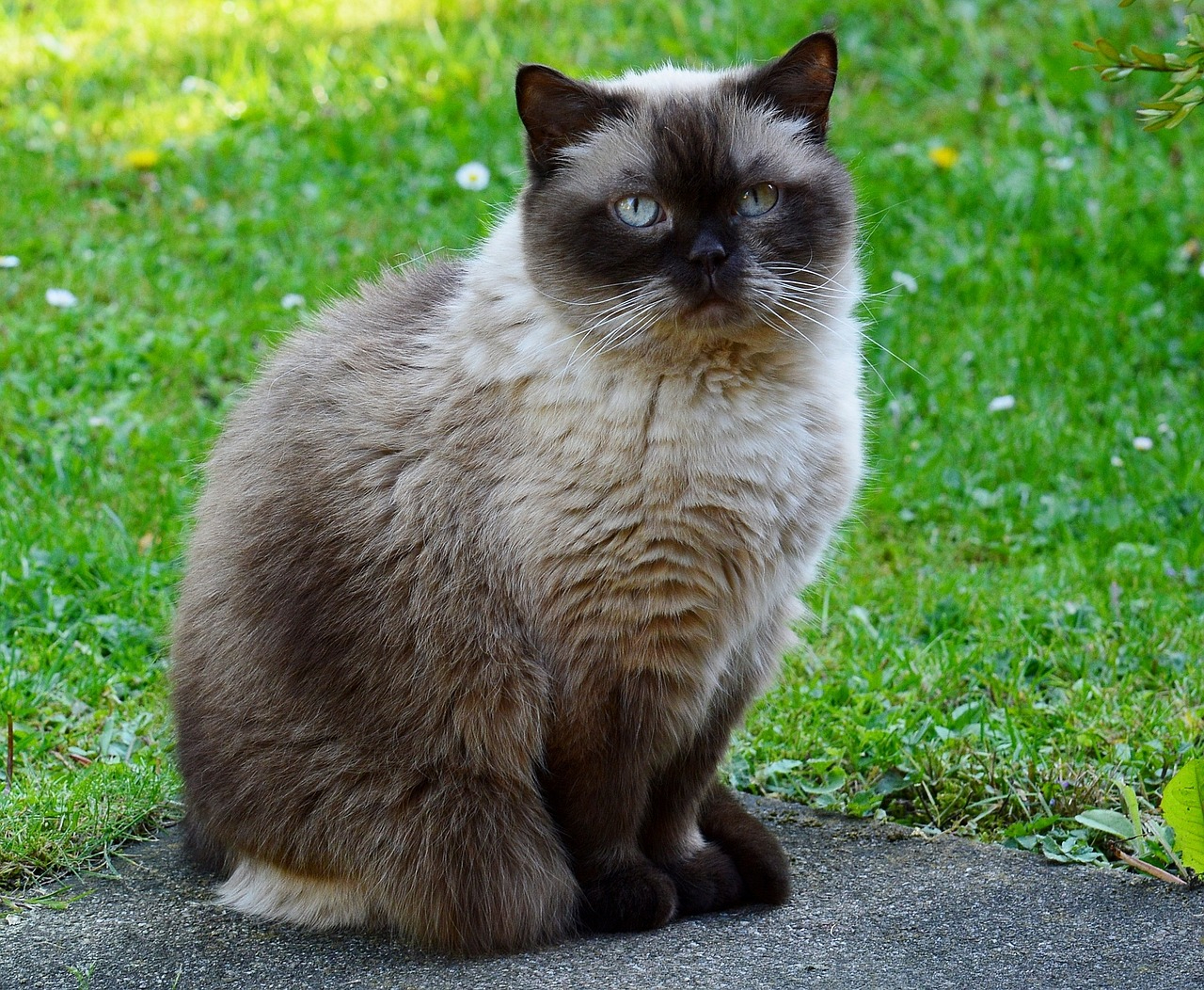
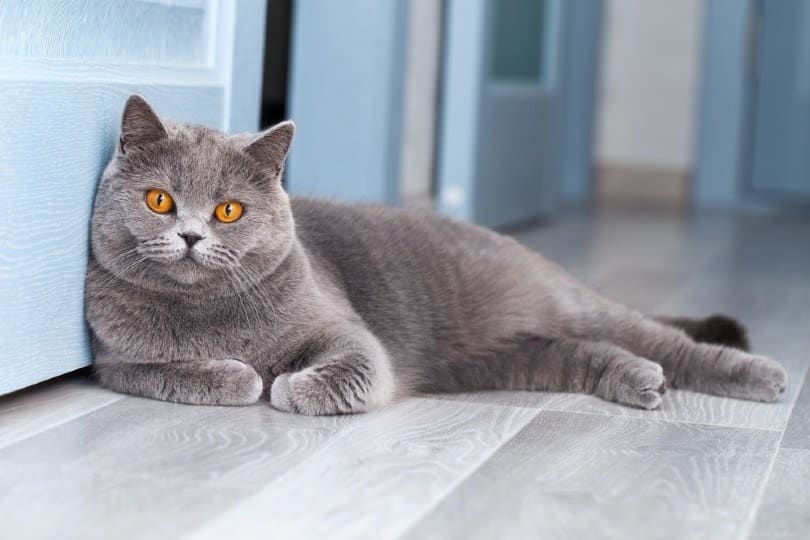
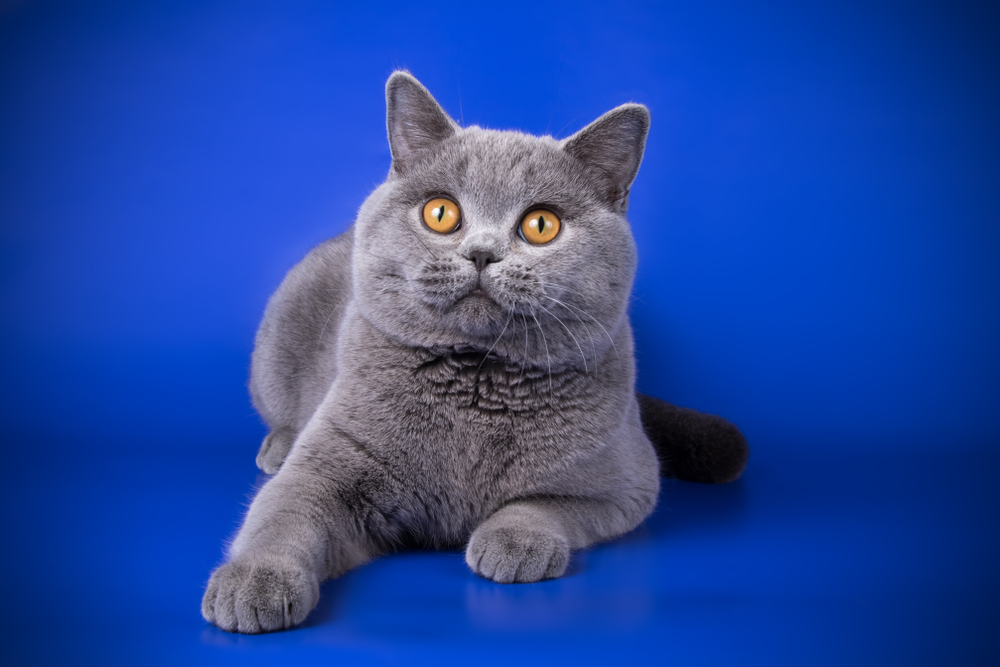
The British Shorthair cat is well known for its sweet personality and large appearance. The British Shorthair cat has average lifespan of approximately 12–16 years. Providing them with veterinary care and attention, along with a healthy diet and a safe, stimulating environment, can help ensure they live a long, happy life.
If you’ve often wondered what the average lifespan of your British Shorthair cat might be, how to keep him healthy and happy for many years to come, and what the stages of your cat’s life might be, we’ve got you covered. We’ll discuss the average British Shorthair lifespan and more, so join us.

What’s the Average British Shorthair Lifespan?
The average lifespan of a well-cared-for, healthy British Shorthair cat is between 12 and 16 years, with the average median being approximately 14 years, depending on the cat’s health, genetics, and lifestyle.


The 7 Reasons Why Some British Shorthair Cats Live Longer Than Others
There are a few reasons that one British Shorthair cat might live longer than another.
1. Nutrition
Nutrition plays an important role in how long your British Shorthair cat will live. If you want your cat to live long and with excellent health, you’ll want to ensure it has a complete and balanced high-protein diet. It’s best to serve high-quality kibble, wet food, or fresh food and feed them on a schedule.
Free feeding isn’t good for most British Shorthair cats since this can lead to obesity. A cat that isn’t fed the proper amount of food or is fed low-quality food will not live a healthy life. Following the feeding requirements on the food label, using a measuring cup for portion control, and talking to a veterinarian will ensure your British Shorthair gets enough nutritious food.
2. Environment and Conditions
Of course, as with any cat, the environment and conditions in which the British Shorthair is raised will have a lot to do with how long it lives. If a cat lives outside, it’s more likely to have a shorter life than a cat kept inside. Outdoor cats risk getting hit by cars, having access to poisons, being stolen, and being attacked by predators.

3. Weight
British Shorthairs can be predisposed to becoming overweight, so it’s important to monitor their daily calorie intake. Overfeeding or offering high-calorie treats can negatively affect their health. As adults, they typically weigh between approximately 9 and 18 pounds, with males generally being heavier than females, and if your cat’s body condition score (BCS) suggests they are carrying excess weight, it’s a good idea to consult your vet for a tailored weight management plan.
4. Sex
The sex of the British Shorthair doesn’t play as much into the lifespan if you have your cat spayed or neutered. A few conditions, such as dystocia (birth complications), can come from your cat getting pregnant, and male cats tend to wander if they aren’t fixed. Spaying or neutering also reduces the risk of certain reproductive diseases and can decrease behaviors associated with roaming and fighting, which may lower the risk of injury and infectious disease exposure. Having your cat fixed can help reduce these risks.

5. Genes
Genetics plays a huge role in the life expectancy of a cat. British Shorthair cats can have hereditary issues such as Polycystic Kidney Disease (PKD), Hypertrophic Cardiomyopathy (HCM), or Peritoneal-Pericardial Diaphragmatic Hernia (PPDH) that may affect their quality of life and how long they live. It’s best to watch your feline closely and visit your veterinarian at least once to twice a year. If you see any signs of health issues, get the cat to the vet for diagnosis and treatment immediately.
6. Breeding History
The breeding of your cat can play a huge part as well. Breeders who get their cats' DNA tested, provide vaccinations and treatments, keep detailed records of their cats’ history, and maintain sanitary dwellings are more successful with breeding healthy litters. Avoiding inhumane breeders and kitten mills will raise your chances of enjoying your cat for several years.
7. Healthcare
Healthcare is the most important factor that can help British Shorthair cats live longer than others. If a cat doesn’t receive the necessary healthcare, such as regular checkups with the local vet, it is more likely to develop a condition that could have been detected earlier or better managed. Kittens require several visits to the vet before reaching adulthood, and even as an adult, it’s essential to maintain routine vet visits at the frequency recommended by your vet.


The 4 Life Stages of a British Shorthair Cat
A British Shorthair cat has four life stages.
1. Kitten (Birth - 1 Year)

The kitten stage is a period of rapid growth, learning, and socialization. British Shorthairs tend to mature more slowly than some other breeds, but this is still a crucial time for development. Proper nutrition is essential, as kittens require a complete and balanced growth diet formulated for kittens to support healthy growth. Socialization is also key during this stage, which is why introducing your cat to new environments, pets, and people will help ensure your cat grows into a well-socialized adult cat.
Veterinary care is particularly important because kittens need multiple visits for vaccinations, deworming, and spaying or neutering. This is also the most playful stage of life, with bursts of energy, climbing, and exploring. Providing interactive toys and enrichment will help with both mental and physical development.
2. Young Adult (1 - 6 Years)

After a British Shorthair’s first year, they transition into young adulthood. Although they are technically adults, their physical maturity continues to develop until around three years old.
During this period, a well-balanced adult diet replaces kitten food to maintain a healthy weight and muscle tone. While British Shorthairs are not as hyperactive as some other breeds, they still require play and engagement to prevent boredom and encourage activity. Regular veterinary checkups remain important to monitor for early signs of health issues.
3. Mature Adult (7 - 10 Years)

As British Shorthairs enter their mature years, their metabolism continues to slow, and they may become less active. While they are still in good health, they might sleep more and play less than before.
Veterinary visits should occur yearly to detect early signs of any health condition. Although their energy levels may decrease, regular interaction and mental stimulation are still necessary to keep them engaged and happy.
4. Senior (10+ Years)

Once a British Shorthair reaches ten years of age, they are considered a senior cat. At this stage, their dietary needs may change, and they may require food formulated for senior cats. Regular vet checkups become even more essential, as older cats are more prone to health conditions. Senior cats often benefit from veterinary evaluations every 6–12 months, depending on their health status. Changes in appetite, litter box habits, or unusual behavior can indicate health issues that require attention.
Adjustments to their environment, such as soft bedding and easy-to-access litter boxes, can help ensure their comfort. While they may not be as playful as they once were, gentle interaction and affection remain important for their well-being.

How to Tell Your British Shorthair Cat's Age
It’s hard to tell how old your British Shorthair cat might be if you weren’t there when they were born, and the breeder doesn’t provide you with detailed information. You can take your cat to your vet, and they’ll be able to estimate the cat’s age based on factors such as dental development, tooth wear, eye clarity, body condition, and overall health. You can also look at a cat’s teeth to see if any are broken, missing, or decayed, although this method alone is not a reliable way to accurately determine age. It’s always best to get your vet’s opinion.


Conclusion
British Shorthair cats are known for living long lives, often living approximately 12–16 years or longer, depending on individual factors. However, their lifespan is influenced by several factors, as we’ve discussed. To give your cat the best chance at a long and healthy life, it’s important to purchase from responsible breeders, provide them with a complete and balanced diet appropriate for their life stage, and ensure they receive routine veterinary care as needed. The key to a happy, extended life for your British Shorthair is proper nutrition, regular veterinary checkups, plenty of love and attention, and keeping your cat indoors to protect it from potential risks.
Sources
Featured Image Credit: Oleksandr Volchanskyi, Shutterstock

Expert cat care, straight to your inbox
Vet-reviewed advice, behavior tips, and the best of Catster. Free, and you can unsubscribe anytime.
By signing up, you agree to our Terms & Conditions and Privacy & Cookies Policy.
Patricia is a pet writer and lifelong animal lover. She has two cats (Binx and Link) and one dog (Mystery). Binx was found as a kitten under her house and has been part of the family ever since! Patricia is also a published author under the pen name Skylar McKinzie. When she isn’t writing, Patricia enjoys volunteering at her local animal rescue.
Join the conversation
Ask a question, share your story, or send private feedback.