How Big Do British Shorthairs Get? Vet-Reviewed Growth & Weight Chart


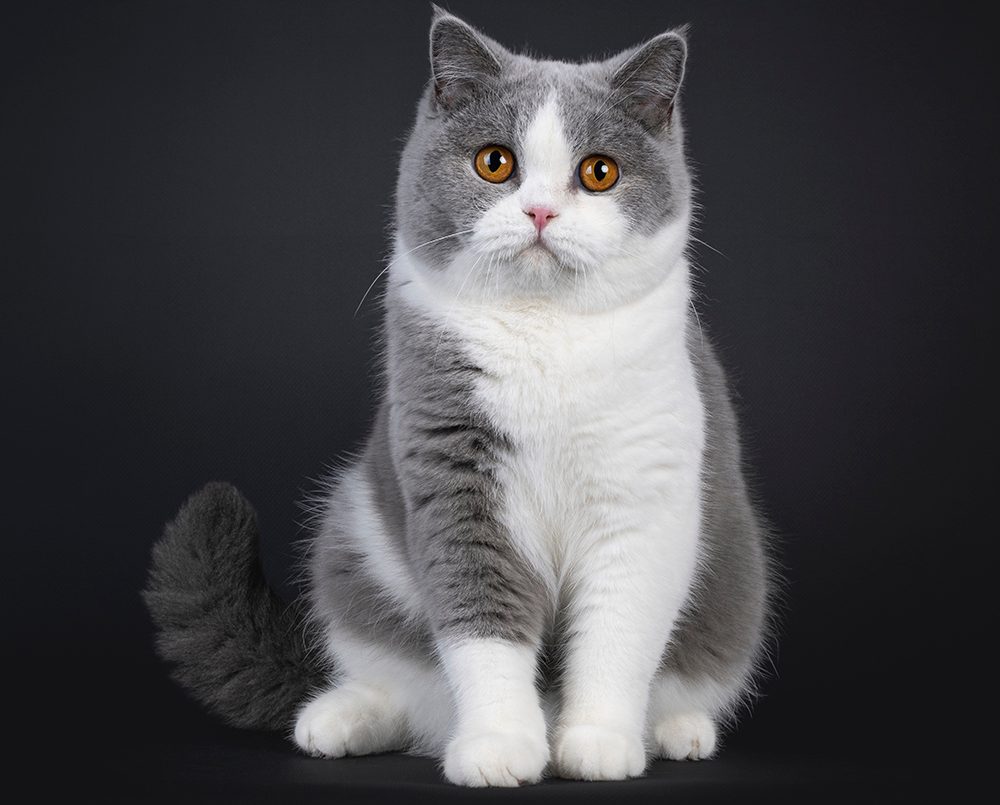
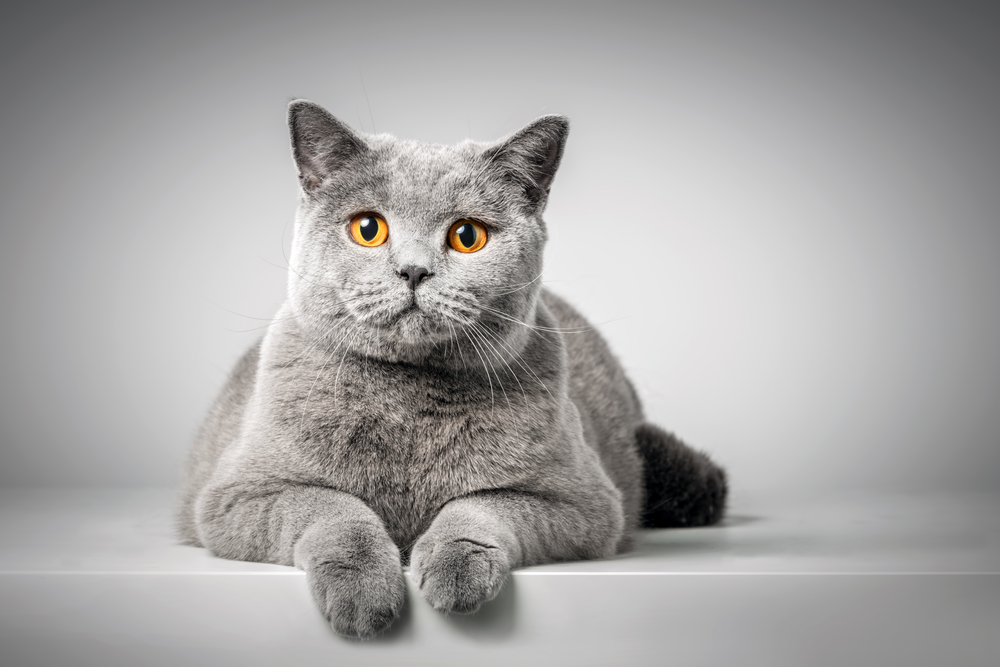
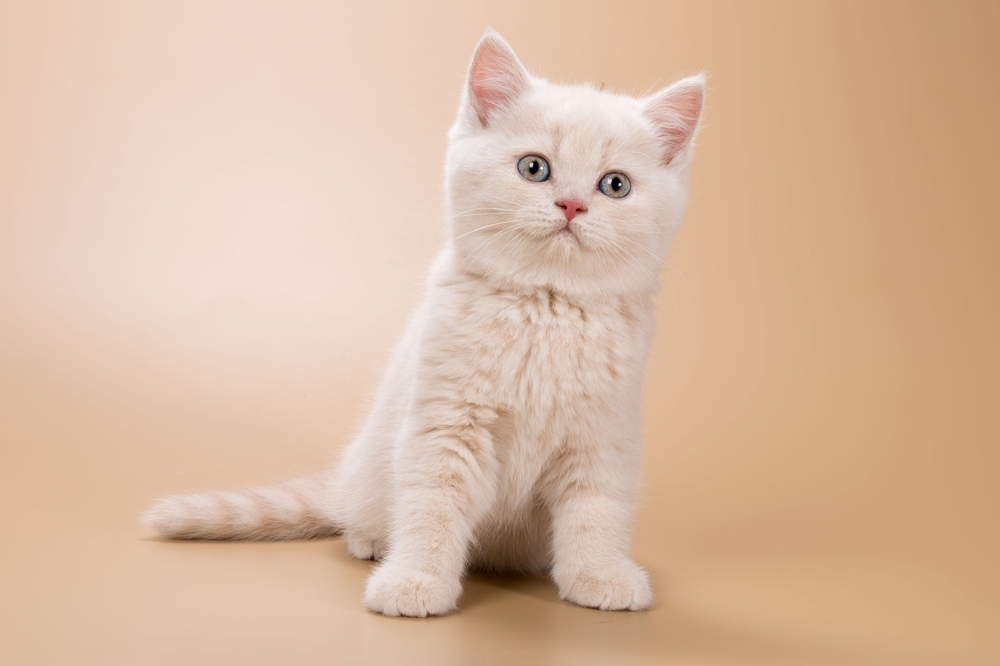
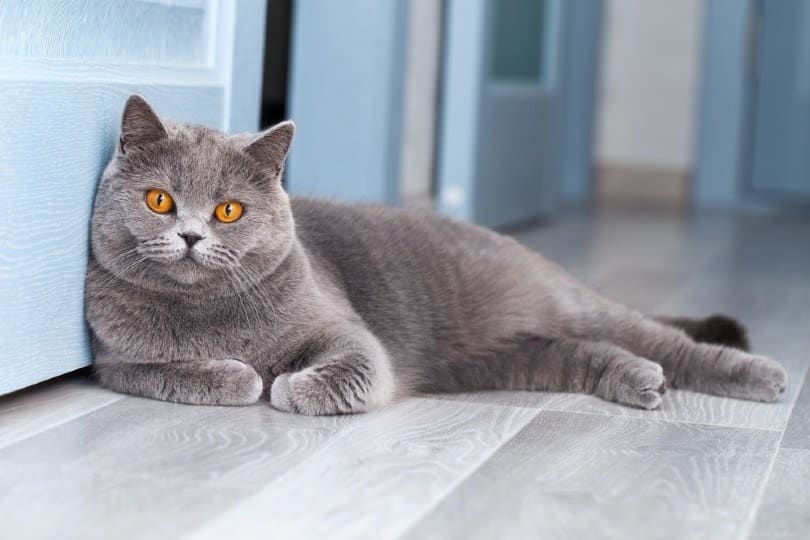
The British Shorthair is a sturdy cat with a strong, compact build. They have a dense but short coat. Some people may mistake them for Domestic Shorthair cats, but British Shorthairs are pedigreed cats with a well-established breed standard. They are generally healthy cats, loved for their loyalty and relaxed nature.
It’s important to understand the expected growth rate and adult size of a British Shorthair before bringing one home so you can effectively track your cat’s growth and development. Let’s check the details below.

Facts About British Shorthairs
- British Shorthair cats are the number one most popular cat in the entire United Kingdom. They’ve held this status for over 20 years, starting in 2001.
- The British Shorthair is considered to likely be the oldest cat breed in England. Their ancestry goes all the way back to the cats that lived in ancient Rome.
- Before the British Shorthair breed was established, the stray cats that lived in the UK were essentially British Shorthairs. As people began to take these cats in, they were highly prized for their hunting abilities. They made excellent ratters and mousers, helping people to protect their food and investments. It wasn’t until then that these cats were accepted as a breed.
- This breed is considered relatively healthy for a purebred cat, with few breed-specific diseases known within the British Shorthair breed.
- Although the most popular pedigree cat in the UK, they are still considered a minority breed within the breeds registered with the Cat Fanciers’ Association.

British Shorthair Growth & Weight Chart
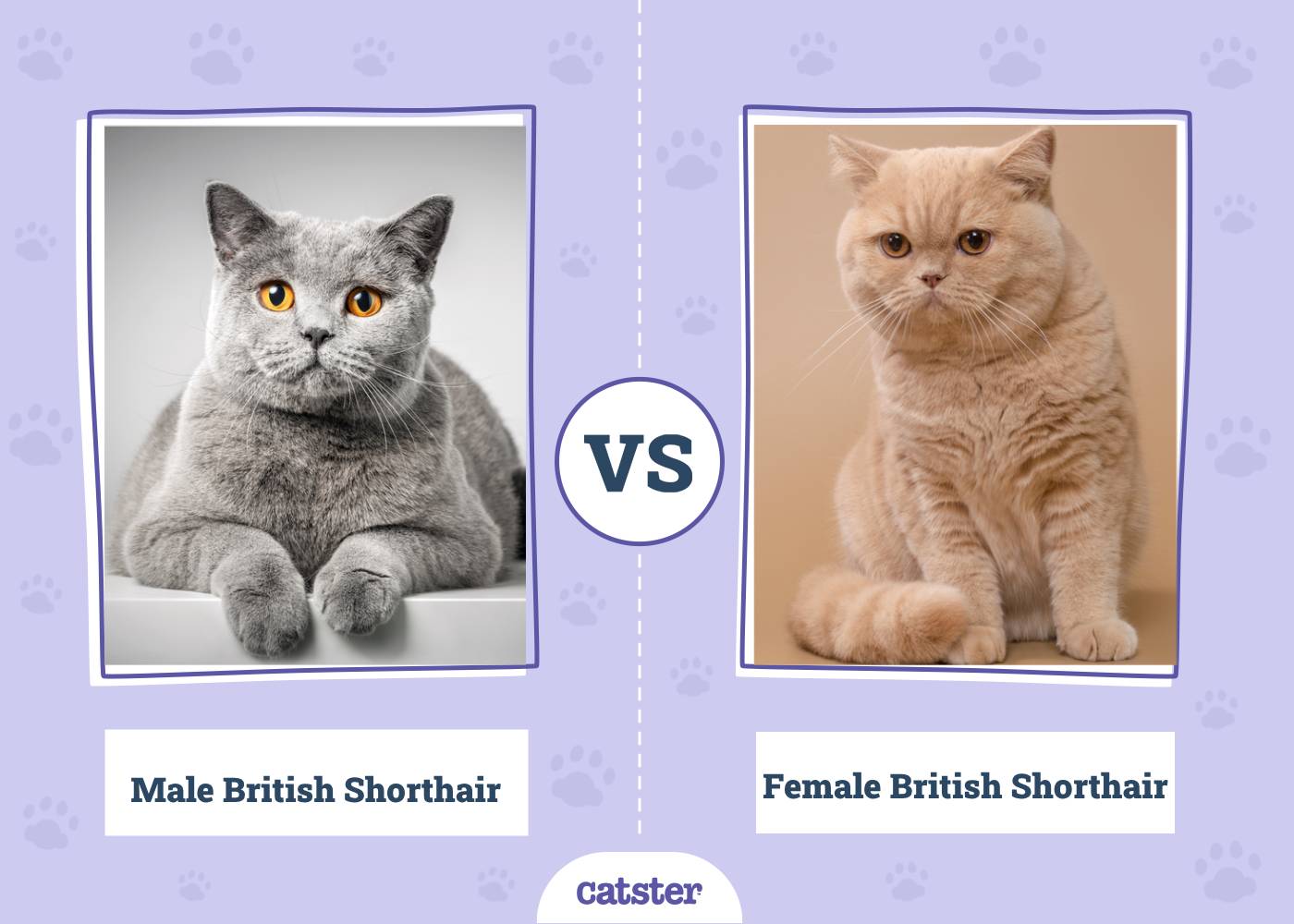
British Shorthairs are medium to large-sized cats, with most reaching 22–25 inches (55 - 64 cm) in length. Males tend to be considerably larger than females, with the largest females coming in at about 5 pounds (2.2 kg) less than the largest males.
There are some British Shorthair cats that can be above 17 pounds and be a healthy weight, but it’s uncommon so these cats are typically out of the breed standard.
| Age | Weight Range (Males) | Weight Range (Females) |
| 3 months | 4–6 pounds | 3–4 pounds |
| 4 months | 6–9 pounds | 4–6 pounds |
| 6 months | 8–12 pounds | 6–7 pounds |
| 10 months | 9–13 pounds | 7–8 pounds |
| 12 months | 10–15 pounds | 8–9 pounds |
| 18 months | 11–16 pounds | 8–10 pounds |
| 24 months | 11–17 pounds | 8–11 pounds |
| 36 months | 11 - 17+ pounds | 8-11+ pounds |
When Do British Shorthairs Stop Growing?
This breed typically grows up until around 3 years of age, with some taking as long as 5 years. They may reach their full adult height and weight before 3 years, though. The majority of their growth happens within the first 40-50 weeks of life (which is approximately 10-12 months).
In general, reputable breeders don’t start breeding British Shorthairs until they are at least 3 years of age and proven through showings as exceptional representations of the breed.

Factors Affecting the Size of British Shorthairs
Multiple factors will impact the final adult size of a British Shorthair cat. Genetics plays a major role, but nutrition and exercise can also impact the size of a cat. This breed’s size is heavily dependent on their sex, males are considerably larger than females and even the healthiest female will likely not attain the size of her male counterparts.
Spaying and neutering do seem to have a very small impact on an animal’s weight - however, this is mostly of concern for livestock and not pet animals. Most pedigree animals require to be desexed before they are adopted; in some cases, their documentation is withheld until they undergo the procedure.
Ideal Diet for Maintaining a Healthy Weight
There isn’t one specific food that is necessary for maintaining a healthy weight for a cat, and your cat’s nutritional requirements will depend on several factors, which include their reproductive status, age, activity levels, current weight, and any underlying health issues they may have. It’s best to follow veterinarian’s guidance to come up with a meal plan that works for your pet.
It's generally advised to feed your cat a nutritionally complete diet suitable for an obligate carnivore (which cats are). These are foods that are high in animal protein and animal fats. Cats require some nutrients which are only found in animal meat, and cannot be sustained long-term on dog food or food intended for other species. All cats (including British Shorthairs) are not compatible with a vegan or vegetarian diet.
Since it can be daunting to choose the correct food for your cat, especially when you are first-time cat owner, we recommend you to reach out to a veterinarian for an advice.
How to Measure Your British Shorthair
The best way to get an accurate weight on your cat is to weigh them on a scale that is made for small things, like a baby scale. Another method is by weighing yourself, then picking up your cat and weighing yourself (while holding your cat), and calculating the difference between the two measurements. Your veterinarian will keep a record of your cat’s weight as well; this can be recorded in their patient card or vaccination record for your own reference.
Conclusion
British Shorthairs are medium to large cats with stocky bodies. As an adult, a British Shorthair can be between 8–17 pounds (with males being considerably larger than females). It is unusual for a British Shorthair over 17 pounds to be at a healthy body weight. These cats can be up to 25 inches in length when they are full grown between 3–5 years of age.
Sources
Featured Image Credit: Nynke van Holten, Shutterstock

Expert cat care, straight to your inbox
Vet-reviewed advice, behavior tips, and the best of Catster. Free, and you can unsubscribe anytime.
By signing up, you agree to our Terms & Conditions and Privacy & Cookies Policy.
Brooke Billingsley, a former veterinary assistant for nine years, became a nurse in 2013. She lives in Arkansas with her boyfriend of five years, surrounded by her beloved pets: three dogs, two cats, five fish, and two snails. Brooke has a soft spot for special needs animals, caring for a three-legged senior dog and a widely known cat with acromegaly and cerebellar hypoplasia. She has developed a keen interest in fish keeping and is always learning how to provide the best environment for her aquatic pets. In addition to her passion for animals, Brooke enjoys gardening and maintains a vegetable garden during the summer. She stays active with yoga and received her 200-hour yoga teacher certification in 2020. Brooke also hosts a podcast that delves into folklore and myth, dedicating her spare time to research and writing. She embraces the philosophy that every day is an opportunity for learning and growth, continually working to acquire new skills and knowledge.
Join the conversation
Ask a question, share your story, or send private feedback.