How to Get Your Kitten to Stop Biting: 6 Useful Tips


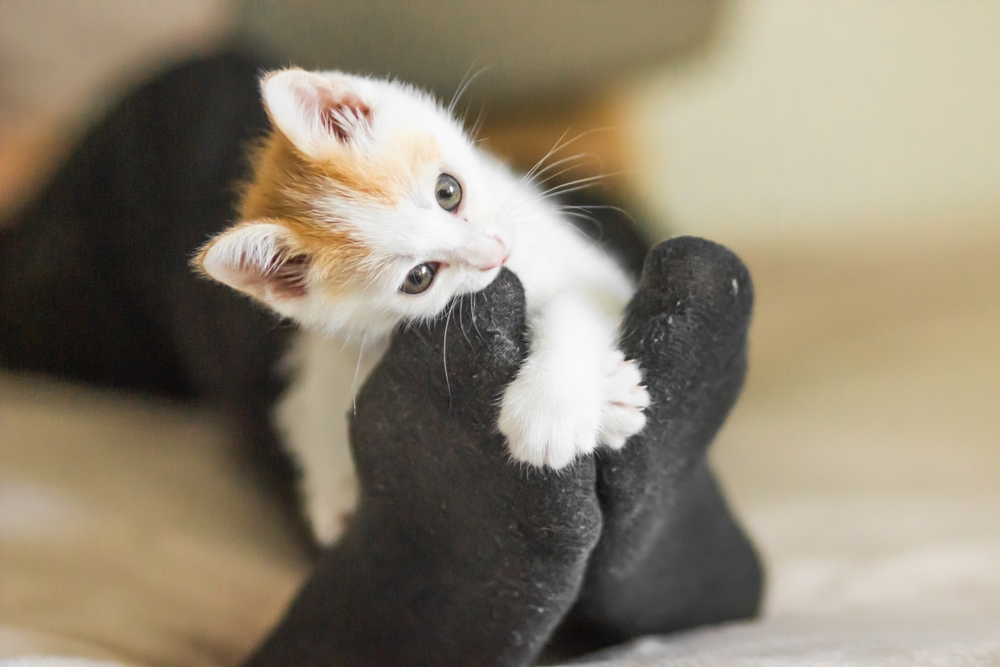
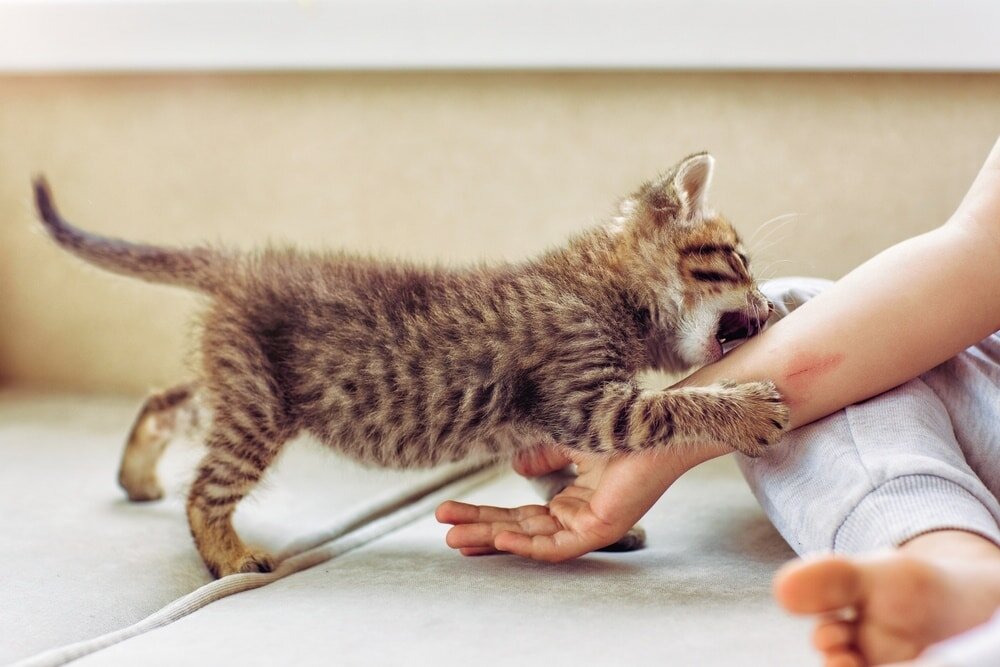
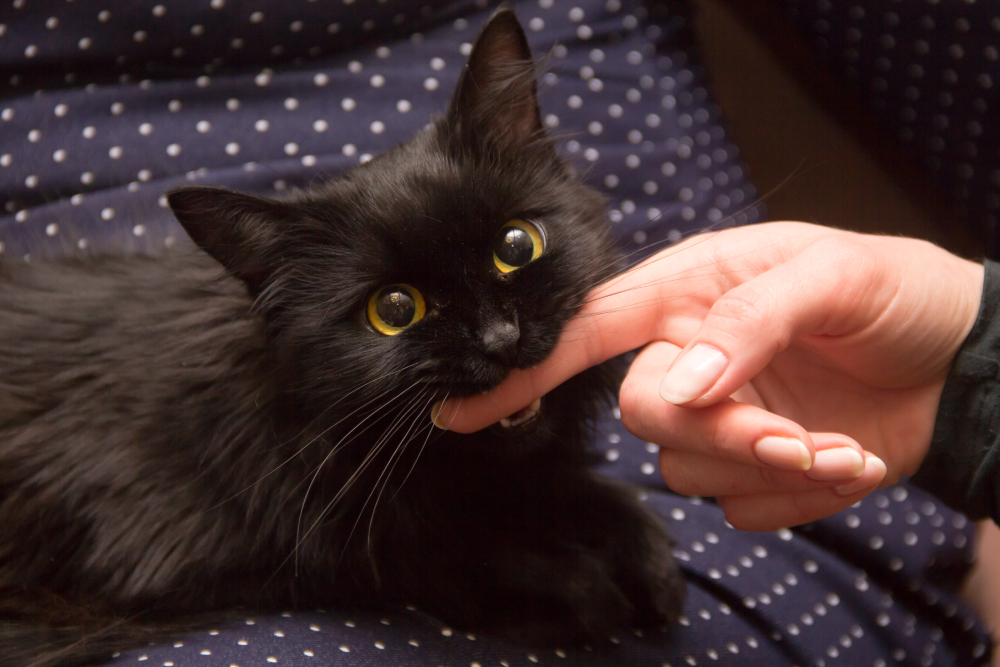
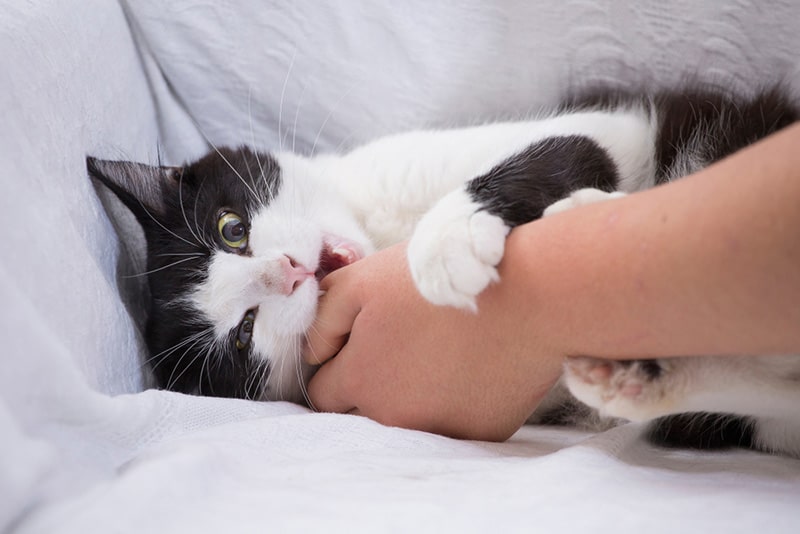
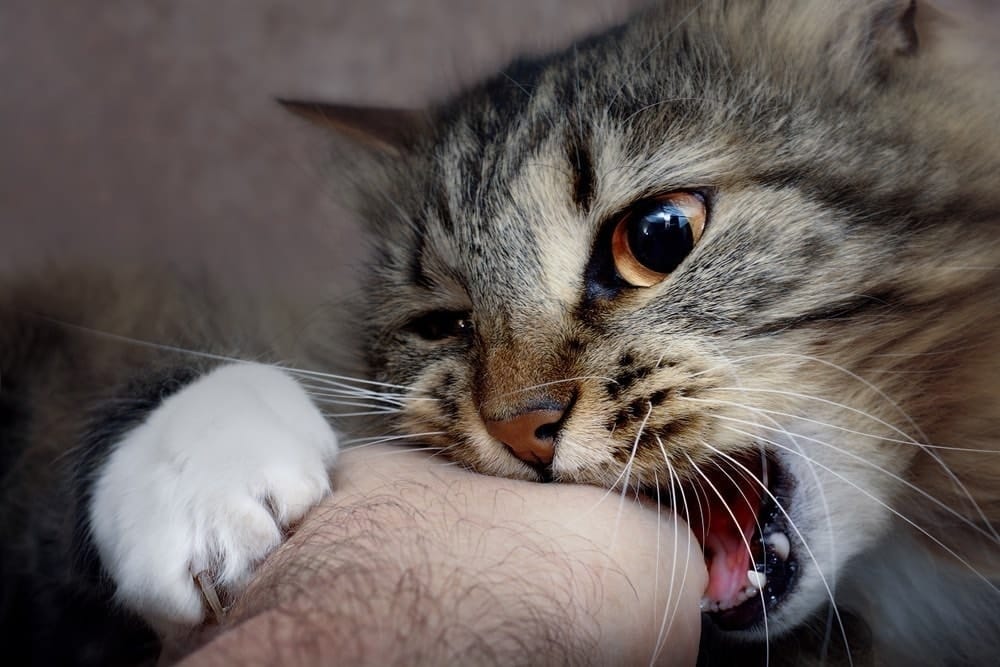
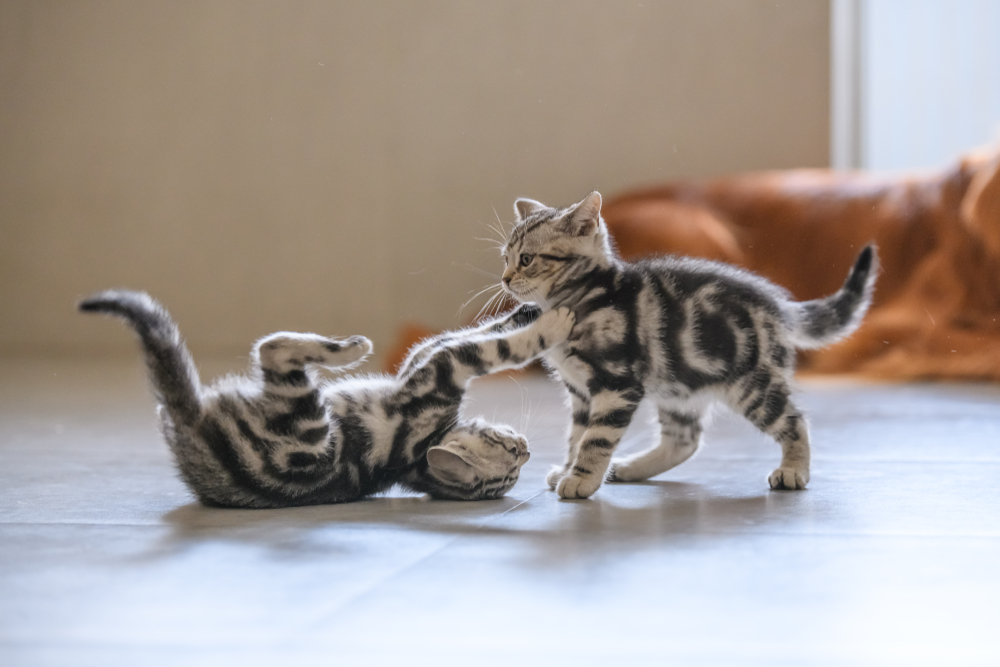
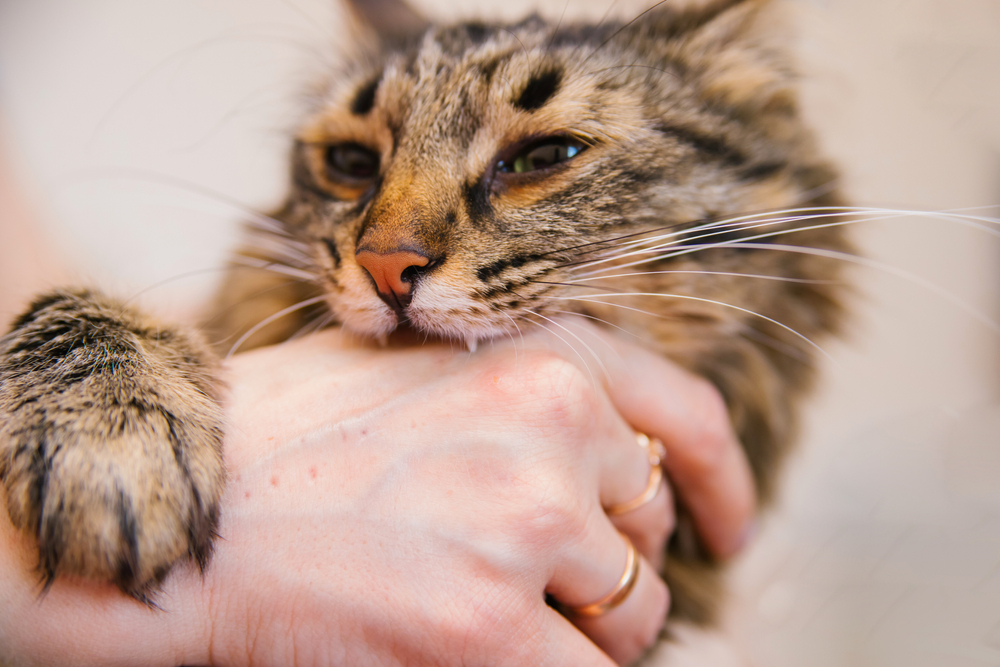
Getting a new kitten in your life is always exciting. You can't wait to cuddle and play with your new family member. Especially when they are young, cats are cheerful and playful animals, but sometimes they can get a little carried away, meaning they can scratch and bite their owners. This is normal behavior that they would display with their littermates during play and social interactions.
If you have this type of problem, don't worry—this is solvable, and here we will tell you how.

The 6 Tips to Get Your Kitten to Stop Biting
1. Redirect Their Attention
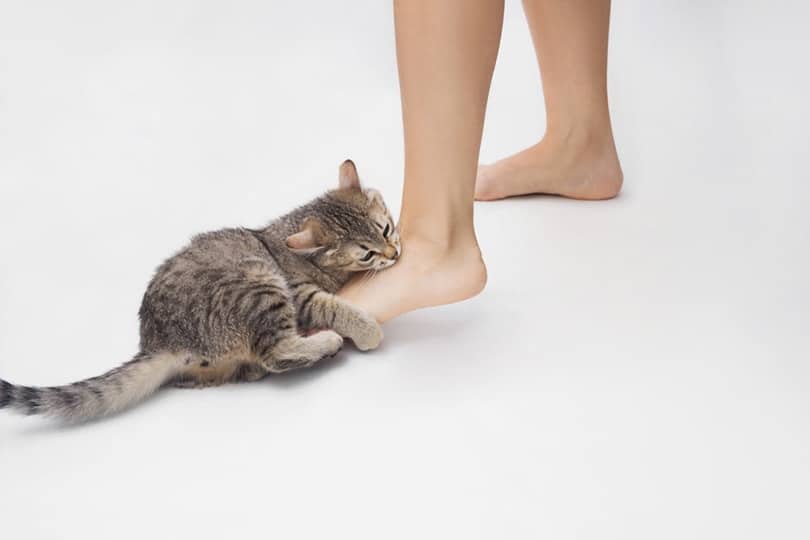
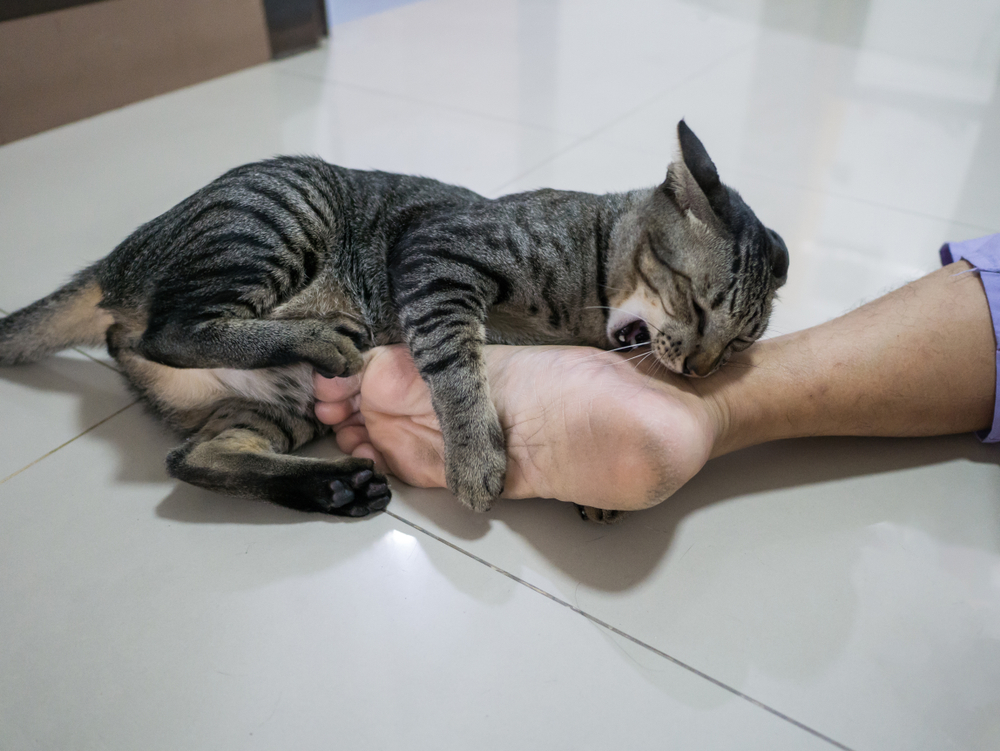
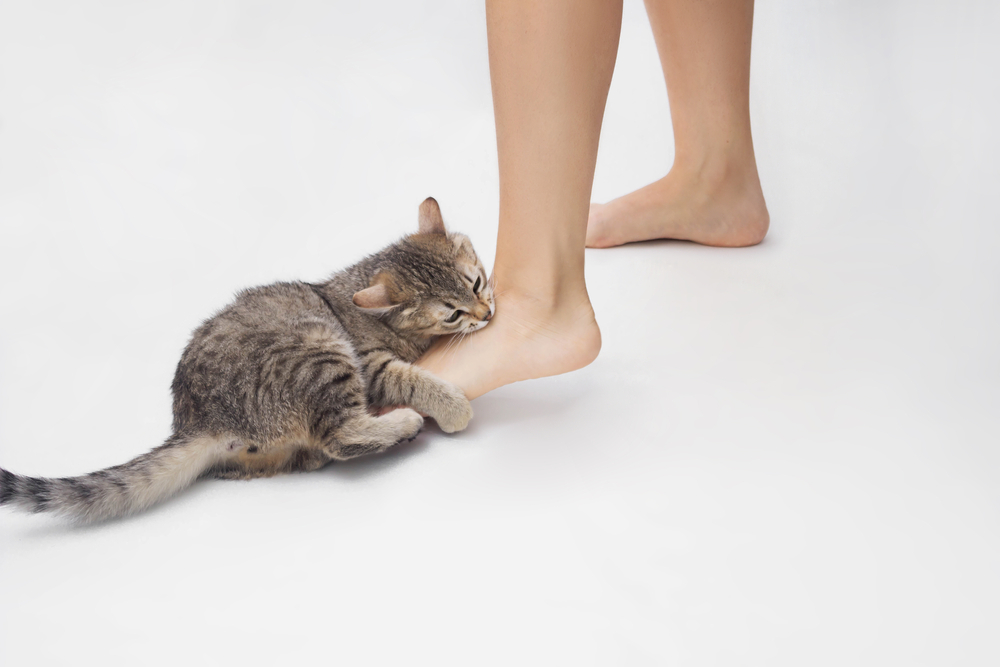
You want to teach your cat that only toys are for attacking. When playing, they can easily get carried away and start to attack not just toys but also your hands and feet. When they are young, they have even sharper teeth, so their bite can often hurt more than the bite of an adult cat. Our tip would be to wait for them to attack any part of your body, try to redirect them to a toy, and stop playing with them for a few minutes.
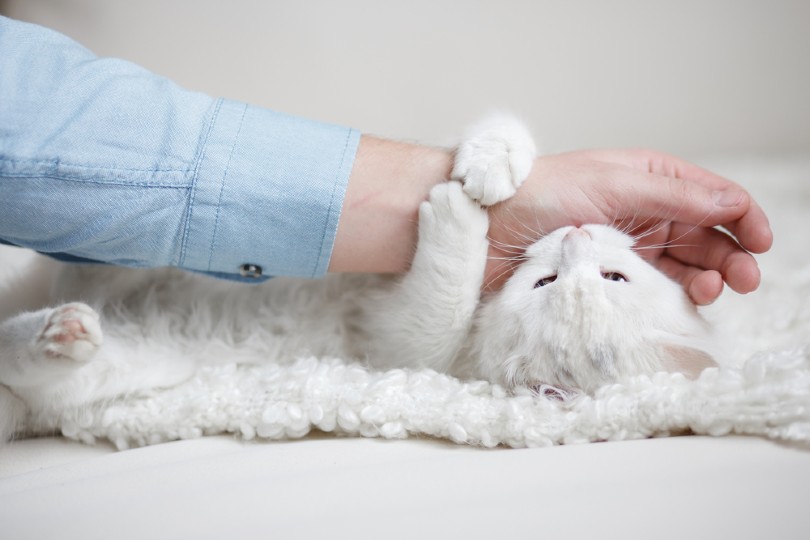
It would help if you never used your hands or feet to play with them because kittens pick up on things quickly, so it will be harder for them to learn not to bite and scratch you after doing so a few times.
2. Ignore Bad Behavior
A method that is also very successful in dealing with this issue is to ignore the behavior. Next time your kitten bites you, immediately stop playing with them. You should walk away and leave them to calm down. This will last for about 5–10 minutes, and you should repeat this every time they try to bite or scratch you. Over time, if you are consistent, your kitten will realize that every time they bite you, they are being ignored. When they realize this, they will hopefully stop biting you because, at this young age, kittens generally want frequent social interaction and engagement.

3. Respond Consistently
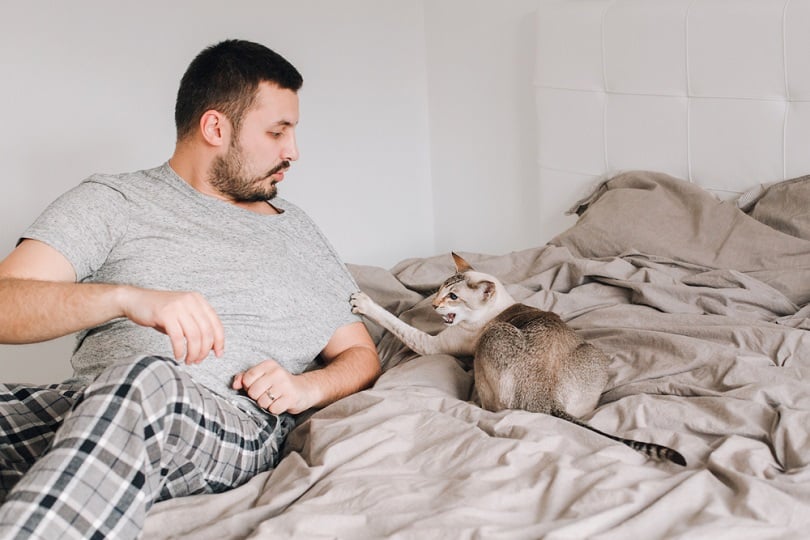
Voicing your frustration is also a great way to stop your kitten from biting. But we suggest you never shout at your kitten because it would only confuse them and worsen their behavior. You should raise your voice only slightly and say "no" or "stop" when they start biting you. In this way, they may begin to associate your tone and the interruption of play with behavior you do not want. Using a calm, consistent response combined with briefly stopping interaction is often more effective than verbal correction alone.
Kittens learn through consistent responses and consequences, so if you are not consistent, they may continue the behavior because it is still engaging or rewarding to them. But when a few minutes pass, and they've successfully calmed themselves down, you should start playing with them again and greet them with a gentle voice.
4. Play
Play is crucial for the mental and physical health of your kitten. This means that with the proper play sessions, your kitten may be less likely to direct playful biting and scratching toward people. When we say “proper” playing, we mean playing with specially designed toys. For example, you can introduce them to laser pointers or a variety of teaser toys, and believe us, they will be more than happy. If you use laser pointers, it is important to occasionally end the session by directing the kitten to a physical toy or treat they can catch to help prevent frustration.
Your mutual playtime should last about 20–30 minutes total daily, divided into several short sessions if needed; that way, you will bond with your kitten and make them feel relaxed and happy. Play is how they stay active and learn about things in their environment. So, it's vital that they don't view your hands and feet as play objects—every time they get a little bit aggressive, direct them to toys.
5. Create a Good Environment
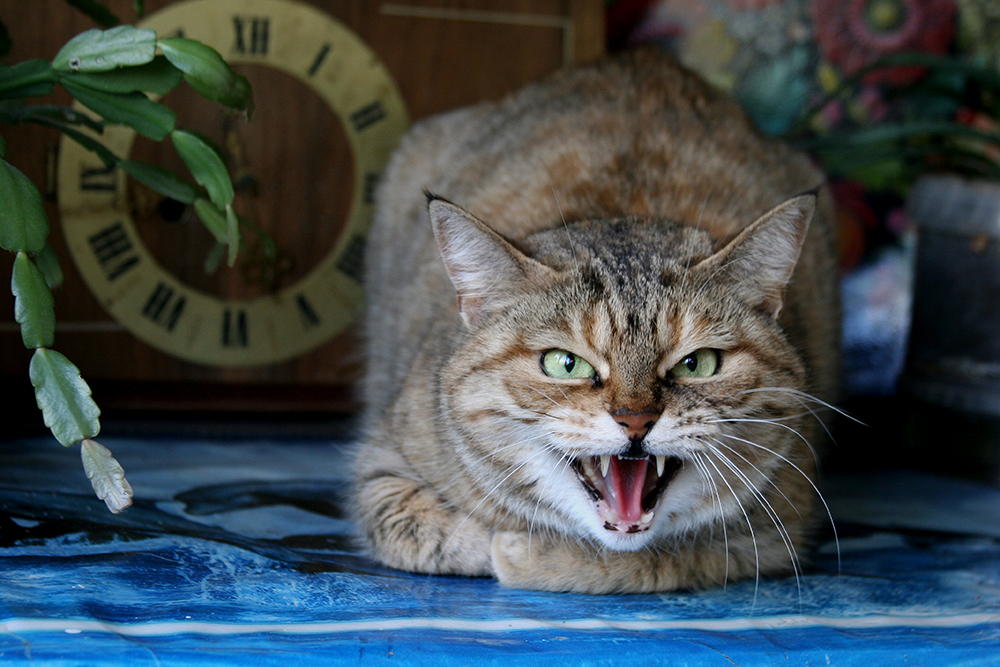
Play isn't always the reason why your kitten is biting you—it can also be related to stress, fear, overstimulation, or difficulty adjusting to a new environment. Many situations can make your kitten feel anxious, such as their sudden new home, or if you have other pets, they might feel frightened by their presence. So, you want to start slowly introducing your kitten to different parts of the house. You should keep them in one room, and when it's time, they will begin to explore the rest of the environment on their own.
A similar thing goes with other pets in the house. You don't know how they will react to each other, so start by introducing them to each other slowly and stay with them to watch their reaction. You would want to avoid extra noises in the house and ensure that your kitten has a lot of hiding spots where they would feel safe.
6. Check Their Health
Suppose this behavior continuously happens for an extended period. In that case, you should contact your local veterinarian because medical conditions or discomfort can sometimes contribute to irritability or aggressive behavior in kittens. If your veterinarian says your kitten is healthy, you know it is more likely to be behavioral or related to normal kitten play behavior. Pain can cause your cat to feel frightened by any touch, including yours. Aggression or irritability may sometimes be associated with:
- Orthopedic problems
- Neurological disorders
- Injuries
If you are concerned about the health and well-being of your pet, seek veterinary advice for the best course of action.
Conclusion
It's important to understand that kitten biting is normal behavior that they would also display during play, exploration, and social interactions with their littermates and as part of normal defensive behavior when frightened or overstimulated. But as this behavior can become unpleasant for you and your family, proper training and consistent redirection are vital. This behavior is a problem for many new kitten owners, but consistency is the key to solving the problem.
Sources
Featured Image Credit: Kseniia Titova, Shutterstock

Expert cat care, straight to your inbox
Vet-reviewed advice, behavior tips, and the best of Catster. Free, and you can unsubscribe anytime.
By signing up, you agree to our Terms & Conditions and Privacy & Cookies Policy.
Upon completing my degree from the College of Fine Arts, I embarked on a quest to find a platform to manifest my wild imagination. It was then that I discovered my passion for content writing, which swept me off my feet. As a freelance writer, I am always on the move, with an adventurous and restless spirit that propels me forward. When I am not typing away in my cozy writing nook, I spend my time honing my skills as a sculptor, painter, and woodworker in my workshop. Writing has become my primary medium of expression, and I plan to nurture this passion further, using it as a conduit for my never-ending creativity.
Join the conversation
Ask a question, share your story, or send private feedback.