Vets Warn About 10 Cat-to-Human Diseases (And How to Prevent Them)



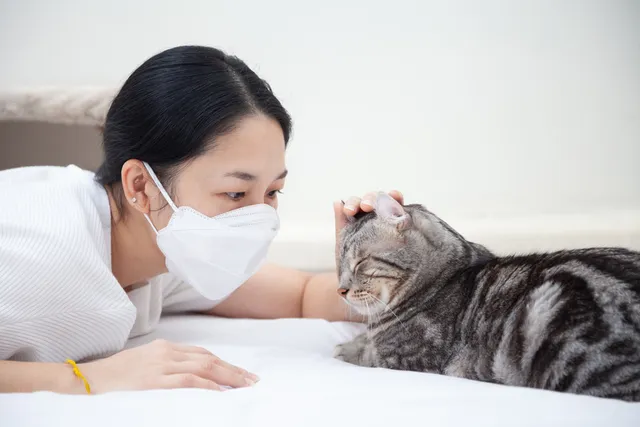
At Catster, we love cats more than anything. Snuggles, headbutts, even those 3 a.m. zoomies. But even the most devoted cat lovers can sometimes worry and wonder: “Can I actually get sick from my cat?”
The truth? While most cat owners never experience any problems, there are a handful of diseases people can catch from cats. The good news: with awareness, basic hygiene, and preventive care, these risks can be kept very low.
We asked our veterinary team to walk us through the 10 most important cat-to-human diseases and what every cat parent should know about preventing them.

10 Diseases Humans Can Catch From Cats

1. Rabies
Our vets say this is the most serious, but fortunately, the rarest. Rabies spreads through bites or scratches and is almost always fatal once symptoms appear. Vaccinating your cat (even indoor cats!) is the single best protection.
2. Cat Scratch Disease (Bartonella henselae)
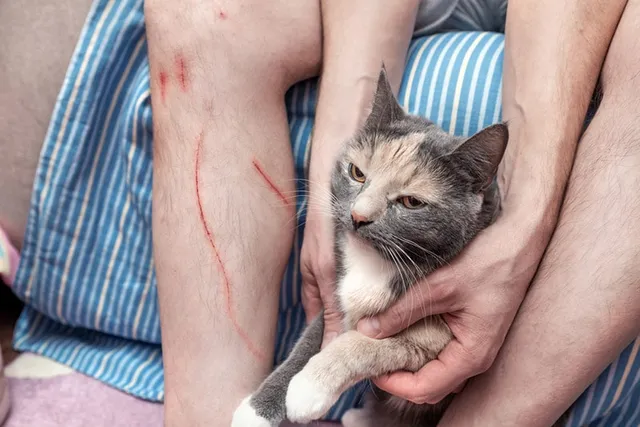
Ever been scratched by your cat while playing? Usually, it’s nothing, but if a scratch gets red, swollen, or painful, vets warn it could be cat scratch disease. Humans can develop fever and swollen lymph nodes. The fix: flea control for your cat (fleas spread it), and cleaning any wounds right away.
3. Ringworm
Despite the name, ringworm isn’t a worm at all, it’s a fungal infection. Our vets note it shows up as circular bald patches on cats and itchy rashes on people. It spreads by touch, so wash your hands after handling a pet with suspicious skin changes, and keep grooming tools clean.
4. Toxoplasmosis
This one gets the most attention because of the risks during human pregnancy. Cats shed the parasite in their feces, and if pregnant women are exposed, it can cause serious complications. Our vets recommend: don’t skip litter box duty hygiene. Wear gloves, wash hands, and (if possible) delegate litter duty during pregnancy.
5. Salmonella (and Other Foodborne Bacteria)
Cats can carry bacteria like Salmonella or Campylobacter, especially if they hunt or eat raw food. Humans pick it up via contaminated litter or surfaces. The vet-approved prevention? Stick to safe diets, wash hands often, and clean food and water bowls daily.

6. External Parasites (Fleas, Ticks & Mites)
No one wants fleas in their home. Beyond bites and itching, our vets caution that fleas and ticks can transmit diseases to humans. Year-round parasite prevention is the simplest way to protect everyone in the household.
7. Giardia
This microscopic parasite lives in the intestines and can cause diarrhea in both cats and people. It’s spread through contaminated water or feces. Prevention: keep litter boxes clean, and don’t let your cat drink from questionable outdoor water sources.
8. Cryptosporidium
Similar to Giardia, this protozoan can cause digestive upset. Our vets note it’s usually mild in healthy people but can be serious for anyone with a weakened immune system. Good litter hygiene is the best defense.
9. Q Fever (Coxiella burnetii)
Rare but worth knowing: cats can shed this bacteria during birthing. Humans exposed may develop flu-like illness. Unless you’re helping deliver kittens, the risk is very low, but it’s one more reason spaying cats matters.
10. Tularemia
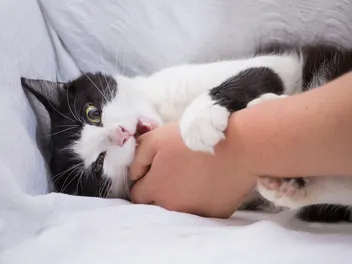
This uncommon bacterial disease can be spread through ticks or, rarely, direct cat bites. Our vets say it’s rare in cats, but another reminder to treat all cat bites seriously and seek medical care if swelling or fever develops.

How to Keep Yourself Safe (and Your Cat Healthy)

Our vets stress that cats are overwhelmingly safe companions, and the risk of getting sick is very low. Most problems can be prevented easily by:
- Keeping your cat up to date on vaccines and parasite prevention
- Washing your hands after cleaning litter boxes or handling raw food
- Treating scratches and bites right away
- Practicing extra caution if you’re pregnant or immunocompromised

Final Thoughts
Cats enrich our lives in countless ways. Yes, there are a few diseases they can pass to humans, but with awareness and basic precautions, you can keep both yourself and your cat safe and healthy.
Did You Know?
- Our brand-new posts are rounded up and included in our weekly emails. Don't miss out on the latest - sign up for our newsletter below!
Feature Image Credit: Hananeko_Studio, Shutterstock
Expert cat care, straight to your inbox
News, insights, and useful advice, delivered to you.

No spam — unsubscribe anytime.
By signing up, you agree to our Terms & Conditions and Privacy & Cookies Policy.
How useful was this post?
Click a star to rate. You can leave written feedback afterwards. (We read all feedback.)
Nicole is a lover of all animals, especially of the feline variety. She's mom to four, three fur babies and a human baby. She and her husband, John, live on a large forest property down in New Zealand.
Their beautiful Burmese cat Baby (who is now 17 years old) was their first child, though he is now called Baby Cat since their human baby joined the party in 2022. The dogs Rosa and Mac also love cats, but the whole family agrees that King Baby Cat is enough cat for this household.
Nicole is the Director of Content Management at Catster and Pangolia. With a Bachelor's degree in Education and years of online experience, she shares her pet knowledge and the knowledge of other professionals with the world, aiming to improve pets and pet parents' lives.