When Do Kittens Calm Down and Begin to Mature? Vet-Reviewed FAQ & Tips


In this article
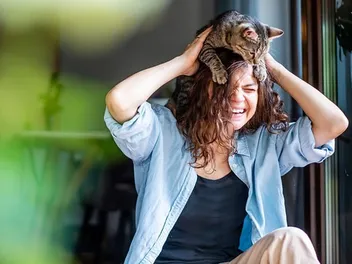
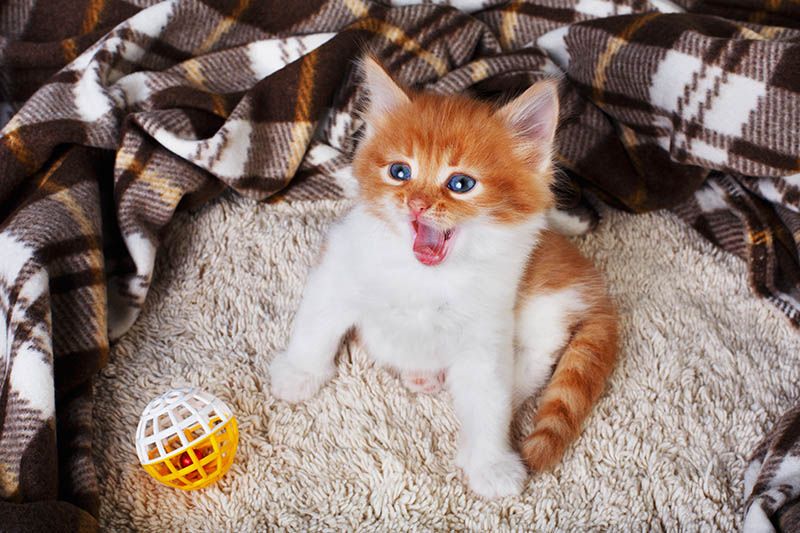
Kittens can be downright crazy, and any cat lover knows it is true, regardless of how cute their little faces are. It seems like every time you turn around, they are hanging from your drapes or scratching on your furniture. And their pupils? Black from being overly charged.
So, when exactly do they slow down? The answer can vary from cat to cat, but there are generalizations you can count on. Let's take a deeper look at when your hyper little whippersnapper will stop shredding your forearms with raging fury.

How Long Does Kittenhood Last?
Your feline remains a kitten for quite a while, finally maturing at a ripe 12-18 months of age. However, that doesn't necessarily mean that your cat will make an immediate transition at this time.
Growth and behavioral maturity are two different things. This means that your cat might not be fully grown yet, but they are pretty relaxed. Or, on the flip side, you might have a very high-energy cat that doesn't slow down for several years.
But generally, kittens begin to lose their high energy levels by around 1 year of age. So, age can only indicate so much to us; other factors play into it as well.

What to Expect from Your Kitten
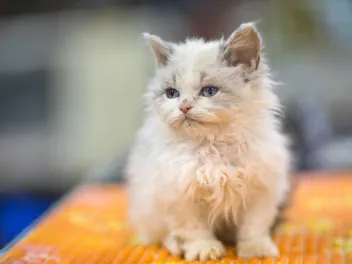
For the first 2 months of your kitten's life, they are very playful, but they don't have the muscle coordination to go completely psycho yet. You might see them awkwardly pouncing, but they aren't in stealthy attack mode.
By 3 months of age, their motor skills and coordination are rapidly improving, and all of their senses are functionally developed by about 5 weeks of age, so they can explore the world. They will start to play with their siblings, mother, and even you. They also begin actively chasing toys and miscellaneous objects to practice their hunting skills early.
By this time, it will seem like they've suddenly developed an endless bounty of energy. You can barely get them to slow down. So, a lot of destruction can take place during this time.
If you are concerned or have questions about your growing kitten's health, you can also speak to a vet from the comfort of your own home.
Activity Levels Fluctuate Differently for Each Cat
Just like human children, cats mature at different rates. You might have a lazy orange tabby cat that slows its roll by 6 months, or you might have a lean, energetic kitten that won't mentally mature until they are almost 2-3 years old.
Also, some breeds are much more prone to hyperactivity than others.
Coat Color & Personality
There has been much debate on coat colors and whether or not they affect personality. Every cat will have a very distinct character, but some owners swear that coat color determines significant personality traits.
While this isn't necessarily scientific, a general consensus among cat owners suggests that calico kitties have a lot of attitude—but tortoiseshells are at the top of the list. At the same time, orange tabby cats tend to be perceived as more easygoing and friendlier than others. Also, black cats can be more tolerant of other cats and indoor living.
These are just owner impressions, of course. Every cat will differ. There is an individual temperament about them, even as kittens, that can indicate later behavior, so trust your gut.

Channeling Your Kitten’s Energy
To get past these temporary stages, you can use different methods to channel your kitten's energy appropriately. If you're reading this, it's likely because you have a little terror on your hands, and you're just wondering when it's going to be over.
Even though it might seem like you're amid a never-ending cycle of destruction, this too shall pass. Here are a few things you can do in the meantime to smooth out the process.
1. Wear Your Kitten Out
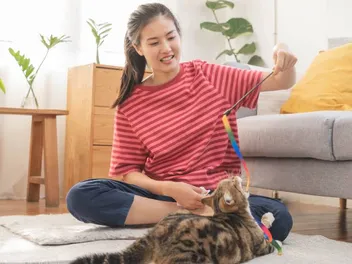
Even though your cat is running around to play, you can tire them out in a jiffy. Get some of their favorite toys and get on their level. It's time to romp around. The more you participate in your kitten shenanigans, the quicker they will tuck her out for nap time.
Be careful to protect yourself against biting and clawing. When you can, make sure there is a protective barrier in place to prevent skin damage. Plus, you won't want your cat to make a habit out of shredding your arms for fun.
2. Get Your Kitten a Friend
Sometimes actually having two kittens is better than having one. They can entertain each other with hours of endless play, taking much focus off of your wall trim and more on each other. Kittens at this age love having a friend who wants to play as much as they do.
Even having an older house cat doesn't suffice. As cats age, their desire to play the way that a kitten does decreases tremendously. So, let this be an excuse to argue for buying or adopting two kittens if your wife or husband says no.

3. Use Food in Your Favor
You might not know a cat that isn't food-motivated. You can use this in your favor by offering them treats in place of attacks. Try to keep their focus, so they can quench their mental thirst.
You can buy toys to fill with treats or work with them on performing tricks in exchange for goodies. Get creative with it, but also make sure to keep it light. If your cat gets used to excessively eating snacks, it can lead to picky appetites or obesity down the line.
4. Spay or Neuter Your Kitten
Before your kitten is fully mature, there are other ways to be proactive and tame the beast. If you get your kitten spayed or neutered by roughly 4-5 months of age, they can calm down pretty quickly as reproductive hormone levels decrease.
When your cat is fixed, it eliminates the need to seek out a mate. Since cats sexually mature as early as 4 months of age, this is a perfect measure to put in place. Getting animals fixed reduces the risks of spraying, catcalling, and aggression, too.
That isn't the case in every scenario, of course. Some cats take longer to mature than others, regardless of whether or not they are spayed or neutered. However, once their hormones level out, they tend to relax a little bit at home. The sooner you can get them fixed, the more likely they are to avoid hormonally driven behaviors.

Conclusion
So, just hang in there if you feel like you are losing your mind. We know how hard it is to get through the angsty teenage years. If you implement some patience and work with them regularly, it can curb some of their energy.
You might need some Tylenol and a suit of armor to get you to the other side, and some furniture might be harmed, but soon, that kitty will lounge around your window sills instead.
Related Reads:
How Long Should Kittens Stay with Their Mother? Facts & Development
How to Calm a Crazy Cat: Vet-Approved Tips & Causes of Extra Energy
Featured Image Credit: Prostock-studio, Shutterstock
Expert cat care, straight to your inbox
News, insights, and useful advice, delivered to you.

No spam — unsubscribe anytime.
By signing up, you agree to our Terms & Conditions and Privacy & Cookies Policy.
How useful was this post?
Click a star to rate. You can leave written feedback afterwards. (We read all feedback.)
Christian started writing for a local newspaper as a teenager, and he's been involved in the publishing industry for most of his adult life. Combining his love of writing with a passion for animals, he is currently the Director of Editorial at Pangolia and the Editor-in-Chief at Catster.
Christian lives in the Philippines with his wife, son, and four rescue cats: Trixie, Chloe, Sparky, and Chopper.