Will My Cat Calm Down After I Neuter Him? Vet Reviewed Behavioral Changes


In this article
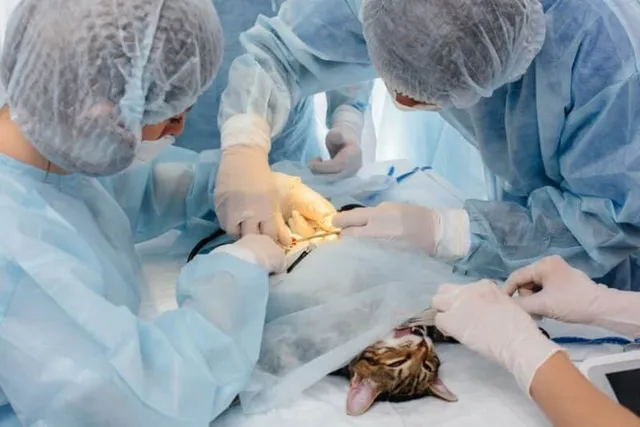
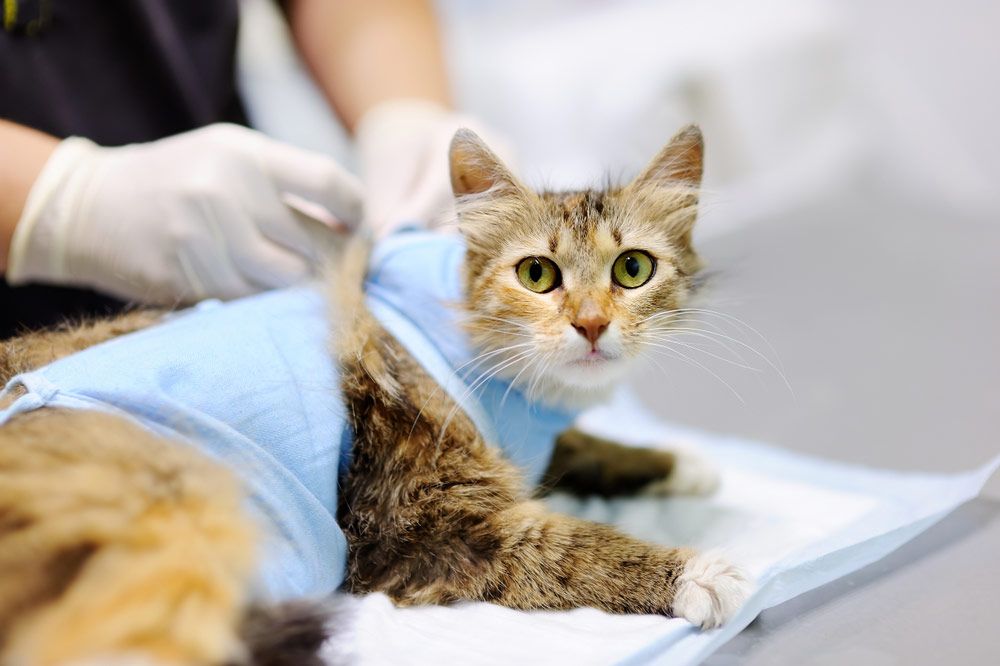
Spaying and neutering are two common surgeries for cats, especially when they are still young kittens. Many new pet parents have questions about the procedures, though. For example, some wonder if male cats calm down after being neutered. It's true that males can exhibit distinct mating behaviors that make them difficult to live with. But is neutering the best option? Let’s look at the behavioral changes that you can expect after neutering your cat.

The Link Between Neutering and Behavior
According to VCA Hospitals, the only cat behaviors affected by neutering are the ones caused by male hormones.1 This includes territorial marking, yowling, roaming to find a mate, and aggression toward other cats in their territory. However, it may not calm aggression toward humans because that behavior typically isn’t motivated by hormones. Neutering is less likely to affect their personality, temperament, and training.

Most Notable Behavior Changes
Aggression
Unneutered male cats are typically aggressive. It’s one reason that “tomcats” have a reputation for being some of the meanest strays on the street. Even pet cats can be just as aggressive if they aren’t neutered because some of their aggression could be motivated by their hormones. If aggressive behavior continues several months after the procedure, you may need to invest in calming pheromone products or behavior modification training.
Roaming
Male cats that spend a lot of time outdoors are more likely to roam farther from home than those that have been neutered. Cats that stray too far are more susceptible to common injuries, and when they are too far away, you may not even be aware that they’ve been hurt and need help. Injuries could be caused by vehicles or other animals, especially if they accidentally encounter another tomcat in their territory. Some cats that roam into unfamiliar territory can get lost and cannot find their way back home.

Sexual Activity
Intact males, or those that have not been neutered, will have a high sex drive. This means that they always seek a female in heat to mate with. Outdoor male cats can mate continuously with any females they find within their territory. This may lead to unplanned litters for any owned female cats and a growing population of stray cats. Indoor unneutered male cats will likely get agitated if they cannot get out and roam for a female.
Spraying/Territorial Marking
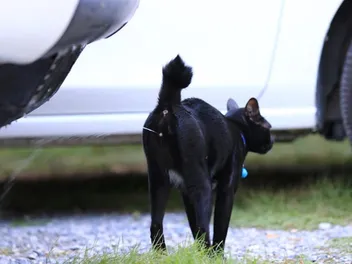
A behavior that many pet owners complain about the most is territorial spraying. Unneutered male cats’ urine has a powerful odor because it signals to other males that they’ve entered someone’s established territory. The area around your home will likely start to smell like cat urine, including the sides of the house, shrubbery, fencing, and even vehicle tires. A tomcat left indoors will probably still spray, leaving a distinct odor throughout the house.
Neutering may prevent this behavior completely if done before they reach sexual maturity. If performed later, after the urine marking behavior has already started, it could still stop it altogether or at least reduce it significantly.

Vocalization
One way in which a male cat attracts a mate is by yowling. A female cat in heat that is seeking out a male cat is likely to hear their mating call. The constant wailing, especially at night, can be incredibly bothersome but is expected to stop after having your male cat neutered. Your male kitten may not even start this behavior if neutering occurs when he is still a young kitten.
Affection
If a kitten is adopted as a pet, you want them to be affectionate. Unneutered males are less likely to lie with you or allow you to pet them. If your male cat is meant to be a family pet, it is highly recommended that they be neutered so they are more likely to be affectionate, cuddly, and friendly toward everyone in the home, even visitors.
Physical Changes After Neutering

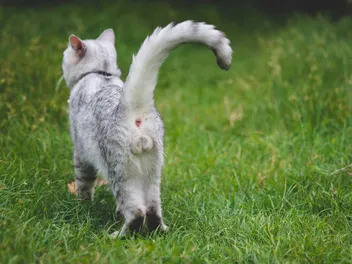
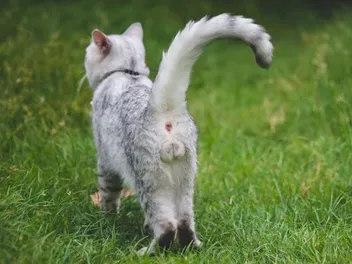
Neutering will cause physical changes. The most noticeable and immediate physical difference is that their testicles will no longer be visible. Since they will no longer require as much energy to invest in reproductive potential and no longer roam around in search of a mate, they may also gain weight.
If you have any concerns or curiosities about your cat or their health, we recommend you contact a vet directly.
Other Benefits of Neutering Your Cat
Improved Health
Studies have shown that neutering your cat may help prevent certain cancers and prostate problems. Just as in humans, male cats are susceptible to these health issues.
Also, since your cat is less likely to instigate a fight with another male cat outdoors, it reduces the risk of them becoming seriously injured.
Population Control
While female cats need to be “in heat” to get pregnant, a male cat can breed any time as long as he finds a ready mate. This means that an intact male can contribute to several litters in his time. Having an outdoor cat neutered can significantly affect the cat population. You may not realize that your pet has fathered a litter of strays or that a neighbor has an unwanted litter because of him. It’s best to get him neutered if you aren’t planning on breeding him responsibly.
Hunting Behavior
Cats love to hunt, and neutering your cat won’t affect their hunting instincts. They will still enjoy tackling a small mammal or going after a bird from time to time. You should not worry that your cat will stop being a cat by having him neutered.

Summary
Neutering your male cat is a common and relatively safe procedure that can improve his overall health, reduce annoying mating behaviors, and even contribute to local population control. A vet, the local shelter, or the Humane Society are all great resources if you have additional questions or are ready to schedule the procedure.
See Also:
Featured Image Credit: Maria Sbytova, Shutterstock
Expert cat care, straight to your inbox
News, insights, and useful advice, delivered to you.

No spam — unsubscribe anytime.
By signing up, you agree to our Terms & Conditions and Privacy & Cookies Policy.
How useful was this post?
Click a star to rate. You can leave written feedback afterwards. (We read all feedback.)
Christian started writing for a local newspaper as a teenager, and he's been involved in the publishing industry for most of his adult life. Combining his love of writing with a passion for animals, he is currently the Director of Editorial at Pangolia and the Editor-in-Chief at Catster.
Christian lives in the Philippines with his wife, son, and four rescue cats: Trixie, Chloe, Sparky, and Chopper.