16 Fruits & Vegetables That Cats Can Eat: Vet-Reviewed Facts & Tips


In this article
Cats are obligate carnivores by nature, so as long as their diets are well-balanced, like they would be in the wild, they don’t require any fruits or vegetables to stay happy and healthy. Still, there are fruits and veggies that most kitties can safely eat now and then in strict moderation as long as they don’t suffer from any underlying health issues. However, that doesn’t mean they need them in their diet or gain any significant benefits from them.
If your cat is suffering from diabetes, gastrointestinal issues, or pancreatitis, consult with your vet before offering them anything besides their regular diet. So keep reading below to find out what fruits and vegetables healthy cats can eat as occasional treats.

Fruits That Healthy Cats Can Eat in Moderation
Here are some safe fruits healthy cats can eat occasionally, as long as they are given a green light from their vet!
1. Bananas

Felines require potassium for good health; otherwise, they can develop health problems like lethargy, weight loss, muscle pain, and even muscle weakness. A cat’s diet should already provide all the potassium that they need for good health, and it’s unlikely that a small piece of banana now and then will impact potassium levels significantly. Bananas are also very high in sugar and should only be offered to healthy cats on rare occasions. Anything more than that risks causing unwanted side effects such as digestive upset and obesity over time, which predisposes one to various health issues.
Serving Suggestions:
2. Blueberries

While blueberries are not a “superfood” for cats like they are thought to be for humans, cats can eat this fruit as a treat in moderation to boost their antioxidants, which can help keep them healthy as time goes on. They may help neutralize any free radicals roaming around in a cat's body.
Serving Suggestions:
3. Raspberries

Some cats like raspberries, and others don’t. The good news is that it doesn’t really matter either way. Raspberries aren’t necessary for good cat health, but they may provide a source of fiber and antioxidants that cats can benefit from, even if minimally. These fruits also happen to have vitamins K and A, which play a positive role in things like blood clotting, skin development, and muscle health.
Serving Suggestions:
4. Strawberries

Strawberries are also safe for most healthy cats to eat. This fruit is high in water content, so offering a strawberry on a hot sunny day can help relieve your cat and help with maintaining hydration. However, strawberries should never replace access to fresh, clean water.
Serving Suggestions:
5. Watermelon

Watermelon is a delicious summertime treat, and some kitty cats seem to think so, too. Fortunately, there is nothing problematic about offering a small portion of this juicy fruit to your feline family member if they show any interest in it. The fruit is hydrating, contains potassium, and has plenty of vitamin C in it. Don’t overdo it, as too much can lead to a stomach upset.
Serving Suggestions:
6. Cantaloupe

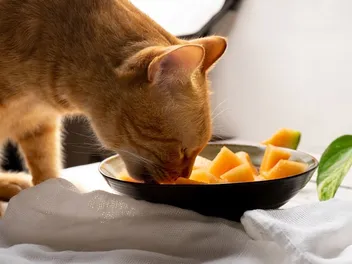
Cantaloupe doesn't pose a risk to cats unless they try eating the rind, in which case, it could be a choking hazard. There are many vitamins and minerals present in cantaloupe that cats may potentially benefit from, but it’s unclear how many of these nutrients they actually absorb when eating the fruit, given their carnivorous tendencies.
Serving Suggestions:
7. Pumpkin

Pumpkin is a nutrient-rich snack that some cats may enjoy snacking on. It’s filled with essential fatty acids, antioxidants, and fiber, which can all help keep your kitty’s digestive tract in good working order.
Serving Suggestions:
8. Cucumbers

Cucumbers are watery and refreshing for most people, and your kitty might think so too. They are the ultimate summertime snacks for cats due to their water content. Cucumbers also contain nutrients like magnesium and phosphorus.
Serving Suggestions:
9. Zucchini

Zucchini is full of water and therefore can help keep your kitty hydrated, especially on active and hot/humid days. While this food is not usually included in a cat’s daily commercial food, it can help boost their fiber and nutrient intake over time, but should only be offered in moderation.
Serving Suggestions:
10. Bell Peppers

We might love bell peppers, but at best, cats tolerate them. However, they are full of water and antioxidants, but felines are unlikely to reap any significant benefits, as they should be only offered a very small amount once in a while.
Serving Suggestions:

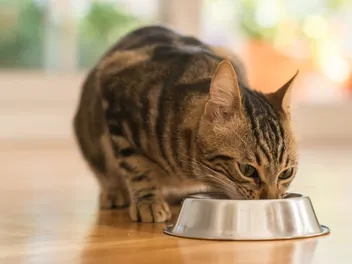
- NO MESS - The 360° tray on this cat food and water bowl set has a raised design to catch and contain stray crumbs and drips. Protect your indoors and floors from wet and messy meals!
- WHISKER FRIENDLY - Shallow and wide metal containers with flat bottoms ensure your kitty can enjoy mealtime free from whisker fatigue!
- CHEW-SAFE MATERIALS - Kittens and cats love chewing on silicone and soft rubber - but it's a choking hazard. Our cat feeding station materials are anti-chew for a 100% safe feeding frenzy!
Learning about what your cat can and cannot eat is a crucial part of keeping them happy and healthy! Choosing a bowl to serve cat-friendly foods in is another important decision pet owners face. Satisfy the specific needs of your cat with the innovative design of the Hepper NomNom Cat Bowl. Learn why it’s our (and our cats!) favorite food and water dish here.
At Catster, we’ve admired Hepper for many years and decided to take a controlling ownership interest so that we could benefit from the outstanding designs of this cool cat company!
Vegetables That Cats Can Eat
Try one of these vegetables that are good for cats in their next meal or for a wee treat, as long as they are not suffering from an underlying health issue.
11. Spinach

If you’re wondering if cats can eat spinach, the answer is yes, but with caveats. Spinach is vitamin-rich, but it may contribute to the development and recurrence of bladder stones due to the abundance of oxalate in it. Cats suffering from or having a predisposition towards calcium oxalate bladder stones should not be offered spinach. Speak to your vet to be on the safe side.
Serving Suggestions:
12. Green Beans

Green beans are interesting and viable snack options for feline family pets when offered in moderation and according to vet advice. Some cats like raw beans, while others enjoy them cooked. Then, there are those that do not like them at all. Try feeding both cooked and raw green beans to your kitty, but in moderation and not more than once per week during snack time, before abandoning the idea.
Serving Suggestions:
13. Broccoli

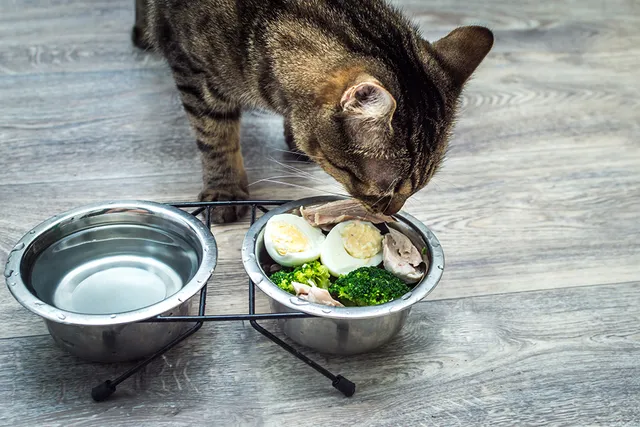
Broccoli is a safe green food for cats to enjoy, just like humans do. No toxic compounds are present, but they should still be offered in strict moderation. Too much veg may predispose to a stomach upset that will be uncomfortable for your kitty.
Serving Suggestions:
14. Peas

Peas are green foods that most healthy cats can safely eat although their health benefits are quite limited. They’re full of fiber and vitamins A, C, and K for proper muscle, nerve, and eye growth and management. They also contain minerals like iron and potassium. However, the amount a cat can safely eat, which is very little on a weekly basis, is insufficient to provide them with any significant benefits.
Serving Suggestions:
15. Cauliflower

Cats can safely eat cauliflower but in moderation as an occasional treat, as long as they are not suffering from an underlying health issue. However, when eaten raw, the development of a stomach upset and excess gas can occur. It goes without saying that cauliflower should be cooked without butter, oil, or spices and offered in strict moderation now and then.
Serving Suggestions:
16. Carrot
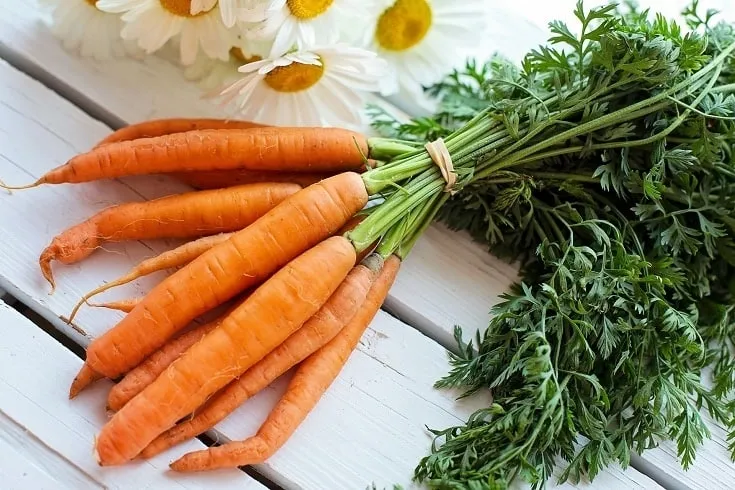
Carrots are another safe veg that cats may eat on occasion in small amounts. Despite it being nutrient rich for humans, felines are unlikely to reap any significant benefits from having a small piece of a carrot now and then. However, be particularly careful as this veg is hard and may pose a choking risk.
Serving Suggestions:
Final Words
Cats should not rely on fruits and vegetables to satisfy any of their nutritional needs because they are obligate carnivores. However, many fruits and veggies, like the ones outlined here, are safe to be offered in moderation and occasionally, as long as your cat doesn’t suffer from any health issues or according to your vet’s advice.
Related Reads:
Sources
Featured Image Credit: Guajillo studio, Shutterstock
Expert cat care, straight to your inbox
News, insights, and useful advice, delivered to you.

No spam — unsubscribe anytime.
By signing up, you agree to our Terms & Conditions and Privacy & Cookies Policy.
How useful was this post?
Click a star to rate. You can leave written feedback afterwards. (We read all feedback.)
Rachael has been a freelance writer since 2000, in which time she has had an opportunity to research and write about many different topics while working to master the art of fusing high-quality content with effective content marketing strategies. She is an artist at heart and loves to read, paint, and make jewelry in her spare time. As a vegan, Rachael is obsessed with helping animals in need both in her community and anywhere in the world where she feels she can make a difference. Animals also happen to be her favorite topic to write about! She lives off the grid in Hawaii with her husband, her garden, and her rescue animals including 5 dogs, a cat, a goat, and dozens of chickens.