Can Cats Eat Cantaloupe? Vet-Approved Nutrition Facts & Advice


In this article
In the wild, cats eat an all-meat diet. But some of our house cats seem to enjoy trying a variety of foods, even ones that would never naturally be found in their food regimen.
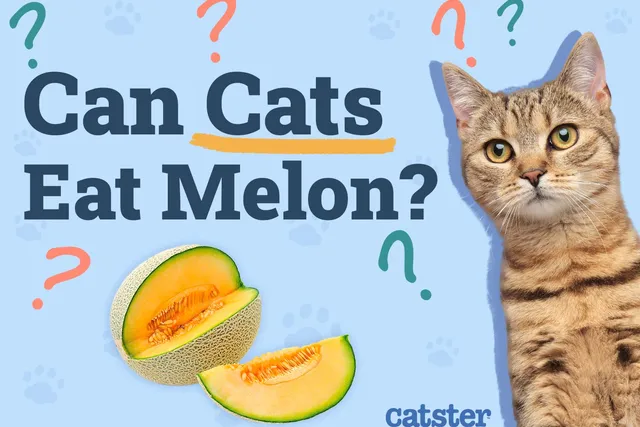
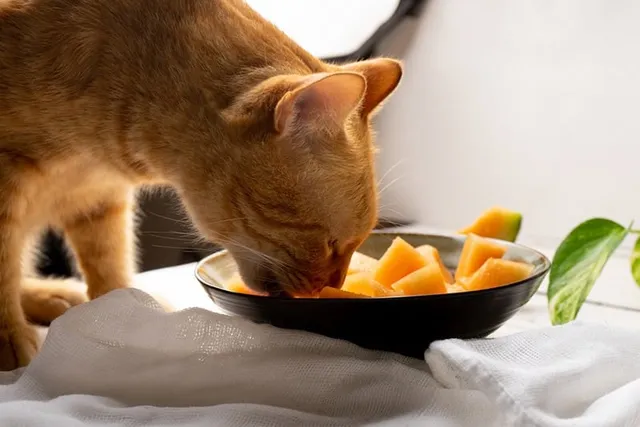
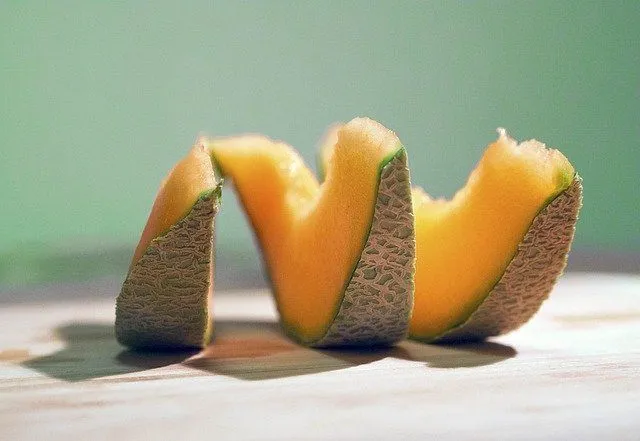
One food that cats commonly seem to gravitate towards is cantaloupe. Cats all over seem to show interest in this sweet fruit for some reason, so many pet owners feed it to their cats as a treat. But is it safe to do so? Moreover, could there possibly be a health benefit to feeding a cat cantaloupe? The answer is that yes, it's safe to feed cats cantaloupe when offered in strict moderation and only occasionally, as well as without the rind and seeds, but cats don't receive the same nutritional benefits as humans do!

Is Cantaloupe Safe to Feed to Cats?
According to the American Society for the Prevention of Cruelty to Animals (ASPCA), true cantaloupe, scientific name Cucumis melo, is completely non-toxic for cats.1 This means that it’s perfectly safe to feed some to your cat, as long as you do so in moderation. Check with a vet first if your cat can have a little bit of cantaloupe every now and then, depending on their underlying health, particular diet requirements, or ongoing medication. Cats suffering from diabetes or gastrointestinal issues should not be offered cantaloupe.
Keep in mind, your cat’s digestive tract isn’t built to digest plant foods, and their fiber and carbohydrate requirements are much different than in humans. Cats are obligate carnivores and thrive on a meat-based diet. This means that it’s much more difficult for them to process a cantaloupe than it may sound. Excess of cantaloupe may lead to a digestive upset.
The rind and seeds of the cantaloupe should be removed if you decide to give your cat any cantaloupe and the vet has given you a green light. The rind may have been treated with pesticides, and it’s quite hard, so your cat will not be able to digest in the first place, and it may present a choking hazard or lead to a digestive upset or a blockage if a piece gets swallowed. Seeds pose a choking hazard as well and may cause a stomach upset or even a blockage if too many are swallowed.
Is There a Health Benefit to Feeding a Cat Cantaloupe?
As humans, we generally think of cantaloupes as a healthy fruit. It’s full of vitamins and minerals like magnesium, vitamin A, iron, potassium, and vitamin C. The problem is that cats have different requirements for vitamins, minerals, and other micronutrients than we do.
Cats are what’s known as obligate carnivores. This means that they get all of their nutrition from meat sources. They don’t have a requirement or need for carbohydrates, plants, grains, legumes, or anything except meat in the wild, nor can they digest them properly.
Because meat makes up the majority of their diet, cats have a digestive system that is adjusted to processing raw meats and providing them with all of the nutrients that they need. While we may get a lot of healthy nutrients from a cantaloupe, your cat is unlikely to.
Vitamin A
Cats need vitamin A since their bodies don’t make it. We get it by converting beta-carotene from different fruits and vegetables we eat. Cantaloupe is packed with beta-carotene, so it’s a great source of vitamin A for humans.
The problem is that cats can’t convert beta-carotene into vitamin A. They need to get vitamin A in its already converted form, which they get from eating animal organs in the wild, such as the liver, or from a complete and balanced commercial cat food.
Vitamin C
Vitamin C is an essential vitamin for humans. We don’t make any in our bodies, so we rely on foods to provide all the vitamin C we need. Cantaloupe is very high in vitamin C, so it’s great for us.
But cats don’t need to intake vitamin C the way that we do. Their bodies actually make all the vitamin C they need, so healthy cats will get no benefit from cantaloupe in this regard.
Why Do Cats Seem to Like Cantaloupe?
If they’re not getting any health benefit from eating it, then why do cats seem to like cantaloupe so much?
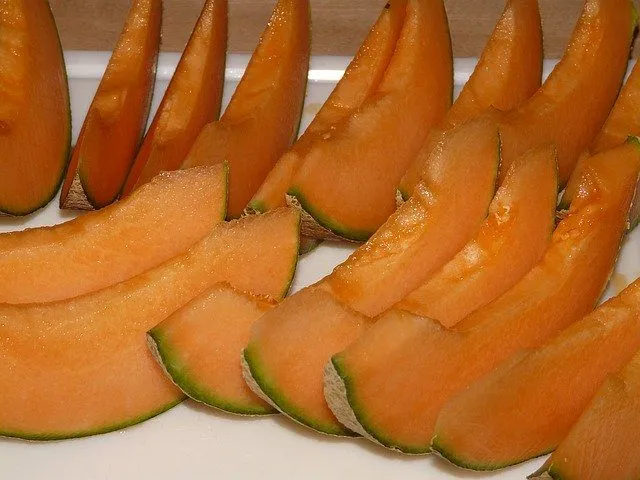
We already know that cats are obligate carnivores that don’t naturally have carbohydrates in their diet. They also don’t have a sweet tooth the way we do, as they cannot taste it, so it’s not the sweet flavor of the cantaloupe that’s attracting the cats. So, what is it?
The answer may be found in this study published in the Oxford Academic Journal of Experimental Botany.
According to the study, melons produce volatile compounds that create strong aromas. Since some of them are fatty acid and amino acid-based, this may attract cats' interest, but we can never really know what something smells like to a cat!
Conclusion
Cat owners all over the world have seen cats’ liking for cantaloupe. Felines seem to love nibbling on this sweet fruit, even though they’re obligate carnivores with no sweet tooth. As a cat owner, you may have been wondering if it’s safe to feed this fruit to your cat, or if it’s a toxic mistake that will cause your cat harm.
Luckily, cantaloupe poses no significant threat to your cat’s health. They can eat it in moderation with no health risks if the seeds and rind is removed, though they are unlikely to receive any real health benefits from it either. The vitamins and minerals in cantaloupe may be healthy for us humans, but they’ll have little to no positive effect on your feline.
Expert cat care, straight to your inbox
News, insights, and useful advice, delivered to you.

No spam — unsubscribe anytime.
By signing up, you agree to our Terms & Conditions and Privacy & Cookies Policy.
How useful was this post?
Click a star to rate. You can leave written feedback afterwards. (We read all feedback.)
Christian started writing for a local newspaper as a teenager, and he's been involved in the publishing industry for most of his adult life. Combining his love of writing with a passion for animals, he is currently the Director of Editorial at Pangolia and the Editor-in-Chief at Catster.
Christian lives in the Philippines with his wife, son, and four rescue cats: Trixie, Chloe, Sparky, and Chopper.