Is Silvervine for Cats Better Than Catnip? Vet-Approved Facts & FAQ


In this article
If you have a feline companion at home and you’re looking for new ways to introduce fun and enrichment to their life, you may be wondering if silvervine (Actinidia polygama) is something that could bring a bit of variety into their playtime experiences and if it’s better for cats than catnip (Nepeta cataria).
Although silvervine is not healthier or better than catnip, some cats do not react to catnip; it only elicits responses in about 68% of cats.1 Cats are more receptive to silvervine, and it affects around 80% of felines. Therefore, there’s a possibility that cats that aren’t affected by catnip can relax after a sniff or two of silvervine.

What Is Silvervine?
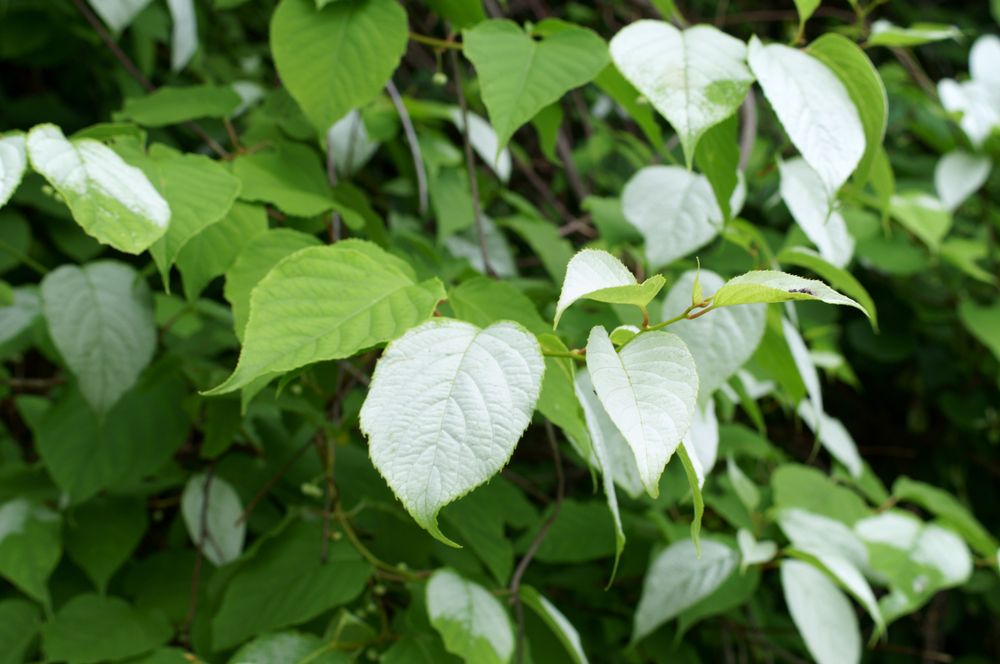
Silvervine grows naturally in Russia, Japan, Korea, and China, where it’s long been used as a catnip alternative. It has white flowers and leaves that appear to be tipped with shimmery silver. The plant’s fruit resembles orange eggs.
Cats usually get the biggest kicks from silvervine products made from the plant’s gall fruit (that occur after insects lay eggs or larvae on the plant), but other parts, such as the leaves and stems, also contain the chemicals that cause reactions in cats, just at lower concentrations.
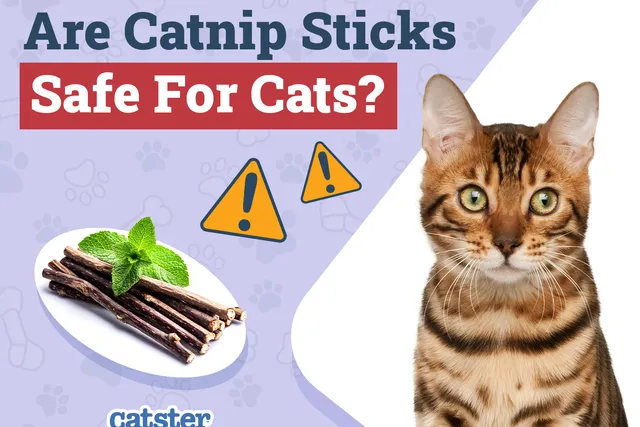
Silvervine is available in powder and stick form; the sticks are also known as matatabi sticks. Powdered products from the plant’s gall fruit are often the most potent options and deliver the biggest punch.
Powdered silvervine can be added to plush toys like dried catnip. Matatabi sticks may chewing opportunities, though speak with your vet prior to offering. It’s also possible to find toys stuffed with silvervine that come ready for cats to enjoy. Sprays are also available to keep scratching posts interesting.

What Is Catnip?
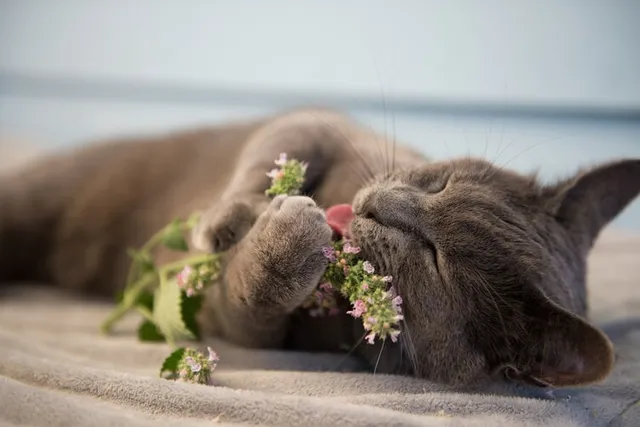
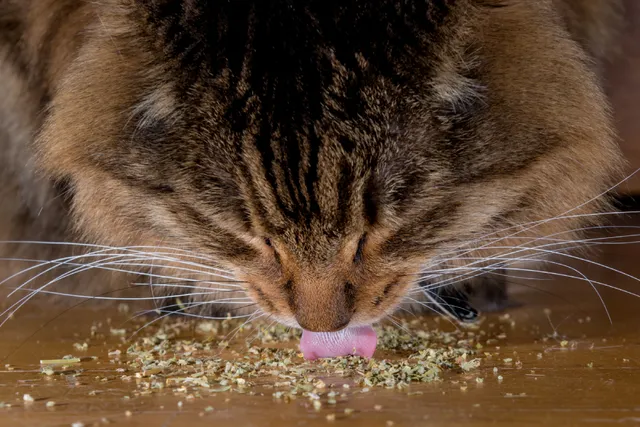
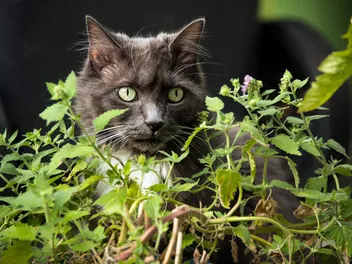
Catnip is native to Asia, Africa, and Europe. It’s part of the same family as mint. The plant’s small flowers are purple and have tiny white dots. Catnip’s effects may annectdotally vary depending on whether it’s sniffed or eaten: cats become active and energetic after smelling catnip, while eating the herb often encourages them to zone out and relax. Kittens generally don’t respond to catnip until they’re between 6 and 12 months old, and dried options are stronger than fresh products.
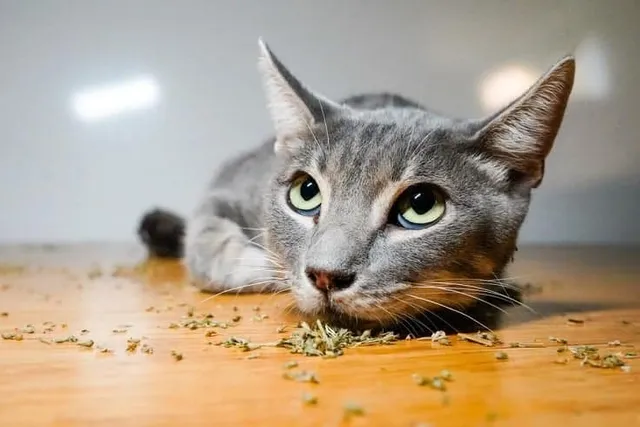
Cats can enjoy fresh and dried catnip. Many cat toys come pre-stuffed with it to encourage felines to engage and add a bit of extra fun to playtime. There are also sprays, which feature combinations of catnip and silvervine that make it easy to keep non-refillable toys interesting for pets.
Lots of cats go bananas for catnip. If your cat is one of them, we recommend Hepper's durable, engaging Catnip Stick Toy! These sturdy toys come in several fun colors and feature bite-proof double bagging and 100% organic catnip fill. They're also handmade in the USA and designed to look like your cat's natural prey.

- No Filler - Like all the best cat toys our is stuffed with 100% organic catnip. Cheap cat toys with filler leave your cat bored and disinterested. Our pets deserve to be excited and engaged.
- Flexible Play - Simple plush shape is great for biting, scratching and pawing. It can start life as a teething toys for kittens then soon your furry friend will be using it as a cat kick stick. Play for any mood
- Durably Designed - Our cat safe toys are hand-stitched with a double-lined exterior construction for hours of playtime, perfect cat kicker toys for cats indoors and even outdoors. Your cat will tire out before the toy does!
At Catster, we’ve admired Hepper for many years and decided to take a controlling ownership interest so that we could benefit from the outstanding designs of this cool cat company!
What Causes Silvervine and Catnip to Be So Attractive to Cats?
Silvervine and catnip feature compounds that trigger the reward centers of cats’ brains. Silvervine contains nepetalactol, and catnip has nepetalactone. However, silvervine contains additional compounds that work much like nepetalactone.
Does Silvervine Have Some of the Same Insect-Repellent Properties as Catnip?
Absolutely! Chewing on, rolling around in, and playing with silvervine and catnip leaves increases the effectiveness of the plants’ mosquito-fighting qualities. Rolling around in and rubbing against the plants is potentially an instinctual behavior that developed to protect cats in the wild from mosquitos and other biting insects.
Mosquito bites can cause heartworm disease, which can cause systemic inflammatory reactions. Heartworms, if left untreated, can potentially cause lifelong respiratory disease, or even be fatal to cats.

Frequently Asked Questions
How long do silvervine and catnip highs last?
In one study, no statistically significant difference was found in the length of response time in observed cats to the various plants that produce the so-called catnip response.
Is silvervine addictive?
No current data exists to show that silvervine is addictive; similarly catnip is also believed at present not to be addictive. Therefore, as far as we know, cats can’t overdose on silvervine or catnip, but they can potentially experience tummy problems if they consume too much at once.
Is it true that tigers don’t like silvervine?
Tigers don’t appear to be huge fans of silvervine. However other big cats, including leopards, jaguars, and lions, on the other hand, are affected by catnip, and they can often be seen rolling around and rubbing their bodies against the plant.

Conclusion
Silvervine and catnip produce similar responses in cats, and smelling them generally gives them a euphoric burst of energy. However, consuming the herbs can also have similar effects.
While there’s not much difference in how the two herbs affect cats, silvervine is more effective in triggering responses in felines. Neither catnip nor silvervine is known to be addictive, and both encourage cats to get up and engage in a bit of physical activity.
Sources
https://www.petmd.com/cat/general-health/silver-vine-plant-alternative-catnip
https://www.newscientist.com/article/2274319-science-with-sam-why-do-cats-go-crazy-for-catnip/
https://news.northwestern.edu/stories/2021/03/catnip-insect-repellent/
https://powo.science.kew.org/taxon/urn:lsid:ipni.org:names:60472666-2
https://vcahospitals.com/know-your-pet/heartworm-disease-in-cats
Featured Image Credit: travelershigh, Shutterstock
Expert cat care, straight to your inbox
News, insights, and useful advice, delivered to you.

No spam — unsubscribe anytime.
By signing up, you agree to our Terms & Conditions and Privacy & Cookies Policy.
How useful was this post?
Click a star to rate. You can leave written feedback afterwards. (We read all feedback.)
Lorre Luther is a writer who is firmly convinced that cats are smarter than humans. She left her law career in the United States and moved to the Netherlands to follow her dream of becoming a writer. Lorre currently lives in Rotterdam, she enjoys traveling and greatly appreciates the beauty of nature. Lorre has a spot for animals and admires the intelligence of cats.