Get

In Your Inbox

Catster is reader-supported. When you buy via links on our site, we may earn an affiliate commission at no cost to you. Learn more.

Why Do Cats Bury Their Poop? 3 Vet-Verified Reasons for This Behavior

Share

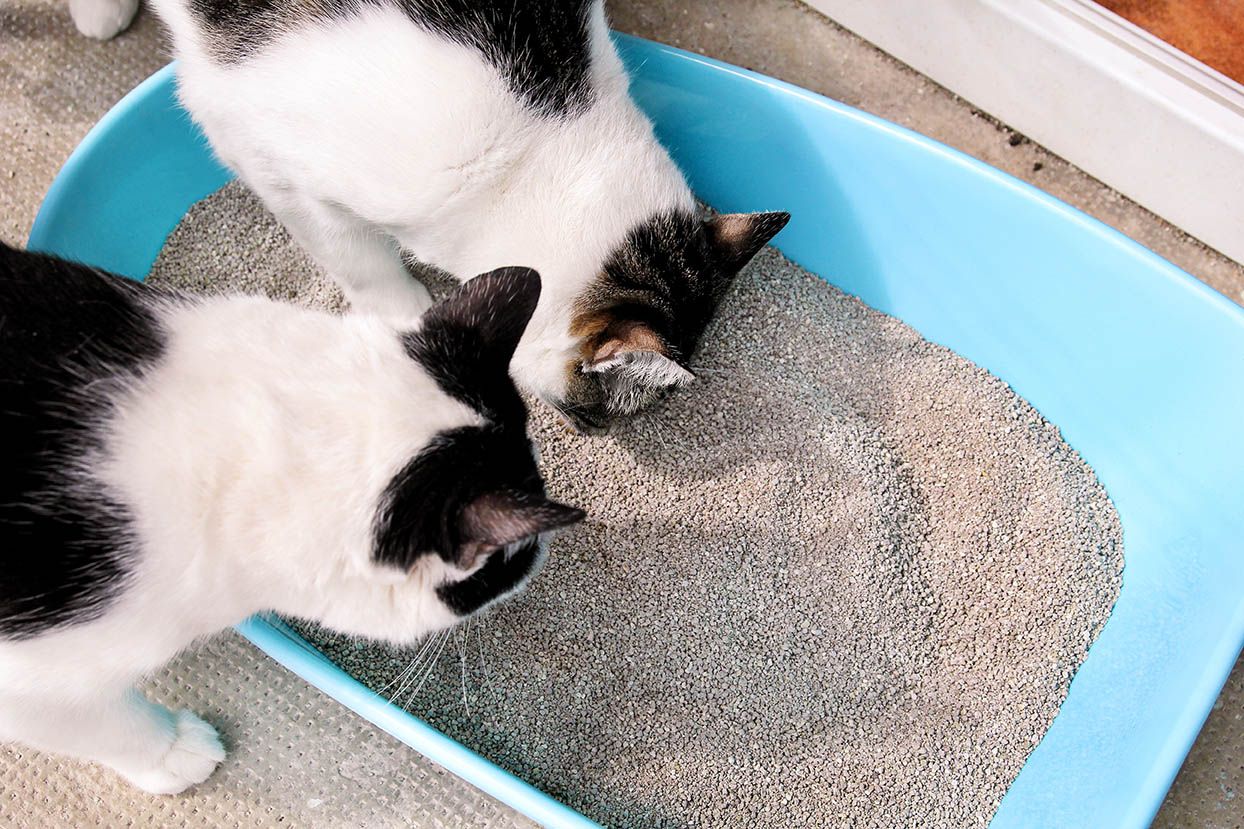
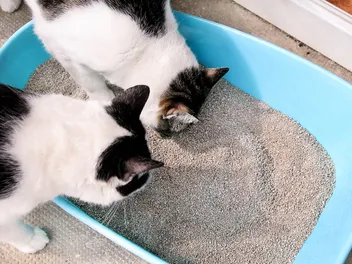
two cats looking at the litter box

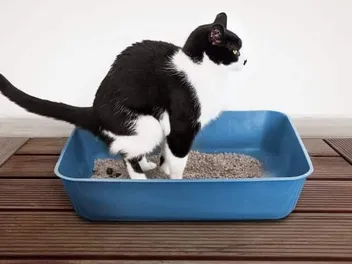
Burying items, especially waste, is not at all uncommon in the animal kingdom. Dog owners have long witnessed this behavior from their canine pals, who love to bury all sorts of goodies. But cat owners observe their cats carefully burying their poop; a behavior that could make anyone wonder what was going on.

The good news is that this is completely normal behavior and not an indication that anything is wrong. In fact, the opposite is true. If your cat is burying their poop, it’s a good sign that things are functioning as they should in your household — at least within your cat’s mind. But that won’t quench your curiosity. It’s strange behavior to meticulously bury one’s feces, so why do our cats do it?

divider 2 cats

The 3 Reasons Cats Bury Their Poop

The truth is, there are several reasons why cats bury their poop. This is a behavior that has been passed down generationally since before cats began to share their lives with humans, and there are practical rationalizations behind the custom. But it’s not just a single reason why cats engage in this behavior. Let’s explore the many reasons below.

1. Biggest Cat on the Block

Many cat species have a history of burying their waste. But you’ll find that it’s just the smaller species of cats that do this. Big cats like tigers, lions, and cheetahs don’t need to bury their poop because they’re at the top of the food chain and completely dominant in their area. Smaller cats don’t enjoy the same dominance. When they all roamed together, smaller cats didn’t want to risk angering or challenging the bigger cats since they didn’t stand a chance in a fight. So, they buried their feces so that larger felines knew they were not a threat and offered no challenge.

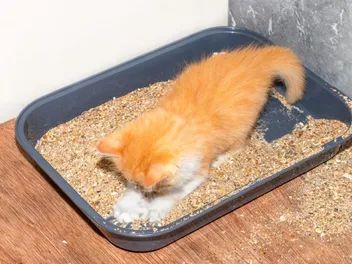
cat digging
Image Credit: JackieLou DL, Pixabay

2. Other Predators on the Loose

It’s not just bigger cats that felines have had to worry about, however. Any other predators could take out a small cat, including wolves, bears, and even coyotes to name just a few. This made the world a very dangerous place for a small cat roaming the great outdoors. As such, the last thing they wanted to do is attract a larger predator to their area. They may even have had kittens in a den that would be put at risk if other predators knew they were there. But by burying their feces, these cats were ensuring their survival. Predators wouldn’t be attracted to the area without a scent to lead them.


3. Genetics Rule

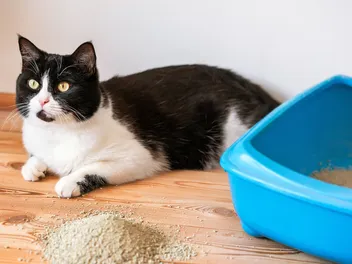
These reasons are great for wildcats, but your cat is living in a house, completely safe from predators and larger wildcats. Still, your cat’s behavior is written in their DNA, and many of their habits are instinctive. This is why your cat continues to bury their feces at home. This is, in fact, a very hygienic routine that you don’t want your cat to stop doing.

grey cat being pet while lounging
Image Credit: Anna Hoychuk, Shutterstock

divider 2 cats

Conclusion

While a cat burying their poop might seem strange to us, the behavior makes perfect sense when you look at it in a different context. Your cat might not be in the wild surviving the dominance hierarchy and bigger predators anymore, but the remnants of that world have imprinted on our cats. They continue to show that by displaying behaviors that are a result of millions of years of evolution and survival. Luckily, this behavior doesn’t have any negative connotations, but that might not be the case for all of your cat’s behaviors!

See also:


Featured Image Credit: Zoran Photographer, Shutterstock

Want content like this delivered to you?

Sign Up For Our Newsletter

News, insights, expert advice, and everything cat

* By submitting, you agree to our Terms & Conditions and Privacy & Cookies Policy.


How useful was this post?

Click on a star to rate (you can leave written feedback after clicking submit)

Help us improve Catster for pet parents!

Your feedback really matters.

What did you like about this post? Also how can we improve it?

Join the conversation

Leave a Reply

You’re very welcome to leave a comment or question. Please know that all comments must meet our community guidelines, and your email address will NOT be published. Let’s have a positive and constructive conversation.


Catster's Digital Magazine is Back!

Vet-approved health & behavior advice

Real cat stories & community features

Chatting About the Rainbow Bridge, Euthanasia, and Laughter During Grief | Chatty Cattys, Episode 24

If you’ve ever felt the loss of a beloved cat, or are dreading the day when your pet crosses the rainbow bridge, you’ll...

The Simple Reasons Cats Refuse to Let Anyone Use the Bathroom Alone

Cats have an extraordinary talent for making themselves present in the most inconvenient places, and the bathroom ranks near the top of the...

A Paw-sitive Milestone: Canada Officially Becomes a Declaw-Free Nation

Canada has officially become a declaw-free nation. On May 25, 2026, a new regulation was filed in Ontario under the Provincial Animal Welfare...

The Surprisingly Simple Ways to Help a Cat With Hairballs

Cats spend an astonishing amount of time grooming. It is part hygiene routine, part comfort ritual, and part instinct that traces back generations....

More related

Are Catnip Sticks Safe for Cats? Vet-Reviewed Health & Safety Explored

Catnip is a minty herb that has light-green foliage and lavender-colored flowers. Catnip has unique effects on many cats, and while some become...

Why Is My Kitten Not Eating? 8 Vet Reviewed Possible Reasons

It’s always exciting to get a new kitten. By nature, kittens are playful, inquisitive, and somewhat fussy creatures with an independent streak that...

Why Do Cats Like Christmas Trees? 7 Vet-Reviewed Reasons

According to the National Christmas Tree Association, Americans buy up to 30 million real trees annually for the holiday. Canada and every state...

Alex and the Somersault of Happiness

Hi, I’m Dr. Karyn! Read my introduction to learn more about me and meet my five hilarious cats: Clutch, Cyril, Alex, Zelda, and...

Keep reading

Can Cats Eat Blackberries? Vet-Reviewed Facts & Safety Information

Unlike dogs, cats are extremely fussy eaters, so you don’t often have to worry about them chowing down on something they are not supposed to. Some cats will surprise you, though, and they’ll eat things you wouldn’t think they’d like—such...

Can Cats Eat Blackberries

What to Feed a Diabetic Cat to Gain Weight: Vet-Reviewed Health Tips

Diabetes has become an epidemic, not just in people but also in pets. Feline diabetes is most similar to type 2 diabetes in humans, meaning that weight management and diet are critical factors in controlling the condition. Cats with diabetes...

cat thin

Cat Mammary Cancer: When to Euthanize: Vet-Approved Guide & FAQ

You know that you’ll have to make a difficult decision when you find out that your beloved pet is reaching the end of their life. Unfortunately, mammary cancer is one of the most aggressive forms of cancer in cats, and...

vet checking up the cat

Do Cats Need a Cat Tree? Vet Approved Pros, Cons & Considerations

Cats love to be up high and observe everything around them but also enjoy having their own space while they sleep their day away. Cat trees are a common staple in most cat-owning households. Not only do they provide that...

cat on top of a cat tree

Snowshoe Cat Health Problems: 10 Vet-Reviewed Issues

The Snowshoe cat is a popular breed originating in the United States during the 1960s. These sweet-natured cats look as though they’re wearing a mask with darker markings on their ears, legs, and tail. They have beautiful, bright blue eyes...

Catster_Health Problems Snowshoe Cats

Can Cats Eat Beans? Vet-Approved Nutritional Facts & FAQ

When making dinner, you pop open a can of beans and set it aside until you’re ready to cook with it. It’s not uncommon for a cat’s curiosity to get the better of them—the noise of a can opening often...

Can Cats Eat Beans

Nom Nom Cat Food Review: Recalls, Pros, Cons & Verdict

Disclaimer: Nom Nom has discontinued its fresh cat food recipe and is no longer taking orders. Nom Nom hopes to return to providing fresh food to cats in the future when they have more readily available high-quality ingredients. We have...

Nom Nom Cat Food

Why Did My Cat Lose His Voice? 5 Vet-Reviewed Potential Reasons

It’s normal for us to lose our voice or feel hoarse when we’re sick or after yelling at a party or concert. It’s not as common of an occurrence in our pets. If your normally vocal cat has suddenly lost...

Cat meowing

Love Cats? So Do We! Join the Catster Community

Stay informed with expert pet care insights delivered straight to your inbox! Discover professional guidance on animal behavior, feeding tips, trusted product picks, and much more.


Sign up for the Catster Email Newsletter

Stay informed with expert pet care insights delivered straight to your inbox! Discover professional guidance on animal behavior, feeding tips, trusted product picks, and much more.